When I chose to improve my garage floor, I knew I needed something that could withstand oil spills, heavy tools, and frequent foot traffic. After reviewing my alternatives, I realized that a long-lasting garage floor coating was the ideal solution. These coatings not only preserve concrete from stains and cracks, but they also make a drab garage look clean and professional. Whether you use your garage for parking, projects, or storage, the correct coating can significantly improve both use and look.
Why Invest in Garage Floor Coating?
A good garage floor coating provides a barrier against oil, chemicals, and moisture. Before covering my floor, I was continually concerned about stains from leaks and spills. Cleanup is now as simple as wiping with a cloth. The sealed surface also repels dust and grime, making the garage easier to clean. If you park your car inside or work on projects, this protection is important.
Coatings not only increase longevity, but they also improve safety. When wet, bare concrete becomes slippery, while textured coverings improve traction. I chose a little rough finish to avoid slides, especially in the winter when snow melts off the car. Some coatings also contain anti-slip chemicals for further security. The extra grip provides me peace of mind when moving big equipment.
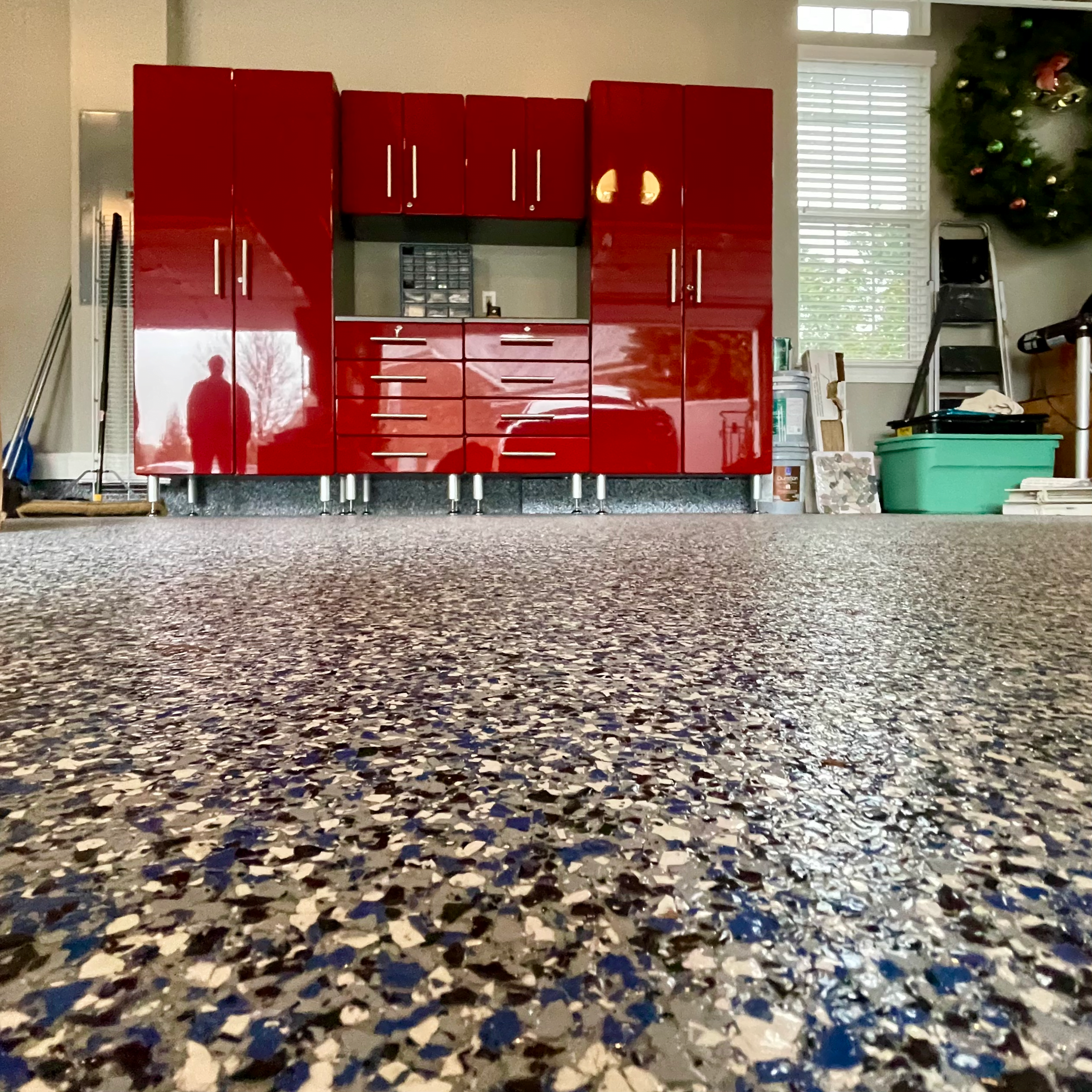
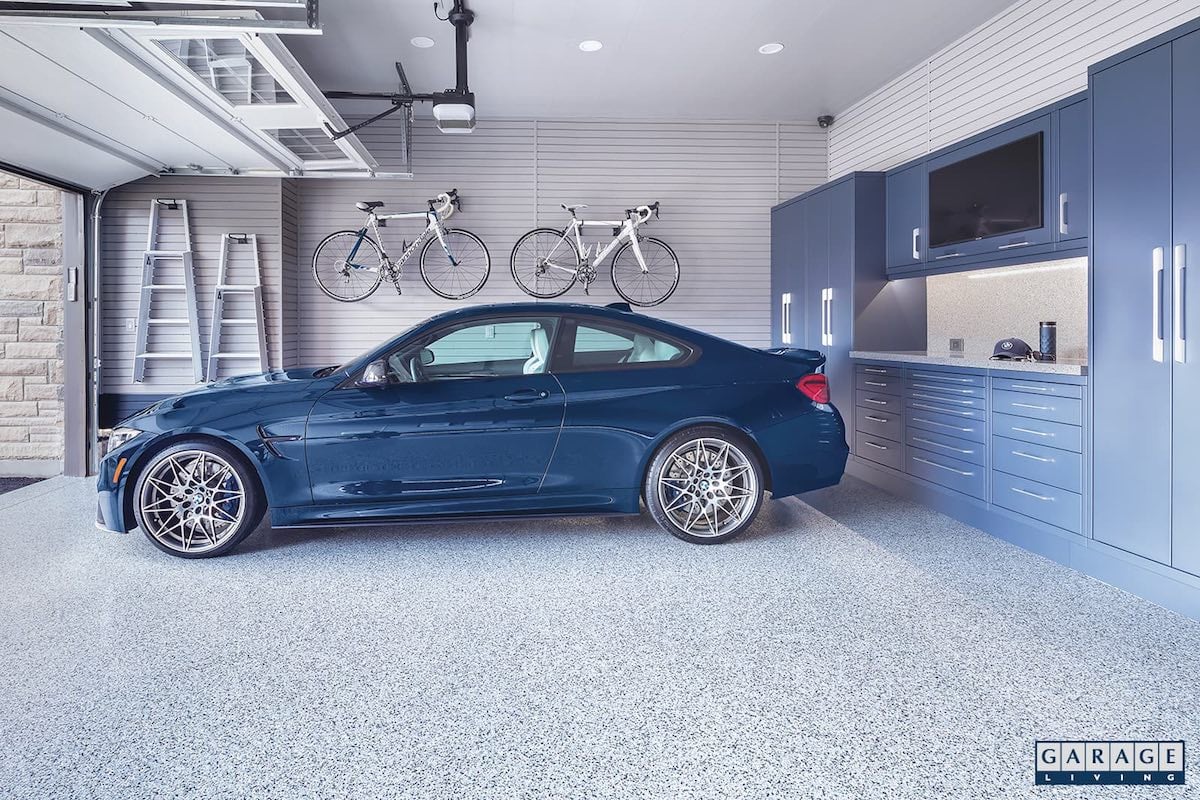
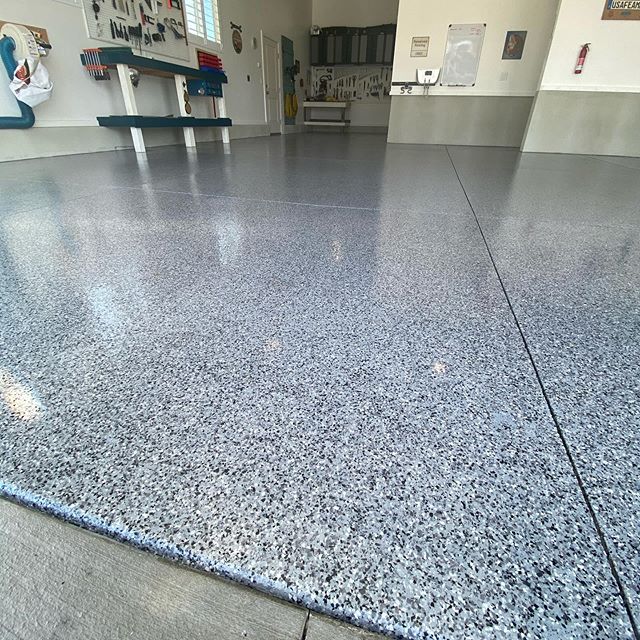
Finally, coatings improve the garage’s appearance. A new, glossy finish makes the area appear polished and deliberate. I chose a gray epoxy with ornamental flakes to give my garage a bespoke, high-end appearance. Whether you like solid colors or artistic graphics, coatings provide limitless customizing options.
Types of Garage Floor Coatings
Epoxy is the most popular option for garage floors, and with good reason. It’s extremely durable, chemically resistant, and comes in a variety of colors and finishes. I used a two-part epoxy method, which produced a thick, glossy covering that has lasted for years. However, epoxy can yellow when exposed to UV radiation, therefore it is best suited for garages with little sunshine.
Polyurea and polyaspartic coatings are newer choices that cure faster and have superior UV resistance than epoxy. While more expensive, they are appropriate for garages with windows or exterior exposure. I considered polyaspartic because of its short drying period, but I ultimately chose epoxy because of its price.
For a simpler alternative, concrete sealers and acrylic coatings provide basic protection at a cheaper cost. They don’t stay as long as epoxy or polyurea, but they’re simple to use and still increase stain resistance. If you’re on a limited budget or need a quick repair, they are worth investigating.

Preparing the Garage Floor for Coating
Proper preparation is essential for a durable coating. First, I thoroughly cleaned my floor, eliminating oil spots with a degreaser and pressure washer. Any excess grease or grime prevents the coating from sticking correctly. For tough stains, a concrete etcher or grinder can help open the pores and improve bonding.
Next, I used a concrete patching product to mend the fractures and chips. Small defects may appear small, but if not filled, they will show through the covering. After letting the repairs dry, I lightly sanded the surface to make it smooth. Skipping this step may result in an uneven finish that chips or peels prematurely.
Finally, I ensured that the floor was absolutely dry before applying the coating. Moisture trapped beneath the covering results in bubbles and peeling. I used a moisture meter to determine that my floor was ready. Taking the time to prep work guarantees that the coating binds properly and lasts for years.
Applying the Coating: DIY or Professional Installation
I elected to apply my garage floor coating myself, and while it was time-consuming, the results were worthwhile. I prepared the epoxy according to the manufacturer’s directions and applied it with a roller. Working in short areas helped me keep a moist edge and avoid lap marks. Adding ornamental flakes while the epoxy was wet gave it a professional appearance.
However, the DIY application is not for everyone. Mistakes such as incorrect mixing or uneven distribution can degrade the finish. If you’re unsure about the process, hiring an expert guarantees a perfect outcome. They have the necessary skills and experience to manage big regions swiftly and efficiently.
Another factor is drying time. Epoxy takes at least 24 hours to cure, so keep the garage empty during that time. Polyurea and polyaspartic coatings dry substantially faster, sometimes within a few hours. If you require rapid access to your garage, these could be a better option.
How to Maintain Your Coated Garage Floor
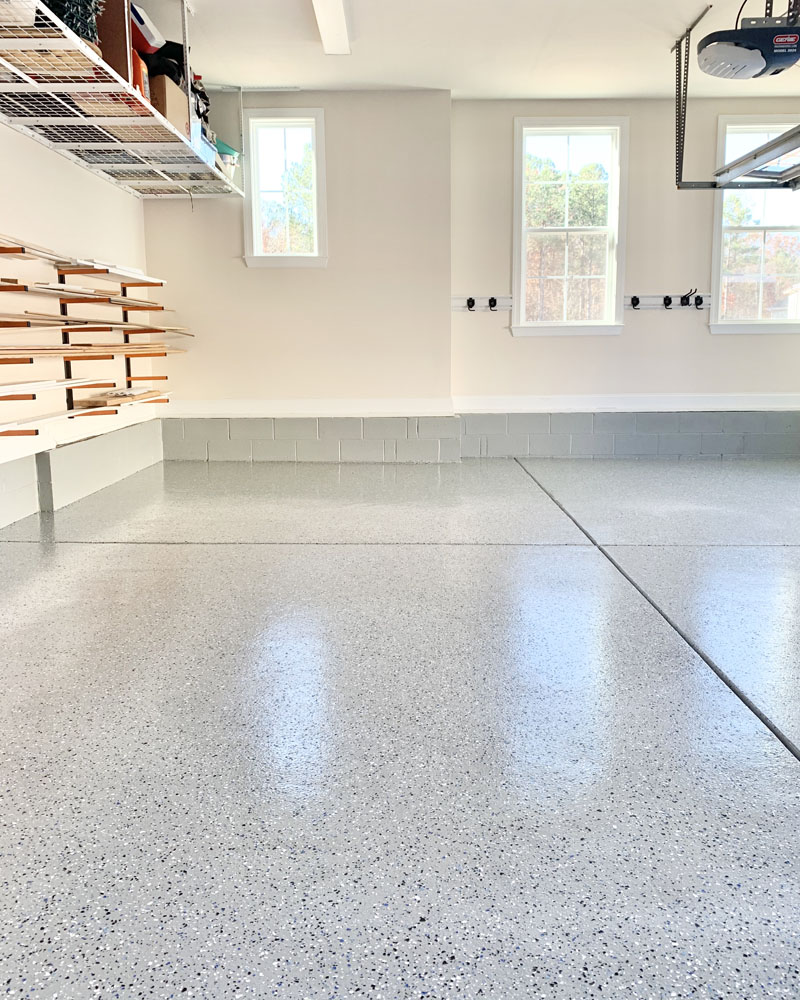
One of the best features of my coated floor is how simple it is to clean. Regular sweeping and mopping with a mild cleanser will keep it looking new. Unlike bare concrete, which retains stains, the covered surface is easily cleaned. A moderate scrub with soapy water removes harder spills such as oil or paint.
The covering is robust, but not indestructible. Dragging heavy metal objects can scratch it, so I place furniture pads beneath workbenches and tool chests. Hot tire pickup can also be problematic if the covering is not heat-resistant. Choosing a high-quality product reduces the hazards.
To extend the coating’s life, I reapply a clear topcoat after a few years. This restored the sheen and provided an additional layer of protection. With regular maintenance, a well-applied garage floor coating can last a decade or longer.
The Cost and Long-Term Value of Garage Floor Coatings
The cost of garage floor coatings varies according to the type and quality. Epoxy is the most cost-effective, costing between $3 and $5 per square foot for materials. My DIY method was reasonable, but professional installation raises the cost. Polyurea and polyaspartic coatings are more expensive, but they cure faster and provide UV resistance.
Despite the initial cost, coatings are a good long-term investment. They preserve the concrete from damage, decreasing the need for expensive repairs. A well-maintained coated floor also increases your home’s market value, since purchasers respect a clean, durable garage.
For those concerned about the cost, beginning with a simple sealer is a low-risk alternative. It offers basic protection that can be enhanced later. In my case, the durability and cosmetic improvements justified the expenditure.
How long will a garage floor coating last?
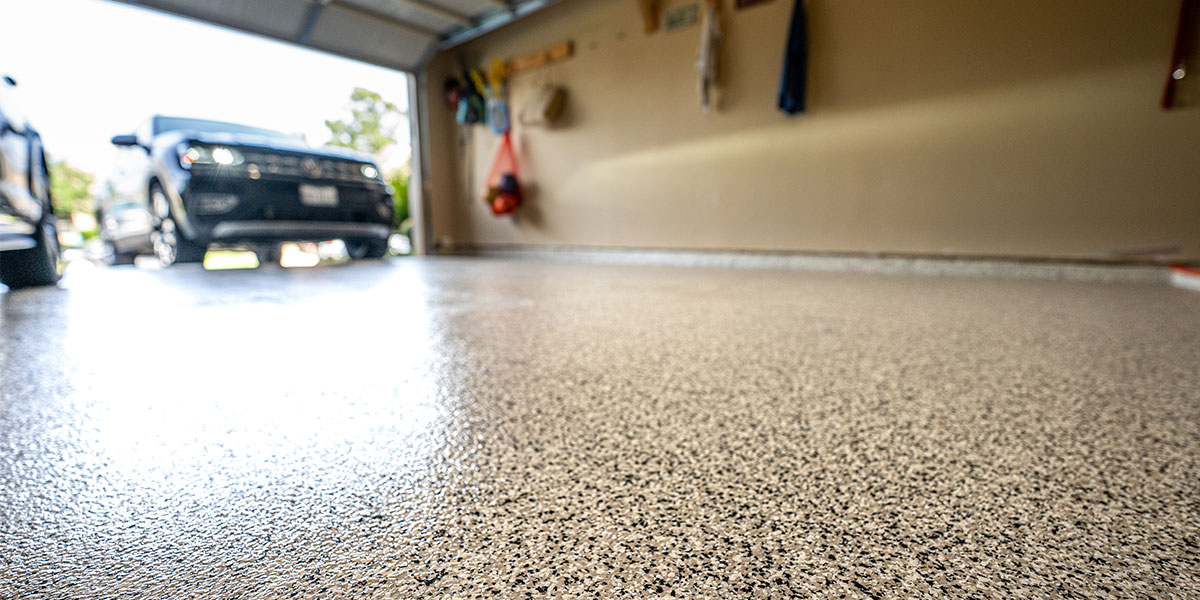
A high-quality epoxy or polyurea coating can last for 10 to 20 years with regular maintenance. Mine has been in excellent shape for five years with no maintenance. Traffic, UV exposure, and chemical spills can all have an impact on durability. Reapplying a topcoat every few years refreshes and extends the protective layer’s life. Using a reputed product and performing thorough prep work offers optimal durability.
Can I apply a coating over an already painted floor?
Yes, but the old paint should be in good condition and well prepped. I used a grinder to remove any loose or flaking paint and thoroughly cleaned the surface. Some coatings require etching or priming to get better adherence. If your previous paint is oil-based, make sure it is compatible with your new covering. For optimal results, refer to the manufacturer’s instructions or employ an expert.
Is a covered garage floor slippery?
Glossy coatings can be slippery when wet, but this is a simple fix. I added anti-slip chemicals to my epoxy to improve traction. Textured or matte coatings also reduce slipperiness. Rubber mats placed at entryways improve safety in high-moisture areas. Coated flooring can be both long-lasting and slip-resistant if properly maintained.
When can I park my automobile on the coated floor?
Drying time varies per product. Epoxy usually needs at least 24 to 72 hours before light use and a full week before parking autos. Polyurea and polyaspartic coatings dry more quickly, typically enabling vehicle movement within 24 hours. I waited 48 hours for the epoxy to fully solidify. Always follow the manufacturer’s instructions to avoid harming the new coating.

Can I coat my garage floor in the cold weather?
Most coatings require temperatures more than 50°F for proper application and cure. I used mine in the spring, when temps were consistent. If you must coat in cooler weather, search for products optimized for low-temperature use or hire a professional installation with climate-controlled equipment. Cold or humid environments might cause incorrect curing and adhesion concerns.
What is the distinction between epoxy and polyurea coatings?
Epoxy is less expensive and more durable, although it can turn yellow when exposed to ultraviolet radiation. Polyurea is more expensive, but it dries faster, resists UV damage, and can sustain high temperatures. I chose epoxy because of its cost-effectiveness and performance, while polyurea is preferable for garages that receive direct sunshine. Both offer good protection, so the choice is based on your budget and unique requirements.
Related Posts: