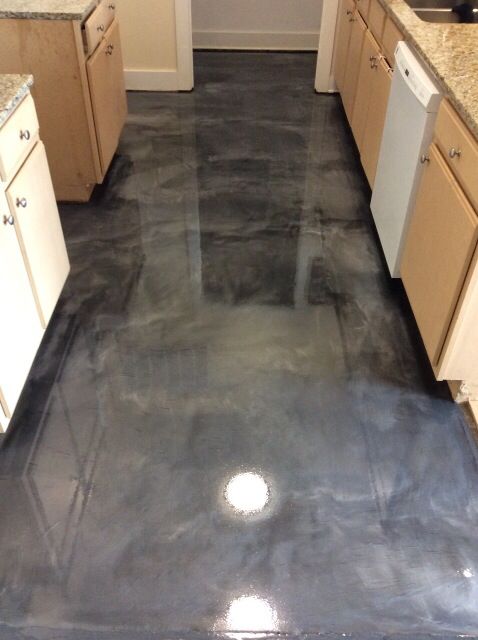
Last summer, I transformed my tired kitchen with an epoxy resin floor that completely changed how I use and feel about the space. The glossy, seamless surface turned my cramped galley kitchen into what feels like a professional culinary studio. After eight months of daily use, spills, cooking experiments, and entertaining guests, I can share honest insights about this bold flooring choice that goes beyond typical renovation guides.
Planning and Preparation for My Epoxy Kitchen Floor
My kitchen renovation began with extensive research into epoxy systems suitable for residential use. I discovered that not all epoxy products work well in kitchens, where temperature fluctuations and moisture levels challenge many formulations. Food-grade epoxy became my priority, ensuring safety around meal preparation areas. The initial planning phase took three weeks, comparing products, reading reviews, and consulting with contractors about application techniques and long-term performance expectations.
Surface preparation proved more complex than anticipated. My existing vinyl flooring required complete removal, exposing concrete that needed extensive cleaning and repair. Small cracks and uneven areas became major concerns, as epoxy amplifies every imperfection. I spent two days filling gaps with concrete filler and sanding rough spots. The substrate must be perfectly clean and dry before application, so I waited an extra week for optimal conditions.
Temperature and humidity control became crucial factors. Epoxy application requires specific environmental conditions, typically between 65-75°F with low humidity. I monitored weather patterns for weeks, planning the installation during a stable period. Ventilation planning included renting additional fans and opening windows strategically. The preparation phase consumed more time than the actual application, but this foundation work determines the final result’s quality and longevity.
The Application Process and Challenges I Faced
Day one of the application began at 6 AM with primer coat application using a high-quality roller. The primer soaked into the concrete, creating the essential bond for subsequent layers. Working in small sections prevented lap marks and ensured even coverage. The chemical smell required constant ventilation, and I wore protective equipment throughout. By noon, the primer was ready for the base coat application, which went smoothly following the manufacturer’s guidelines.
The base coat application challenged my patience and technique. Mixing epoxy components requires precise ratios and thorough blending to prevent weak spots or color variations. I worked with a helper, one person mixing while the other applied material quickly before the pot life expired. Rolling technique matters enormously, maintaining wet edges and avoiding bubbles. Temperature spikes during afternoon application caused faster curing, requiring adjusted working speeds.
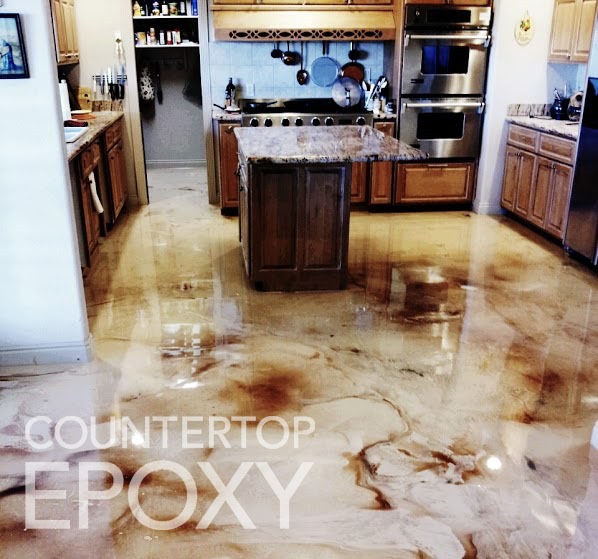
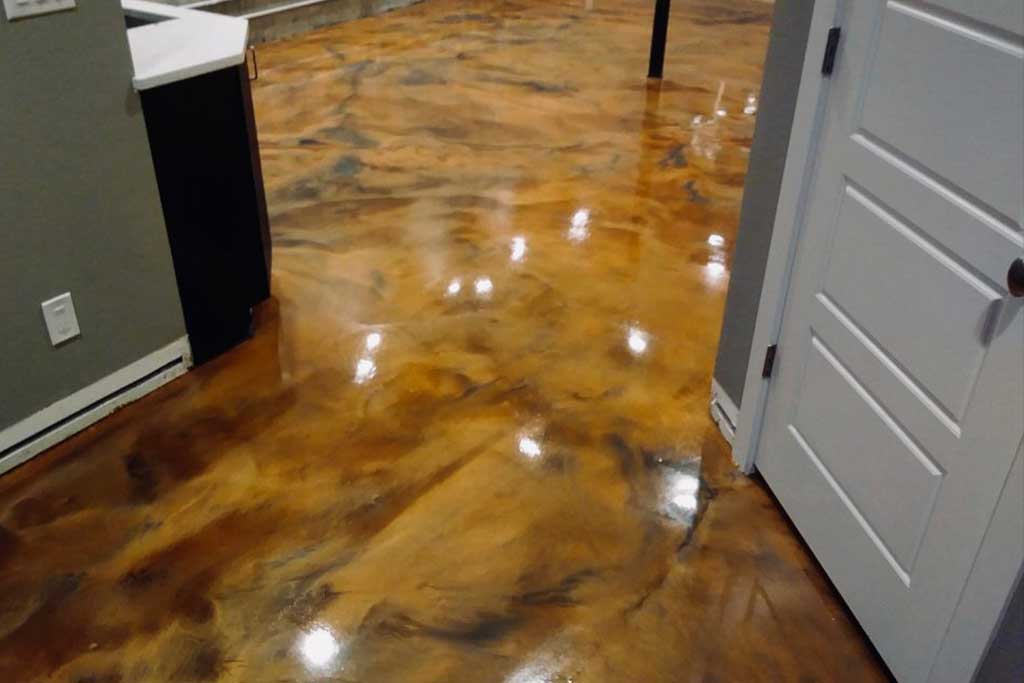
Day two brought the topcoat application, the most critical phase determining final appearance and durability. This coat creates a glossy finish and provides primary protection against kitchen wear. I applied it using cross-rolling techniques, ensuring complete coverage without streaks or missed spots. Bubble elimination required careful attention, using a spike roller and heat gun selectively. The final result exceeded my expectations, creating a mirror-like surface that transformed my kitchen’s entire aesthetic.

Living with an Epoxy Kitchen Floor Daily
Eight months later, my epoxy floor continues to impress me with its performance and appearance. Daily cooking activities, from breakfast preparation to elaborate dinner parties, haven’t dulled the surface or caused visible wear. Spills wipe up effortlessly, even stubborn substances like red wine or tomato sauce. The seamless surface eliminates grout lines where bacteria could hide, making kitchen hygiene significantly easier to maintain throughout busy cooking periods.
The comfort level surprised me initially. While harder than carpet or cork, epoxy feels warmer than ceramic tile and provides slight cushioning compared to bare concrete. Standing for extended cooking sessions feels comfortable, though I still use anti-fatigue mats during marathon baking days. The surface temperature remains moderate year-round, neither uncomfortably cold in winter nor hot during summer months, contributing to overall kitchen comfort.
Cleaning routines are simplified dramatically with epoxy flooring. Daily sweeping removes debris easily, while weekly mopping with neutral cleaners maintains the glossy finish. Harsh chemicals aren’t necessary, as most spills clean with simple soap and water. The non-porous surface resists staining, even from turmeric and other notorious culprits. This low-maintenance aspect saves time and effort compared to my previous flooring, which required intensive cleaning and periodic sealing.
Durability and Performance After Heavy Use
My kitchen sees intense daily use from a family of four plus frequent entertaining. The epoxy surface handles this traffic admirably, showing no signs of wear or damage after eight months. Heavy pot drops and appliance movements haven’t caused chips or scratches. The glossy finish maintains its luster despite constant foot traffic and cleaning. This durability performance exceeds my expectations, especially considering the initial concerns about residential epoxy longevity.
Heat resistance testing happened accidentally when I dropped a hot pan directly on the floor. The epoxy showed no damage, discoloration, or texture changes from this incident. Normal kitchen heat exposure from ovens and stovetops doesn’t affect the surface. However, I avoid placing extremely hot items directly on the floor as a precaution. This heat tolerance makes epoxy suitable for serious cooking environments where accidents happen regularly.
Chemical resistance proves excellent for kitchen applications. Cooking oils, vinegar, citrus juices, and cleaning products haven’t affected the surface integrity or appearance. I’ve tested various substances accidentally through spills and deliberately through cleaning experiments. The non-reactive nature of cured epoxy handles kitchen chemistry well. This chemical resistance provides peace of mind during food preparation and cleaning activities, knowing the floor won’t be damaged by common kitchen substances.

Cost Analysis and Value Considerations
My epoxy kitchen floor project cost $2,800 for materials and professional application in a 120 square foot space. This price point sits between mid-range tile and high-end hardwood installations. However, the unique appearance and performance characteristics justify the investment. Labor costs comprised 60% of the total, reflecting the skilled application required for professional results. DIY installation could reduce costs significantly, but requires substantial skill and proper equipment.
Long-term value calculations favor epoxy flooring for kitchen applications. The expected lifespan of 15-20 years with proper care makes the cost per year reasonable. No periodic refinishing or replacement costs exist, unlike hardwood or carpet. Maintenance expenses remain minimal, requiring only standard cleaning supplies. Energy efficiency benefits from the reflective surface, reducing lighting needs and contributing to overall home efficiency.
Resale value impact remains uncertain in my market, as epoxy floors aren’t common in residential kitchens. Some potential buyers love the unique appearance and practical benefits, while others prefer traditional materials. The bold aesthetic choice may limit buyer appeal, though it creates memorable distinctiveness. Professional installation and high-quality materials should maintain value better than DIY attempts. Overall, the personal satisfaction and daily benefits justify the investment regardless of resale considerations.

Maintenance and Care Strategies
Daily maintenance involves simple sweeping and spot cleaning as needed. The smooth surface releases debris easily, making cleanup quick and efficient. Weekly mopping with neutral pH cleaners maintains appearance without damaging the epoxy coating. I avoid abrasive cleaners or scrubbing pads that could scratch the surface. A microfiber mop works perfectly for regular cleaning, leaving no streaks or residue on the glossy finish.
Annual deep cleaning includes thorough degreasing and inspection for any damage or wear patterns. While my floor shows no issues yet, monitoring helps identify potential problems early. Professional recoating may be necessary every 5-7 years in high-traffic areas, though my kitchen hasn’t reached this point. The investment in quality initial application extends the time between maintenance cycles, reducing long-term costs and effort.
Protective measures help extend floor life and maintain appearance. Entrance mats reduce tracked dirt and moisture. Furniture pads prevent scratches from chair movements. I avoid dragging heavy appliances across the surface, using proper moving techniques instead. These simple precautions preserve the investment and keep the floor looking new. The minimal maintenance requirements make epoxy flooring practical for busy lifestyles while maintaining a professional appearance.

How long does epoxy resin flooring typically last in a kitchen environment?
High-quality epoxy floors last 15-20 years in residential kitchens with proper installation and care. My eight-month experience shows excellent durability with heavy daily use. The key factors are professional application, quality materials, and appropriate maintenance. Commercial kitchens may see shorter lifespans due to extreme conditions, but home environments are much gentler. Proper surface preparation and curing create floors that withstand decades of normal kitchen activities without significant wear or damage.
Can epoxy flooring handle hot pans and kitchen heat exposure safely?
Quality epoxy systems handle normal kitchen heat exposure well, including accidentally dropped hot cookware. I’ve tested this scenario without damage to the surface. However, I don’t recommend placing extremely hot items directly on the floor as a regular practice. The epoxy remains stable under normal cooking conditions, including heat from ovens and stovetops. This heat resistance makes epoxy suitable for serious cooking environments where temperature fluctuations are common.
Is epoxy flooring slippery when wet, creating safety concerns in kitchens?
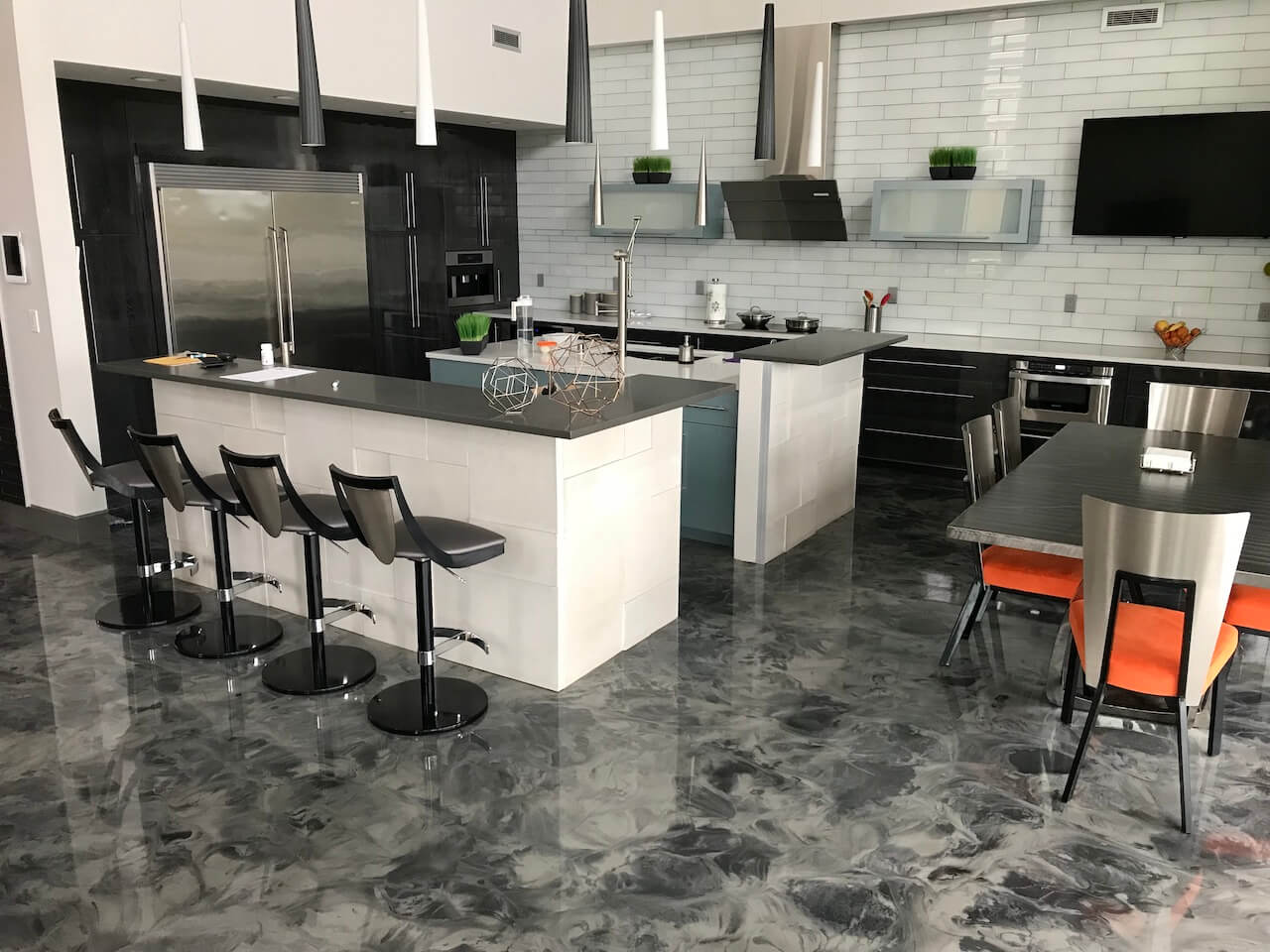
Properly applied epoxy can be slippery when wet, though texture additives improve traction significantly. I added fine aggregate to my final coat for better grip during spills. The smooth surface requires immediate cleanup of liquids to prevent slipping hazards. Non-slip additives are available for high-concern areas. With proper precautions and quick spill cleanup, safety risks are manageable. The benefits of easy cleaning and durability outweigh slip concerns for most homeowners.
How does epoxy flooring affect kitchen acoustics and noise levels?
Epoxy creates a harder surface than carpet or cork, potentially increasing noise levels from footsteps and dropped items. However, the sound isn’t as harsh as ceramic tile or concrete. My kitchen acoustics changed moderately, with slightly more echo than previous vinyl flooring. Area rugs and soft furnishings help absorb sound if noise becomes problematic. The acoustic change is noticeable but not dramatically disruptive to daily kitchen activities or conversation.
What are the main disadvantages of epoxy flooring in kitchens?
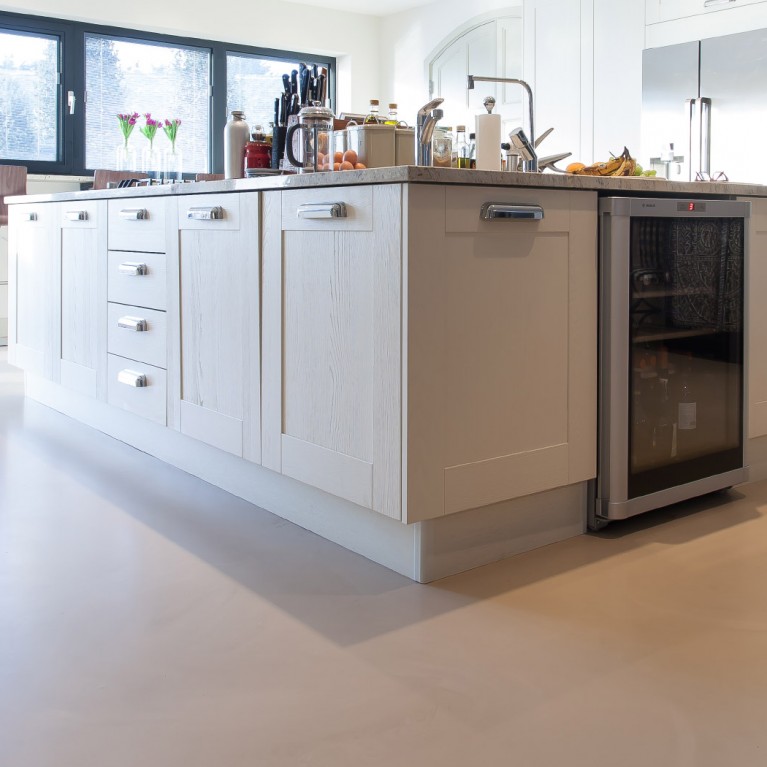
The primary disadvantages include potential slipperiness when wet, limited repair options for damage, and the bold aesthetic that may not appeal to all buyers. Installation requires specific environmental conditions and professional expertise for the best results. The hard surface provides less comfort than softer materials during extended standing. Color and pattern options are limited compared to tile or hardwood. These limitations are manageable with proper planning and realistic expectations about performance characteristics.
How environmentally friendly is epoxy flooring compared to other kitchen options?
Epoxy flooring has mixed environmental impacts compared to traditional materials. The long lifespan reduces replacement frequency, minimizing resource consumption over time. However, epoxy production involves petroleum-based chemicals and volatile organic compounds during application. The durability and low maintenance requirements offset some environmental concerns. Disposal at end-of-life requires proper handling due to chemical content. For environmentally conscious homeowners, epoxy’s longevity and performance may justify the initial environmental cost through reduced replacement needs.

Refinish Your Kitchen Flooring with High Gloss, Durable Epoxy

Residential Epoxy Flooring New York NYC Epoxy Flooring
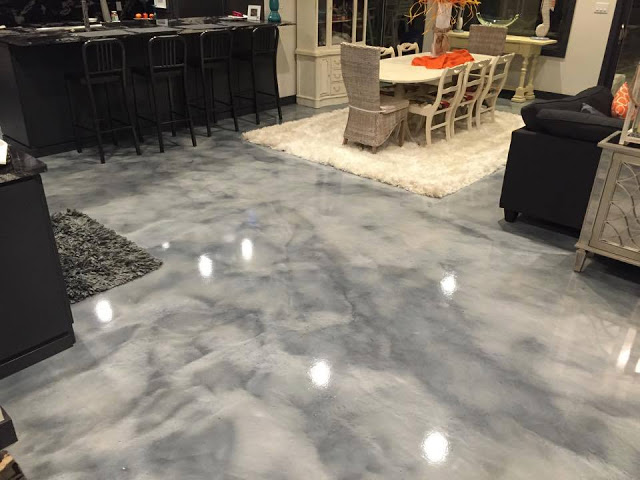
Epoxy Resin flooring for homes – Epoxy resin kitchen floor, resin

Epoxy Flooring Ideas With Pros And Cons
Is Epoxy Flooring Safe For My Home? Epoxy Colorado
Related Posts: