Two years ago, I transformed my dingy, oil-stained garage into a space I enjoy spending time in, and it all started with the right floor paint choice. What began as a simple weekend project to cover unsightly concrete became an exploration of colors, textures, and finishes that completely changed how I use my garage. From bold geometric patterns to subtle solid colors, I’ve experimented with various approaches and learned valuable lessons about what works and what doesn’t in real garage conditions.
Choosing the Right Paint System for My Garage
My first decision involved selecting between basic concrete paint and specialized garage floor coatings. After researching extensively, I chose epoxy-based paint for its superior durability and chemical resistance. Standard latex paint simply can’t handle automotive fluids, tire marks, and heavy foot traffic that garages endure daily. The investment in quality paint systems pays dividends through longevity and performance, especially when dealing with oil changes and maintenance projects.
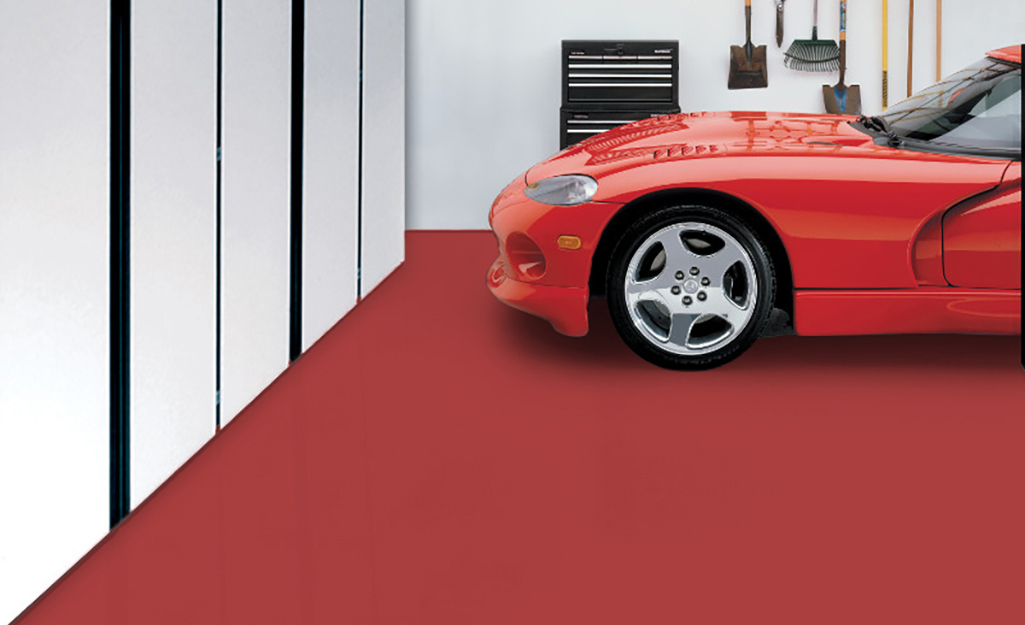
Color selection proved more complex than expected. I initially wanted bright white to maximize lighting, but quickly learned that light colors show every tire mark and dust particle. Medium gray became my compromise, hiding dirt while still brightening the space significantly. Bold colors like red or blue looked amazing in showrooms, but felt overwhelming in my actual garage space. The key is finding colors that complement your garage’s size and intended use.
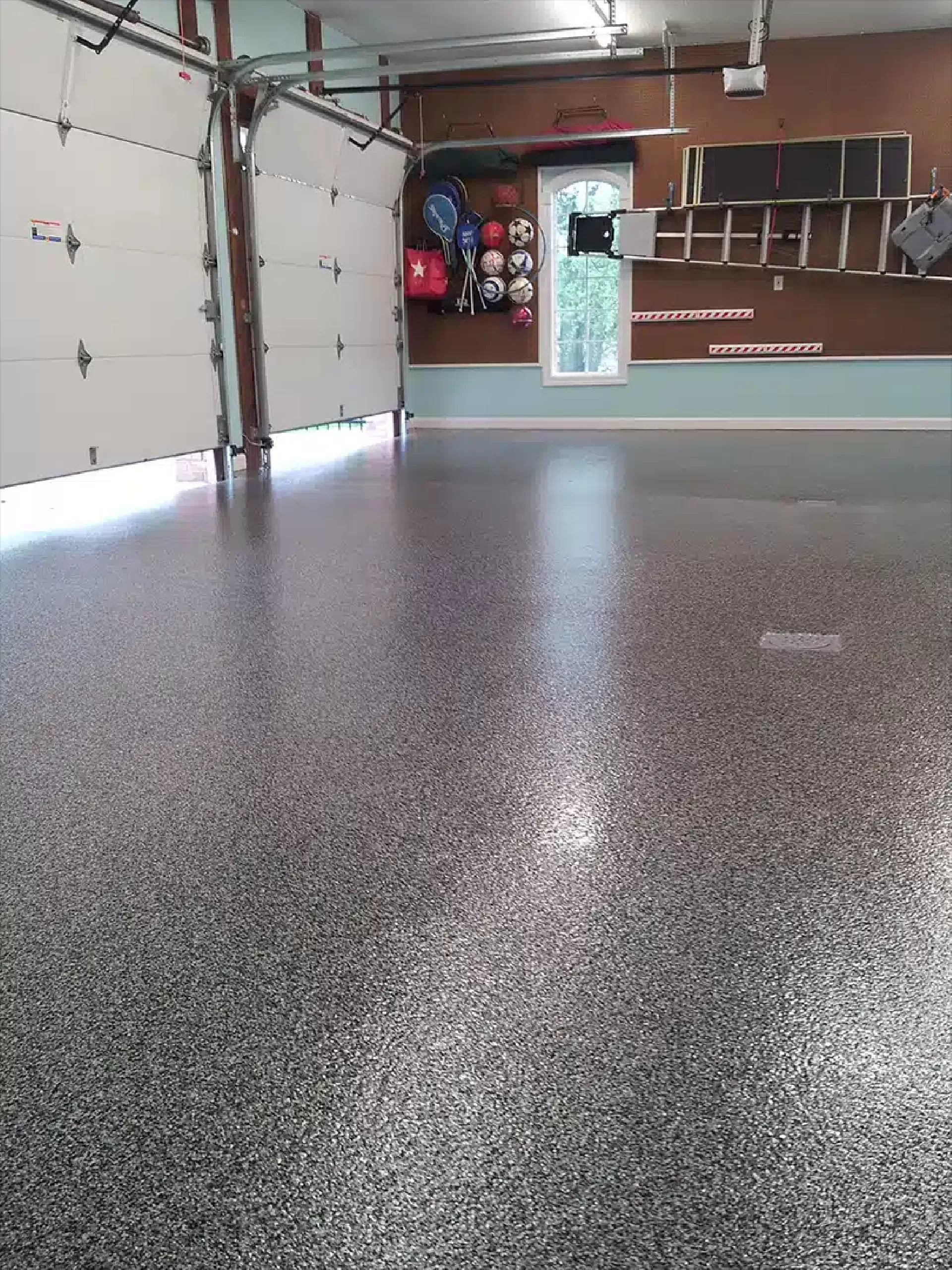
Texture considerations influenced my final choice dramatically. Smooth finishes look sleek but become slippery when wet, creating safety hazards. I opted for a slight texture additive that provides grip without being difficult to clean. Anti-slip additives come in various grades, from barely noticeable to heavily textured. The middle ground offers good traction while maintaining a professional appearance that makes the garage feel more finished and intentional.
Creative Color Combinations and Patterns
My second garage project featured a two-tone color scheme that transformed the space dramatically. I used light gray as the base color with darker gray borders around the perimeter, creating definition and visual interest. This approach makes the space feel larger while providing practical benefits, and darker edges hide more dirt and wear. The color combination gives my garage a custom, intentional look that visitors consistently comment on positively.
Geometric patterns became my next obsession after seeing checkerboard designs online. I created a diamond pattern using blue and gray alternating squares, turning my garage floor into a focal point rather than an afterthought. The pattern required careful planning and masking, but the results exceeded my expectations. Bold patterns work especially well in larger garages where they won’t feel overwhelming or busy to the eye.
Stenciling offered another creative outlet for garage floor decoration. I added racing stripes down the center lane where I park my car, creating a professional garage atmosphere. Letter stencils allowed me to mark specific areas for different vehicles or storage zones. These details elevate the entire space, making it feel more organized and purposeful. Small touches like these demonstrate attention to detail that makes the garage feel like an extension of the home.

Surface Preparation and Application Techniques
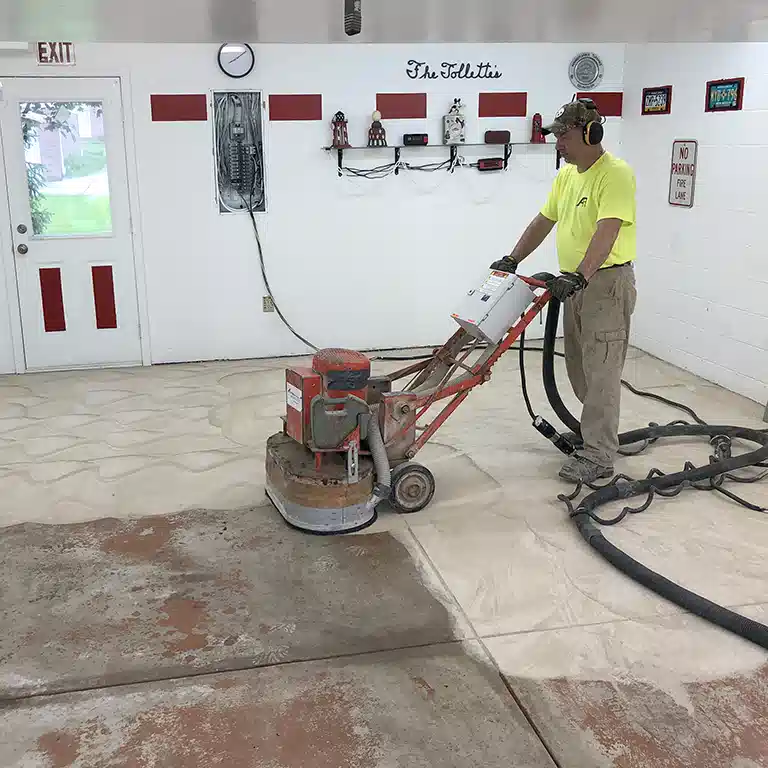
Proper surface preparation determines paint adhesion and longevity more than any other factor. I spent an entire weekend cleaning, degreasing, and etching my concrete floor before applying any paint. Oil stains required special treatment with concrete cleaners and multiple scrubbing sessions. The concrete etching process creates a microscopic texture that helps paint bond properly, preventing peeling and wear problems later.
Temperature and humidity control became crucial during application. I learned this lesson the hard way when my first attempt bubbled due to high humidity and rapid temperature changes. Garage conditions fluctuate dramatically, so I monitored weather patterns carefully before starting subsequent projects. Proper ventilation helps paint cure correctly while preventing strong fumes from overwhelming the enclosed space.
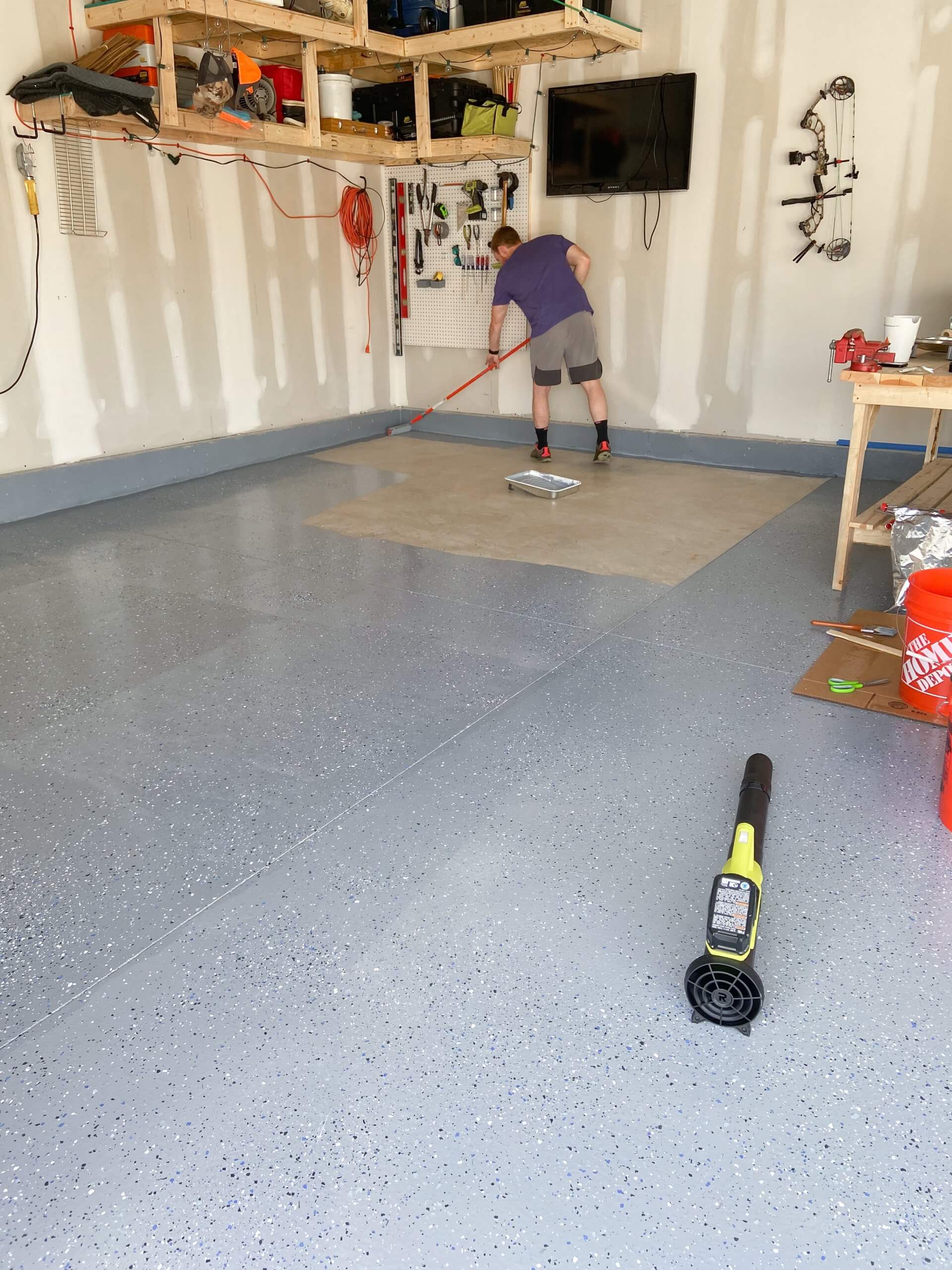
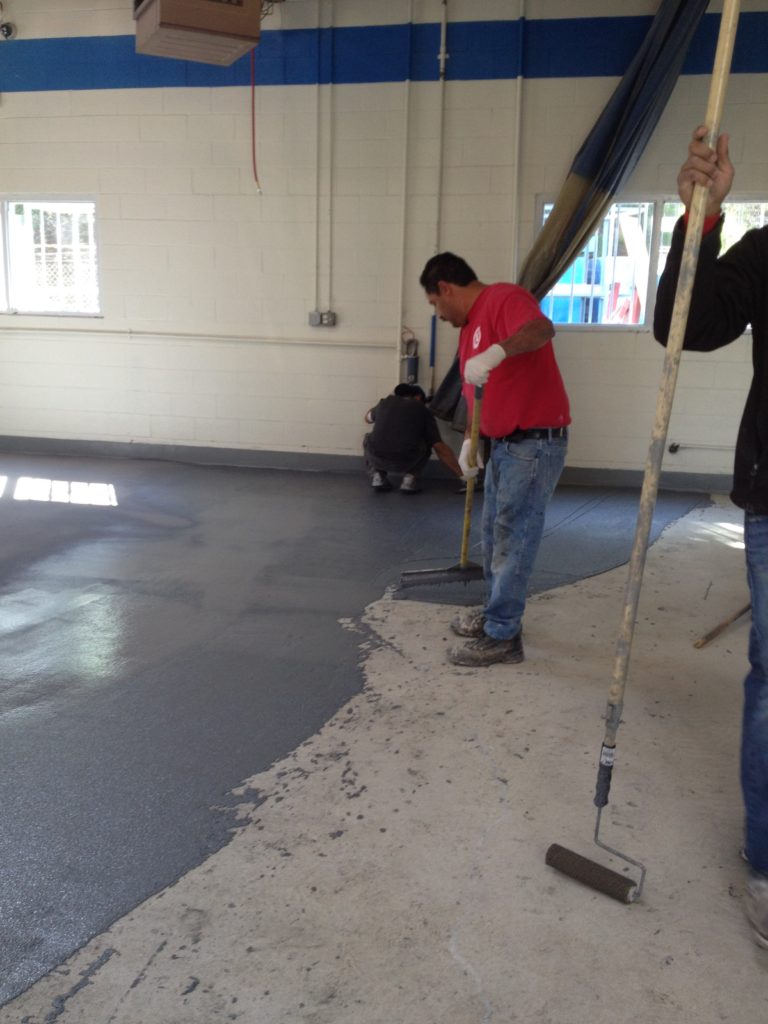
Application technique significantly affects the final appearance and durability. I used high-quality rollers designed for concrete surfaces, applying paint in thin, even coats rather than trying to achieve full coverage in one pass. The cross-rolling technique ensures complete coverage without streaks or missed spots. Multiple thin coats outperform single thick applications, providing better adhesion and a more uniform appearance throughout the entire surface.
Durability Testing Through Real-World Use
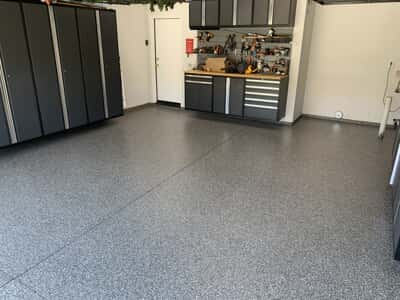
After two years of normal garage use, my painted floors show impressive durability despite constant vehicle traffic and various projects. The epoxy-based paint resists hot tire pickup, a common problem with cheaper alternatives. Oil drips and automotive fluids clean up easily without staining or damaging the surface. Heavy tool drops haven’t caused chips or significant damage, proving that quality paint systems can handle real garage conditions effectively.
Seasonal temperature changes test floor coatings severely in unheated garages. My floors have survived multiple freeze-thaw cycles without cracking or peeling, maintaining their appearance and integrity. Snow and ice tracked in by vehicles create challenging conditions, but the paint surface handles moisture exposure well. Proper surface preparation and quality materials prove their worth during these extreme conditions.
Maintenance requirements remain minimal after the initial investment in quality materials and proper application. Weekly sweeping and occasional mopping keep the floors looking fresh and clean. Annual deep cleaning with pressure washing removes accumulated grime and restores the original appearance. The painted surface makes garage maintenance easier compared to bare concrete, which absorbs stains and holds dirt permanently.
Cost Analysis and Budget-Friendly Options
My garage floor painting projects ranged from $150 for basic single-color coverage to $800 for elaborate multi-color patterns with premium materials. The cost varies dramatically based on paint quality, surface area, and design complexity. DIY installation saves significant money compared to professional services, but requires time and effort investment. Budget-conscious homeowners can achieve excellent results with careful planning and quality materials.
Premium paint systems cost more initially but provide better value through improved durability and appearance. I compared cheap concrete paint with specialized garage floor coatings and found the performance difference justified the higher price. Quality paints resist wear, chemicals, and environmental challenges much better than basic alternatives. The cost per square foot becomes reasonable when considering the expected lifespan and performance benefits.
Money-saving strategies include buying paint during sales seasons and purchasing larger quantities for better per-unit pricing. I stock up on paint during spring sales for future touch-ups and additional projects. Borrowing or renting specialized tools like pressure washers reduces project costs significantly. Planning multiple projects simultaneously spreads fixed costs across larger areas, improving overall cost efficiency while maintaining quality standards.

Maintenance and Long-Term Care
Daily maintenance involves simple sweeping to remove debris and automotive fluids before they can cause staining or damage. I keep a push broom and basic cleaning supplies in the garage for quick cleanups. Immediate attention to spills prevents permanent staining and maintains the floor’s appearance. This proactive approach takes minimal effort but significantly extends the paint’s lifespan and keeps the garage looking professional.
Seasonal maintenance includes thorough cleaning and inspection for any damage or wear patterns. Spring cleaning removes winter salt and grime that can damage paint over time. I check for any chips or worn areas that need touch-up attention before they become larger problems. Annual maintenance takes only a few hours but prevents costly repairs and keeps the garage looking its best year-round.
Long-term care planning includes keeping extra paint for touch-ups and future projects. I maintain detailed records of paint colors and brands used for easy reordering. Touch-up work becomes necessary every few years in high-traffic areas, but proper initial application minimizes these requirements. Planning ahead for maintenance needs ensures the garage floors continue looking great for many years without major renovation expenses.
How long does garage floor paint typically last under normal use conditions?
Quality garage floor paint lasts 3-5 years under normal residential use, depending on traffic patterns and maintenance. My experience shows that premium epoxy-based systems outperform basic concrete paints significantly. High-traffic areas may need touch-ups sooner, while storage areas maintain their appearance longer. Proper surface preparation and application technique extend lifespan dramatically. Regular maintenance and prompt attention to damage prevent minor issues from becoming major problems requiring complete repainting.
Can I paint over existing paint or do I need to remove it first?
Existing paint condition determines whether removal is necessary before repainting. Well-adhered paint can often be painted over after proper cleaning and light sanding for adhesion. However, peeling, bubbling, or poorly bonded paint must be removed completely for new paint to adhere properly. I’ve successfully painted over sound existing coatings multiple times. Testing adhesion in small areas helps determine the best approach for your specific situation and existing paint condition.
What’s the best way to handle oil stains before painting my garage floor?
Oil stains require aggressive treatment before painting to ensure proper adhesion and prevent bleed-through. I use concrete degreasers and scrub thoroughly with stiff brushes, sometimes requiring multiple treatments. TSP (trisodium phosphate) works well for stubborn stains. Complete removal isn’t always possible, but reducing stain intensity prevents paint problems. A primer designed for stain blocking helps prevent oil from bleeding through new paint. Fresh stains are easier to remove than old ones.
How do I choose colors that won’t show dirt and tire marks easily?
Medium to dark colors hide dirt and tire marks better than light colors, though they may show dust more readily. I found that medium gray provides the best balance, hiding most dirt while maintaining a clean appearance. Avoid pure white or very light colors in garages unless you enjoy frequent cleaning. Earth tones like tan or brown work well for concealing dirt. Consider your garage’s lighting when selecting colors, as poor lighting makes dark colors appear too dim.
Is it worth investing in expensive garage floor paint systems?
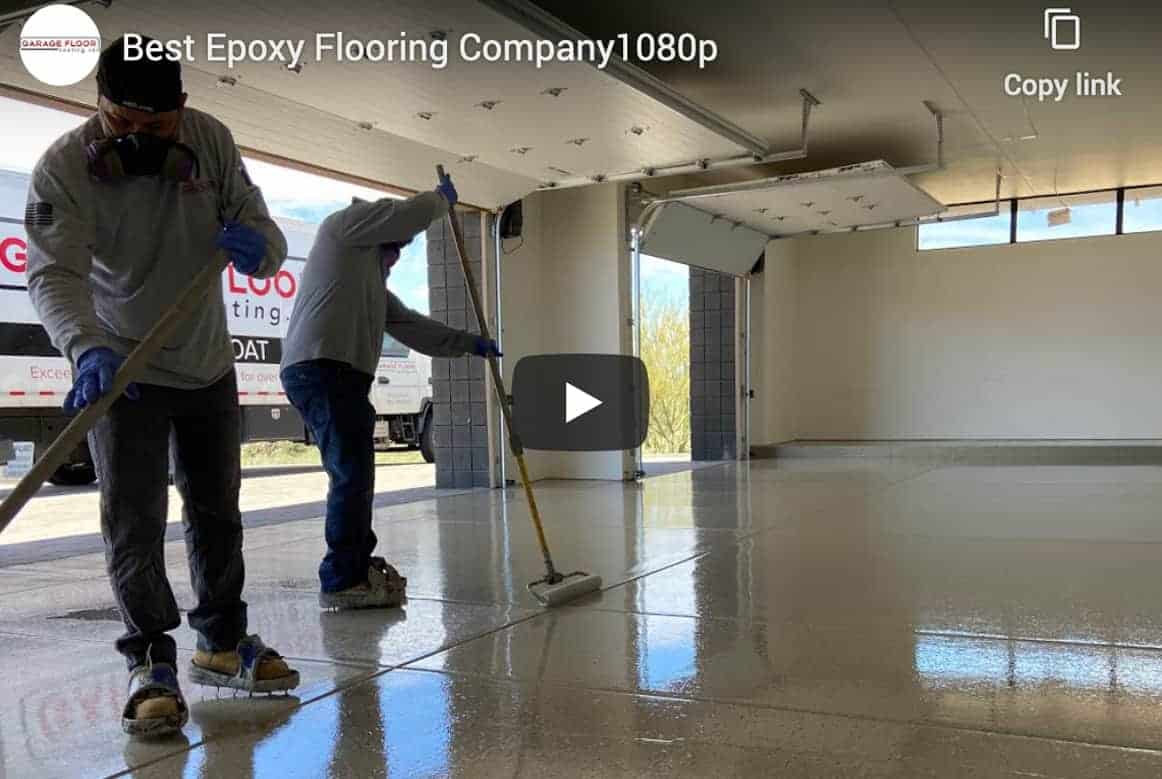
Premium garage floor paints justify their cost through superior durability, chemical resistance, and appearance. My comparison testing showed dramatic performance differences between cheap and expensive options. Quality paints resist hot tire pickup, chemical damage, and wear patterns that destroy cheaper alternatives quickly. The cost per year becomes reasonable when considering replacement frequency. For garages receiving heavy use, premium systems are worth the investment for long-term satisfaction and performance.
Can I apply garage floor paint in cold weather or during winter months?
Temperature and humidity conditions critically affect paint application and curing. Most paints require temperatures above 50°F for proper application and curing. Cold weather slows curing and can cause adhesion problems. I schedule painting projects during stable weather periods with appropriate temperatures. Heating the garage temporarily can create suitable conditions, but ventilation becomes more challenging. Planning projects during spring or fall typically provides optimal conditions for successful paint application and curing.

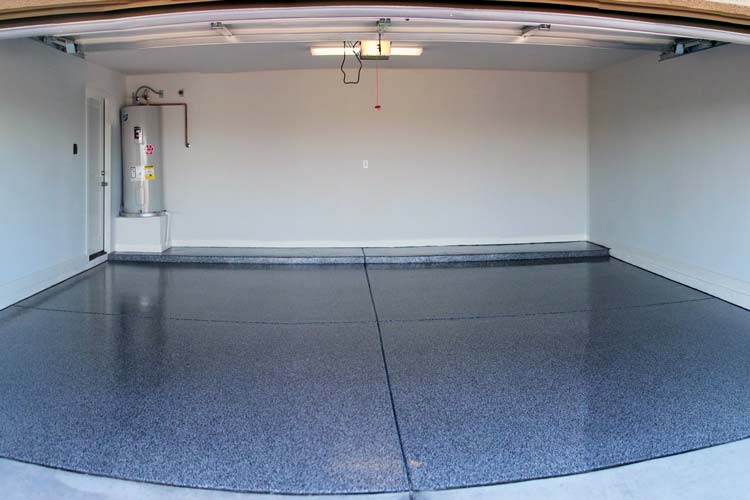
Garage Floor Paint Epoxy Garage Floor Coatings
Armourflo Flooring Specialists ArmourFlo Flooring

Waterborne Epoxy Garage Floor Coating
Epoxy Flooring Extreme Industrial Coatings
Related Posts: