When I first considered cork flooring for my kitchen renovation three years ago, I had no idea how transformative this decision would be. The natural warmth underfoot, the sound absorption that made my morning coffee routine so much quieter, and the surprising durability have made this choice one of my best home improvements. Through trial, error, and extensive research, I’ve gathered insights that go far beyond what typical guides offer.
Why I Chose Cork Over Traditional Kitchen Flooring
My previous ceramic tile kitchen felt cold and unforgiving, especially during those early morning coffee preparations. Standing for extended cooking sessions left my feet and back aching. Cork changed everything, providing natural cushioning that makes lengthy meal prep sessions comfortable. The antimicrobial properties reduce concerns about bacterial growth in food preparation areas. Temperature regulation keeps my kitchen comfortable year-round, eliminating the need for additional heating costs.
Cork’s sustainability factor sealed my decision. Harvested from tree bark without harming the tree, it regenerates every nine years. This renewable resource aligned perfectly with my environmental values. Unlike hardwood, which requires cutting down entire trees, cork production benefits forest ecosystems. The manufacturing process uses minimal chemicals compared to synthetic alternatives, creating healthier indoor air quality for my family’s daily cooking activities.
The acoustic benefits surprised me most. My open-concept kitchen previously echoed with every dropped utensil or running appliance. Cork absorbs sound naturally, creating a peaceful cooking environment. Conversations flow more easily without competing against kitchen noise. Even my morning routine feels more serene, with softer footsteps and reduced appliance sounds. This unexpected bonus has enhanced my entire home’s atmosphere significantly.
Installation Process and What I Learned
I initially planned to install cork flooring myself, thinking it would be similar to laminate. However, cork requires specific techniques and tools I didn’t possess. Professional installation ensured proper moisture barriers and adhesive application. The subfloor preparation took longer than expected, requiring perfect leveling for optimal performance. Moisture testing revealed issues that needed addressing before installation could begin properly.
The acclimation period proved crucial. Cork planks sat in my kitchen for 48 hours, adjusting to temperature and humidity conditions. This step prevents expansion and contraction issues later. My installer emphasized this timing, explaining how rushing this process causes gaps and buckling. The investment in proper preparation saved me from potential problems. Professional expertise made the difference between success and costly mistakes.
Installation took three days, including subfloor prep and finishing work. Watching the transformation happen gradually built my excitement. Each plank locked into place with satisfying precision. The final protective coating application required ventilation and careful timing. By day three, my kitchen looked completely transformed. The professional finish quality exceeded my expectations, justifying the installation investment through superior results and long-term performance.
Daily Maintenance and Care Tips
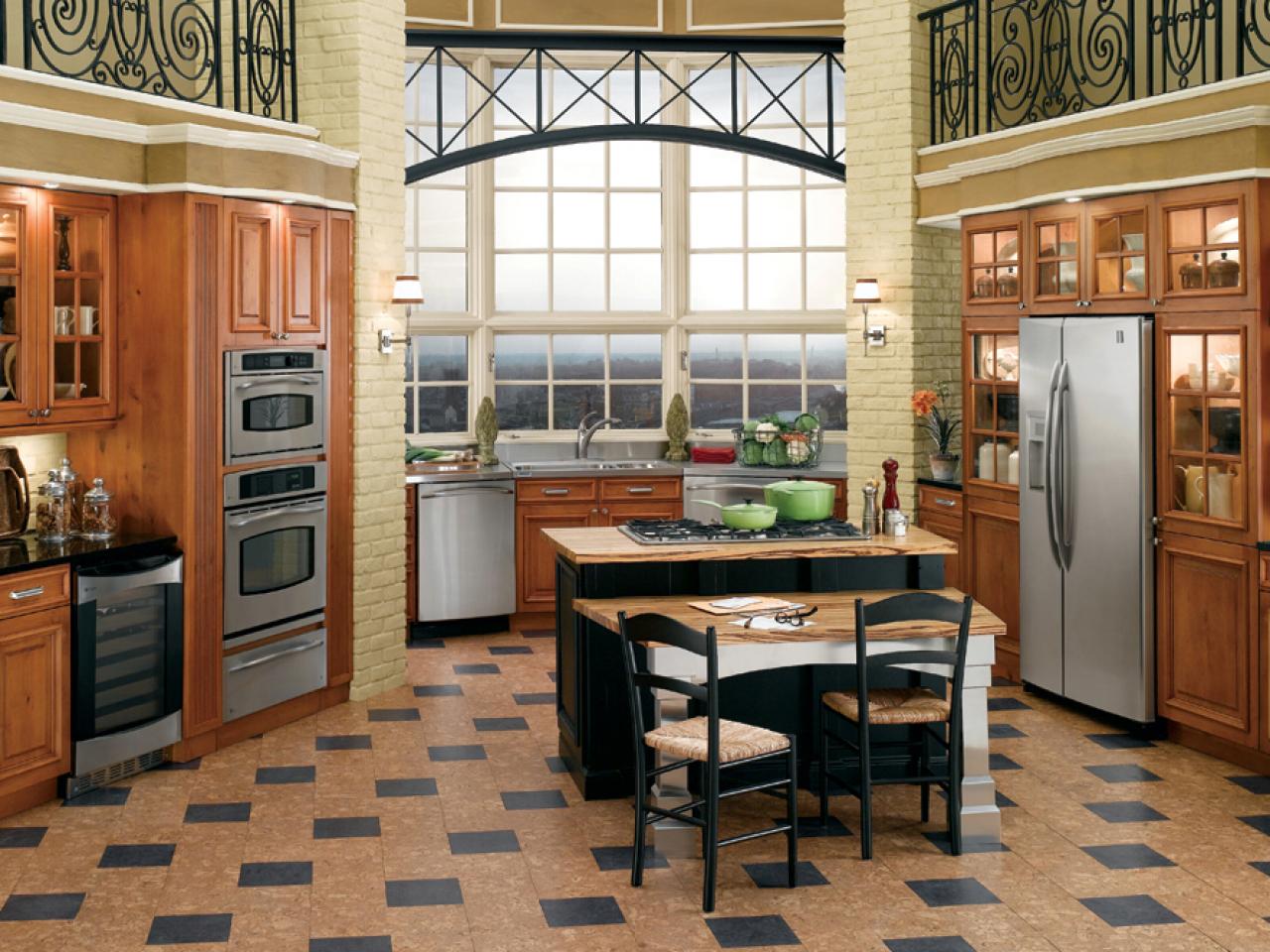
Cork flooring maintenance differs significantly from other kitchen surfaces. I sweep daily using a soft-bristle broom to remove food particles and debris. Weekly mopping with pH-neutral cleaners keeps the surface pristine without damaging the protective finish. Harsh chemicals and excessive water can compromise the cork’s integrity. I learned this lesson early when using too much cleaner caused temporary dulling that required professional restoration.
Spill cleanup requires immediate attention. While cork handles moisture reasonably well, standing water penetrates joints and causes damage. I keep microfiber cloths handy for quick cleanup. Oil-based spills need gentle dish soap treatment. The key is acting quickly and using appropriate cleaning products. My routine includes wiping spills immediately and conducting thorough evening cleanups to maintain optimal appearance and performance.
Protective measures extend the cork’s lifespan significantly. Chair pads prevent scratches from furniture movement. Entrance mats reduce tracked dirt and moisture. I reapply protective coating annually, maintaining water resistance and surface durability. This proactive approach keeps my cork flooring looking new after three years. Regular maintenance feels effortless now, integrated seamlessly into my daily kitchen routine. The investment in proper care pays dividends in appearance and longevity.
Performance in High-Traffic Kitchen Areas
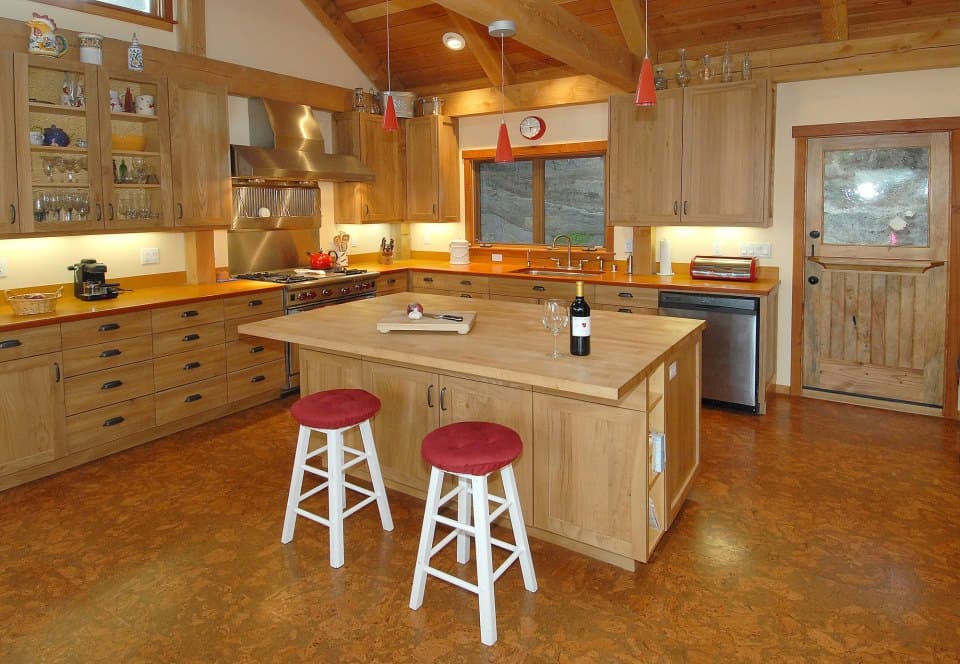
My kitchen sees constant activity from family cooking, entertaining, and daily meal preparation. Cork handles this traffic remarkably well, showing minimal wear patterns after three years. The natural resilience bounces back from foot traffic and dropped items. Heavy appliances left temporary impressions that disappeared within hours. This recovery ability impressed me, especially compared to softer flooring materials that show permanent damage from similar impacts.
Stain resistance exceeded my expectations. Red wine spills, coffee drops, and cooking oil accidents wipe clean easily when addressed promptly. The protective finish creates an effective barrier against most kitchen mishaps. However, acidic substances like lemon juice require immediate cleanup to prevent etching. I’ve learned to work more carefully with citrus ingredients, keeping cleanup materials within easy reach during food preparation.
Temperature fluctuations from cooking appliances don’t affect cork’s stability. The area near my oven experiences significant heat changes, yet the flooring remains stable without gaps or warping. Humidity from dishwasher steam and stovetop cooking stays within acceptable ranges. Cork’s natural properties handle these kitchen conditions better than many traditional materials. This stability provides peace of mind during intense cooking sessions and seasonal climate changes.

Cost Analysis and Long-Term Value
Cork flooring costs more upfront than basic vinyl or laminate options. However, the longevity and performance justify this investment. My cost breakdown included materials, professional installation, and annual maintenance supplies. Compared to hardwood or natural stone alternatives, cork provided better value for kitchen applications. The comfort benefits alone offset the additional expense through reduced fatigue during cooking sessions.
Energy savings contribute to long-term value. Cork’s insulation properties reduce heating costs during the winter months. The comfortable surface temperature means less reliance on radiant heating systems. These savings accumulate over time, offsetting the initial investment. Additionally, cork’s durability means avoiding replacement costs for decades. When properly maintained, cork flooring lasts 20-30 years, making the cost per year quite reasonable.
Resale value considerations influenced my decision. Cork flooring appeals to environmentally conscious buyers and those seeking unique, comfortable surfaces. The distinctiveness sets my home apart in the market. Real estate agents confirm that quality cork installations attract buyer interest. While not as universally appealing as hardwood, cork’s niche appeal can command premium pricing. The investment protects and potentially enhances my home’s value.
Comparing Cork to Other Kitchen Flooring Options
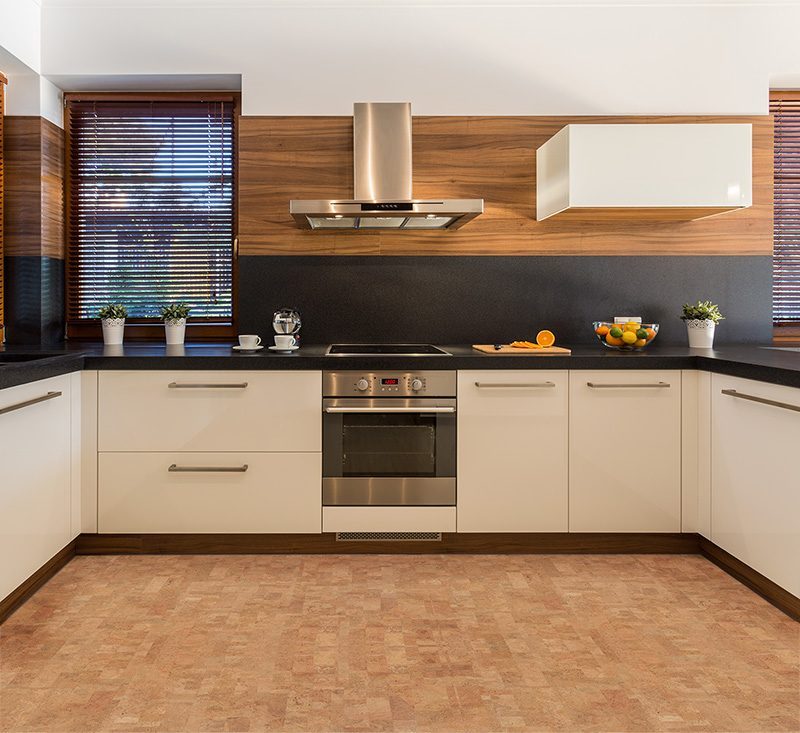
Before choosing cork, I extensively researched alternatives. Ceramic tile offered durability but felt cold and hard underfoot. Luxury vinyl provided water resistance but lacked natural appeal and comfort. Hardwood looked beautiful but required extensive maintenance and moisture protection. Cork combined the best aspects of each option while minimizing their drawbacks. This comprehensive comparison confirmed cork as the optimal choice for my needs.
Maintenance requirements vary significantly between flooring types. Ceramic grout needs regular sealing and deep cleaning. Hardwood requires refinishing and careful moisture management. Vinyl can show wear patterns and may need replacement sooner. Cork’s maintenance sits comfortably in the middle, requiring attention but not excessive effort. The natural antimicrobial properties reduce cleaning frequency compared to other materials that harbor bacteria.
Performance characteristics differ markedly. Cork provides superior comfort and sound absorption compared to hard surfaces. It offers better durability than soft materials like luxury vinyl. Water resistance falls between hardwood and ceramic tile, adequate for normal kitchen use with proper care. The unique combination of properties makes cork particularly suitable for kitchens where comfort, sound control, and moderate water resistance are priorities.
How long does cork flooring typically last in a kitchen environment?
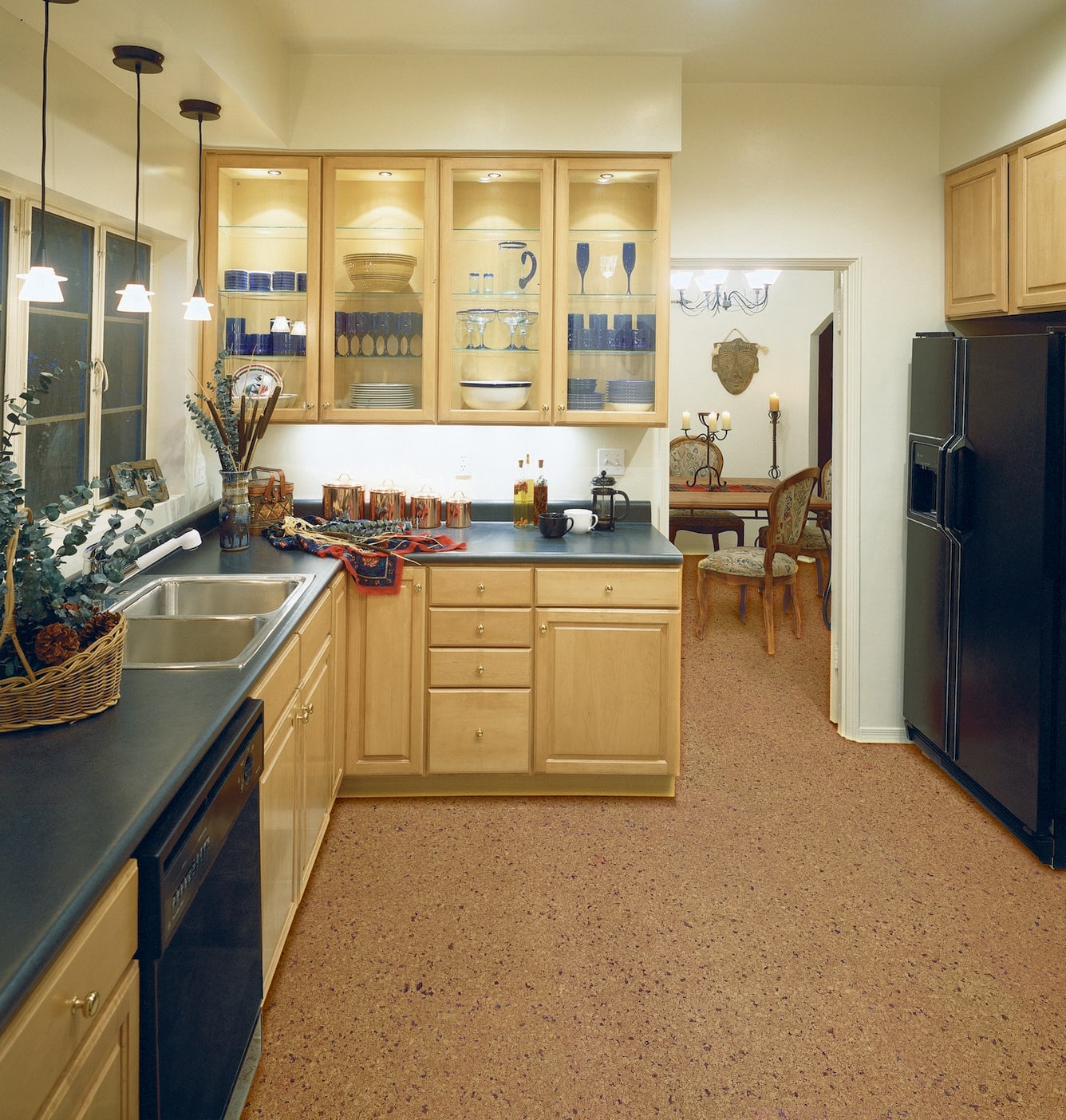
With proper installation and maintenance, cork flooring easily lasts 20-30 years in kitchen applications. My three-year experience shows minimal wear despite heavy daily use. The key factors are quality installation, immediate spill cleanup, and annual protective coating renewal. High-traffic areas may show slight wear patterns, but these add character rather than detract from appearance. Professional refinishing every 10-15 years can extend the lifespan even further, making cork a long-term investment.
Can cork flooring handle water spills and kitchen moisture effectively?
Cork handles normal kitchen moisture well when properly sealed and maintained. I’ve had numerous spills without damage, provided cleanup happens quickly. The protective finish creates an effective moisture barrier. However, standing water or prolonged exposure can cause problems. Steam from cooking and dishwasher operation stays within acceptable limits. The key is prompt attention to spills and maintaining the protective coating annually for optimal water resistance.
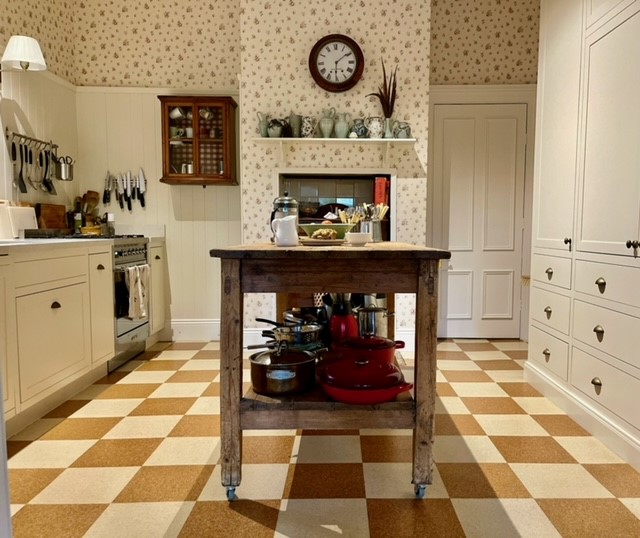
Is cork flooring slippery when wet, creating safety concerns?
Cork provides excellent traction even when slightly damp. The natural texture offers grip that prevents slipping during normal use. I’ve never experienced safety issues with wet cork surfaces. It feels more secure than smooth ceramic tile or polished hardwood when moisture is present. The slightly textured surface maintains traction while remaining comfortable underfoot. This safety aspect makes cork particularly suitable for kitchen environments where spills are common.
How does cork flooring affect kitchen acoustics and noise levels?
Cork dramatically reduces kitchen noise compared to hard surfaces like tile or hardwood. The natural sound absorption creates a quieter cooking environment. Dropped utensils, appliance operation, and footsteps all sound softer. This acoustic improvement enhances conversation and makes the kitchen more pleasant for extended use. The difference is particularly noticeable in open-concept homes where kitchen noise can affect adjacent living areas. Sound reduction was an unexpected benefit that significantly improved my home’s atmosphere.
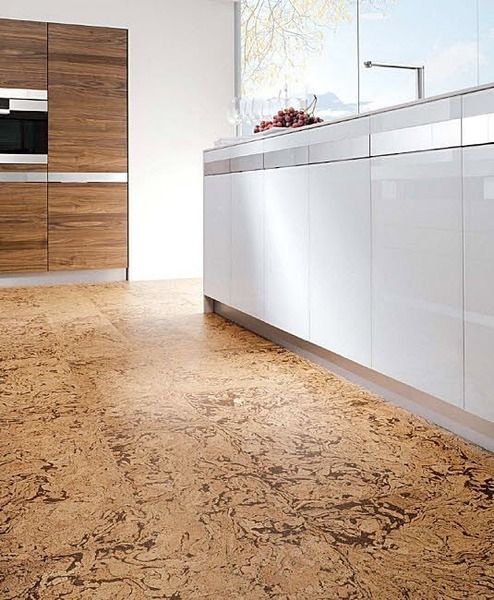
What are the main disadvantages of cork flooring in kitchens?
The primary disadvantages include higher upfront costs and specific maintenance requirements. Cork can show dents from heavy impacts, though these often recover over time. Fading may occur in areas with direct sunlight exposure. Refinishing requires professional expertise and temporary kitchen disruption. Some people dislike the natural texture and appearance. Additionally, finding repair materials can be challenging if discontinued patterns need replacement. These limitations are manageable with proper planning and realistic expectations.
How environmentally friendly is cork flooring compared to other options?
Cork flooring ranks among the most sustainable kitchen flooring choices available. The harvest process doesn’t harm trees, allowing continued growth and carbon absorption. Manufacturing requires minimal chemicals and energy compared to synthetic alternatives. Cork’s biodegradability means end-of-life disposal doesn’t create environmental problems. The longevity reduces replacement frequency, minimizing resource consumption over time. For environmentally conscious homeowners, cork’s sustainability credentials are compelling, offering guilt-free comfort and performance in kitchen applications.
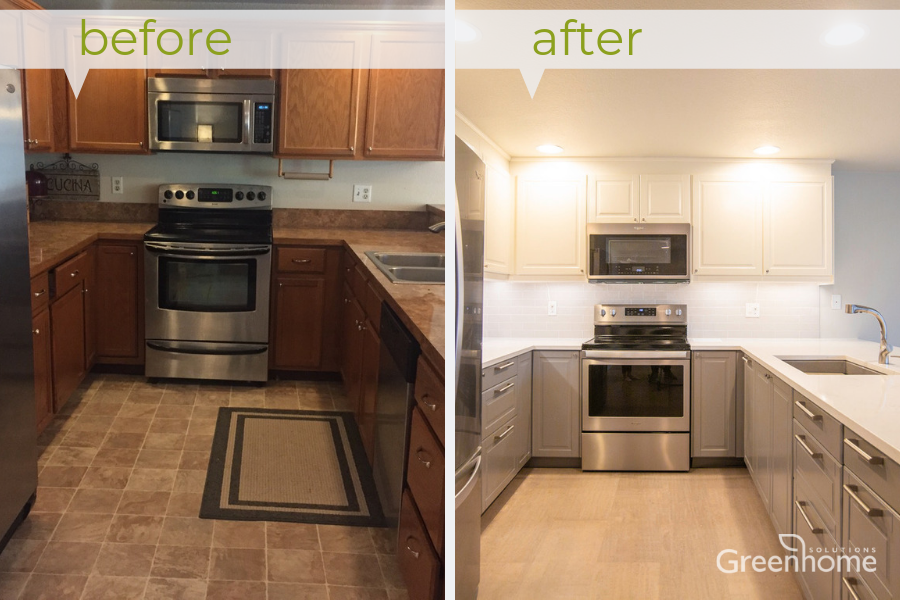
Logan – 1/4 Inch (6mm) – Cork Tile Glue Down (Floor And Wall
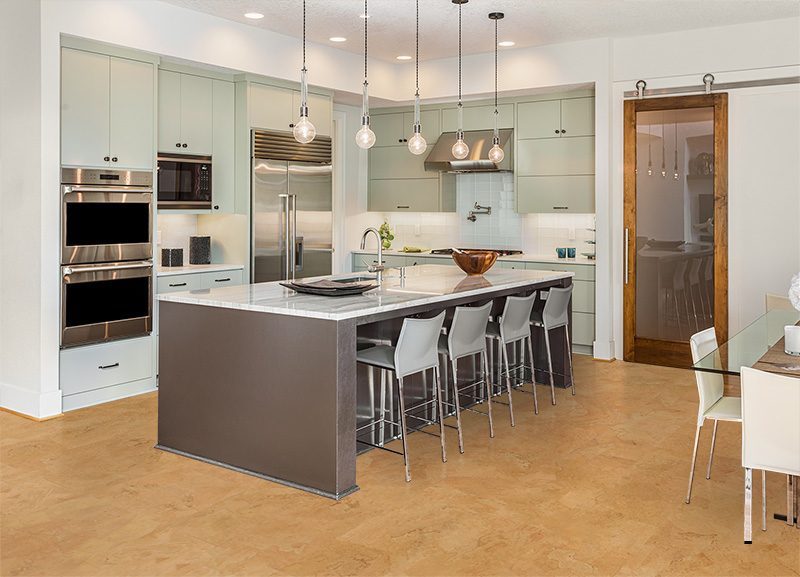
Cork Kitchen Floors
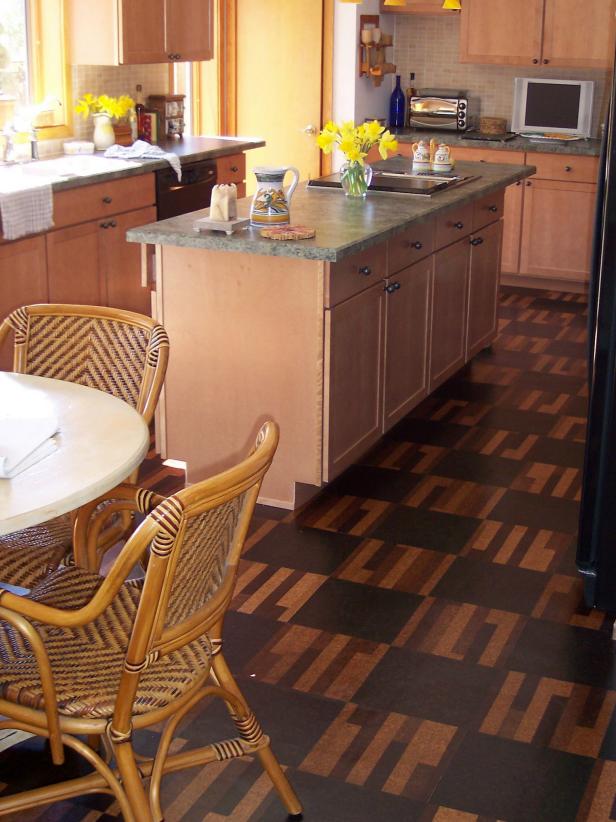
Cork Flooring For Kitchen
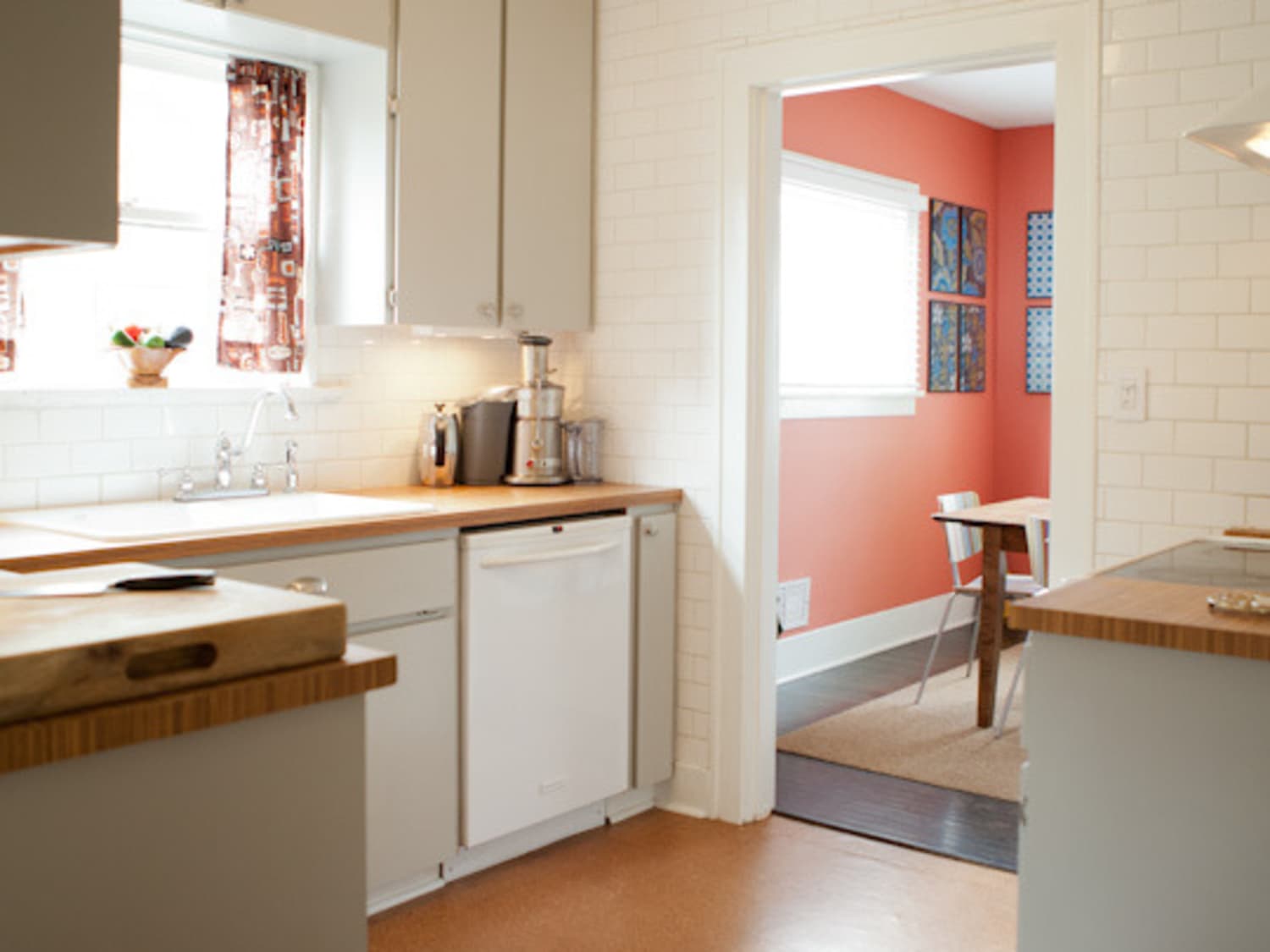
Completing Our Kitchen Cork Floor Installation
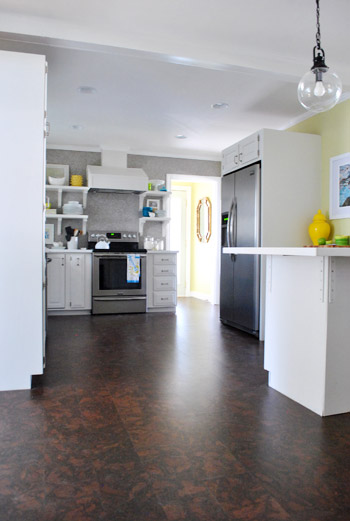
Best Cork flooring kitchen ideas cork flooring, cork flooring

Kitchen Floors – How I Decided to Use Cork Tiles
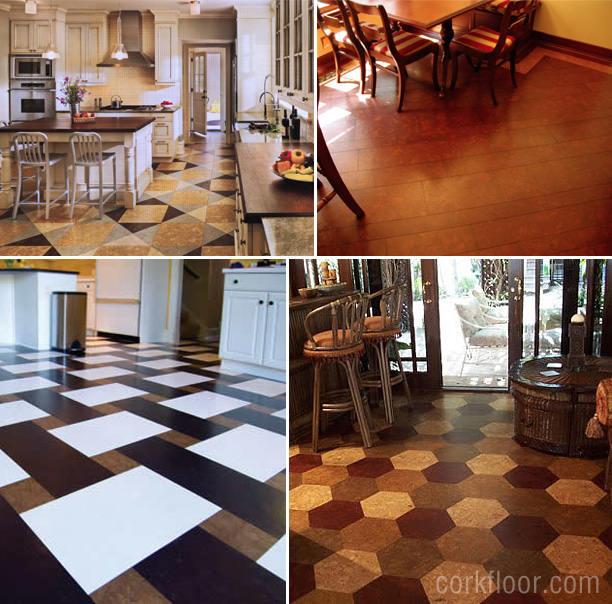
Related Posts: