A well-designed garage floor enhances utility, durability, and aesthetics while preventing stains, cracks, and wear. Whether you use your garage for parking, storage, or a workshop, the correct flooring may make a big difference. From epoxy coatings to interlocking tiles, there are several solutions to meet a variety of needs and budgets. This tutorial looks at six functional and stylish garage flooring options to help you choose the best one for your needs.
Epoxy Coatings for High Performance Finishes
Epoxy coatings are among the most popular garage flooring options due to their durability and elegant appearance. This resin-based solution adheres directly to concrete, forming a durable, smooth surface that is resistant to chemicals, oil stains, and high impact. Epoxy is available in a variety of colors and finishes, including metallic and flake designs for added depth and texture. Professional application ensures longevity, but DIY kits are also available for individuals who are familiar with the technique.
One of the most significant advantages of epoxy is its ability to be customized. You can add anti-slip chemicals for safety or UV-resistant topcoats to avoid fading in sun-exposed garages. The shiny coating reflects light, making the garage appear cleaner and more polished. While epoxy is extremely durable, adequate surface preparation—such as cleaning, etching, and crack repair—is required for the best adherence and performance.
Maintenance is simple: cleaning and periodic mopping keep the floor looking new. However, epoxy can be slippery while wet, so using a textured finish enhances traction. Although it is resistant to most stains, strong chemicals such as brake fluid can damage the surface if not removed soon. With regular maintenance, an epoxy-coated garage floor can last 10-20 years, making it a smart investment for homeowners looking for a long-term solution.
Interlocking Tiles for Convenient Installation
Interlocking garage floor tiles are a versatile and convenient alternative to permanent coverings. These tiles are made of high-density polyethylene (HDPE), polypropylene, or PVC and snap together without adhesives to form a floating floor system. They’re great for do-it-yourselfers because installation requires no special tools—only a clean, level surface. Tiles come in a variety of colors, patterns, and textures, including designs that resemble granite, cobblestone, and industrial finishes.
One significant advantage of interlocking tiles is their modularity. Damaged parts can be changed individually, without having to repair the entire floor. They also have good impact resistance and cushioning, making them pleasant to stand on for extended durations. Some tiles have drainage holes or anti-slip surfaces, which improves functionality in workshop or vehicle wash facilities. Certain models feature adjustable pedestal systems to level out uneven garage floors.
Interlocking tiles are durable, however they may not be as chemically resistant as epoxy. Heavy loads or sharp instruments can also leave indentations over time. However, their ease of installation and personalization make them an excellent choice for renters or homeowners seeking a temporary yet durable flooring solution. They are also appropriate for basement gyms or play areas, expanding their utility beyond the garage.
Stained Concrete with an Industrial Look
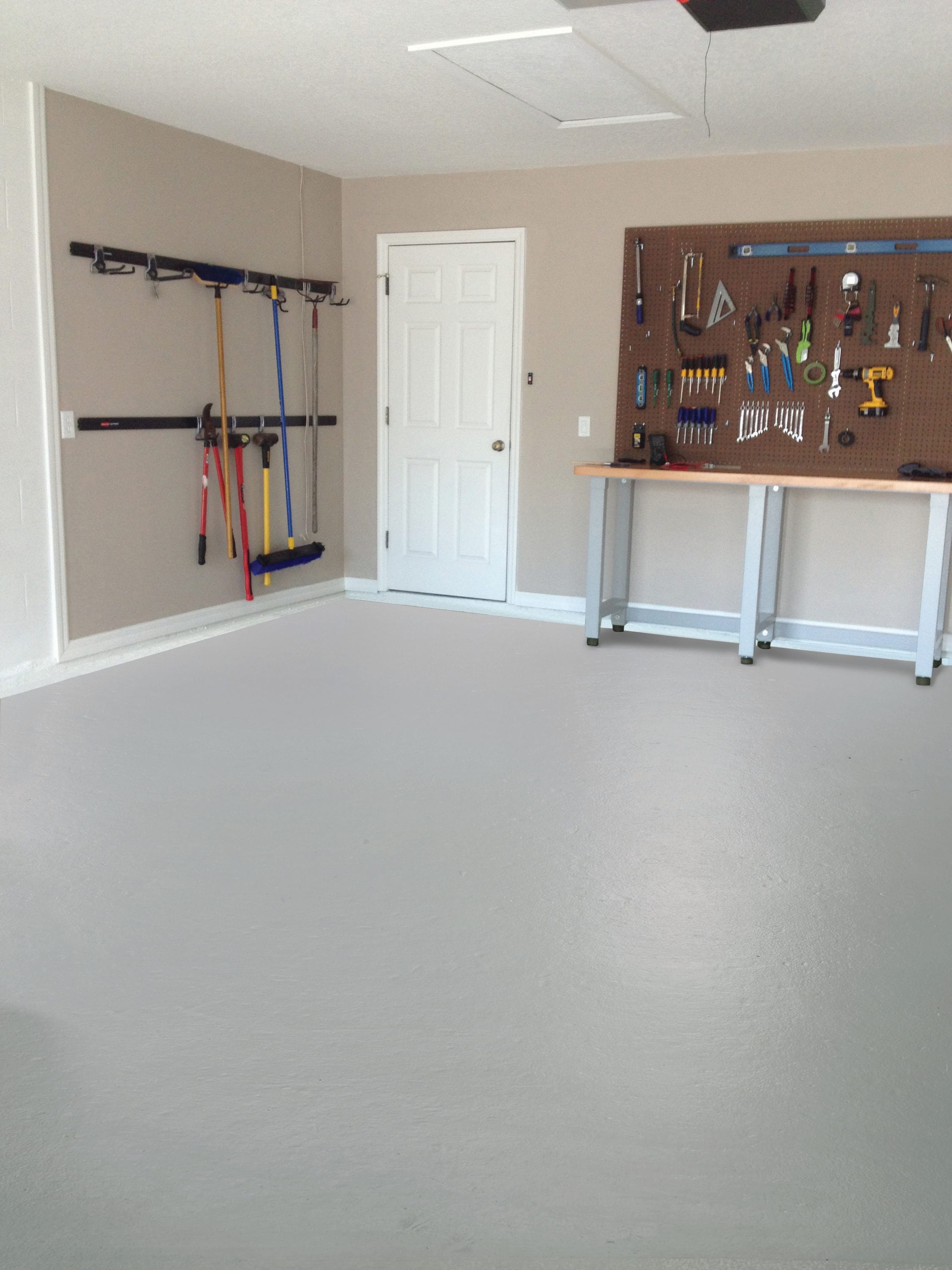
Stained concrete floors offer a fashionable, low-maintenance choice with an industrial or futuristic look. Acid-based stains penetrate the concrete, resulting in rich, varied hues that do not flake or chip like paint. Water-based stains provide more consistent colors and are easier to apply. Both solutions improve the natural texture of concrete while also offering enough protection to oil and chemical leaks.
Unlike coatings that sit on top of the surface, stained concrete integrates into the floor, ensuring long-lasting color. It’s a fantastic solution for garages with well-maintained concrete surfaces. A clear sealant is then applied to protect against moisture and stains while providing a slight gloss. To increase longevity, some homeowners combine staining with a light epoxy coating.
Maintenance is simple—regular sweeping and moist mopping are sufficient. However, tinted concrete can develop cracks over time, particularly in areas with freeze-thaw cycles. While it is more resistant to abrasion than paint, strong impacts may result in chipping. Despite these limitations, stained concrete remains a low-cost and visually appealing option for people who want an industrial or minimalist aesthetic.

Rubber flooring for comfort and safety
Rubber flooring is a great choice for garages that are utilized as gyms, workshops, or play spaces because of its shock absorption and slip resistance. Rubber, which comes in rolls or interlocking tiles, provides a cushioned surface that helps to minimize fatigue during lengthy work hours. It’s especially effective in home gyms, as it protects both the equipment and the flooring from severe loads. Rubber also reduces noise, making it excellent for multi-purpose environments.
Rubber flooring has the advantage of being resistant to oils and chemicals, while long-term use can deteriorate some varieties. Rolls create a continuous appearance, whereas interlocking tiles enable for simple replacement of broken areas. Some rubber flooring alternatives feature drainage channels or textured surfaces to improve grip. Thicker tiles (½ inch or more) provide better durability and insulation from cold concrete.
Cleaning rubber floors is simple: remove debris and apply a light detergent to spots. However, rubber can discolor in direct sunlight and retain odors if not properly managed. Heavy-duty rubber mats can be used in high-traffic areas of garages that also serve as parking spaces, leaving the rest of the floor accessible for other usage.

Polyurea Coatings for Superior Durability
Polyurea is a high-performance garage floor coating noted for its flexibility and tolerance to harsh temperatures. Unlike epoxy, which can become brittle in cold weather, polyurea is resistant to temperature fluctuations. It cures quickly—often within a day—making it an ideal choice for those seeking immediate results. Polyurea is also very resistant to chemicals, abrasion, and UV radiation, preventing fading with time.
This coating is suitable for garages in tough environments or those that are exposed to salt, oils, and heavy equipment. It comes in a variety of finishes, ranging from high gloss to matte, with decorative flakes available for extra texture. The exact mixing and spraying technique necessitates professional installation. While polyurea is more expensive than epoxy, its durability and performance make it worthwhile for high-use garages.
The surface requires little maintenance, with only periodic cleaning and occasional mopping. Unlike epoxy, polyurea does not require a topcoat, which simplifies maintenance. Its flexibility makes it less likely to chip or break when stressed. For those looking for the most robust and long-lasting garage flooring, polyurea is an excellent alternative.

Vinyl Mats for Affordable Protection
Vinyl garage mats provide a cost-effective and temporary flooring solution. These big roll-out mats protect the entire floor or selected parts from stains, spills, and tire marks. They’re simple to install—just unroll and trim to fit—and can be removed or replaced as necessary. Vinyl mats are especially handy for renters or those seeking a non-permanent solution.
While not as durable as epoxy or tiles, vinyl mats are quite resistant to grease and chemicals. Some variants have raised patterns for better traction, while others have a smooth finish for easier cleaning. They are extremely lightweight, making them suitable for seasonal use or migration. However, heavy equipment or sharp items might penetrate the material, therefore, it is best suited for light to moderate use.
Sweeping and cleaning with soapy water are part of the maintenance process. Heavy-duty vinyl mats with reinforced edges are suitable for garages that also serve as parking spots. Though not a long-term solution, vinyl mats are a convenient and cost-effective option for quick floor protection.

What is the best durable garage flooring option?
Polyurea coatings are one of the most lasting options, with excellent resistance to chemicals, UV radiation, and temperature changes. Epoxy is another long-lasting choice, especially when properly applied with a high-quality finish. Interlocking tiles built of high-density materials are likewise quite durable, albeit not as smooth as coatings.
Can I lay the garage flooring myself?
Many garage flooring options are do-it-yourself friendly. Epoxy kits, interlocking tiles, and vinyl mats can be installed without professional assistance if the directions are strictly followed. Coatings, such as polyurea and tinted concrete, generally necessitate specific equipment and expertise for best results.

How can I prepare my garage floor for installation?
Clean the surface completely, repair any cracks, and etch the concrete (for coatings). Use a degreaser to remove oil stains from the floor and ensuring it is totally dry. Grind the surface of epoxy or polyurea to promote adherence. Skipping preliminary work can result in peeling or uneven application.
Which flooring is best for a garage gym?
Rubber flooring is perfect for gyms since it is shock absorbent and skid resistant. Interlocking rubber tiles offer cushioning for large loads, whereas rolls create a seamless appearance. Make sure the rubber is at least ½ inch thick to provide proper protection.

How should I maintain my garage floor?
Sweep regularly to eliminate dirt, and clear spills immediately to avoid stains. For coated floors, use moderate detergents rather than harsh chemicals that can erode the surface. Reapply sealant to pigmented concrete every few years, and inspect interlocking tiles for loose portions.
Is the garage floor slippery when wet?
Some coatings, like as glossy epoxy, can be slippery, however additions (such as anti-slip grit) increase traction. Textured tiles, rubber floors, and tinted concrete with a matte finish provide a greater grip. If your garage is frequently exposed to water, you should always consider slide resistance.
Best Images About Garage Floors Ideas u2013 Letu0027s Look at Your Options

Style Your Outdoors With Ceramic Tiles Business Product Services

Best outdoor floor tiles ideas outdoor flooring, tile floor

Garage Flooring Ideas For Men – Paint, Tiles And Epoxy Coatings
Related Posts: