Red pine hardwood flooring has a warm, rustic appearance that complements both classic and modern settings. This wood, distinguished by its reddish-brown tint and pronounced grain patterns, adds character and longevity to any environment. Red pine, while softer than certain hardwoods, is an affordable and visually appealing option for homeowners looking for a natural, inviting look. Below, we’ll look at six major elements of red pine flooring to help you decide if it’s perfect for your home.
The Durability and Hardness of Red Pine
Red pine is classed as a softwood, thus it is less resistant to dents and scratches than hardwoods such as oak or maple. However, it remains a reliable choice for low-to-medium usage spaces such as bedrooms, living rooms, and home offices. Proper sealing and finishing can considerably increase its wear resistance and lifespan.
One advantage of red pine is its propensity to develop a deep patina with time. While it may exhibit signs of wear, many homeowners enjoy the weathered, lived-in appearance it develops. This makes it great for rustic, farmhouse, or cottage-style rooms, where a little damaged appearance adds character.
To increase durability, use a high-quality polyurethane or oil-based finish. Regular maintenance, such as sweeping and occasional refinishing, will help to keep its attractiveness. Area rugs or furniture cushions can help to protect surfaces in high-traffic areas.
Color and grain variations
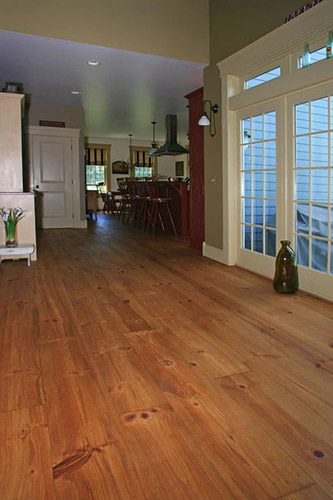
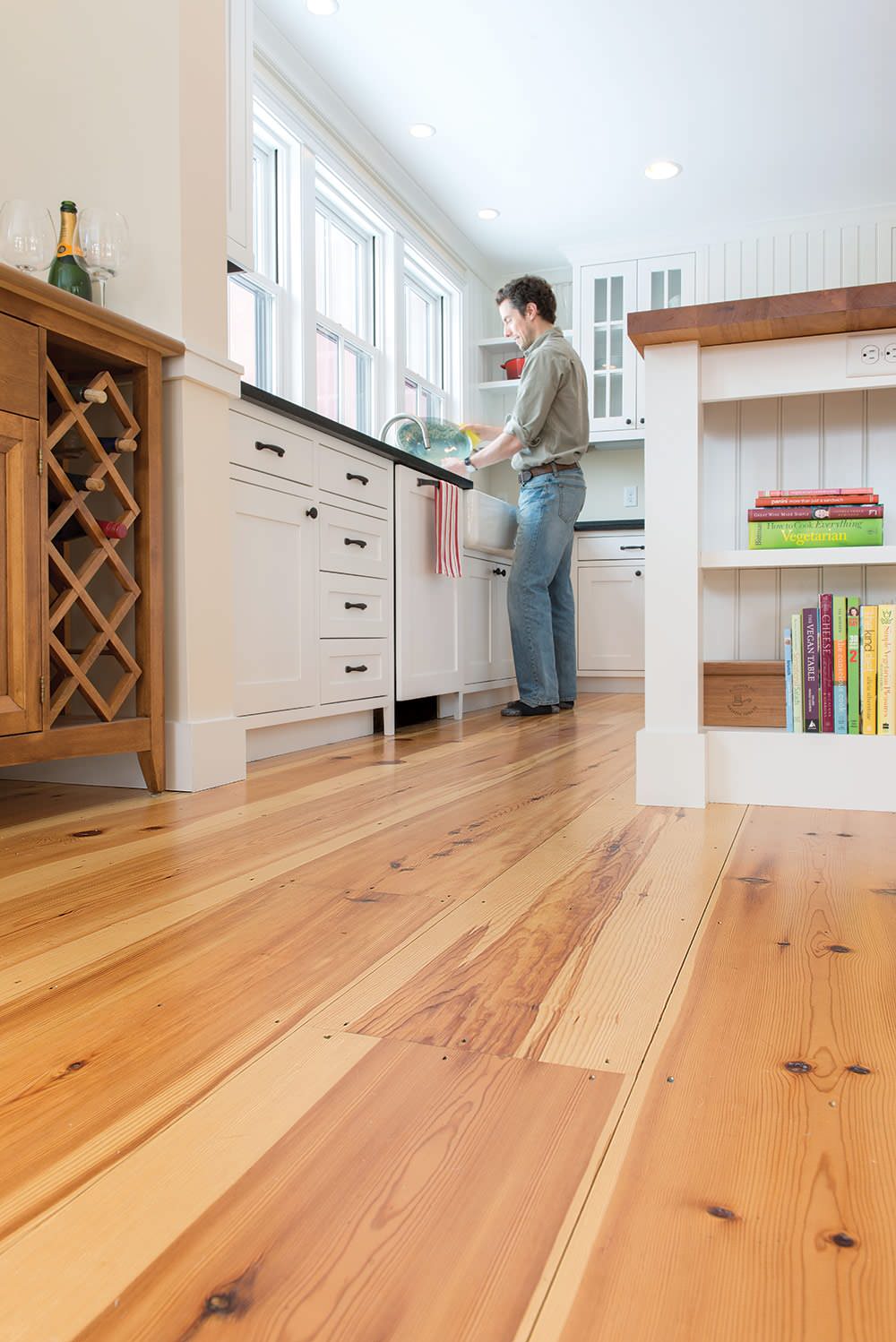
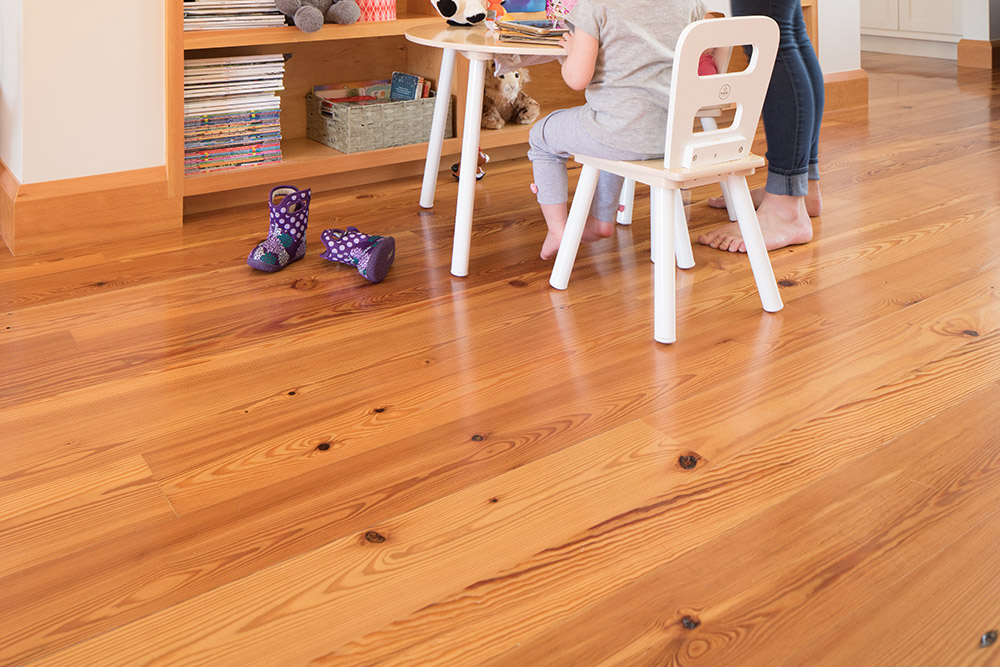
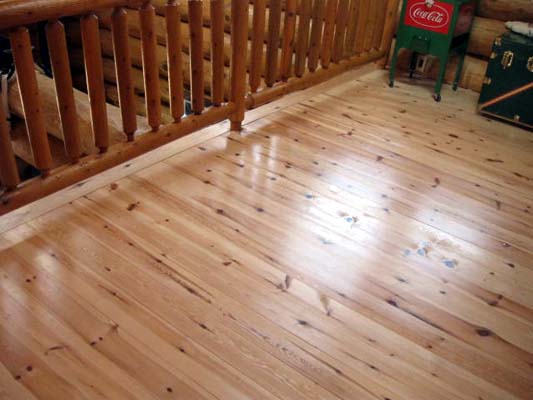
Red pine is distinguished by its warm, reddish-brown tones, which increase with age and exposure to light. The wood has noticeable grain patterns, knots, and occasional mineral streaks, giving it a distinct, natural appearance. These qualities differentiate each plank, giving visual appeal to floors.
Unlike more homogeneous hardwoods, red pine’s variances can give a more organic, handcrafted appearance. Some homeowners love the rustic look, while others may use stain treatments to obtain a more consistent tone. Light colors can bring out the wood’s natural warmth, but darker stains offer refinement.
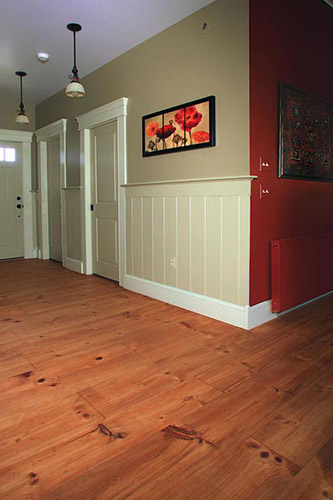
Because of its inherent color variations, red pine complements both warm and cold interior palettes. It complements earthy tones, neutral furnishings, and even dramatic accent colors, making it an adaptable choice for a variety of design types.
Cost and affordability
Red pine is often less expensive than premium hardwoods such as walnut or cherry, making it an appealing choice for budget-conscious homeowners. Its lower cost does not necessarily imply inferior quality; rather, it reflects its softwood categorization and geographical availability.
Installation expenses for red pine are often lower than those for exotic or artificial wood. Because it is simple to work with, contractors can install it quickly, lowering labor costs. However, refinishing and sealing may increase long-term expenditures if regular maintenance is required.
Red pine is an excellent choice for individuals who want a high-end look without paying a premium. Its rich color and grain create a sumptuous appearance akin to more expensive woods, especially when properly treated and maintained.
Best Uses in Home Design
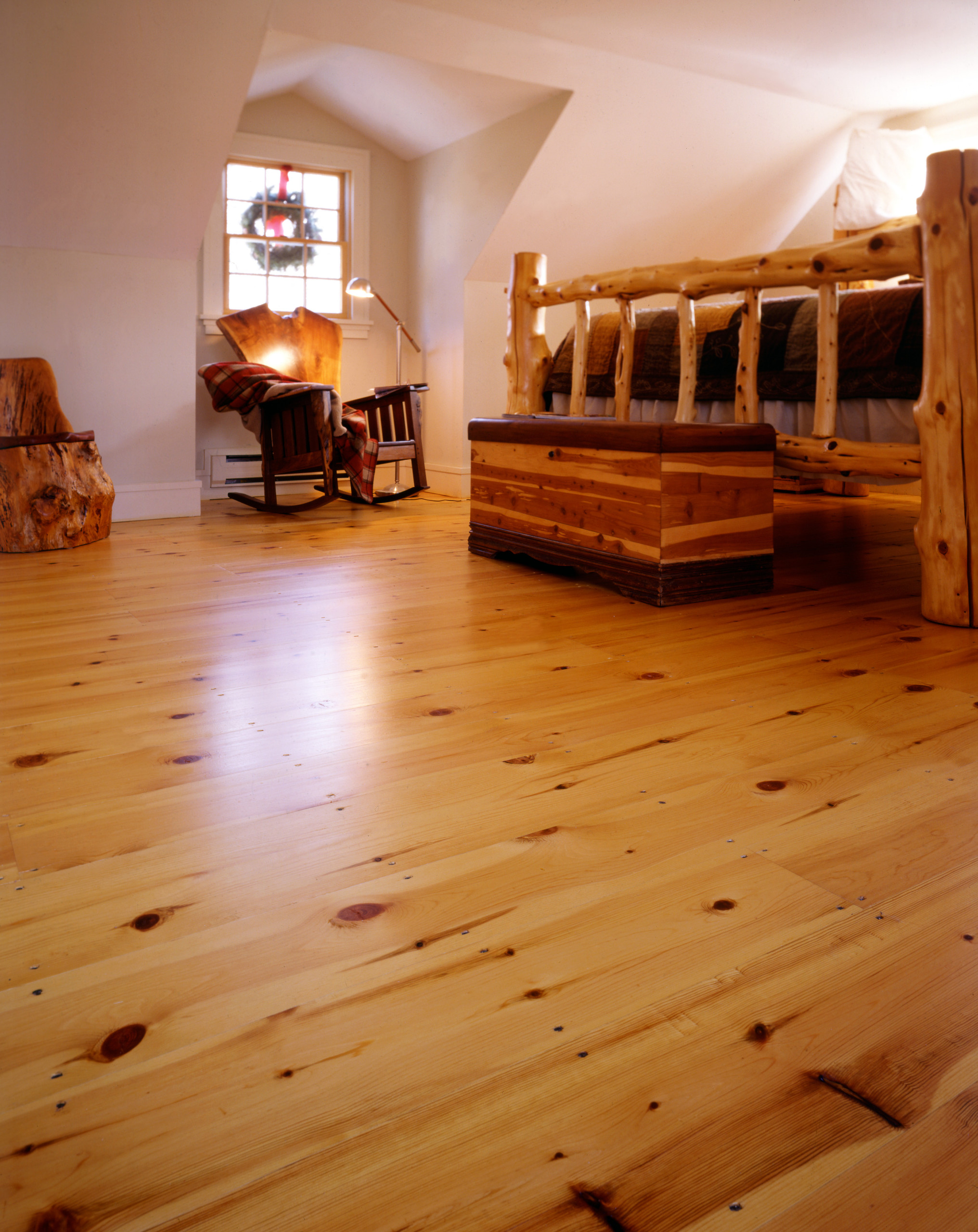
Red pine flooring performs especially well in rustic, farmhouse, and cabin-style houses, where its natural imperfections accentuate the appearance. It’s also ideal for comfortable, lived-in environments where a polished, faultless appearance isn’t desired.
Red pine may offer warmth and texture to modern or minimalist spaces when combined with clean lines and neutral decor. Its reddish undertones contrast well with white walls, black accents, and industrial-style furniture.
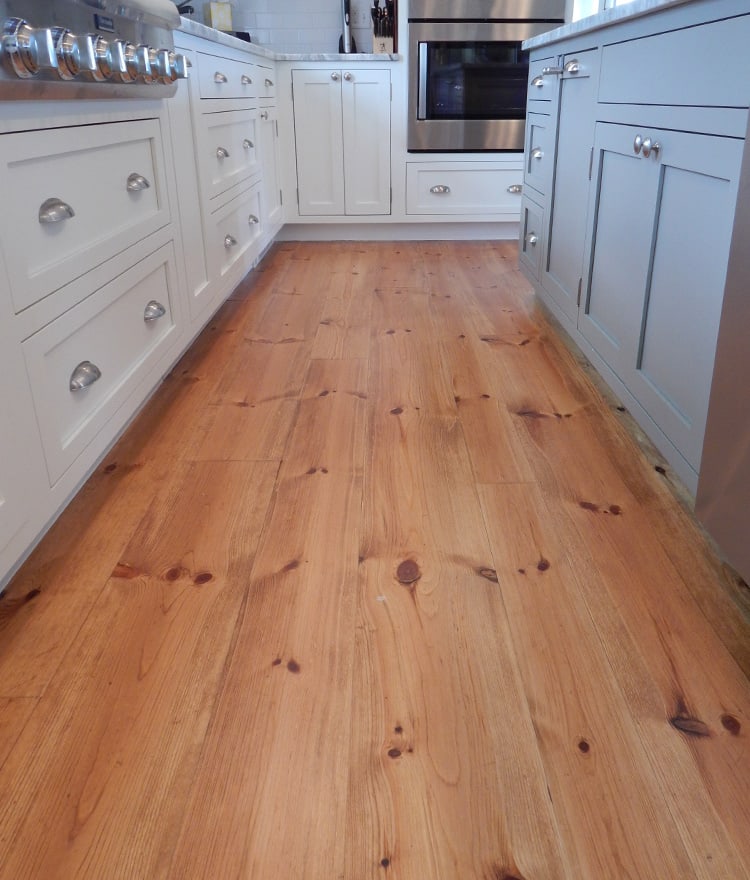
While red pine is not suitable for high-moisture environments such as bathrooms, it works well in living rooms, bedrooms, and dining areas. If used in the kitchen, good sealing is essential to prevent spills and dampness.
Maintenance and Care Tips
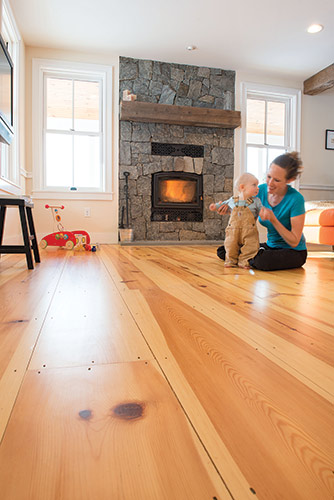
Red pine requires constant maintenance to sustain its look. Sweeping or vacuuming regularly keeps dirt and grit from scratching the surface. When mopping, avoid using too much water. Instead, use a slightly moist cloth or a wood-friendly cleaner.
Refinishing may be required every few years, depending on wear. Light sanding and a new layer of sealant can restore its brilliance. Area rugs in important areas can help reduce damage in homes with pets or frequent foot traffic.
Unlike certain hardwoods, red pine is prone to dents, therefore use furniture padding under heavy pieces. With careful maintenance, it can last for decades while creating a gorgeous, weathered appearance.
Comparison of Other Pine Varieties
Red pine is frequently compared to white pine and yellow pine, two other popular softwood flooring materials. White pine is lighter in color and softer, making it more vulnerable to damage, whereas yellow wood is tougher, more robust, and has a golden tint.
Red pine achieves a mix between economy and aesthetic appeal, with richer tones than white pine but less expensive than yellow pine. Its striking crimson tinge distinguishes it, making it a popular choice among people looking for warmth and individuality.
If durability is a high priority, yellow pine might be a better choice. However, for those who value color and rustic charm, red pine remains a great option.
Is red pine flooring appropriate for high-traffic areas?
Red pine is softer than hardwoods, thus it is less suitable for high-traffic areas such as hallways or entryways. However, with adequate sealing and care, it can still work effectively in moderately used spaces such as living rooms and bedrooms. Using rugs in high-wear areas and giving a durable treatment can help extend their lifespan.
Can red pine flooring be dyed to match darker wood tones?
Yes, red pine stains well, allowing homeowners to get darker tones such as espresso or walnut. However, its natural crimson undertones may still peek through. A pre-stain wood conditioner can help ensure even absorption and a more consistent appearance.
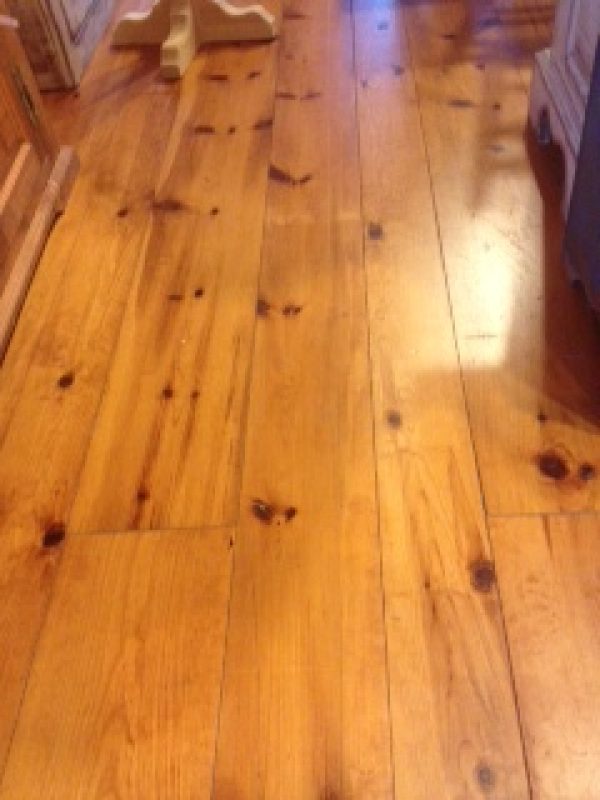
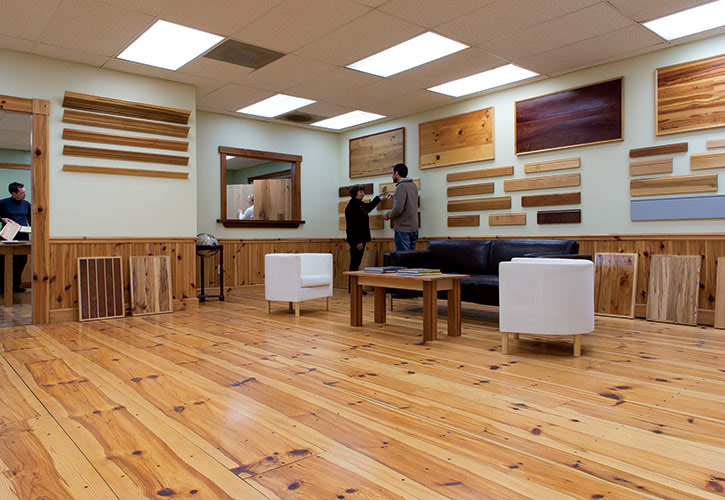
Custom Red Pine Wide Plank Flooring – Ponders Hollow Custom Wood
How does red pine respond to humidity and temperature changes?
Red pine, like most wood flooring, expands and contracts in response to humidity swings. Proper acclimation prior to installation and maintaining constant interior humidity levels (30-50%) will reduce warping and gaps. Avoid putting it in basements or bathrooms with high moisture levels.
Which type of finish is ideal for red wood floors?
Polyurethane coatings offer the finest protection against scratches and moisture. Oil-based treatments bring out the natural warmth of the wood, but they require more upkeep. Water-based coatings dry faster and produce less fumes, making them an excellent option for indoor air quality.
How frequently does red pine flooring require refinishing?
Depending on foot usage, red wood may require refinishing every 5–10 years. Lighter sanding and a new finish might restore its appearance without a full sanding. Regular cleaning and avoidance of harsh chemicals will increase the period between refinishing.
Is red pine more eco-friendly than other flooring options?
Red pine, when supplied from carefully managed forests, is a sustainable choice. It has a smaller environmental impact than slow-growth hardwoods since it grows so quickly. Look for FSC-certified products to ensure environmentally responsible harvesting procedures.
Pine Flooring, oak, hardwood, strip, tongue and groove
Related Posts: