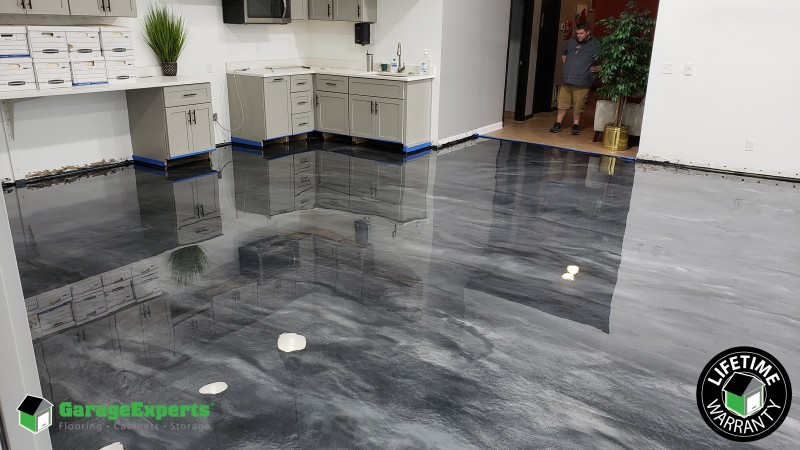
When I decided to redo my garage, I didn’t want the same old cracked concrete or boring epoxy job everyone else had. I wanted something bold, modern, and built to last. After months of flipping through design blogs and visiting showrooms, I landed on gray metallic epoxy flooring. It wasn’t just a floor, it was a statement. The swirling, liquid-metal finish caught the light in ways I hadn’t imagined, transforming a utilitarian space into something that felt almost futuristic. What surprised me most was how practical it turned out to be. This isn’t just a pretty surface; it’s tough, easy to clean, and completely custom. If you’re considering a garage or basement upgrade, let me walk you through what I discovered about gray metallic epoxy floors, from the messy install to the long-term payoff.
Why I Chose Gray Metallic Epoxy Over Traditional Options
I started by comparing epoxy to painted concrete, vinyl tiles, and polished cement. Painted floors always seemed to chip within a year, and tiles felt too fragile for a space that sees car tires, tools, and heavy storage. Polished concrete looked sleek but cost a fortune and didn’t hide imperfections well. Epoxy, especially the metallic kind, offered durability and style in one package. The gray tone was neutral enough to match any vehicle or storage system, yet rich enough to feel luxurious.
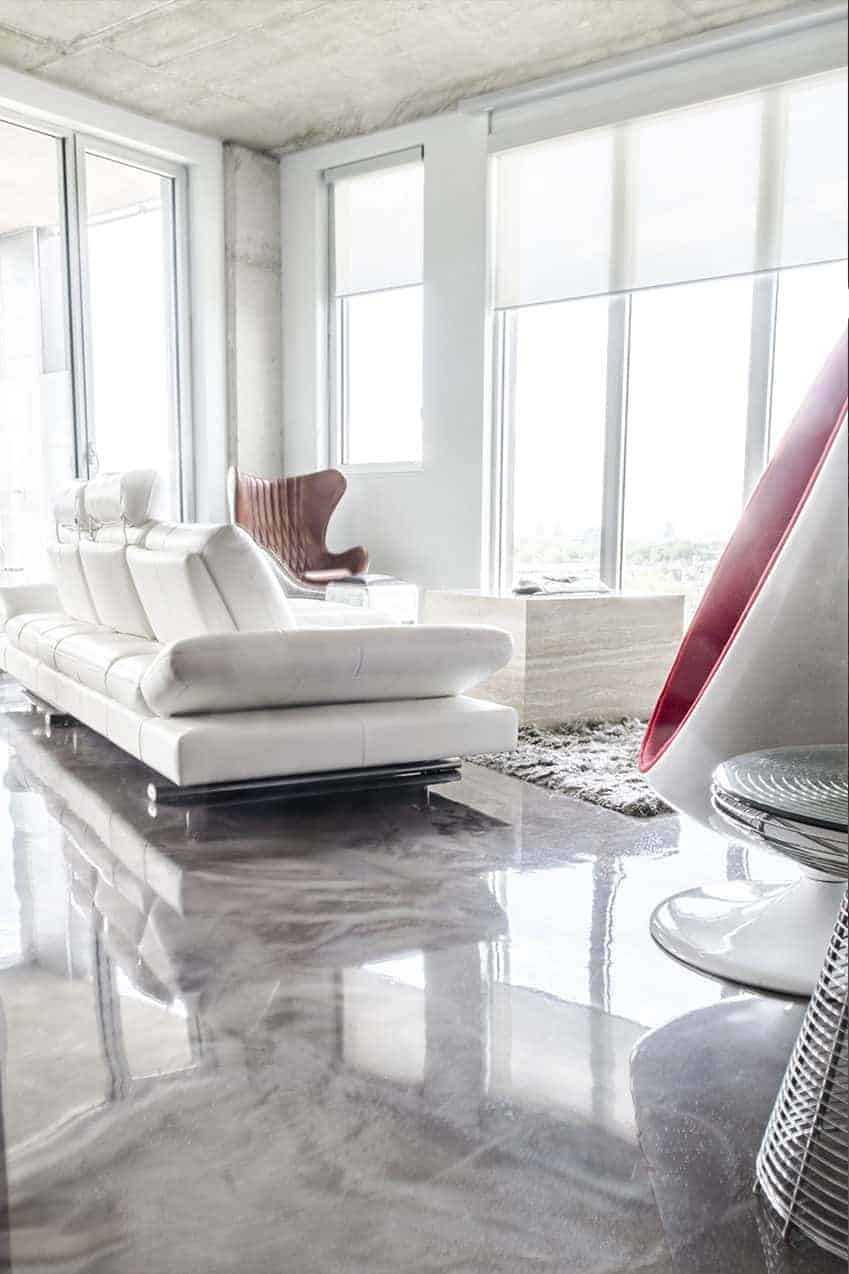
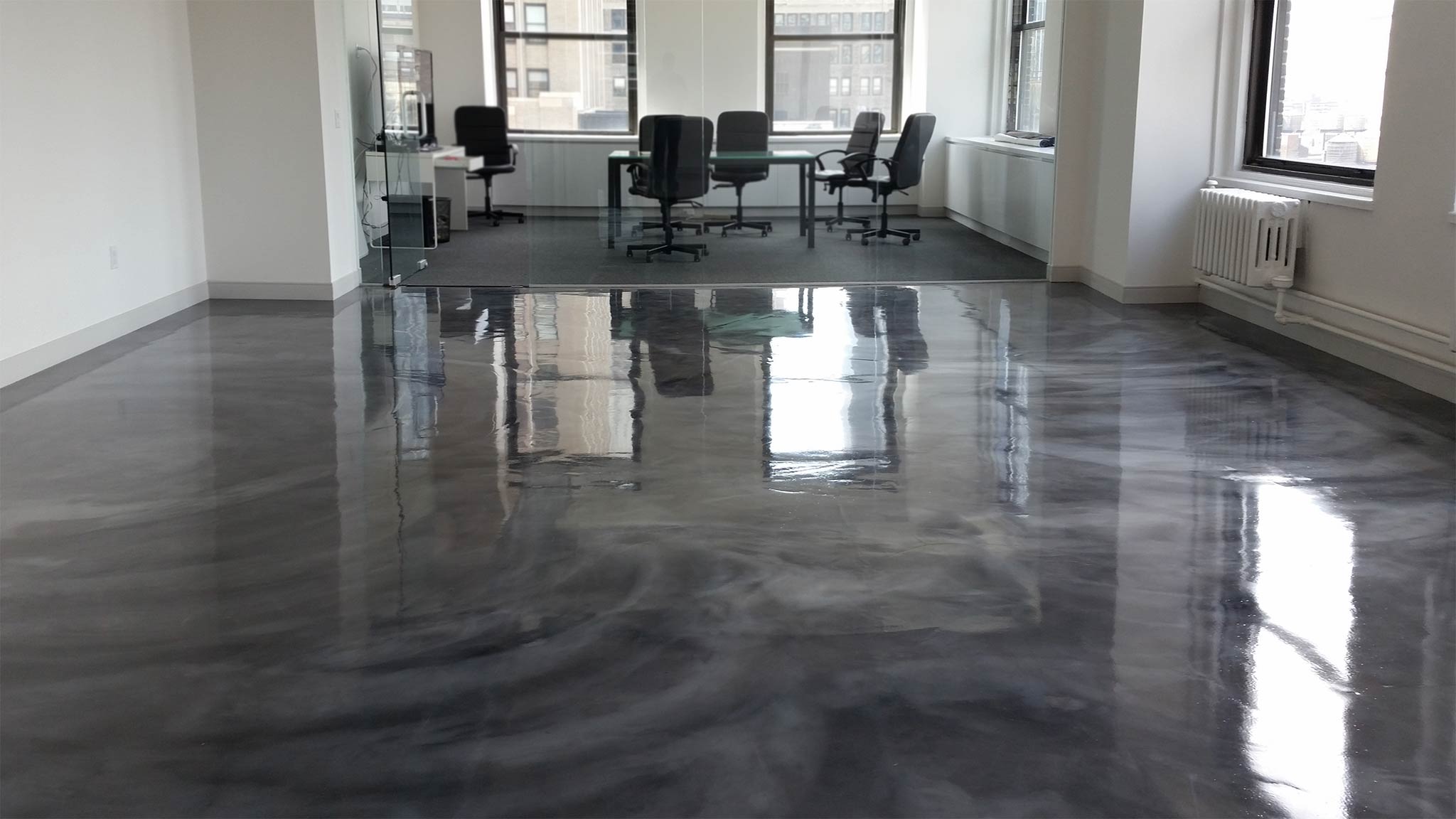
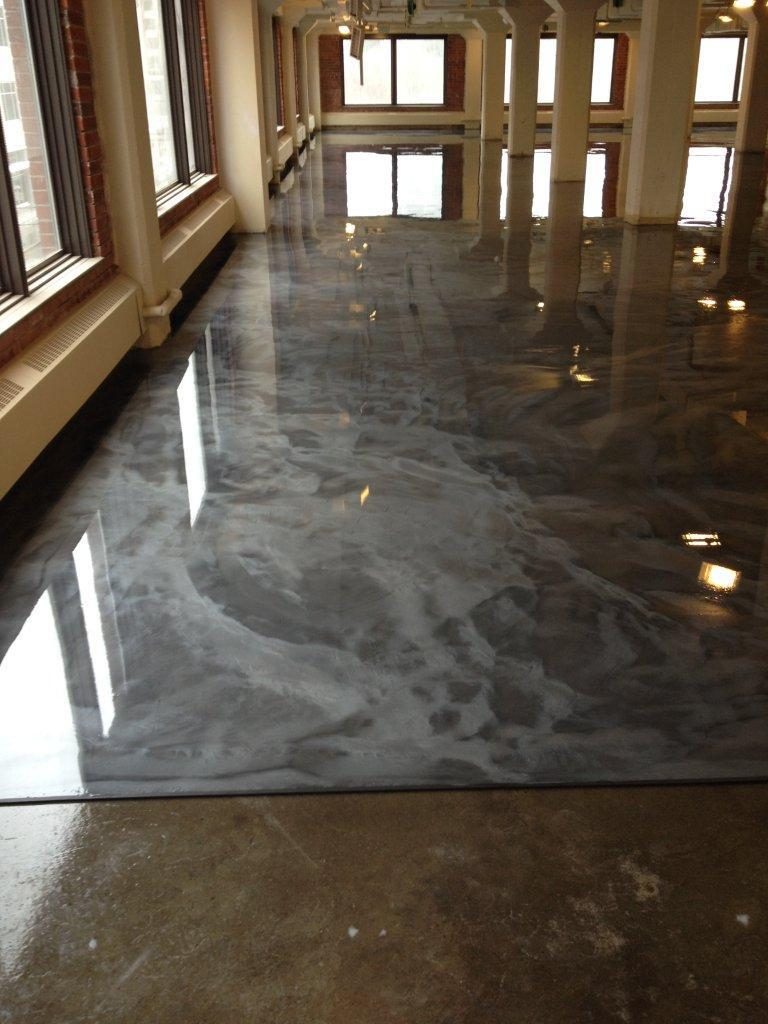
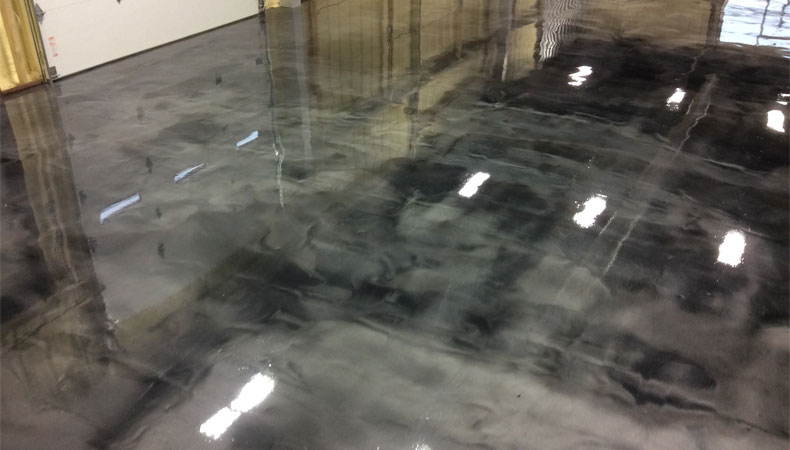
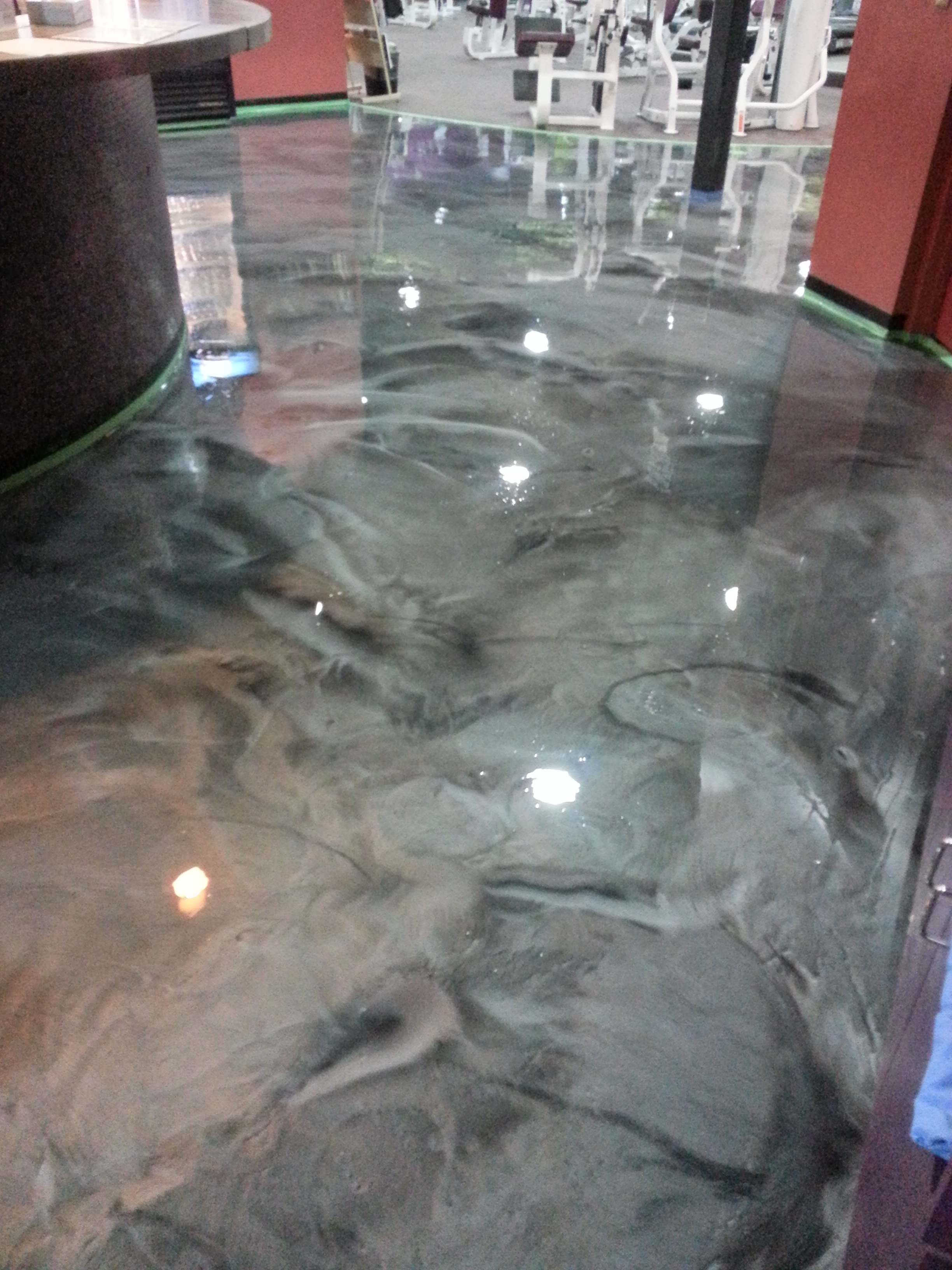
What sold me was the visual depth. Unlike solid color epoxy, metallic epoxy uses special pigments that shift and shimmer depending on the light. In the morning sun, my floor looks like storm clouds rolling across steel. At night, under LED lights, it glows with a silvery sheen. It’s not flat or lifeless; it moves with the room. I never thought a garage could feel dynamic, but this finish gives it energy, like the floor is alive in a subtle way.
Durability was another major factor. My garage houses two cars, a lawnmower, and all my DIY gear. I needed a floor that could handle oil drips, tire marks, and dropped wrenches. Standard epoxy is already tough, but metallic epoxy is often applied in thicker, more resilient layers. It resists scratches, chemicals, and UV fading, which matters since my garage door is open most weekends. After two years, it still looks nearly new, with only minor scuffing near the workbench.
The Installation Process, From Prep to Final Coat
I’ll admit, I almost backed out when I saw how much prep work was involved. You can’t just pour epoxy over dirty concrete. The surface has to be completely clean, etched, and free of cracks or moisture. I hired a professional crew, but I watched every step. They started by grinding the old surface to open the pores, then patched cracks with a concrete filler. Next came a thorough cleaning with industrial degreasers and a final acid etch to ensure maximum adhesion.
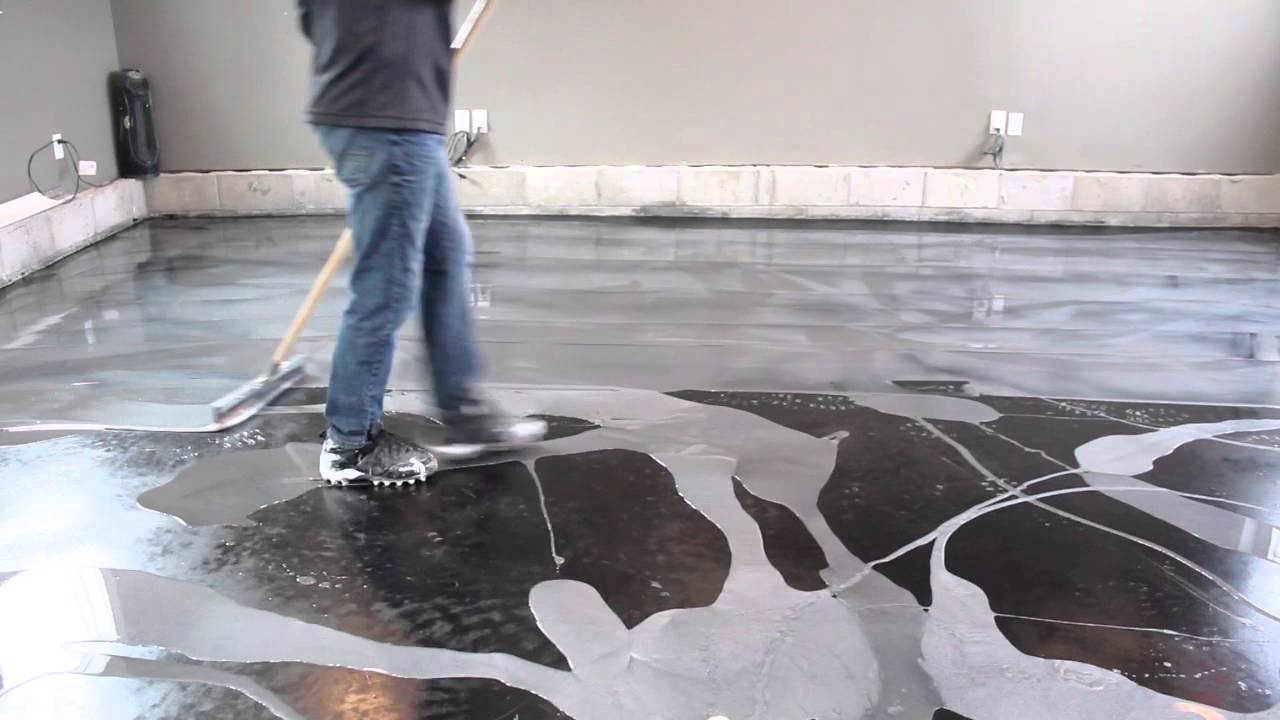
Once the base was ready, they applied a primer coat. This is crucial for preventing delamination later. After that dried, they mixed the gray metallic epoxy with a hardener and a special activator that triggers the swirling effect. The magic happens during application. They used squeegees and spiked rollers to spread the material, then walked the floor with spiked shoes, dragging the epoxy in sweeping patterns to create the signature marbled look. It felt like watching an artist paint a canvas, only on a massive scale.
The final step was a clear topcoat, usually polyurethane or polyaspartic. This seals the metallic layer, adds UV protection, and gives the floor its glossy, wet-stone finish. The crew warned me not to walk on it for at least 24 hours and to wait 72 hours before parking cars. The smell during curing was strong but faded quickly. Watching the floor transform from dull gray concrete to a shimmering, mirror-like surface was one of the most satisfying home improvements I’ve ever done.

Customizing the Look to Fit Your Space
One of the best parts of choosing metallic epoxy is the ability to customize. Gray is a popular base, but you can tweak the shade from light silver to deep charcoal. I went with a medium storm gray because it balanced brightness and depth. The installer offered different levels of metallic pigment, from subtle shimmer to bold, high-gloss swirls. I chose a medium intensity, so it wouldn’t feel overwhelming but still have personality.
You can also influence the pattern. Some people like tight, controlled swirls, while others prefer a wild, abstract look. I asked for broad, wave-like motions that flowed from the front of the garage to the back, creating a sense of movement. The installer used different roller techniques and even added a few circular motions near the center to highlight the space. It’s amazing how much the application style changes the final appearance, like choosing between a watercolor and an oil painting.
Lighting plays a huge role, too. I installed LED strip lights under the cabinets and a bright overhead fixture. The way the light hits the floor changes throughout the day, making the metallic flakes catch and reflect in new ways. In the right light, it almost looks like liquid mercury. If you’re planning a similar project, think about how your garage is lit. Natural light from windows or a door will enhance the effect, while poor lighting can make even the best epoxy look flat.
How It Holds Up to Daily Wear and Tear
Two years in, I can confidently say this floor handles real life. I’ve dropped heavy tools, dragged metal shelves, and driven both my SUV and my wife’s sedan over it weekly. There are a few fine scratches near the jack points, but nothing deep or unsightly. The topcoat has held up incredibly well, with no peeling or clouding. I hose down the floor every few months, and it dries in minutes without any water spots or residue.
Oil spills were my biggest fear. One evening, I overfilled the car’s engine, and a stream of motor oil ran across the floor. I didn’t clean it for about 12 hours. When I finally wiped it up, there was no stain, no dulling, nothing. The epoxy repelled it completely. I’ve since tested it with brake fluid and coolant, all of which bead up and wipe away easily. It’s not just stain-resistant, it’s practically immune to common garage chemicals.
Even foot traffic hasn’t dulled the shine. My kids come in with muddy shoes, and our dog tracks in dirt after walks. A quick sweep and damp mop take care of it. I don’t use harsh cleaners, just a mix of water and a few drops of dish soap. The surface doesn’t attract dust like tile or laminate, and static buildup is minimal. For a high-traffic area, it’s shockingly low maintenance, especially compared to the constant sealing and scrubbing of old concrete required.

Common Mistakes to Avoid During Installation
I saw a friend try to install metallic epoxy himself and regretted it within weeks. The floor started peeling near the door, and the swirls looked uneven and patchy. He skipped surface prep, didn’t use a primer, and applied the epoxy too thin. His experience taught me that cutting corners leads to costly fixes. Even with professional help, I made sure to ask questions and verify each step. Proper prep isn’t optional; it’s the foundation of a lasting finish.
Another mistake is ignoring moisture. Concrete can wick water from the ground, especially in garages without vapor barriers. If you apply epoxy over a damp slab, it will bubble and fail. The crew did a moisture test before starting, and I recommend that anyone doing this project insist on the same. A simple plastic sheet test can save you thousands in repairs later. Also, never pour epoxy in extreme temperatures. Cold slows curing, and heat can cause bubbles or premature drying.
Timing is everything. I once scheduled a party for the weekend after installation and pressured the crew to finish early. They warned me, but I pushed anyway. I walked on the floor after 18 hours instead of 24, and left tire marks when I moved a workbench too soon. The damage wasn’t catastrophic, but it left faint indentations. Now I tell everyone, patience pays. Let the epoxy cure fully, keep the space closed off, and follow the installer’s timeline to the hour.

Why This Floor Changed How I Use My Garage
Before the epoxy, my garage was just a place to park and store junk. Now, it’s a space I enjoy spending time in. I’ve added a small workshop area with better lighting and a comfortable stool. The floor looks so good that I keep it cleaner than ever, which makes working on projects more pleasant. It’s funny how a simple upgrade can shift your behavior. I find myself organizing tools, washing the car more often, and even hosting weekend coffee meetups with neighbors.
The reflective surface makes the space feel larger and brighter. Even on cloudy days, the metallic finish bounces light around, reducing the need for extra fixtures. I painted the walls white to amplify the effect, and now the whole garage feels open and inviting. It’s no longer a dark, dingy afterthought; it’s a functional extension of my home. I’ve even caught my teenager hanging out there to listen to music or study, which never happened before.
Beyond aesthetics, the floor has practical benefits I didn’t anticipate. It’s easier to spot dropped screws or lost parts because they contrast against the smooth, light-reflecting surface. Cleaning is faster, so I do it more often. And when we list the house, it’s become a standout feature. Potential buyers keep commenting on the garage, which I never thought would be a selling point. Sometimes, the most overlooked room can become the most impactful with the right upgrade.

Is gray metallic epoxy flooring slippery when wet?
Gray metallic epoxy can be slick when wet, especially with its high-gloss finish, but it doesn’t have to be dangerous. Most installers offer anti-slip additives that can be mixed into the topcoat or applied as a broadcast layer. These tiny granules are barely visible but provide excellent traction. In my garage, I added a light grit to the clear coat, and now it feels secure even when I spill water or wash the floor. Just avoid wearing smooth-soled shoes and clean spills promptly to minimize risk.
How long does a metallic epoxy floor last?
A high-quality metallic epoxy floor can last 15 to 20 years or more with proper installation and care. The lifespan depends on the product used, foot and vehicle traffic, and exposure to chemicals or UV light. In garages with good ventilation and minimal direct sunlight, the finish holds up exceptionally well. Reapplying a topcoat every 5 to 7 years can extend its life and restore shine. Mine still looks fresh after two years with only routine cleaning and no major wear.

Can I apply metallic epoxy over existing epoxy?
Yes, you can apply metallic epoxy over old epoxy, but only if the existing coating is in good condition and properly prepared. The surface must be thoroughly cleaned, sanded, and profiled to ensure adhesion. Any peeling, bubbling, or contamination must be removed first. It’s not as simple as painting over paint, because epoxy is non-porous. Most professionals recommend grinding the old layer to create a mechanical bond. Skipping prep leads to delamination and failure.
What’s the difference between metallic and standard epoxy?
Standard epoxy is a solid, uniform color with a glossy finish, while metallic epoxy contains special pigments that create a dynamic, three-dimensional effect. These pigments react to light and application techniques, producing swirls, depth, and shimmer that look like flowing metal. Metallic epoxy is typically more expensive and requires greater skill to install, but it offers a far more unique and luxurious appearance. Both are durable, but metallic adds a high-end aesthetic.
How do I maintain a metallic epoxy floor?
Maintain a metallic epoxy floor by sweeping regularly and mopping with a soft cloth and a pH-neutral cleaner. Avoid harsh chemicals like bleach or ammonia, which can degrade the finish over time. Wipe up spills quickly, especially oils and solvents. For deep cleaning, use a diluted mixture of water and dish soap. Reapply a clear topcoat every few years to protect against wear and restore shine. Avoid dragging heavy objects to prevent scratches.
Is metallic epoxy suitable for indoor spaces like basements?
Yes, metallic epoxy works well in basements and other indoor spaces, provided the concrete is dry and properly prepared. It resists moisture better than paint or carpet and is easy to clean, making it ideal for finished basements used as gyms, offices, or entertainment areas. Choose a low-VOC formula for better indoor air quality, and consider adding anti-slip particles if the space will be used frequently. The reflective finish also brightens dark rooms, enhancing the overall feel.

Learn more about Designer Metallic Epoxy Floor Installation
Metallic Epoxy Coating Projects – Residential & Commercial
What is a metallic epoxy floor coating? – West Pacific Coatings
Reasons To Consider Metallic Epoxy Flooring
Commercial Metallic Epoxy Flooring Coating Solutions Black Bear
Related Posts: