I’ve always believed that the floors we walk on should do more than look good. They should stand up to life’s messes, support our health, and reflect our values. When I started remodeling my kitchen a few years ago, I wanted something warm, sustainable, and practical. That’s when I discovered cork. I’d heard it was comfortable underfoot and eco-friendly, but I had one big concern: could it handle spills, splashes, and the occasional flooded dishwasher? Waterproofing was non-negotiable in my home. After months of research, installation, and real-life testing, I can confidently say cork flooring can be waterproof, but only if you understand how it works and choose the right kind. Let me walk you through what I learned.
Understanding the Natural Properties of Cork
Cork comes from the bark of the cork oak tree, harvested every nine years without harming the tree. This makes it one of the most renewable flooring materials available. I remember being amazed when I first saw a cork tree in Portugal during a trip. Its thick, textured bark looked like armor, and that’s essentially what it is. The cells in cork are filled with a waxy substance called suberin, which naturally repels water and resists rot. This built-in defense is why cork has been used for centuries in wine stoppers and maritime applications.
When I began researching cork flooring, I assumed that because it’s natural, it must be vulnerable to moisture. But the suberin in cork creates a barrier that prevents water from soaking in quickly. Think of it like a sponge with a sealed surface; water sits on top rather than being absorbed immediately. This was a game-changer for me. It meant that everyday spills in the kitchen wouldn’t immediately damage the floor. Still, I knew that prolonged exposure could be a problem, so I looked deeper into how manufacturers enhance this natural resistance.
What I found was that not all cork flooring is created equal. The raw material has potential, but its performance depends on processing and finishing. Some products are designed for dry areas only, while others are built for moisture-prone spaces like kitchens and bathrooms. The key is in the layers, how they’re sealed, and what kind of protective coating is applied. I realized early on that choosing the right type wasn’t just about appearance; it was about matching the material to my lifestyle and the demands of each room.
How Modern Cork Flooring Achieves Water Resistance
Back when I was shopping, I quickly learned that traditional cork tiles weren’t suitable for wet areas unless heavily maintained. But modern engineered cork has changed the game. Most water-resistant cork flooring today is made with a multi-layer design. There’s a wear layer on top, often made of urethane or acrylic, followed by a printed design layer, then the cork core, and finally a stabilizing backing. This construction helps lock out moisture from below and protects the surface from spills.
I was skeptical at first, thinking that any natural material would eventually warp or swell. But after testing a sample by leaving a wet sponge on it for 48 hours, I was shocked to see no damage. The top coating had done its job, keeping water from penetrating. Manufacturers now use advanced sealants that are both durable and flexible, so they don’t crack when the floor expands or contracts. These finishes are usually applied in multiple layers during production, creating a shield that handles humidity and spills far better than I expected.
What impressed me most was how these improvements didn’t sacrifice the natural feel of cork. I still got the soft, warm texture underfoot that drew me to it in the first place. The surface wasn’t plastic-like or overly shiny, just smooth and easy to clean. I realized that modern cork flooring isn’t pretending to be something it’s not; it’s simply enhancing what nature already gave it. With the right product, I could finally consider cork for my kitchen, laundry room, and even a half-bath.

Installation Practices That Protect Against Moisture
Even the best cork flooring can fail if it’s not installed correctly. I learned this the hard way when a friend installed cork in her basement without a proper moisture barrier. Within a year, the edges began to lift. That story made me cautious. When it was time for my installation, I insisted on a professional who specialized in natural flooring. He explained that preparation is just as important as the product itself.
One of the first things he did was test the concrete subfloor for moisture using a calcium chloride test. High readings would have meant installing a vapor barrier, which I was prepared to do. Luckily, my slab was dry enough, but he still recommended a primer to seal any micro-pores. For floating installations, he used a breathable underlayment with a built-in moisture shield. This allowed the cork to move naturally while blocking rising damp from the ground below.
He also emphasized the importance of acclimation. I had to leave the planks in the room for at least 72 hours before installation so they could adjust to the humidity. Skipping this step could lead to gaps or buckling later. Expansion gaps around the perimeter were cut precisely and hidden with baseboards. Every seam was tight, and he avoided cutting corners, literally and figuratively. Watching him work gave me confidence that the floor would last, not just look good for a season.

Maintenance Tips to Preserve Waterproof Qualities
After the install, I thought my job was done. But I quickly realized that upkeep plays a huge role in maintaining water resistance. The manufacturer recommended using a pH-neutral cleaner and avoiding steam mops, which can degrade the finish over time. I switched to a microfiber mop and a spray bottle with a gentle cleaner, and I wipe up spills within minutes, especially anything sugary or acidic.
One mistake I made early on was using a vinegar and water mix, thinking it was natural and safe. Within weeks, the finish in high-traffic areas started to dull. I contacted the supplier, who explained that vinegar is too acidic and can break down protective coatings. I switched to a cleaner specifically made for cork, and the shine came back after a light buffing. Now, I read every label and avoid anything with ammonia, bleach, or abrasive particles.
I also reapply a maintenance coat every 12 to 18 months, depending on wear. It’s a simple process, like waxing a car. I clean the floor thoroughly, let it dry, then apply a thin layer of water-based urethane with a lambswool applicator. This refreshes the surface protection and keeps water beading up instead of soaking in. It takes a Saturday morning, but it’s worth it to extend the floor’s life and keep it looking fresh.
Where Cork Flooring Works Best in the Home
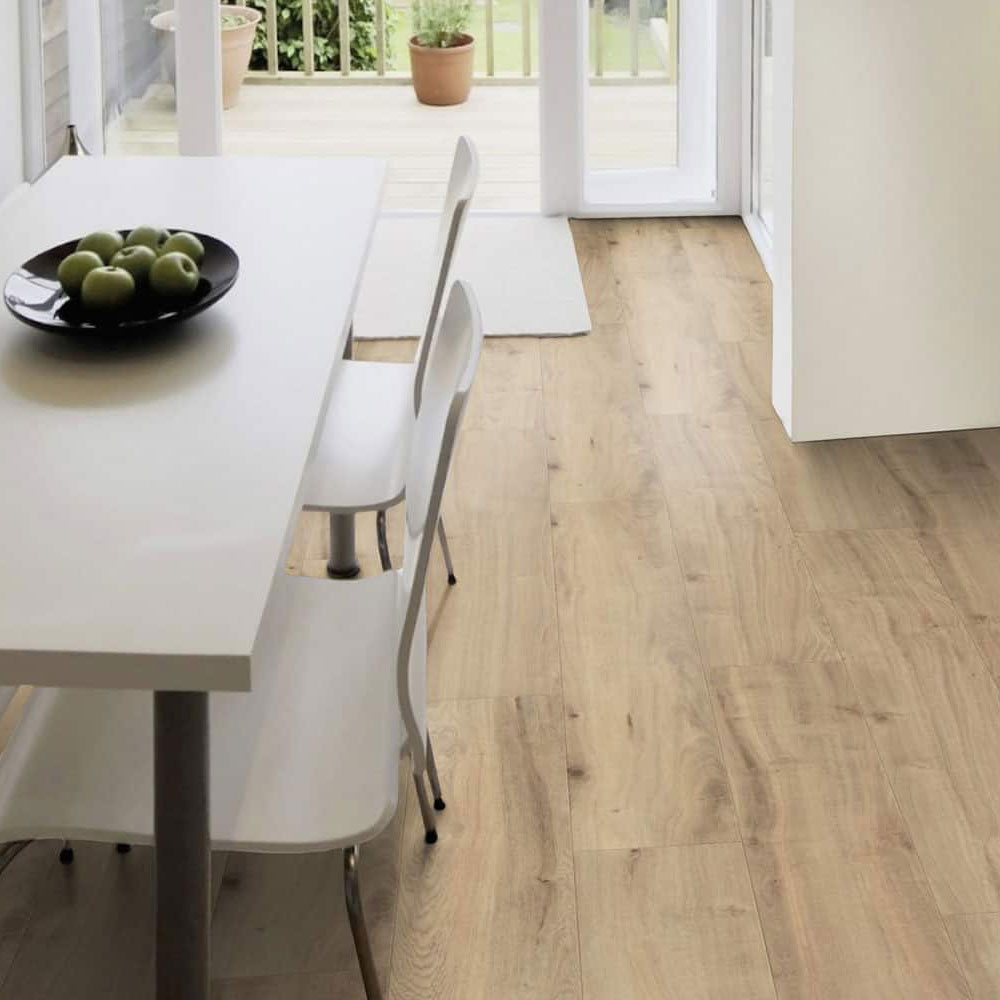
Not every room is ideal for cork, even with modern improvements. In my home, I chose cork for the kitchen, dining area, and a sunroom with large windows. These spaces get a lot of foot traffic and occasional spills, but they are climate-controlled and not prone to flooding. The warmth of cork feels great when I’m standing at the sink or playing board games with my kids on the floor.
I avoided using it in the full bathroom and laundry room, even though some brands claim it’s suitable. The risk of constant humidity and potential leaks from appliances felt too high. Instead, I used porcelain tile in those areas and kept cork for spaces where moisture is occasional, not constant. Basements are another gray area, unless you have excellent dehumidification and a reliable vapor barrier.
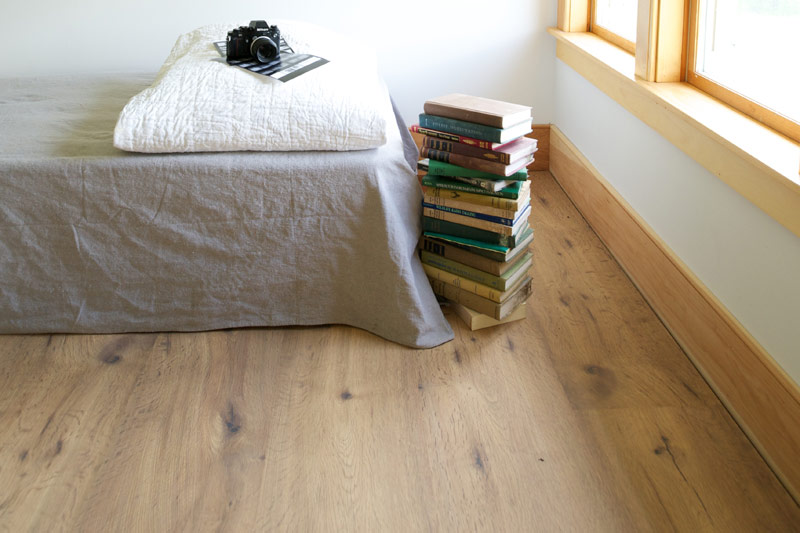
Bedrooms and home offices are perfect for cork, in my opinion. They’re low-moisture zones where comfort matters most. Walking barefoot on cork in the morning is a small luxury I didn’t know I needed. It’s quiet, too, which helps when someone’s working late or the baby is napping. I’ve even installed it in a small craft room, where paint and glue accidents happen. As long as I clean quickly, the floor handles it without a trace.

Debunking Common Myths About Cork and Water
I’ve heard so many myths about cork flooring that I feel obligated to set the record straight. One of the biggest is that cork and water can’t coexist at all. That’s outdated. While raw cork can absorb moisture, today’s factory-finished products are designed to resist it. I’ve had coffee, wine, and even a full glass of water spilled on my floor, and as long as I wipe it up within 15 minutes, there’s no damage.
Another myth is that cork swells or rots easily. In reality, rot requires prolonged exposure to standing water and poor ventilation, conditions that would damage most flooring types. Cork’s natural antimicrobial properties resist mold and mildew better than many synthetic materials. I’ve lived in a humid climate for years, and my cork floor has never developed odors or discoloration from moisture.
Some people also believe that cork is too delicate for real life. But in my home, it’s held up to dog claws, dropped utensils, and rolling office chairs. The minor dents that appeared at first have mostly flattened out over time, thanks to cork’s elasticity. It’s not indestructible, but it’s far more resilient than its reputation suggests. With proper care, it’s a practical choice, not just a niche eco-option.

Is cork flooring completely waterproof?
Cork flooring is not completely waterproof, but many modern versions are highly water-resistant. The natural structure of cork contains suberin, a waxy substance that repels moisture. When combined with factory-applied sealants like urethane or acrylic, the surface can resist spills and humidity for extended periods. However, prolonged exposure to standing water can still cause damage, especially at seams or edges. For this reason, it’s best suited for areas with occasional moisture rather than constant wet conditions. Always check the manufacturer’s rating and follow care instructions to maintain its protective qualities.
Can I install cork flooring in my kitchen?
Yes, you can install cork flooring in the kitchen, provided you choose a water-resistant engineered product. Look for planks with a durable wear layer and a tight locking system to minimize water infiltration. Proper installation, including acclimation and a moisture barrier if needed, is essential. Clean spills quickly and avoid soaking the floor during mopping. With routine maintenance, cork can handle the demands of a busy kitchen while adding warmth and comfort underfoot. I’ve had mine for over three years with no issues, even with daily cooking and occasional flooding from a leaky dishwasher.

How do I clean spills on cork flooring?
Clean spills on cork flooring as soon as possible using a soft, absorbent cloth or paper towel. Blot the area gently to avoid spreading the liquid. For most spills, plain water or a pH-neutral cleaner is sufficient. Avoid using vinegar, ammonia, or abrasive scrubbers, as these can damage the finish over time. Never let liquids sit, especially sugary or acidic substances like juice or wine. Regular dry mopping and weekly damp mopping with an approved cleaner will keep your floor looking its best and protect its water-resistant surface.
What happens if cork flooring gets wet?
If cork flooring gets wet briefly, such as from a spilled drink, it will likely be fine if wiped up promptly. The protective finish and natural suberin help prevent immediate absorption. However, if water sits for hours or seeps into the seams, the core can swell, leading to warping or edge lifting. In cases of flooding or prolonged dampness, the affected planks may need to be replaced. Preventative steps like using rugs near sinks and maintaining indoor humidity levels can minimize risk and keep your floor in good condition.
Can cork flooring be used in bathrooms?
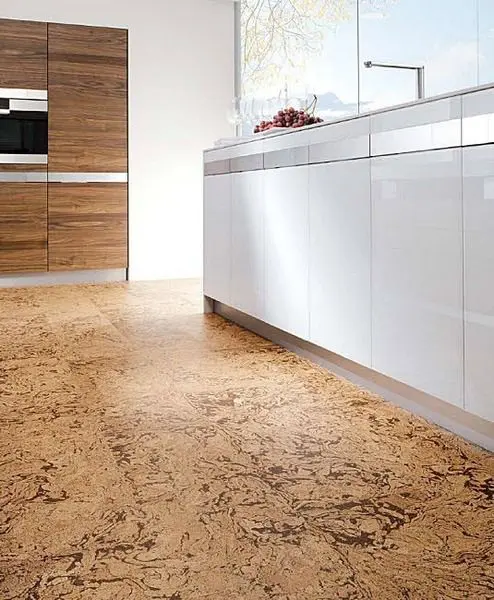
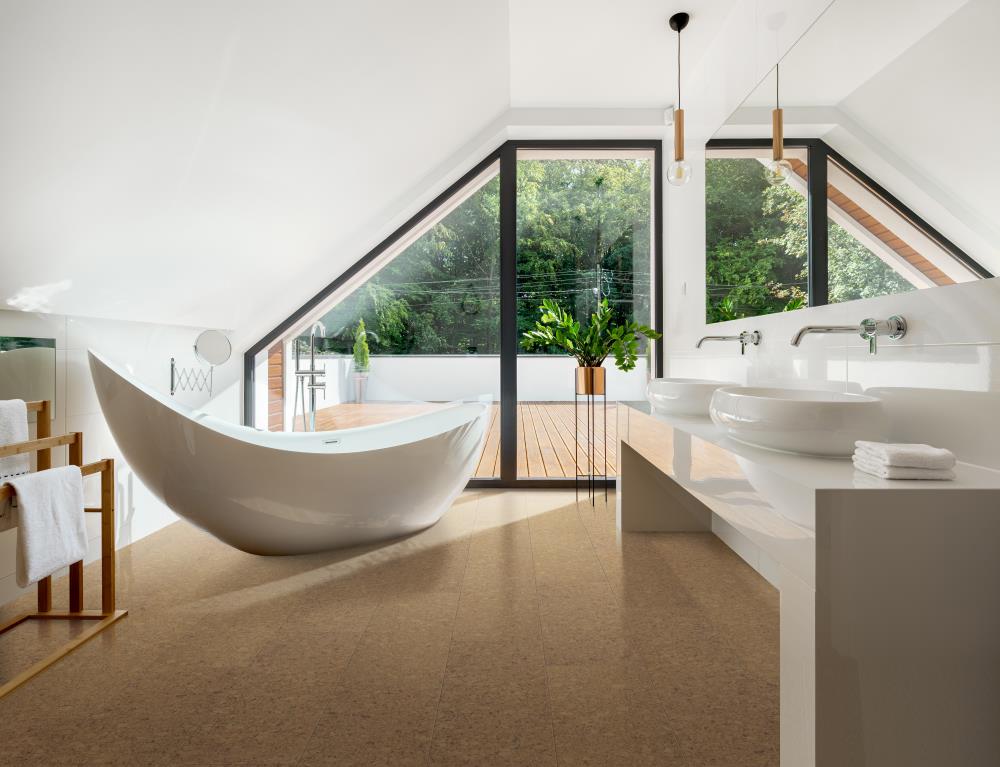
Cork flooring is generally not recommended for full bathrooms due to constant humidity, steam, and splash zones. While some manufacturers offer water-resistant options, the environment in most bathrooms exceeds what cork can reliably handle over time. Condensation on walls and floors can compromise the adhesive or cause edge curling. If you’re set on using cork, consider it for a powder room with minimal moisture exposure, and ensure excellent ventilation. Otherwise, stick to tile or vinyl in wet areas to avoid costly repairs down the line.
How long does waterproof cork flooring last?
Waterproof cork flooring can last 20 to 30 years or more with proper care. The lifespan depends on the quality of the product, installation, foot traffic, and maintenance routine. Reapplying a protective topcoat every few years helps preserve its water resistance and appearance. Avoid dragging heavy furniture and use felt pads to prevent scratches. With regular cleaning and prompt spill response, cork remains resilient and attractive for decades. In my experience, it ages gracefully, developing a natural patina that adds character without sacrificing performance.
Waterproof Cork Flooring – Cork Look

Floating Floor and Cork Planks
Sustainable, Waterproof Cork Flooring – The Design Sheppard

Related Posts: