Hardwood floors add timeless elegance and warmth to any home, but the way the planks are laid out can dramatically impact the overall look and feel of a space. Choosing the right layout enhances visual appeal, complements room dimensions, and even makes small areas appear larger. Whether you prefer classic or modern styles, this guide explores six popular hardwood floor layout ideas to help you find the perfect design for your home.
Traditional Straight Layout
The straight layout is the most common and straightforward hardwood flooring design. Planks run parallel to the longest wall, creating a clean, linear appearance. This layout works well in almost any room, making it a safe choice for homeowners who prefer a timeless look. It’s especially effective in narrow spaces, as the parallel lines can make a room feel longer and more spacious.
One advantage of the straight layout is its simplicity in installation, which can reduce labor costs. It also allows for easy furniture placement since the direction of the planks doesn’t interfere with room flow. However, in very large rooms, a straight layout may appear too plain without additional design elements like area rugs or contrasting borders to break up the space.
To add visual interest, consider using planks of varying widths or mixing wood tones in a subtle gradient. A straight layout with wider planks can create a more modern feel, while narrow planks offer a traditional touch. This versatile design pairs well with both rustic and contemporary décor, making it a reliable option for any home.
Herringbone Pattern
The herringbone pattern is a classic and sophisticated choice that adds instant elegance to any room. This layout consists of rectangular planks arranged in a zigzag pattern, creating a dynamic, eye-catching effect. Historically used in European palaces, herringbone flooring brings a touch of luxury to modern homes, particularly in entryways, dining rooms, and living spaces.
Installation is more complex than a straight layout, requiring precise cutting and alignment. Hiring an experienced installer is recommended to ensure clean, seamless lines. The intricate design also means higher material costs, as more planks are needed to accommodate the angled cuts. However, the stunning visual impact makes it a worthwhile investment for those seeking a high-end look.
Herringbone works exceptionally well with medium to narrow planks, enhancing the geometric effect. Light-colored woods like oak or maple can make a space feel airy, while darker stains add drama and richness. Pairing herringbone floors with minimalist furniture allows the pattern to stand out as the room’s focal point.

Chevron Pattern
Often confused with herringbone, the chevron pattern features planks cut at an angle to form continuous V-shapes. This creates a more uniform and streamlined appearance compared to herringbone’s staggered look. Chevron flooring has a bold, modern aesthetic that works well in open-concept spaces and contemporary interiors.
Because the planks must be cut at precise angles, chevron requires skilled installation. The sharp, directional lines can make a room feel more dynamic and expansive. This pattern is particularly effective in long hallways or large living areas where the repeating V-shapes draw the eye forward, enhancing the sense of space.
Chevron pairs beautifully with monochromatic color schemes, allowing the pattern to take center stage. Wide planks in light oak or whitewashed finishes create a Scandinavian-inspired look, while dark walnut chevron floors add a dramatic, high-contrast effect. For a balanced design, keep walls and furniture simple to avoid overwhelming the space.

Diagonal Layout
A diagonal layout involves installing planks at a 45-degree angle to the walls, creating a striking visual effect. This approach can make small rooms appear larger by drawing the eye outward, while also adding a unique twist to traditional hardwood flooring. Diagonal layouts work well in square-shaped rooms, breaking up the monotony of straight lines.
Installation is more labor-intensive than a straight layout, as each plank must be cut at an angle. However, the result is a custom, high-end look that stands out. This layout is particularly effective in open floor plans, where the angled lines help define different zones without the need for physical dividers.
To maximize the effect, choose medium-width planks and avoid overly dark stains, which can make the pattern feel heavy. A natural or lightly stained wood keeps the space feeling bright and airy. Pairing a diagonal layout with large area rugs can soften the angular lines while adding warmth and texture.
Wide Plank Layout
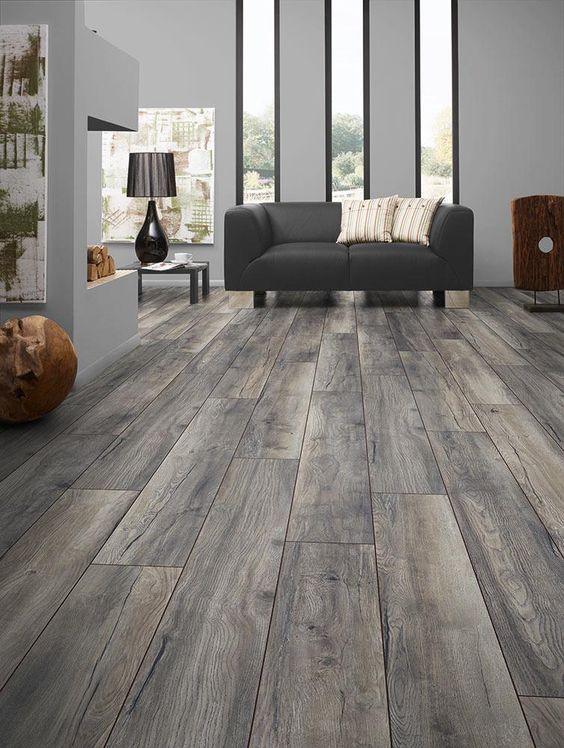
Wide plank hardwood flooring creates a rustic, yet modern aesthetic that emphasizes the natural beauty of the wood. Planks typically range from 5 to 12 inches in width, offering a more open and less busy appearance than narrow strips. This layout is ideal for farmhouse, industrial, or minimalist interiors, where simplicity and texture are key.
One benefit of wide planks is that they showcase the wood’s grain and character more prominently. Knots, variations in tone, and natural imperfections become part of the design, adding warmth and authenticity. However, wider planks may require a higher-quality subfloor to prevent warping or gaps over time.
Wide plank flooring works best in large rooms where the expansive look can fully shine. In smaller spaces, it can still be used effectively but should be balanced with lighter finishes to avoid a cramped feel. Pairing wide planks with neutral walls and simple décor keeps the focus on the flooring’s natural beauty.
Random Width Layout
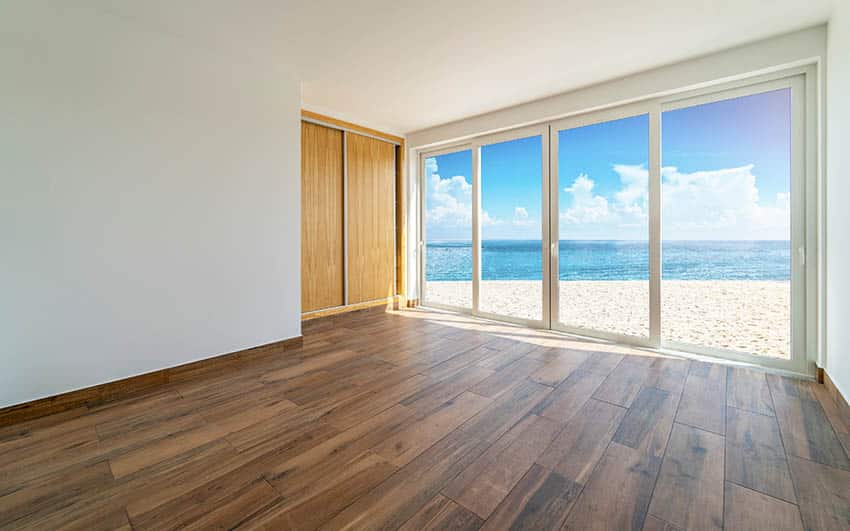
A random width layout mixes planks of different sizes (e.g., 3”, 5”, and 7”) for a custom, handcrafted appearance. This design mimics historic hardwood floors, where varying plank widths were common due to manual milling techniques. It adds visual interest and works well in both traditional and eclectic interiors.
The irregularity of the layout creates a more organic, less manufactured look compared to uniform planks. This approach is perfect for homeowners who want a unique, artisanal feel. Since no two floors will look exactly the same, random width layouts offer a one-of-a-kind aesthetic.
To prevent a chaotic appearance, stick to a consistent wood species and stain. Mixing too many tones or textures can make the floor look disjointed. This layout pairs well with vintage furniture and layered textiles, enhancing the cozy, lived-in vibe of a space.

Which hardwood floor layout is best for small rooms?
A straight or diagonal layout works well in small rooms, as both can create the illusion of more space. Straight planks parallel to the longest wall elongate the room, while a diagonal layout draws the eye outward, making the area feel larger. Avoid overly busy patterns like herringbone in tight spaces, as they can feel overwhelming.
Is herringbone or chevron more expensive to install?
Both patterns are more costly than straight layouts due to the precision required in cutting and installation. Chevron may be slightly more expensive because each plank must be cut at a precise angle to form perfect V-shapes. Herringbone allows for some variation, but both require skilled labor for the best results.
Can I mix different hardwood floor layouts in my home?
Yes, mixing layouts can define different areas in an open floor plan. For example, use herringbone in the dining room and straight planks in the living area. However, stick to the same wood species and stain to maintain cohesion. Too many contrasting patterns can make the space feel disjointed.
What’s the most durable hardwood floor layout?
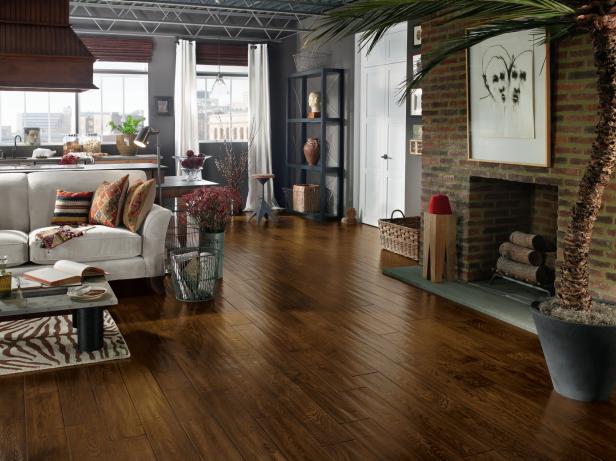
Durability depends more on the wood species and finish than the layout. However, straight and wide plank layouts tend to show wear less noticeably than intricate patterns like herringbone. Thicker planks and high-quality finishes will ensure longevity regardless of the pattern.
Does plank width affect the room’s perceived size?
Wide planks can make a small room feel cozier, while narrow planks create a more traditional, elongated look. For spaciousness, medium-width planks in a straight or diagonal layout work best. Lighter finishes also help open up a room, regardless of plank size.
How do I maintain patterned hardwood floors?
Regular sweeping and damp mopping keep any hardwood floor looking its best. For intricate patterns like herringbone, avoid excessive water, which can seep into seams. Use furniture pads to prevent scratches, and refinish the floors as needed to maintain their beauty over time.

Hardwood Flooring Design Ideas & Tips
Wood Floors ideas

Hardwood Floor Designs – Hardwood Floor Ideas – Hardwood Floor Trends
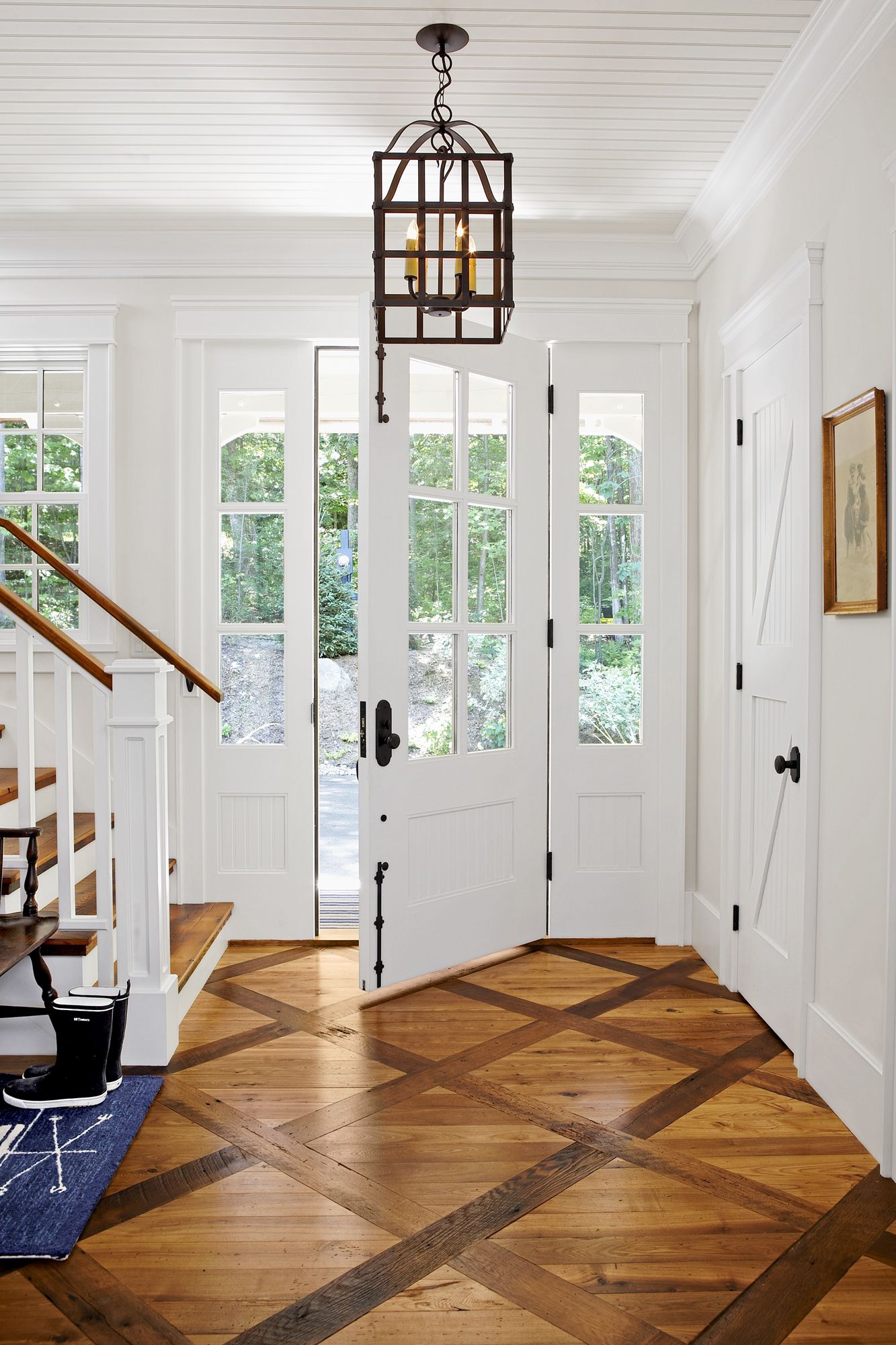
Fashionable Flooring Ideas – Wood Floor Patterns
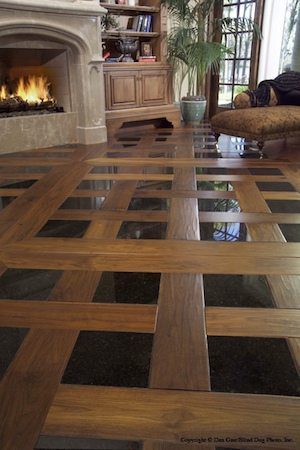
Hardwood Flooring Design Tips – The Flooring Girl

Related Posts: