After twenty years in interior design, I’ve watched countless homeowners struggle with hardwood flooring choices. The sheer variety of styles, finishes, and installation methods can overwhelm even the most decisive clients. Through my experience renovating over two hundred homes, I’ve learned that selecting the right hardwood style isn’t just about beauty; it’s about matching your lifestyle, budget, and long-term vision. Each wood species and installation pattern tells a story and creates a foundation that influences every other design decision in your space.
Classic Plank Widths and Their Impact
Traditional three-inch planks dominated my early career, but I’ve discovered that width dramatically affects room perception. Narrow planks create busy visual patterns that work beautifully in smaller spaces, making them appear larger through the illusion of more individual elements. However, in grand spaces, narrow planks can look choppy and underwhelming. The key is proportion, matching plank width to room size and ceiling height for optimal visual balance.
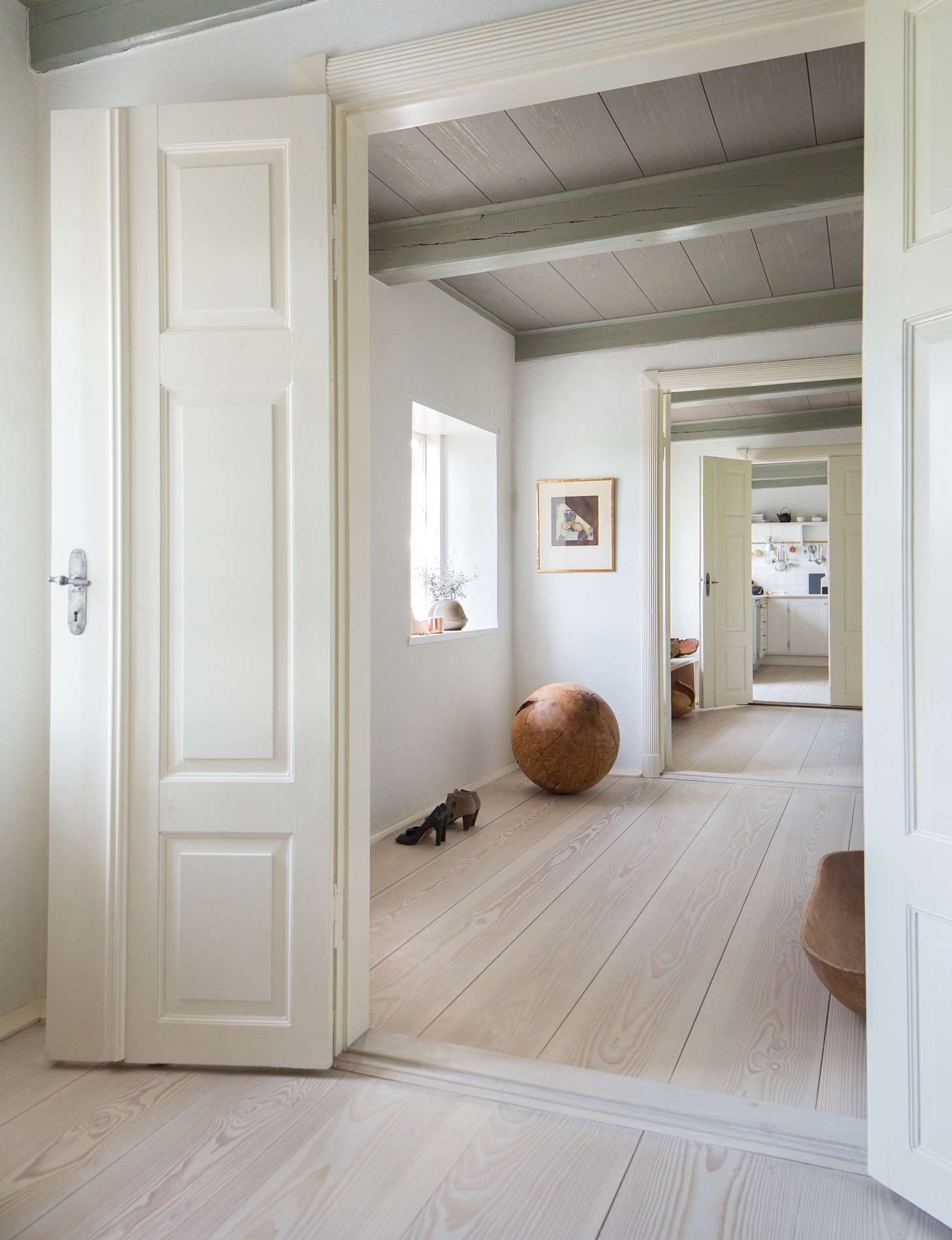
Wide planks, typically five to eight inches, became my go-to choice for modern and contemporary spaces. They create clean lines and showcase the wood’s natural grain patterns more effectively than their narrow counterparts. I particularly love seven-inch planks in open concept layouts where continuous sight lines benefit from fewer visual interruptions. The wider surface area allows the wood’s character marks and color variations to shine through beautifully.
Mixed-width installations offer the best of both approaches when executed thoughtfully. I typically combine three different widths in specific ratios, creating organic randomness that mimics reclaimed or antique flooring. This technique works exceptionally well in rustic or farmhouse designs where imperfection adds character. However, random-width installations require careful planning to avoid clustered patterns that can appear awkward or unintentional.
Wood Species Selection Strategy
Oak remains my most recommended species due to its versatility and durability, but each wood type serves specific design purposes. Red oak provides bold grain patterns and warm undertones that complement traditional and transitional styles perfectly. White oak offers subtler grain patterns and cooler tones that work beautifully in contemporary settings. Both species accept stain beautifully, allowing infinite customization possibilities.
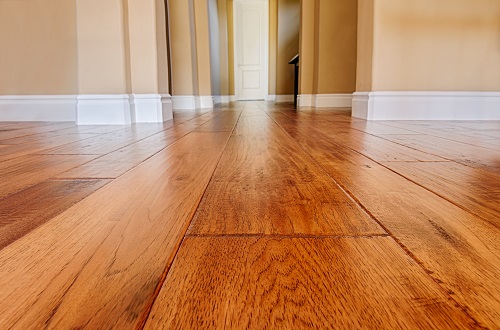
Exotic species like Brazilian cherry or hickory create dramatic focal points but require careful consideration of the surrounding design elements. These woods often feature intense grain patterns and rich natural colors that can overwhelm subtle design schemes. I reserve exotic species for clients who want their floors to be statement pieces rather than neutral backgrounds. The investment is significant, but the visual impact justifies the cost in the right setting.
Reclaimed wood brings unmatched character and sustainability to projects, though it presents unique challenges. Each piece carries history through nail holes, weathering, and patina that creates instant authenticity. I source reclaimed materials carefully, ensuring structural integrity while preserving character marks. The irregular nature of reclaimed wood requires skilled installation and typically costs more than new materials, but the results are irreplaceable.

Stain Colors and Finish Selection
Natural finishes showcase wood’s inherent beauty while providing maximum design flexibility for future changes. I often recommend natural finishes for clients unsure about long-term color preferences or those planning to update other room elements frequently. Clear finishes highlight each species’ unique characteristics without adding artificial coloring that might date the installation over time.
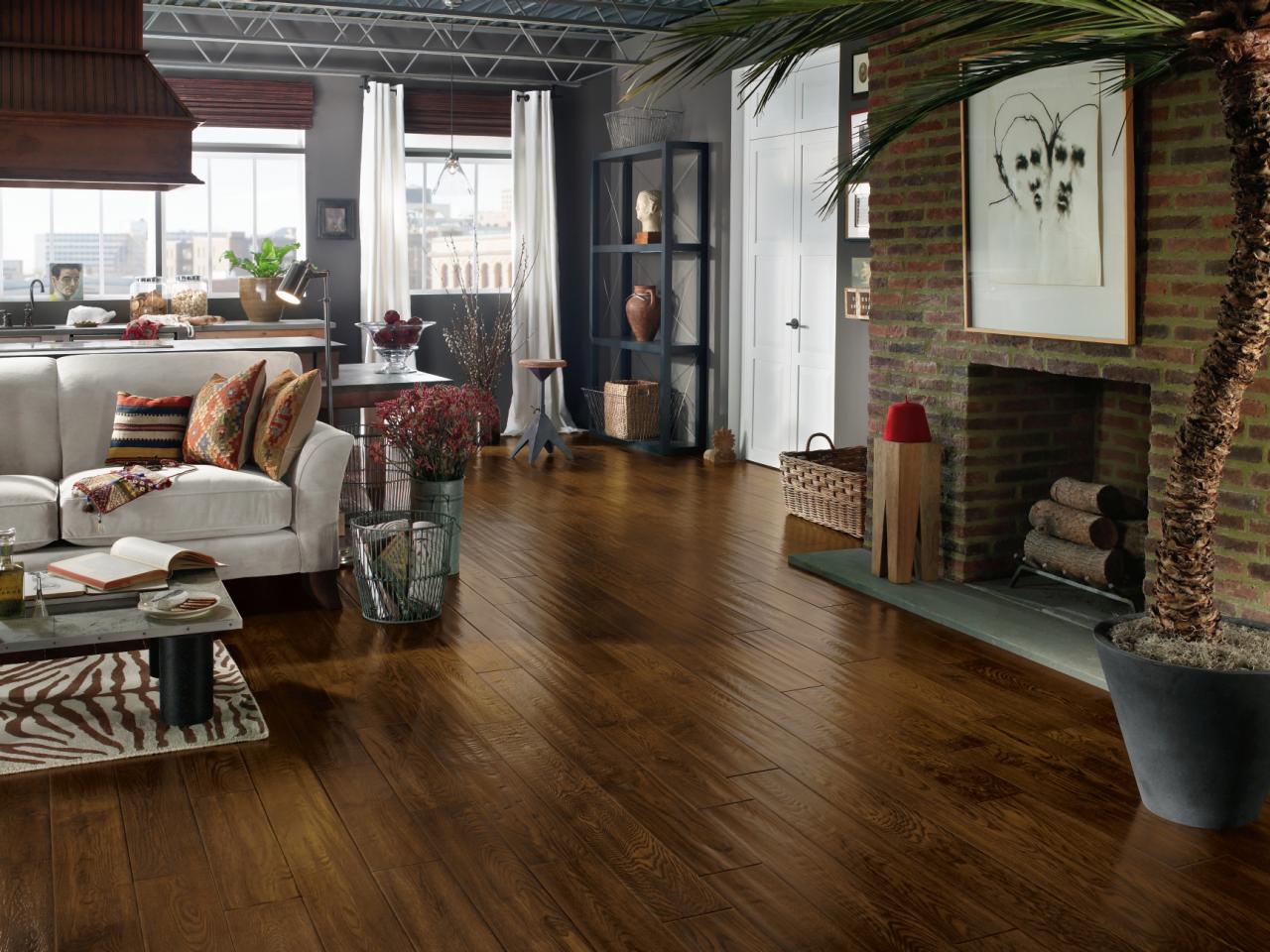
Dark stains create dramatic elegance but require commitment and careful maintenance planning. Ebony and dark walnut stains provide stunning contrast in light-filled spaces but show dust, scratches, and pet hair more readily than lighter alternatives. I always discuss maintenance expectations with clients, considering dark stains, ensuring they understand the daily upkeep required to maintain that rich, sophisticated appearance.
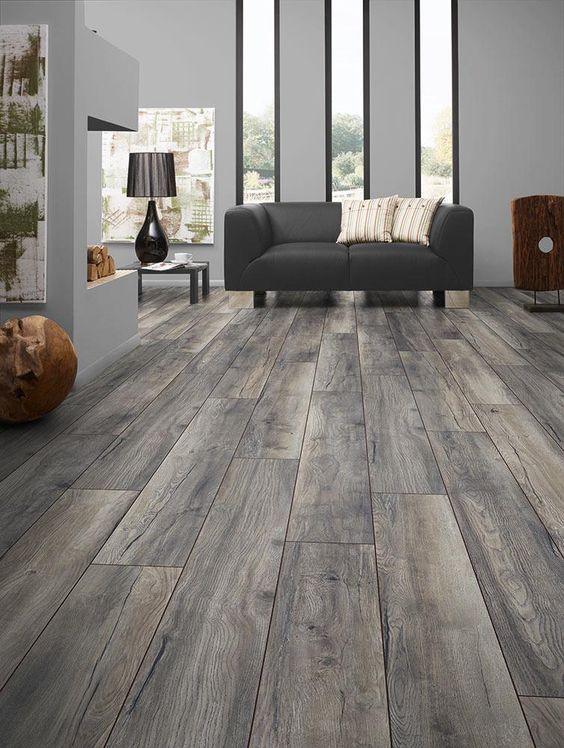
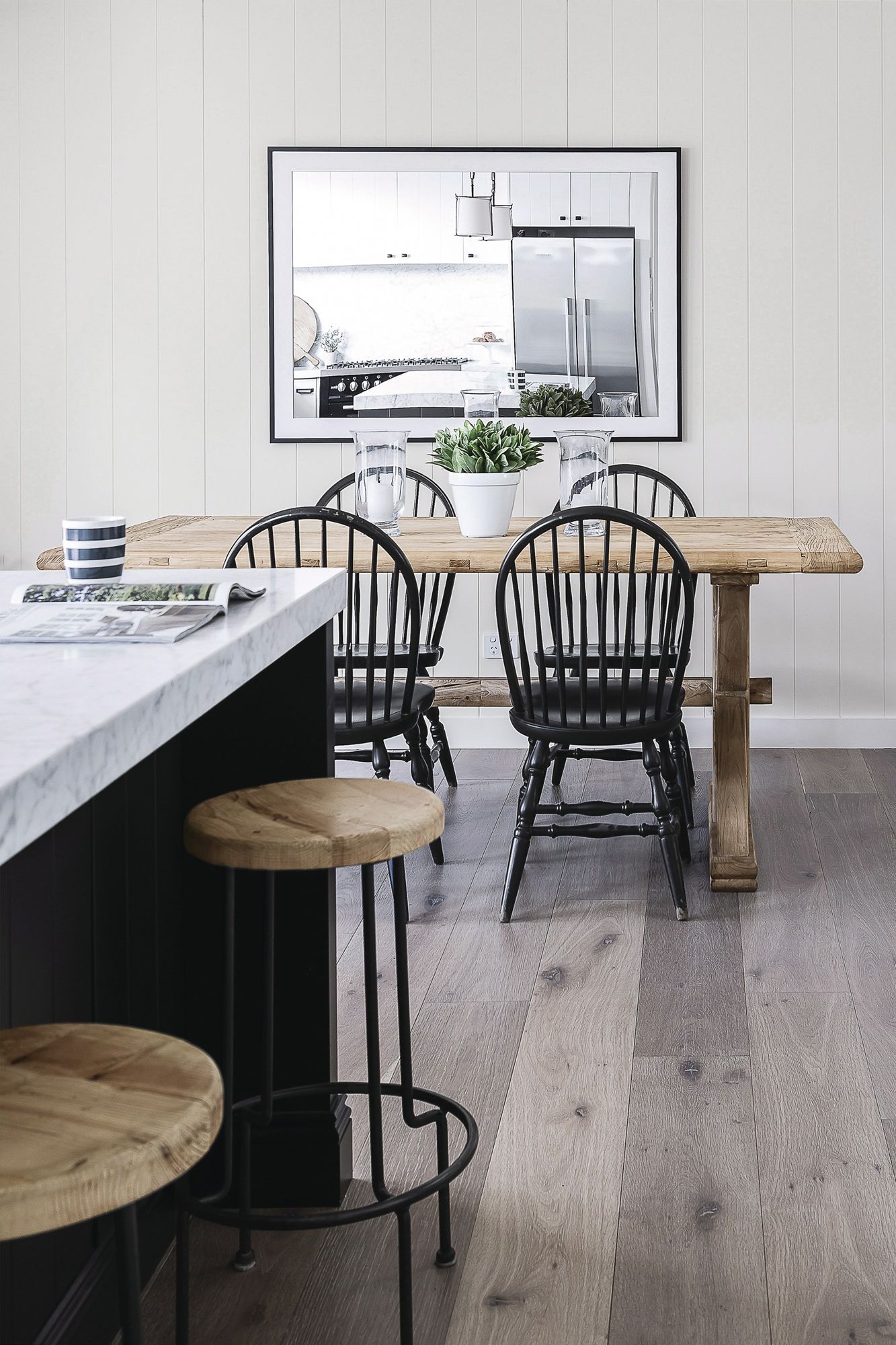
Gray stains revolutionized my color recommendations over the past decade, offering contemporary appeal without the maintenance challenges of dark stains. Light gray washes create coastal or Scandinavian vibes, while deeper charcoal tones provide modern sophistication. Gray stains work particularly well with white oak’s neutral grain patterns, creating floors that complement both warm and cool color schemes throughout the home.

Installation Pattern Considerations
Straight lay patterns remain the most popular choice for good reason; they’re timeless, cost-effective, and work in virtually any space. The direction of straight installations significantly impacts room perception. Running planks parallel to the longest wall makes narrow rooms appear wider, while perpendicular installation can make long, narrow spaces feel more proportional. I consider natural light sources, traffic flow, and architectural features when determining plank direction.
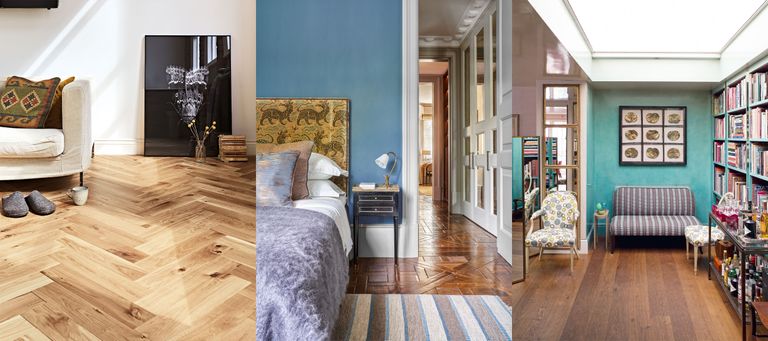
Herringbone patterns add instant luxury and visual interest but require significant additional labor and material waste. Traditional herringbone creates formal elegance perfect for dining rooms or grand foyers, while chevron patterns offer a more contemporary interpretation. Both patterns work best in larger spaces where the geometric design has room to develop fully. The additional cost typically runs thirty to fifty percent above straight installations.
Diagonal installations create dynamic energy in rectangular rooms by drawing the eye across corners rather than following wall lines. This technique works exceptionally well in square rooms where traditional straight patterns might feel static. However, diagonal patterns increase material waste and installation complexity, making them better suited for smaller accent areas or rooms where the dramatic effect justifies the additional investment.

Texture and Surface Treatment Options
Hand-scraped textures became extremely popular during my mid-career years, adding Old World charm and hiding minor imperfections effectively. The irregular surface patterns catch light differently throughout the day, creating subtle shadows that add depth and interest. However, these textures can trap dirt and require more intensive cleaning methods. I recommend hand-scraped finishes for low-traffic areas or clients who prioritize character over easy maintenance.
Wire-brushed surfaces offer texture benefits without the maintenance challenges of hand-scraped options. This technique removes soft grain components while leaving harder grain lines raised, creating a subtle texture that’s easier to clean than deep hand-scraped grooves. Wire-brushed surfaces work particularly well with gray stains, enhancing the contemporary aesthetic while providing some practical benefits for hiding minor wear.
Smooth finishes provide the easiest maintenance and most formal appearance, making them perfect for contemporary and traditional formal spaces. The clean surface reflects light evenly, creating a consistent color appearance throughout the room. Smooth finishes showcase stain colors most accurately and provide the best foundation for high-gloss polyurethane applications that create mirror-like reflectivity.

Modern Trends and Future Considerations
Sustainability consciousness drives many of my current recommendations toward FSC-certified and locally sourced materials. Clients increasingly request information about their flooring’s environmental impact, leading me to research and recommend suppliers with responsible harvesting practices. Bamboo and engineered options using sustainable cores provide eco-friendly alternatives without compromising aesthetic appeal.
Technology integration appears in smart home applications where flooring meets heating systems and moisture monitoring. Radiant heating systems work beautifully with engineered hardwood but require specific installation techniques and compatible wood species. I now discuss these systems during initial consultations as more clients prioritize energy efficiency and comfort technology integration.
Maintenance innovations like water-based polyurethanes and aluminum oxide finishes extend floor life while reducing environmental impact. These newer technologies often outperform traditional oil-based finishes while offering faster curing times and lower odor during application. I’ve shifted most of my recommendations toward these advanced options as they provide superior performance with reduced environmental concerns.
What hardwood style works best for homes with pets and children?
Engineered hardwood with aluminum oxide finish provides the best combination of beauty and durability for active families. Medium-toned stains like honey oak or natural walnut hide scratches and dents better than dark or light extremes. Hand-scraped or wire-brushed textures camouflage minor damage that smooth surfaces would highlight. Five-inch planks offer good proportion without the narrow gaps that can trap pet hair like wider planks sometimes do.
How do I choose between solid and engineered hardwood for my specific situation?
Solid hardwood works best above grade in stable environments where you plan to stay long-term and potentially refinish multiple times. Engineered hardwood excels in basements, over concrete, with radiant heating, or in high-moisture areas like kitchens. Engineered options also provide better dimensional stability in climates with significant seasonal humidity changes. Consider your installation location, climate, and long-term plans when making this crucial decision.
What’s the most cost-effective way to achieve a high-end hardwood look?
Engineered hardwood with a thick wear layer offers the best value for achieving a premium appearance at a moderate cost. Choose popular species like oak over exotics to reduce material costs while maintaining quality. Standard three-inch planks cost less than wide planks but still provide classic beauty. Natural finishes eliminate staining costs while offering maximum design flexibility. Professional installation ensures longevity that justifies the investment.
How do different hardwood styles affect home resale value?
Classic oak in natural or medium brown stains provides the strongest resale value due to broad appeal and timeless aesthetics. Wide planks typically add more value than narrow ones in today’s market. Avoid highly personalized choices like bold stains or exotic species that might limit buyer appeal. Quality installation and proper maintenance matter more than specific style choices for maintaining investment value over time.
What maintenance differences should I expect between various hardwood styles?
Smooth finishes require simple sweeping and occasional damp mopping but show scratches more readily than textured surfaces. Hand-scraped and wire-brushed floors hide damage better but need more intensive cleaning to remove dirt from texture grooves. Dark stains show dust and pet hair daily, while light stains hide debris better. Matte finishes hide minor wear better than high-gloss options but may look dull without proper maintenance.
How do I coordinate hardwood styles with existing home architecture?
Traditional homes benefit from classic narrow to medium planks in natural or warm brown stains that complement original millwork and proportions. Contemporary spaces work well with wide planks in natural or gray stains that emphasize clean lines and minimal detail. Craftsman and farmhouse styles suit reclaimed or hand-scraped textures that add character. Consider your home’s age, architectural details, and overall design aesthetic when selecting complementary hardwood styles.
Hardwood Floors ideas hardwood floors, hardwood, flooring

Top Living Room Flooring Options
Hardwood Floors ideas

Hardwood Floor Designs – Hardwood Floor Ideas – Hardwood Floor Trends
Related Posts: