My fascination with Craftsman kitchens began fifteen years ago when I inherited my great-aunt’s 1912 bungalow. The original kitchen flooring was barely hanging on, but its bones told an incredible story of craftsmanship and purposeful design. Through restoring that kitchen and dozens of others since, I’ve learned that authentic Craftsman flooring isn’t just about appearance, it’s about honoring the movement’s core principles of natural materials, honest construction, and functional beauty. Every choice I make now reflects these timeless values while accommodating modern living needs.
Understanding Authentic Craftsman Materials
Quarter-sawn oak became my obsession after discovering its unique grain patterns in that first restoration project. The perpendicular sawing method creates distinctive ray patterns that catch light beautifully while providing superior stability compared to plain-sawn lumber. This technique was favored by Arts and Crafts builders because it showcased the wood’s inherent character rather than hiding it. The extra labor involved in quarter-sawing reflects the movement’s emphasis on quality over quantity and mass production shortcuts.
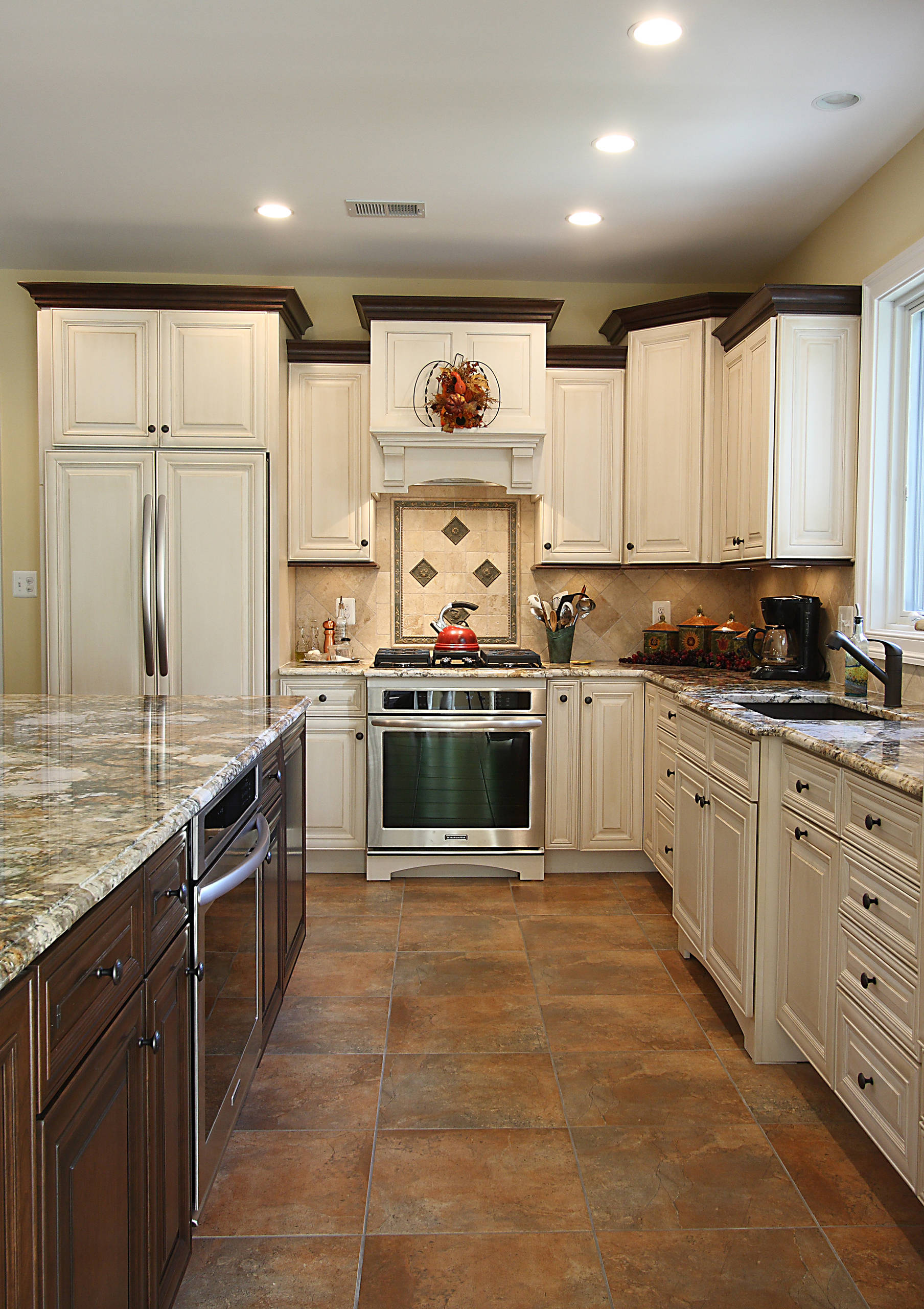
Natural stone materials like slate and limestone perfectly embody Craftsman principles through their organic textures and earth-tone colorations. I’ve installed countless slate floors in Craftsman kitchens, appreciating how each piece varies slightly in thickness and color intensity. These variations create visual interest while maintaining the subdued, natural palette that defines the style. The durability of natural stone also aligns with Craftsman values of creating lasting, functional beauty rather than trendy, disposable design.
Cork flooring emerged as my surprising favorite for clients seeking authentic materials with modern performance benefits. This renewable resource offers natural antimicrobial properties and comfortable underfoot cushioning that works beautifully in kitchen environments. The warm, honey tones of natural cork complement Craftsman color schemes perfectly while providing practical benefits like noise reduction and thermal insulation. Cork’s sustainability appeals to clients who appreciate the movement’s connection to nature and environmental consciousness.

Color Palettes That Honor the Movement
Earth tones form the foundation of every authentic Craftsman kitchen I design, drawing inspiration from natural materials and landscapes rather than artificial color trends. Deep browns, warm tans, and rich amber tones create the grounding base that allows other design elements to shine without competing for attention. These colors age gracefully and maintain their relevance across decades, reflecting the movement’s emphasis on timeless rather than fashionable design choices.
Forest greens and muted blues provide accent opportunities while staying true to Craftsman principles of drawing color inspiration from nature. I often incorporate these deeper tones in backsplash areas or cabinet details while keeping flooring in the neutral earth-tone family. This approach creates visual interest without overwhelming the space or violating the style’s preference for subtle, harmonious color relationships rather than bold contrasts.
Avoiding bright whites and stark contrasts remains crucial for maintaining authentic Craftsman character in kitchen flooring choices. The movement rejected the Victorian era’s love of dramatic color combinations in favor of more subtle, unified palettes that promoted calm and contemplation. I guide clients toward cream, ivory, and warm gray tones when lighter colors are necessary, ensuring these choices support rather than fight against the style’s natural material emphasis.

Hardwood Species Selection and Treatment
White oak dominates my Craftsman kitchen flooring recommendations due to its perfect balance of durability, workability, and aesthetic appeal. The species’ prominent grain patterns align beautifully with Arts and Crafts appreciation for natural wood character, while its hardness withstands kitchen traffic admirably. I particularly love how white oak accepts stain evenly, allowing me to achieve those rich, medium-brown tones that define authentic Craftsman interiors without fighting the wood’s natural characteristics.
Chestnut and hickory offer alternatives for clients seeking more dramatic grain patterns and color variations within their flooring. American chestnut, though rare and expensive, provides unmatched historical authenticity for purist restorations. Hickory delivers a similar visual impact at a more reasonable price point while offering superior durability for active family kitchens. Both species showcase the movement’s celebration of wood’s inherent beauty rather than trying to disguise or standardize natural variations.
Mission-style finishing techniques focus on enhancing rather than masking the wood’s natural character through careful stain selection and application methods. I avoid high-gloss finishes in favor of satin or semi-gloss sheens that provide protection without creating artificial-looking surfaces. Hand-rubbed oil finishes offer the most authentic appearance but require more maintenance than modern polyurethane options. The key is choosing finishes that age gracefully and can be renewed rather than replaced entirely.

Tile Patterns and Installation Methods
Subway tile layouts work beautifully in Craftsman kitchens when executed with proper proportions and authentic materials rather than modern interpretations. I prefer handmade or hand-finished tiles that show slight variations in size and surface texture, reflecting the movement’s appreciation for human craftsmanship over machine precision. Running bond patterns create visual movement while maintaining the style’s preference for geometric simplicity and functional beauty over ornate decoration.
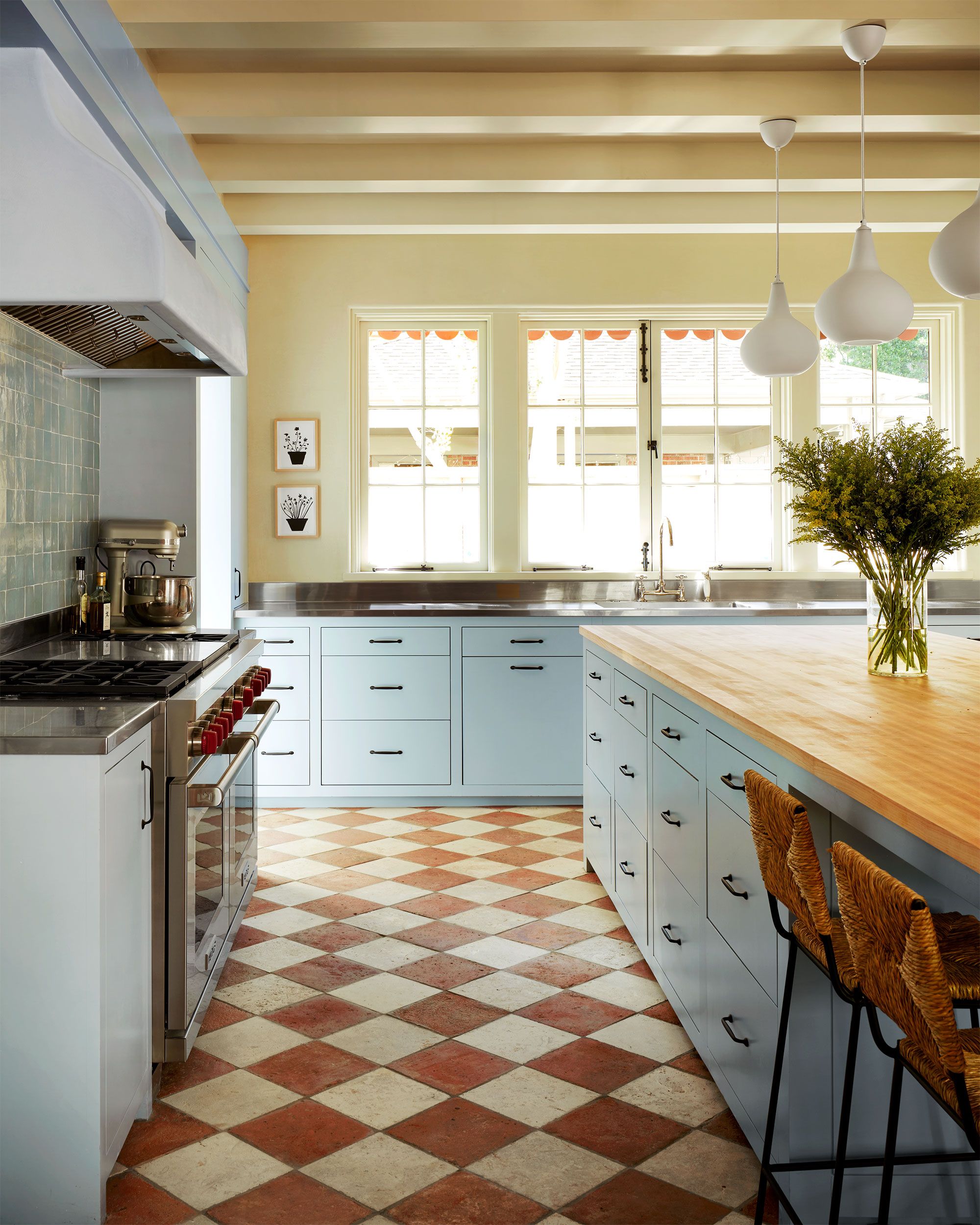
Hexagonal mosaic patterns offer another period-appropriate option that adds visual interest without violating Craftsman design principles. I typically use these patterns in smaller doses, perhaps in front of the sink or as accent borders, rather than covering entire floors. The key is selecting tiles in muted, natural colors that complement rather than compete with wood elements throughout the kitchen. White or cream hexagons with dark grout lines create classic contrast while maintaining appropriate color relationships.
Border treatments and inlay work allow me to incorporate more complex patterns while respecting the style’s restraint and purposeful design approach. Simple geometric borders using contrasting tile colors or materials can define spaces and add visual interest without overwhelming the overall composition. I often use narrow strips of darker tile or natural stone to create subtle transitions between different flooring materials or to highlight specific areas like cooking zones.

Blending Traditional and Modern Functionality
Radiant heating systems integrate beautifully with traditional Craftsman flooring materials while providing modern comfort levels that enhance daily living. I’ve successfully installed these systems beneath hardwood, tile, and stone floors without compromising their authentic appearance. The even heat distribution eliminates cold spots common in older homes while maintaining the style’s emphasis on practical solutions that improve rather than complicate daily life.
Moisture barriers and modern subflooring techniques protect traditional materials while preserving their authentic appearance and performance characteristics. These invisible improvements allow me to use historic materials in demanding kitchen environments without sacrificing durability or maintenance requirements. Proper preparation and installation methods ensure that beautiful hardwood or stone floors will serve families for generations rather than requiring frequent replacement or refinishing.
Low-maintenance finishes and sealers extend the practical life of traditional materials while maintaining their authentic appearance and character. I carefully select products that enhance rather than alter the natural look of wood or stone surfaces. These modern protective treatments allow busy families to enjoy beautiful Craftsman kitchen floors without the intensive maintenance requirements that might have been necessary with historic installation methods and materials.
Budget-Friendly Authentic Alternatives
Luxury vinyl plank options now convincingly replicate the appearance of quarter-sawn oak and other traditional hardwood species at significantly lower material and installation costs. I’ve found several manufacturers producing products with realistic grain patterns and appropriate color variations that honor Craftsman aesthetics. While purists might object, these alternatives allow more families to achieve the style they love within realistic budget constraints while providing superior moisture resistance in kitchen environments.
Laminate flooring technology has advanced dramatically, offering textured surfaces and authentic-looking grain patterns that capture Craftsman character at entry-level price points. I recommend products with longer plank lengths and subtle color variations that mimic real wood’s natural characteristics. The key is selecting options with appropriate sheen levels and avoiding overly glossy or artificial appearances that would violate the style’s emphasis on natural materials and honest construction.
Ceramic tiles designed to replicate natural materials provide another cost-effective approach to achieving authentic Craftsman aesthetics in kitchen installations. Wood-look porcelain tiles now offer incredibly realistic grain patterns and color variations while providing superior durability and moisture resistance compared to natural materials. Stone-look options similarly capture the texture and color variations of natural slate or limestone at a fraction of the cost and with easier maintenance requirements.

What flooring materials work best in a Craftsman kitchen renovation on a tight budget?
Luxury vinyl plank flooring offers the most authentic appearance at budget-friendly prices, especially products that replicate quarter-sawn oak grain patterns. Look for longer planks with subtle color variations rather than uniform appearance. Ceramic wood-look tiles provide excellent durability and moisture resistance while maintaining Craftsman aesthetics. Avoid high-gloss finishes and overly perfect patterns that appear artificial. Quality installation matters more than expensive materials for achieving convincing results within budget constraints.
How do I maintain authentic Craftsman style while meeting modern kitchen functionality needs?
Focus on natural materials in earth-tone colors while incorporating modern protective finishes and installation techniques. Radiant heating, moisture barriers, and advanced sealers provide contemporary performance without compromising authentic appearance. Choose hardwoods like white oak with low-maintenance polyurethane finishes rather than high-maintenance oils. Blend traditional patterns with practical layouts that accommodate modern appliances and traffic flows while respecting the style’s geometric simplicity and natural material emphasis.
Should I match my kitchen flooring exactly to adjacent rooms in a Craftsman home?
Consistent species and stain colors throughout connected spaces create the unified, harmonious flow that defines authentic Craftsman interiors. However, you can vary installation patterns or incorporate tile accents in the kitchen while maintaining color and material relationships. Natural transitions work better than abrupt changes. Consider using the same wood species with slightly different treatments or incorporating complementary tile borders that tie spaces together while acknowledging functional differences between the kitchen and living areas.
What are the biggest mistakes people make when choosing Craftsman kitchen flooring?
Using overly glossy finishes or stark white materials violates the style’s natural, muted aesthetic and creates jarring contrasts with traditional elements. Choosing trendy colors or patterns over timeless earth tones and simple geometrics dates the space and fights against Craftsman principles. Ignoring proportion by using too-narrow or too-wide planks disrupts visual balance. Selecting artificial materials when authentic alternatives exist at reasonable prices undermines the style’s emphasis on natural materials and honest construction methods.

How do different Craftsman flooring materials perform in high-moisture kitchen environments?
Natural stone like slate handles moisture excellently but requires proper sealing and maintenance to prevent staining. Hardwood needs careful installation with moisture barriers and prompt cleanup of spills to prevent damage. Ceramic tiles offer the best moisture resistance while maintaining an authentic appearance. Cork provides natural antimicrobial properties and moisture resistance superior to hardwood. Modern protective finishes significantly improve all materials’ moisture performance without compromising their traditional appearance or character.
Can I mix different flooring materials within a single Craftsman kitchen design?
Thoughtful material combinations enhance rather than complicate Craftsman kitchen designs when executed with appropriate transitions and unified color palettes. Wood and tile combinations work beautifully when connected by complementary earth tones and similar finish sheens. Use tile in high-moisture areas and wood in dining zones for practical benefits. Avoid more than two primary materials to maintain the style’s preference for simplicity. Border treatments and threshold details should feel purposeful rather than arbitrary, following the movement’s emphasis on functional beauty.

Related Posts: