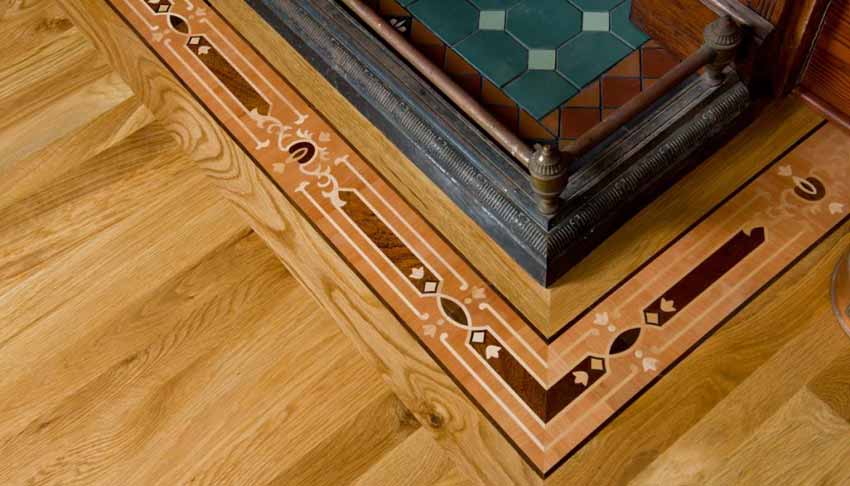
When I first walked into that Victorian home five years ago, the intricate hardwood floor borders immediately caught my attention. Those elegant inlaid patterns framing each room spoke of craftsmanship and attention to detail that modern homes rarely possess. After purchasing the house, I became obsessed with understanding how these beautiful borders were created and maintained. My journey led me through countless hours of research, consultations with master craftsmen, and eventually installing my own bordered floors in three additional rooms. The experience taught me that borders transform ordinary hardwood from simple flooring into genuine pieces of functional art.
Planning Your Border Design
Creating effective border designs requires balancing personal taste with the room’s architectural features and overall proportions. I spent weeks sketching different patterns, measuring room dimensions, and considering how borders would interact with doorways, built-ins, and furniture placement. Simple geometric patterns work beautifully in smaller spaces, while larger rooms can accommodate more elaborate designs featuring multiple wood species or intricate inlay work.
The relationship between border width and room size became crucial in my planning process, as I learned that oversized borders can overwhelm modest spaces while tiny borders disappear in grand rooms. I developed a rule of thumb: border width should equal roughly 8-12% of the room’s narrowest dimension. This proportion creates visual harmony while ensuring the border commands appropriate attention without dominating the space or competing with other design elements.
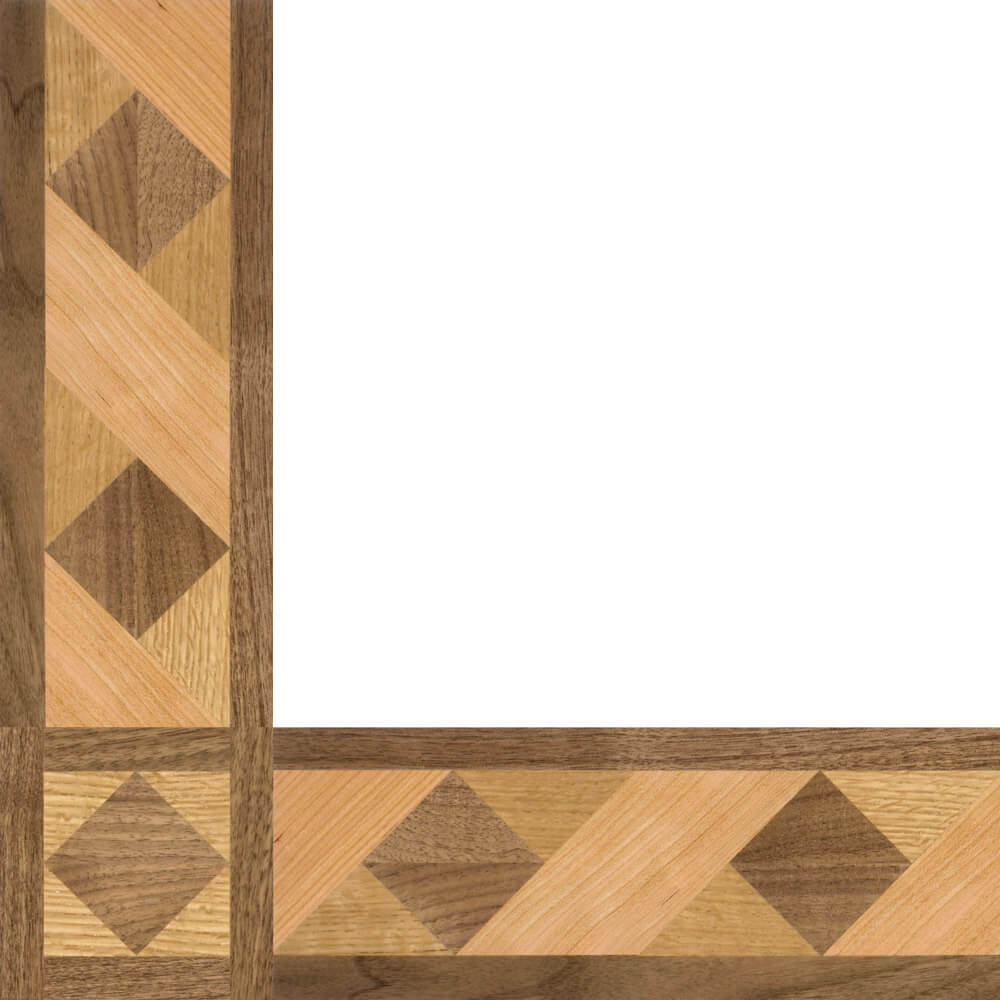
Color coordination between border materials and field flooring determines the overall visual impact and long-term satisfaction with your investment. I experimented with contrasting species combinations, discovering that dramatic differences create bold statements while subtle variations offer sophisticated elegance. My favorite combination pairs rich walnut borders with lighter oak fields, creating definition without overwhelming the room’s other features or furnishings.
Selecting Compatible Wood Species
Matching wood species for borders requires understanding how different materials expand, contract, and age over time to prevent future problems. I learned this lesson when my first border attempt used woods with significantly different expansion rates, resulting in gaps and buckling during seasonal changes. Consulting with experienced flooring professionals helped me select species combinations that move together harmoniously throughout the year.
Grain patterns and wood density play equally important roles in creating cohesive border designs that maintain their beauty long-term. I discovered that combining open-grain species like oak with tight-grain woods such as maple creates interesting textural contrasts while maintaining structural compatibility. The key lies in understanding how different species accept stain and finish, ensuring uniform appearance across all border components.
Availability and cost considerations often influence wood selection more than aesthetic preferences, particularly for complex border patterns requiring multiple species. I learned to source materials from specialty millwork suppliers who maintain consistent inventory of border-quality lumber. Planning ahead and ordering all materials simultaneously ensures color and grain matching across the entire project, preventing disappointing variations that compromise the finished appearance.
Installation Techniques and Challenges
Installing bordered floors demands precision measuring and cutting skills that exceed typical hardwood installation requirements significantly. I invested in high-quality miter saws, precise measuring tools, and sharp chisels to achieve the tight joints that professional-looking borders require. Practice cuts on scrap materials helped me perfect techniques before working with expensive border materials, preventing costly mistakes that could compromise the entire project.
Template creation became essential for complex border patterns, allowing me to test fit pieces and identify potential problems before final installation. I developed cardboard templates for intricate corners and intersections, ensuring consistent spacing and alignment throughout the installation process. This extra preparation time proved invaluable when working around challenging architectural features like curved walls or angled doorways that required custom solutions.
Managing moisture content across different wood species presented ongoing challenges throughout my installation process, as various woods respond differently to environmental changes. I learned to acclimate all materials together for extended periods, monitoring moisture levels with professional-grade meters. Maintaining consistent temperature and humidity during installation prevented expansion and contraction issues that could create gaps or cause buckling in completed sections.

Finishing and Protection Strategies
Achieving uniform finish appearance across multiple wood species requires understanding how different materials absorb stain and protective coatings. I discovered that pre-conditioning certain species prevents blotchy stain absorption while allowing others to take color more evenly. Test samples on scraps from each species helped me develop finishing schedules that produced consistent results across all border components and field flooring.
Sanding techniques for bordered floors differ significantly from standard hardwood finishing because of varying wood hardness and grain patterns. I learned to use different grit progressions for different species, preventing over-sanding of softer woods while ensuring adequate preparation of harder materials. Hand sanding around intricate border details requires patience but produces superior results compared to machine sanding in tight spaces.
Multiple finish coats provide essential protection for bordered floors while enhancing the natural beauty of different wood species and their grain patterns. I applied additional coats to high-traffic areas and border edges where wear typically occurs first. Quality polyurethane finishes with UV protection prevent color fading and maintain the distinct appearance differences between species that make borders so visually appealing over time.

Maintenance and Long-term Care
Regular maintenance schedules help preserve bordered floors’ appearance and prevent damage that requires expensive repairs or refinishing. I established weekly cleaning routines using pH-neutral cleaners and microfiber mops that protect finish integrity while removing dirt and debris. Prompt attention to spills and scratches prevents staining and wear patterns that can compromise the border’s crisp appearance and distinct species definition.
Seasonal adjustments to humidity levels prevent expansion and contraction problems that particularly affect bordered floors with multiple wood species. I installed whole-house humidification systems to maintain consistent moisture levels year-round, preventing gaps and buckling that can destroy border integrity. Monitoring indoor humidity with digital hygrometers helps me adjust environmental controls before problems develop.
Professional refinishing every 7-10 years maintains bordered floors’ beauty while addressing wear patterns and minor damage that accumulate over time. I learned to work with refinishing professionals experienced in bordered floors, as standard techniques can damage intricate inlay work. Planning refinishing schedules around major life events ensures minimal disruption while maintaining the floors’ stunning appearance for future generations to enjoy.

Cost Considerations and Value
Material costs for bordered floors typically run 40-60% higher than standard hardwood installation due to multiple species requirements and increased waste factors. I budgeted carefully for premium lumber grades necessary for clean border lines and consistent appearance. Specialty millwork and custom pieces for complex patterns add significant expense, but the visual impact and increased home value justify the investment for most homeowners.
Labor costs increase substantially for bordered installations because of precise measuring, cutting, and fitting requirements that demand skilled craftspeople. I obtained multiple quotes from experienced installers, discovering that expertise in bordered work commands premium pricing. Attempting DIY installation saved money but required significant time investment and skill development to achieve professional-quality results.
Long-term value considerations make bordered floors excellent investments despite higher initial costs, as they create distinctive features that set homes apart in competitive markets. I researched comparable home sales, finding that quality bordered floors consistently add more value than their installation cost. The timeless appeal and craftsmanship quality ensure these floors remain desirable features that enhance property values for decades.
How much additional time should I expect for bordered floor installation compared to standard hardwood?
In my experience, bordered floors require 50-75% more installation time than standard hardwood due to precise measuring, cutting, and fitting requirements. Complex patterns with multiple species can double installation time, particularly around challenging architectural features. I learned to plan for extended timelines and coordinate with contractors accordingly, as rushing bordered work inevitably leads to costly mistakes and disappointing results that require time-consuming corrections.
Can I add borders to existing hardwood floors, or do they require complete replacement?
I successfully added borders to two existing rooms by carefully removing perimeter boards and installing new border sections with proper transitions. However, this approach works only when existing floors are in excellent condition and species compatibility allows seamless integration. Matching wood species, finish color, and wear patterns presents significant challenges that often make complete replacement more practical and cost-effective than attempting retrofits.

What’s the minimum room size that can accommodate bordered floors without looking overwhelmed by the design?
Through trial and experience in various room sizes, I’ve found that rooms smaller than 10×12 feet struggle to accommodate traditional borders without appearing cramped or busy. However, simple single-species borders or narrow accent strips can work in smaller spaces when proportioned appropriately. The key lies in maintaining proper scale relationships between border width, room dimensions, and furniture placement to create harmonious rather than overwhelming visual effects.
How do I choose between contrasting and complementary wood species for my border design?
My approach involves considering the room’s overall design aesthetic, existing architectural features, and desired visual impact when selecting species combinations. Contrasting species create dramatic focal points that work well in formal spaces, while complementary species offer subtle elegance suitable for everyday living areas. I recommend creating sample boards with different combinations to evaluate how they interact with lighting conditions and existing finishes before making final decisions.

What special tools and equipment are necessary for DIY bordered floor installation?
Essential tools for my bordered floor projects included precision miter saws, high-quality squares and measuring devices, sharp chisels, and specialty router bits for inlay work. Professional-grade moisture meters, finish applicators, and dust collection systems proved invaluable for achieving quality results. While tool investment is substantial, the precision and control they provide makes the difference between amateur-looking and professional-quality installations.
How do bordered floors perform in high-traffic areas compared to standard hardwood installations?
Border edges and species transitions typically show wear more quickly than uniform hardwood surfaces, requiring more frequent maintenance and eventual refinishing. However, I’ve found that quality installation and appropriate finish selection help bordered floors perform admirably in most residential traffic situations. Strategic placement of area rugs and furniture protects high-wear zones while preserving the border’s appearance for years of enjoyment and beauty.
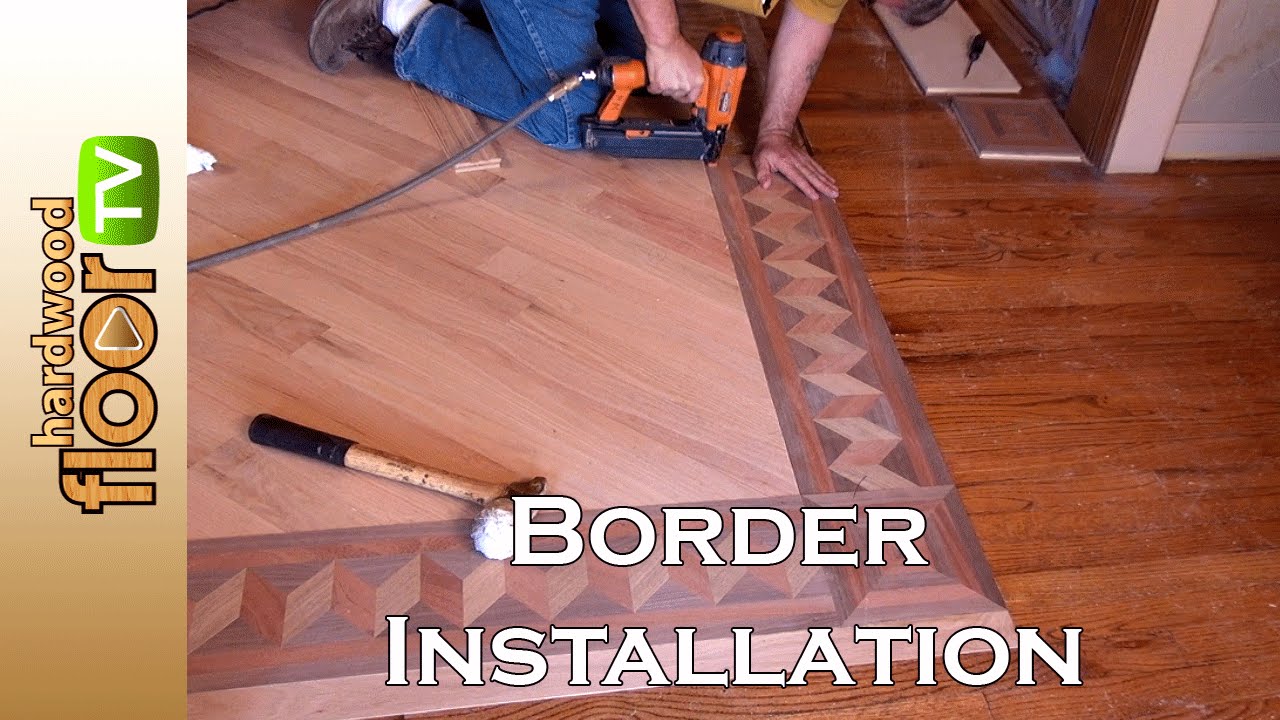
Red Oak with a Walnut Border Ozark Hardwood Flooring
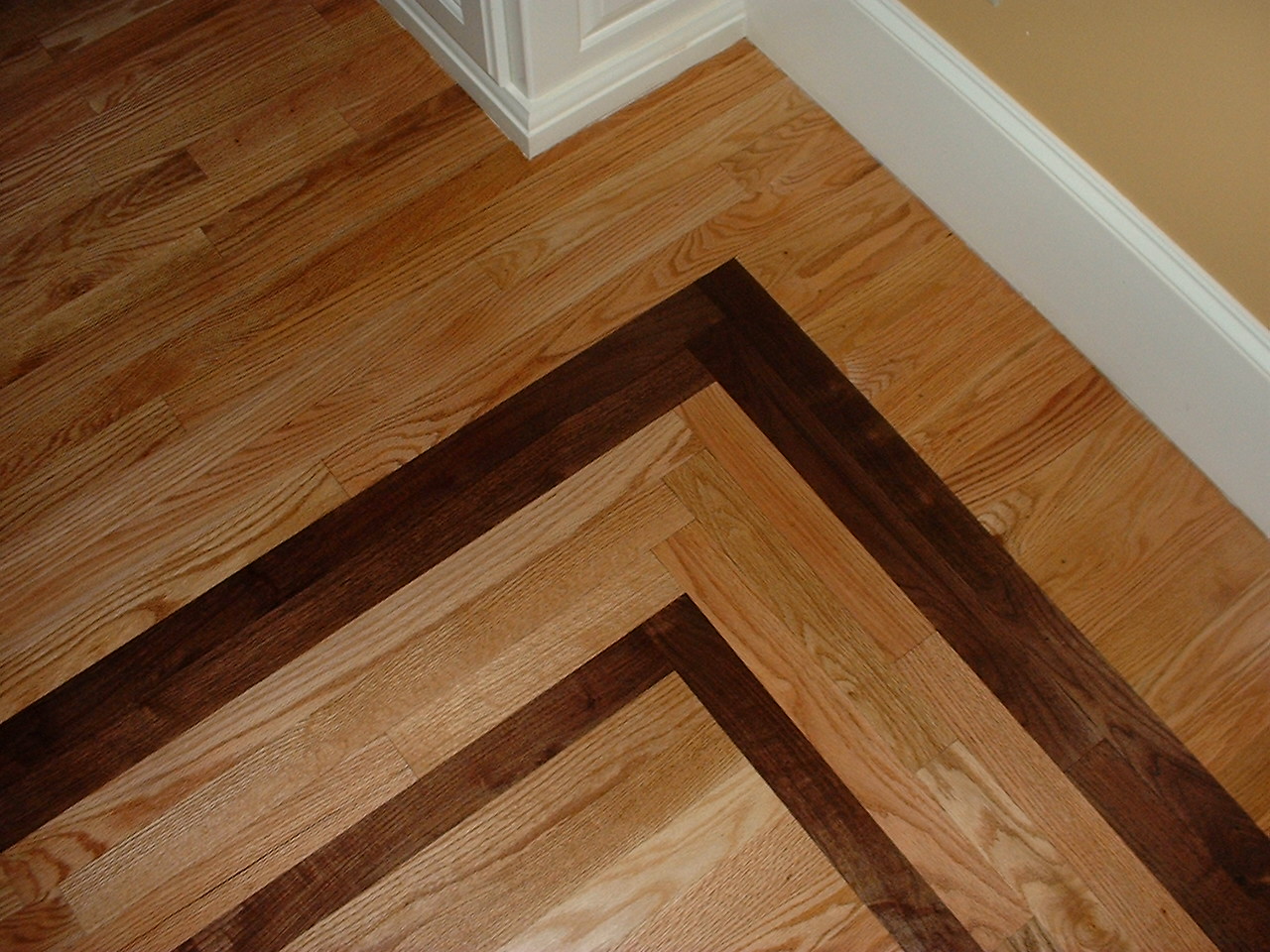
Oshkosh Designs – Wood Flooring Inlays for Award Winning Homes
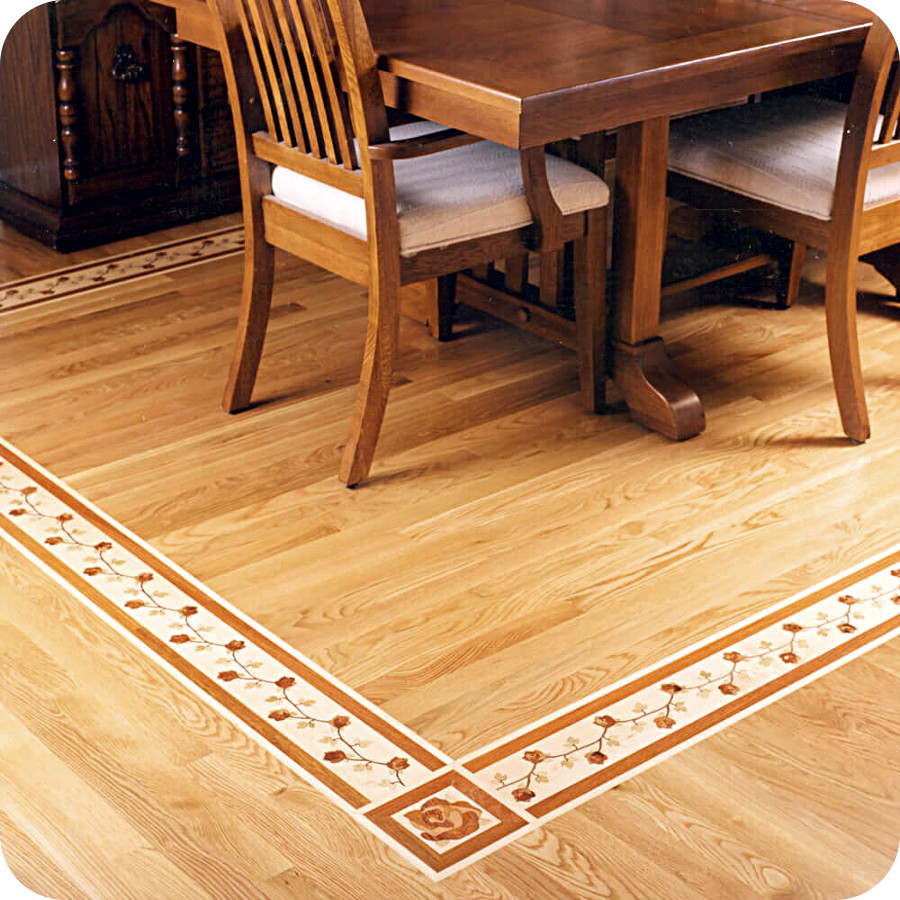
Brenton Cove Wood Border: Floor Border by Oshkosh Designs
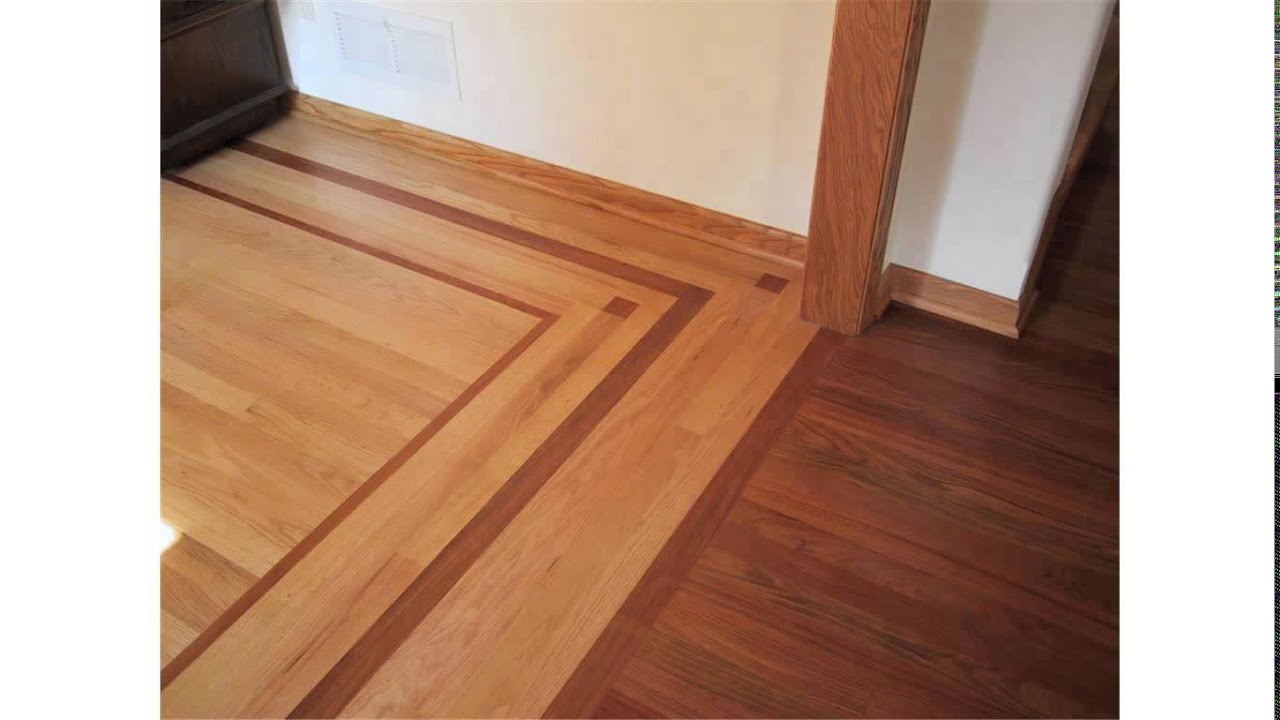
hardwood floor borders
Related Posts: