When I installed laminate flooring throughout my home five years ago, I thought cleaning would be simple and straightforward. I quickly learned that laminate requires specific care to maintain its appearance and prevent damage. After making nearly every mistake possible, from using too much water to choosing the wrong cleaning products, I’ve finally developed a routine that keeps my floors looking showroom-fresh. Let me share the practical techniques I’ve learned so you can avoid the costly errors I made along the way.
Daily Maintenance That Prevents Deep Cleaning
I sweep my laminate floors every evening using a microfiber dust mop, which takes maybe ten minutes for my entire 1,500 square feet. This daily habit prevents dirt and grit from accumulating and acting like sandpaper underfoot. When I skipped this routine during a busy week, I noticed visible scratches appearing in high-traffic areas. The small time investment in daily sweeping has dramatically extended my floor’s life and appearance.
Vacuuming works even better than sweeping for thorough daily cleaning. I use my vacuum’s hard floor setting without the beater bar, which could potentially scratch the laminate surface. The vacuum picks up fine dust that sweeping sometimes misses, especially along baseboards and in corners. I vacuum high-traffic areas like the kitchen and hallway daily, while less-used rooms get vacuumed two or three times weekly.
I keep a handheld vacuum and microfiber cloths strategically placed throughout the house for immediate spill response. The moment something spills, I wipe it up rather than letting it sit. This instant attention prevents sticky residue from forming and eliminates the need for aggressive scrubbing later. These quick cleanups take seconds but save significant effort during weekly deep cleaning sessions.
The Right Way to Mop Laminate Floors
My biggest early mistake was using a soaking wet mop on my laminate. Excess water seeped into the seams between planks, causing swelling and warping in several areas. I learned that laminate’s fiberboard core is extremely moisture-sensitive, and too much water is its worst enemy. Now I use what I call the “barely damp” technique where my mop is wrung out so thoroughly it’s almost dry to the touch.
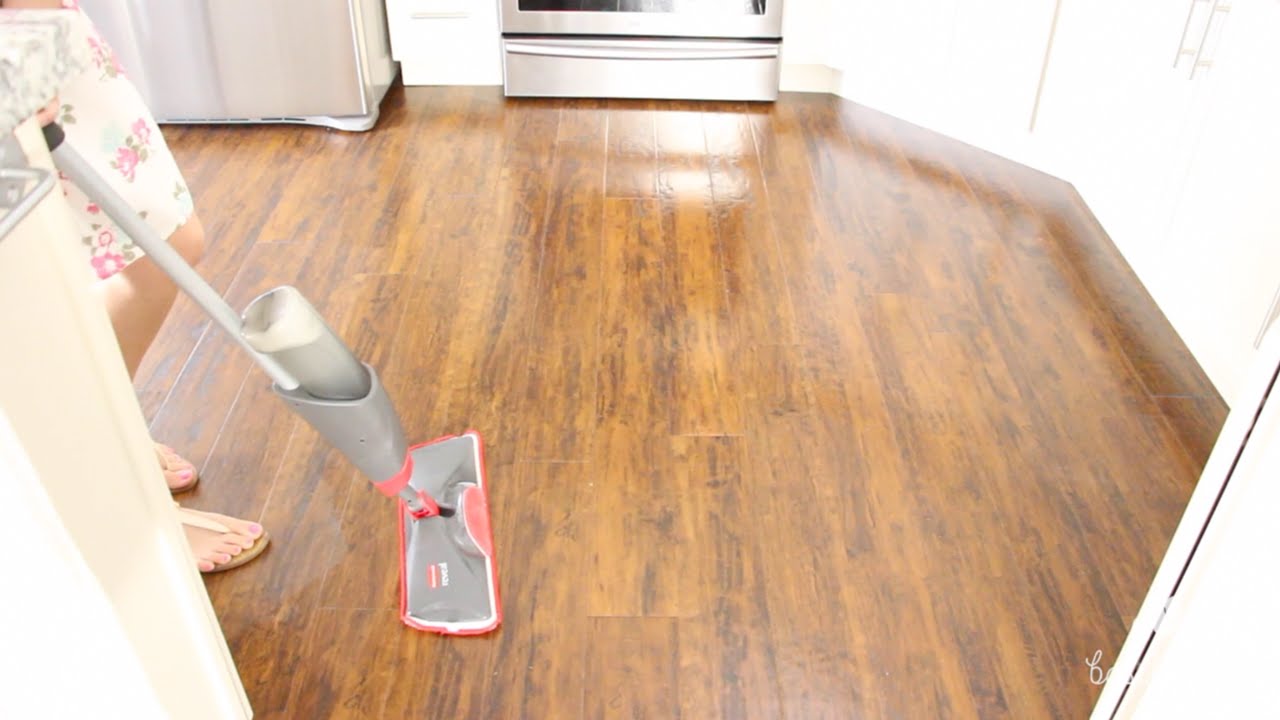
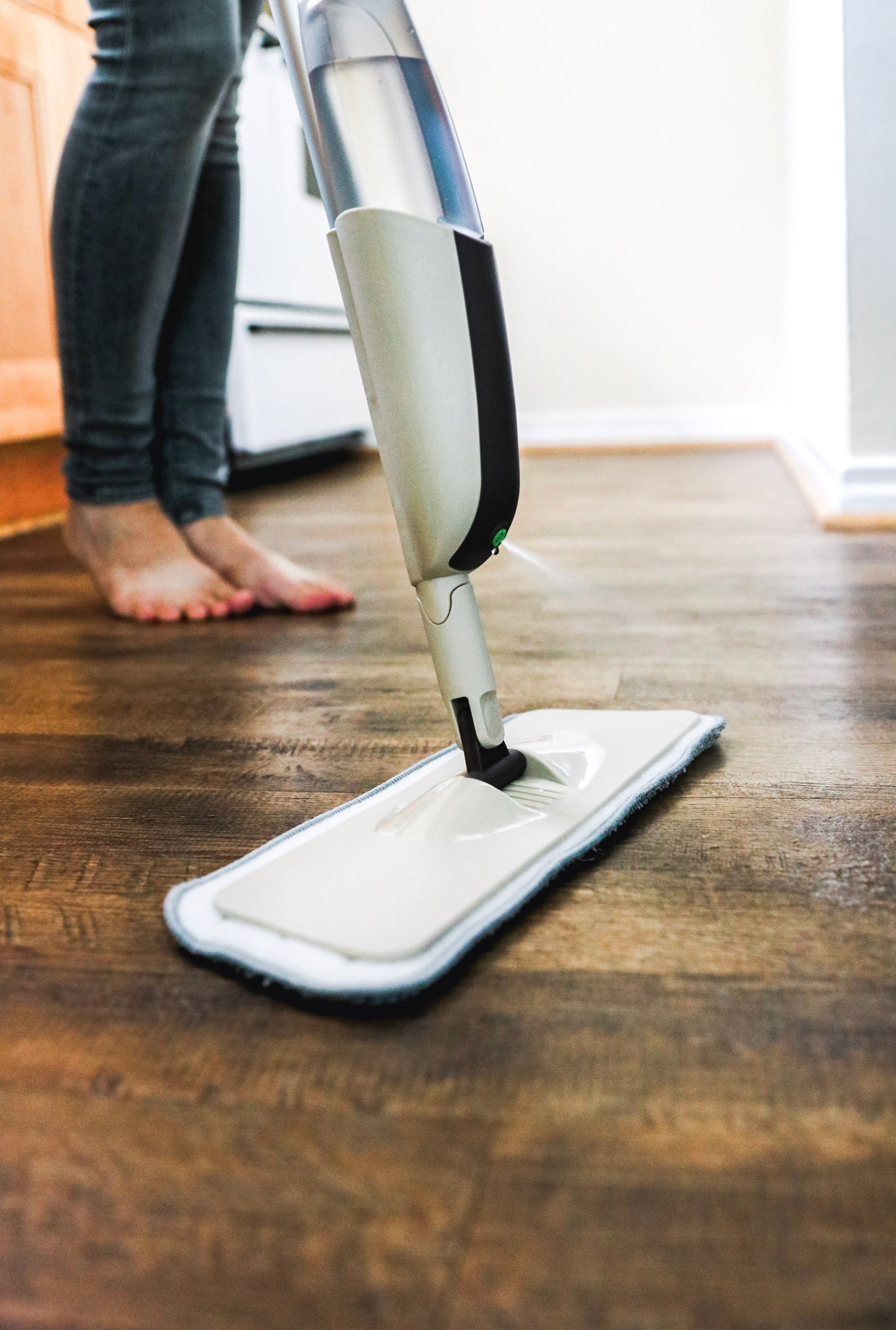
I prefer a spray mop system for laminate because it gives me precise control over moisture. I spray a small amount of laminate floor cleaner on a 4×4 foot section, immediately mop it up with a microfiber pad, and move to the next section. This controlled application ensures I’m cleaning effectively without risking water damage. The microfiber pad absorbs the cleaner and dirt while leaving the floor essentially dry within seconds.
For stubborn spots, I never let the mop sit on one area for more than a few seconds. Instead, I make multiple quick passes over problem areas rather than applying pressure or letting moisture sit. If a spot won’t come clean with normal mopping, I address it separately with a targeted cleaning technique rather than over-wetting the entire floor. This patience-based approach protects the laminate while still achieving cleanliness.

Choosing the Right Cleaning Products
I wasted money on at least six different cleaning products before finding what works. All-purpose cleaners left streaks and residue that made my floors look worse than before cleaning. Oil-based soaps created a slippery film that attracted dirt. I even tried homemade vinegar solutions that dulled the finish over time. The lesson I learned is that laminate-specific cleaners exist for good reasons and are worth the investment.
I now exclusively use cleaners specifically formulated for laminate floors. My go-to is Bona Laminate Floor Cleaner, which cleans effectively without leaving residue or streaks. It dries quickly and doesn’t require rinsing, saving time and reducing water exposure. The bottle costs about $10 and lasts me two months cleaning weekly, making it affordable compared to the damage generic cleaners caused.
Reading ingredient lists taught me what to avoid in laminate cleaners. Products containing wax, oil, or polish will build up on laminate surfaces over time, creating a dull, sticky mess. Ammonia-based cleaners can damage the protective wear layer. Bleach will discolor the decorative layer. Abrasive cleaners scratch the surface. Sticking with pH-neutral, laminate-specific products eliminates these risks and simplifies shopping decisions tremendously.

Tackling Stubborn Stains and Scuffs
Scuff marks from shoes drove me crazy until I discovered the magic eraser technique. A slightly damp melamine foam eraser removes most scuffs with gentle rubbing. I keep these erasers under my kitchen sink and use them weekly on problem areas. They work without harsh chemicals and don’t damage the laminate finish when used with a light touch. Over-scrubbing can dull the surface, so gentle pressure is key.
For sticky residue from spilled food or drinks, I use a plastic putty knife to gently lift the dried material before cleaning. This prevents spreading the sticky mess across a larger area. Once the bulk is removed, I clean the spot with my regular laminate cleaner. For particularly stubborn adhesives like tape residue, a tiny amount of rubbing alcohol on a cloth works wonders without damaging the floor.
I dealt with permanent marker from my toddler’s artistic experiment using dry-erase marker as a solvent. I scribbled over the permanent marker with a dry-erase marker, then wiped both away immediately with a cloth. This trick worked surprisingly well, removing most of the permanent marker without harsh chemicals. For the faint remaining traces, multiple applications of laminate cleaner eventually erased them completely. Patience and the right technique matter more than aggressive products.

What Never To Do When Cleaning Laminate
I learned about steam mop damage the expensive way. After using a steam mop for three months, I noticed the planks starting to separate slightly at the seams. The high heat and moisture from the steam penetrated between planks, damaging the locking mechanism and causing the core to swell. Repairing the damage required replacing several planks. Steam mops might work for tile, but they’re absolutely terrible for laminate despite what some manufacturers claim.
Never use abrasive scrubbing pads or steel wool on laminate. In frustration over a stubborn stain, I once used a green scrubbing pad that left permanent scratches in the wear layer. These scratches collected dirt and made the area look perpetually dirty. The damaged section eventually required replacement. Soft microfiber cloths and gentle pressure remove virtually any stain without risking surface damage.
I also learned not to drag heavy furniture across laminate without protection. Moving my refrigerator during a kitchen deep clean left deep scratches that couldn’t be buffed out. Now I use furniture sliders or old towels under furniture legs when moving anything heavy. This simple precaution prevents the heartbreak of permanent scratches from a moment of laziness. Prevention is infinitely easier than repair with laminate flooring.
Deep Cleaning and Restoration Techniques
Every few months, I perform a deep clean that goes beyond regular mopping. I move all furniture and rugs, thoroughly vacuum including under everything, then clean the entire floor in sections. This reveals dirt accumulation in corners and under furniture that regular cleaning misses. I use slightly more cleaner during deep cleaning but still maintain the barely-damp mop technique to protect the laminate.
For laminate that’s developed a dull appearance over time, I use a laminate floor polish designed to restore shine. This isn’t a wax or coating but a product that fills micro-scratches in the wear layer and enhances gloss. I apply it maybe twice a year after deep cleaning. The polish makes my five-year-old floors look nearly new again, proving that proper maintenance can dramatically extend laminate’s attractive appearance.
I discovered that sunlight fading in high-exposure areas can’t be cleaned away but can be minimized with UV-filtering window treatments. My laminate near south-facing windows showed noticeable lightening after two years. Now I close sheers during peak sun hours, which has slowed the fading process. This isn’t a cleaning issue but an environmental factor that affects appearance, teaching me that floor care includes protecting them from damaging elements beyond just dirt.

Can I use a steam mop on laminate flooring?
Absolutely not. I ruined sections of my floor with a steam mop before learning better. The heat and moisture damage the core material and weaken plank connections, causing swelling and separation. Laminate manufacturers universally void warranties if steam mops are used. Stick with barely damp mopping using laminate-specific cleaners for safe, effective cleaning.
How often should I actually clean laminate floors?
I sweep or vacuum daily and damp mop weekly for general maintenance. High-traffic areas like kitchens might need mopping twice weekly. Deep cleaning happens every 2-3 months. This schedule keeps my floors looking great without excessive work. Adjust based on your household traffic, pets, and kids. Regular light cleaning beats occasional heavy cleaning for laminate longevity.

What’s the best homemade cleaner for laminate floors?
Honestly, I don’t recommend homemade solutions. After trying many DIY recipes, none performed as well as commercial laminate cleaners without causing issues. Vinegar dulls the finish over time. Dish soap leaves residue. Plain water doesn’t clean effectively. A $10 bottle of proper laminate cleaner lasts months and protects your flooring investment better than homemade alternatives.
How do I remove water spots or streaks from laminate?
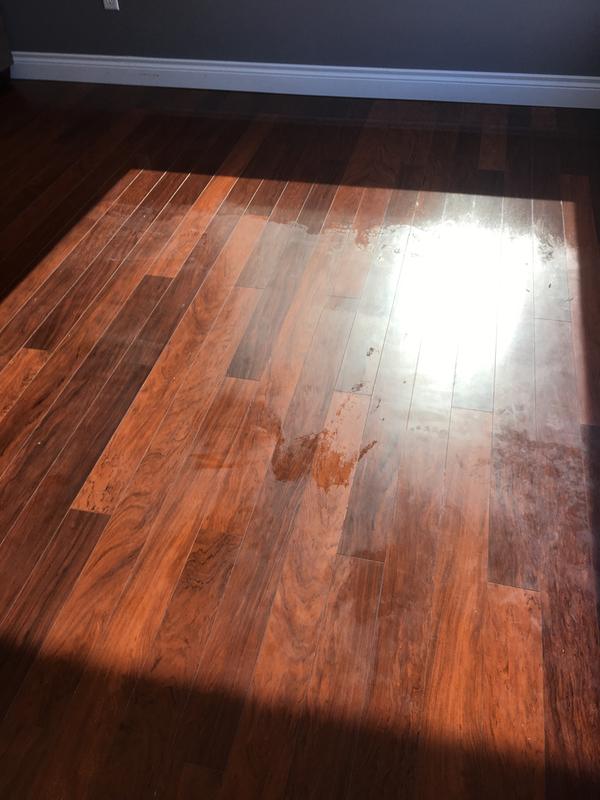
Streaks usually come from too much cleaner or not properly drying the floor. I buff areas with streaks using a clean, dry microfiber cloth immediately after mopping. For existing water spots, lightly re-clean just that area with minimal cleaner and immediately dry it thoroughly. Using less cleaning solution and ensuring complete drying prevents streaking in the future.
Can I use vinegar and water to clean laminate?
I tried this and regretted it. While vinegar is a popular natural cleaner, its acidity dulls laminate’s protective wear layer over time. I noticed my floors looking progressively cloudier after several vinegar cleanings. Commercial laminate cleaners are pH-neutral and specifically formulated to clean without damaging the finish. The small cost difference isn’t worth risking your floors.
How do I clean laminate floors without leaving residue?
Use laminate-specific cleaners that dry without residue and avoid over-applying product. I spray sparingly and immediately wipe with a clean microfiber pad. Never use wax, oil soap, or furniture polish on laminate, as these products build up over time. If residue exists from previous cleaning, it will gradually disappear as you switch to proper residue-free products.
How To Clean Laminate Wood Floors & Care Tips
Laminate Floor Cleaner
Related Posts: