The kitchen is one of the most often used rooms in a home, therefore flooring is an important consideration. The perfect kitchen flooring should combine durability, comfort, and style while also resisting dampness, stains, and high foot activity. With so many alternatives available—from hardwood and tile to vinyl and laminate—choosing the correct material can be difficult. Let’s discuss different flooring choices, highlighting their advantages, disadvantages, and optimal use cases to help you make an informed decision for your kitchen.
Hardwood Flooring
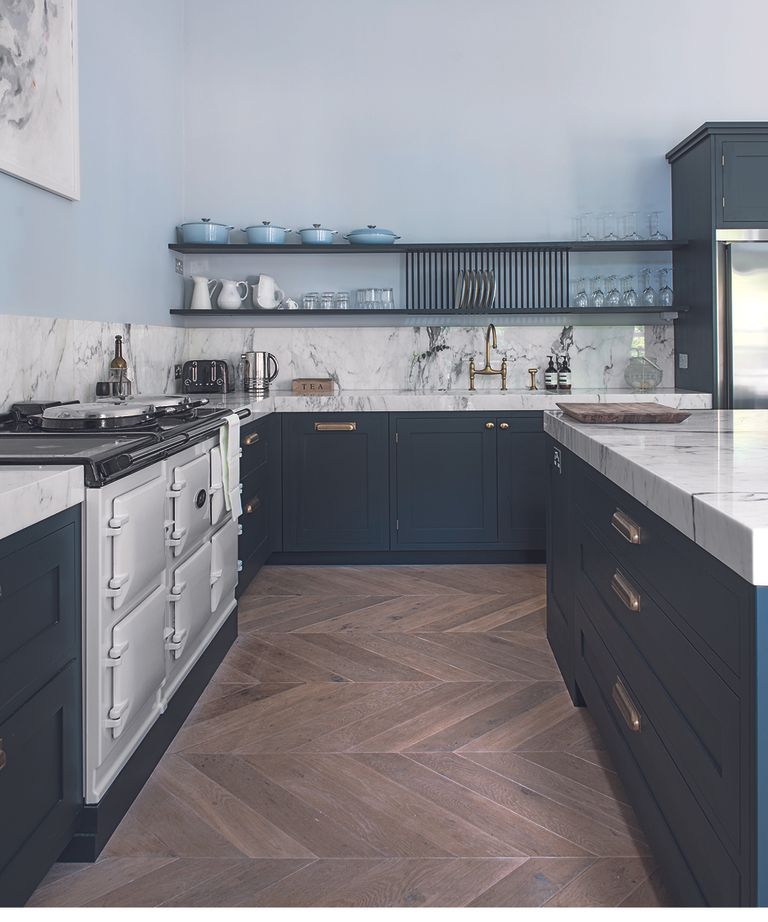
Hardwood flooring adds warmth and timeless elegance to any kitchen. Its natural beauty and wide range of wood species, including oak, maple, and walnut, enable for customisation to suit various interior styles. Hardwood is also reasonably easy to maintain and may endure for decades with proper care, making it an excellent investment for homeowners who value both aesthetics and longevity.
However, hardwood is prone to water damage, which can be problematic in kitchens where spills are regular. To address this, some homeowners choose engineered hardwood, which has a plywood foundation covered with a real wood veneer for added moisture resistance. Regular sealing and spill cleanup can also assist to prevent hardwood floors from warping or staining over time.
Despite being more expensive than other materials, hardwood flooring adds substantial value to a home. Its ability to be polished numerous times means it may keep its look even after years of use. If you like the beauty of genuine wood and are willing to take extra measures against dampness, hardwood is a great option for your kitchen.
Ceramic & Porcelain Tile
Ceramic and porcelain tiles are among the most popular kitchen flooring options due to their durability and water resistance. These tiles come in a wide variety of colors, patterns, and textures, including alternatives that resemble natural stone or wood. Porcelain, a denser and more durable type of porcelain, is highly resistant to scratches and dampness, making it excellent for high-traffic kitchens.
The hardness of tile flooring can make it difficult to stand on for extended periods of time. Adding padded mats in high-traffic areas can help reduce this problem. Furthermore, tile grout lines can acquire dirt and grime over time, necessitating regular sealing and cleaning to provide a clean surface.
Tile installation costs vary depending on the complexity of the design, but its extended lifespan makes it a cost-effective long-term choice. If you value longevity, ease of upkeep, and design flexibility, ceramic or porcelain tile could be the ideal choice for your kitchen.

Luxury Vinyl Plank (LVP)
Luxury vinyl plank (LVP) is gaining favor as a versatile and cost-effective kitchen flooring choice. It convincingly resembles hardwood or stone while providing better water resistance and durability. LVP is also softer underfoot than tile, which makes it more comfortable for long cooking sessions.
Another advantage of LVP is its ease of installation, with many variants including click-lock mechanisms that enable floating floors without adhesive. This makes it an excellent option for DIY enthusiasts. In addition, LVP is scratch and dent resistant, making it ideal for households with dogs or heavy kitchen use.
While not as durable as hardwood or tile, high-quality LVP can give 10-20 years of service with regular maintenance. Its cost, easy maintenance, and realistic appearance make it an appealing choice for modern kitchens.

Laminate Flooring
Laminate flooring is a cost-effective alternative to hardwood with a comparable appearance. Laminate, which is made of composite wood and coated with a photographic layer, may simulate numerous wood grains as well as stone textures. It is also relatively scratch-resistant, making it an ideal choice for busy kitchens.
However, typical laminate is not waterproof, and extended exposure to moisture can result in swelling or warping. This issue has been solved with newer waterproof laminate alternatives, which provide improved spill protection. Even so, it’s critical to clean up liquids immediately to avoid harm.
Laminate is simple to install, generally with a floating floor system that does not require nails or adhesive. While it does not increase resale value as much as hardwood, its low cost and reasonable durability make it an excellent alternative for frugal households.
Natural Stone Flooring
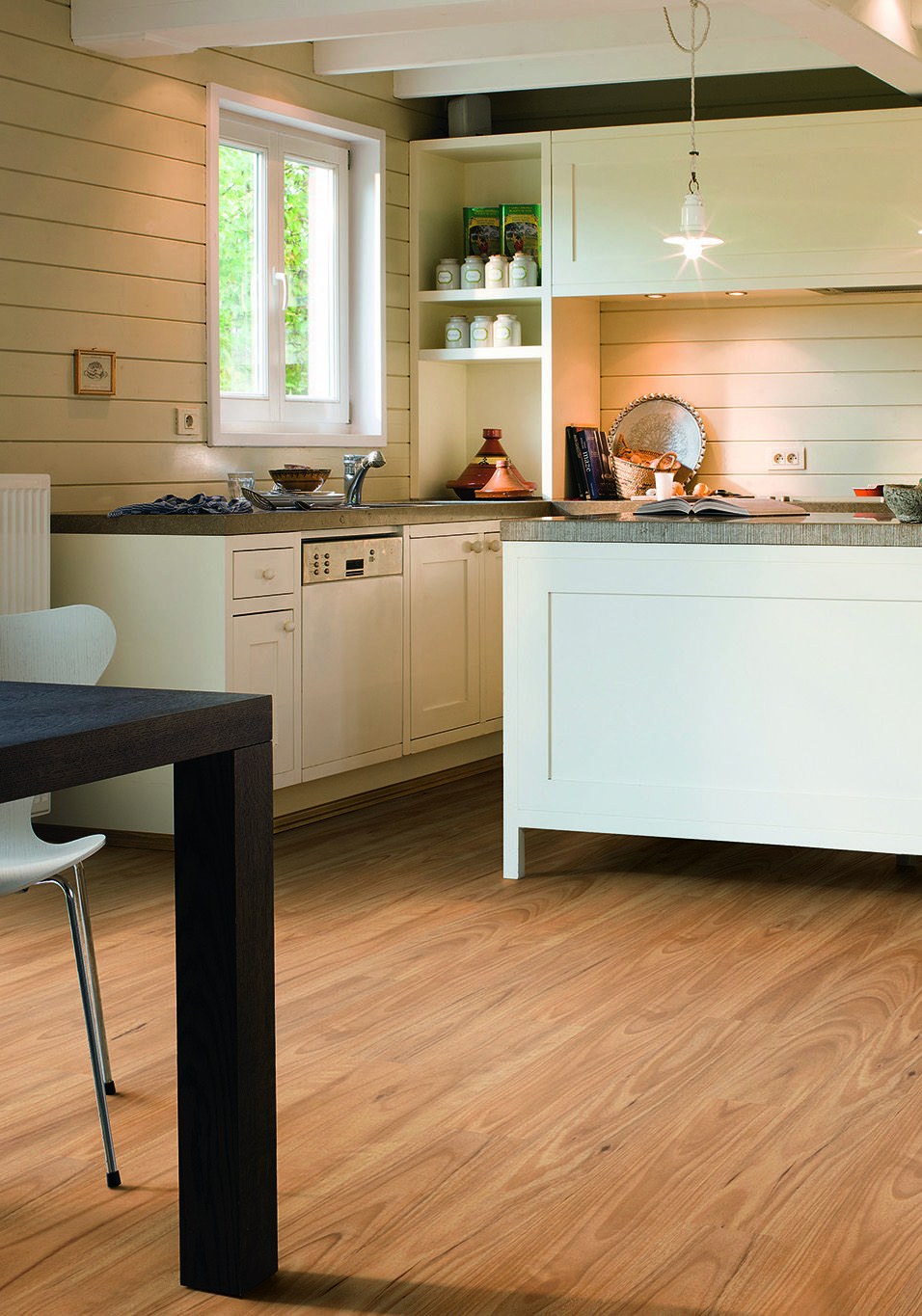
Natural stone, such as granite, marble, or slate, provides a sumptuous and distinctive look to kitchen floors. Each stone slab features unique veining and color variances, creating a one-of-a-kind appearance. Stone is also extremely durable and may last a lifetime with proper maintenance, making it an excellent investment.
The primary disadvantages of natural stone are its high cost and maintenance requirements. Stone flooring require frequent sealing to prevent stains and moisture absorption. They can also be chilly and rough underfoot, which may be unsuitable for some people.
Despite these obstacles, real stone remains a popular choice for high-end kitchens. If you like natural beauty and are ready to spend in upkeep, stone flooring can improve the aesthetics of your kitchen.
Cork Flooring
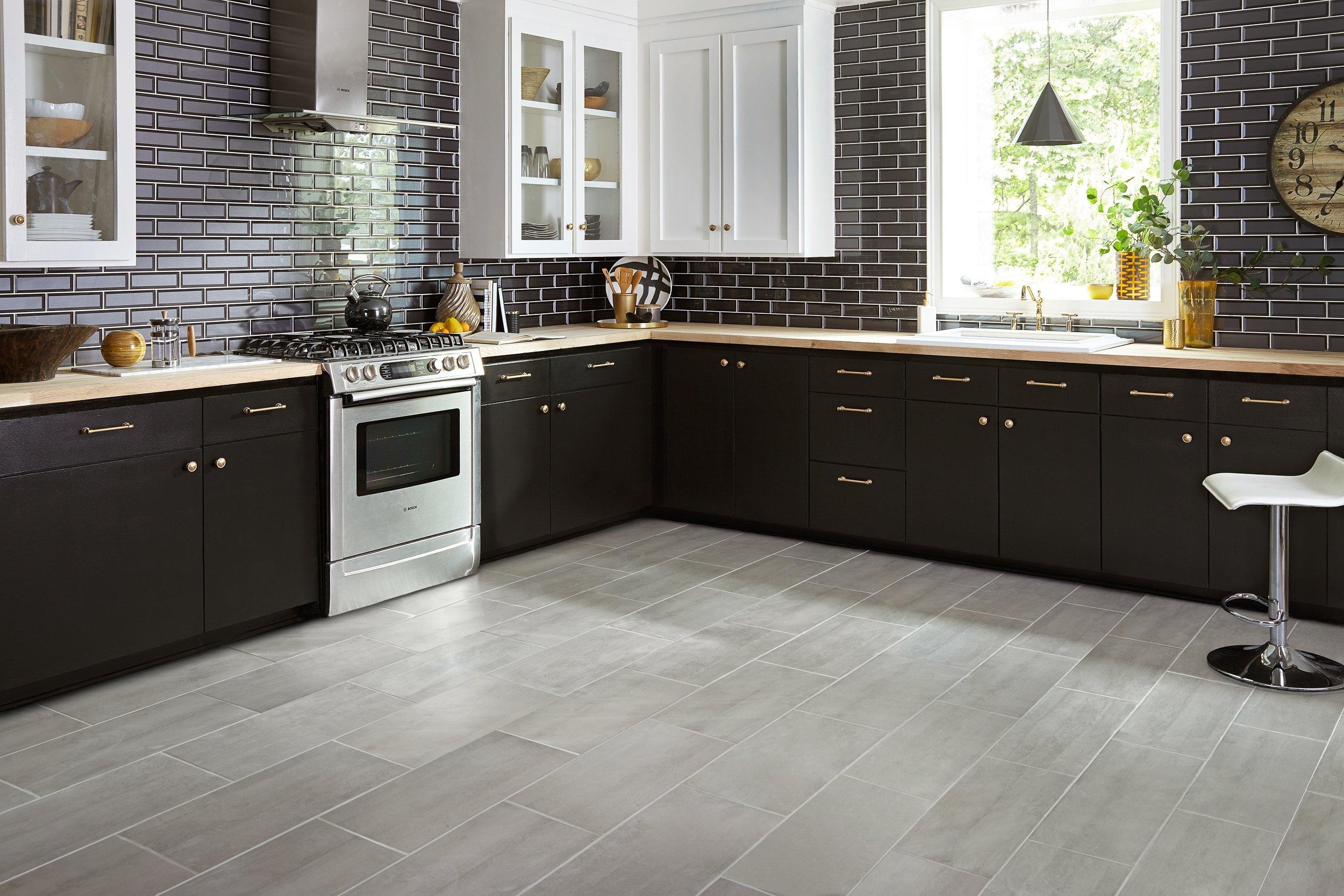
Cork flooring is an environmentally friendly and comfortable choice for kitchens. It is made of sustainable cork oak bark and provides a soft, cushioned surface that decreases fatigue after extended periods of standing. It also has natural insulating properties, which help to keep you warm and quiet.
One issue with cork is its sensitivity to moisture damage, however sealed and waterproof options are available. Heavy furniture can also cause indentations, thus protecting padding are recommended. Despite its limitations, cork remains a sustainable and comfortable flooring option.
Cork’s unique texture and warmth make it an excellent choice for eco-conscious homes. If properly maintained, it can provide a long-lasting and elegant flooring option for the kitchen.
What is the most durable kitchen floor?
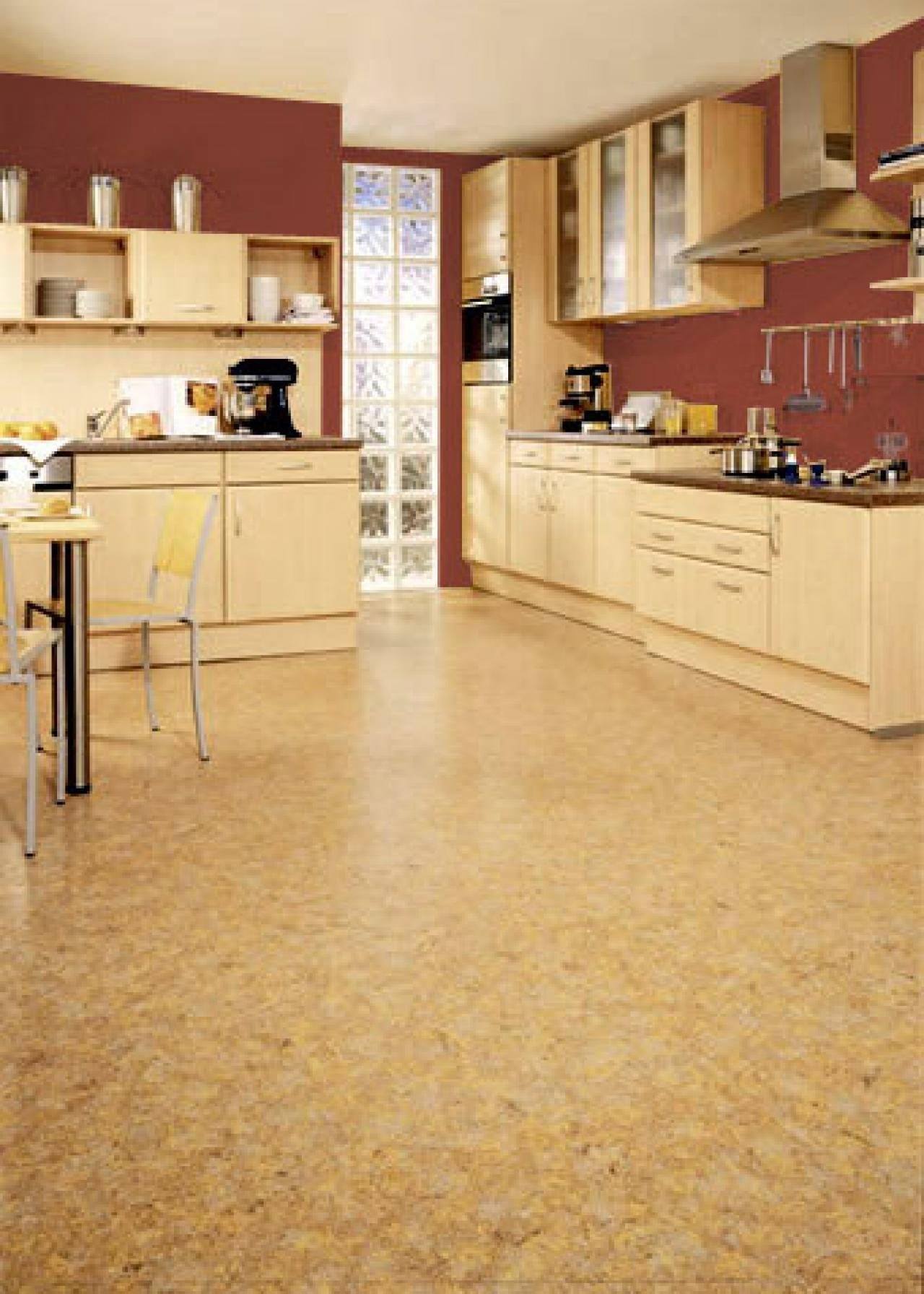
Porcelain tile and luxury vinyl plank (LVP) are some of the most durable kitchen flooring solutions. Porcelain tile is very resistant to scratches, wetness, and heavy foot activity, making it suitable for use in busy kitchens. LVP, while softer underfoot, is very water resistant and can withstand daily wear and tear. Both materials are durable and need little care, making them ideal for households with high activity levels.
Is hardwood flooring an appropriate choice for kitchens?
Hardwood flooring can function in kitchens if properly maintained, but it does have certain disadvantages. While it provides warmth and value, it is susceptible to water damage from spills. Engineered or conventional hardwood with a strong sealer can help alleviate this problem. Homeowners who prefer the look of wood but are concerned about moisture can investigate waterproof alternatives such as LVP that resembles hardwood.
How do I care for tile flooring in the kitchen?
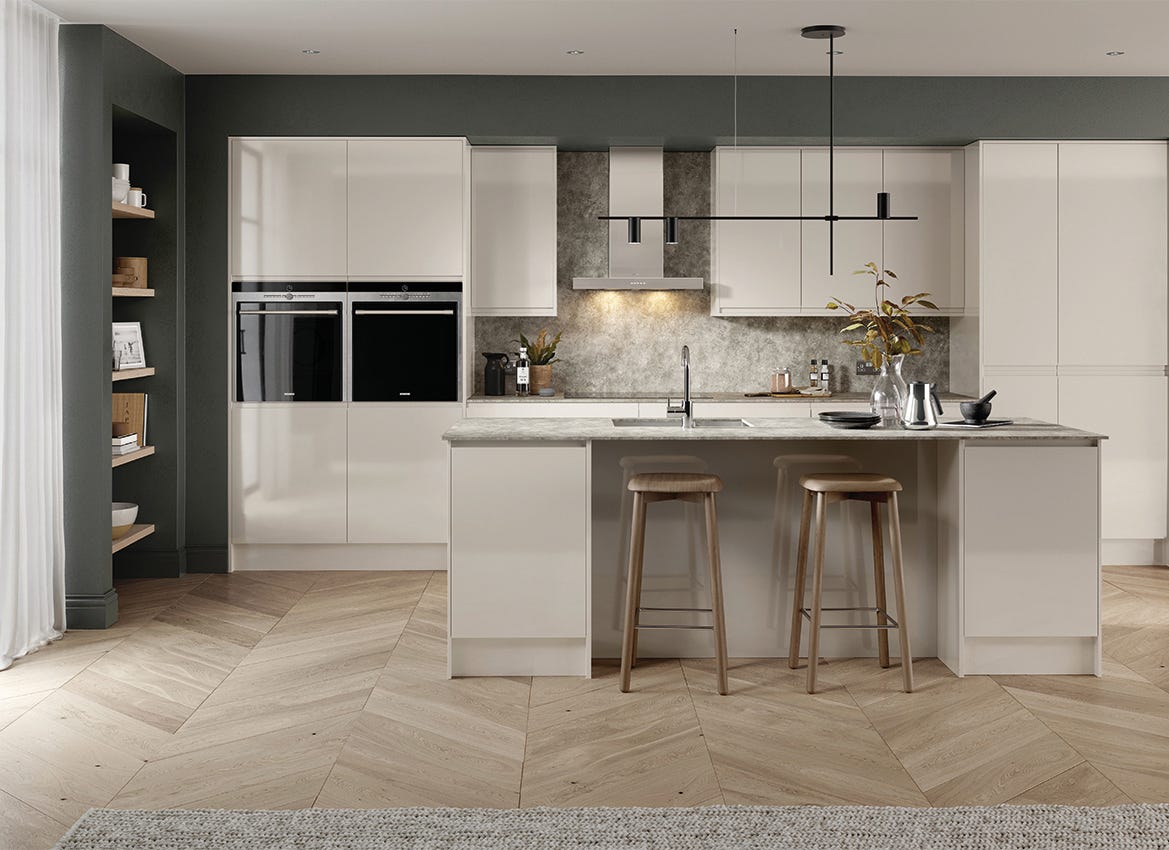
To keep tile flooring clean, sweep and mop it on a regular basis. Periodically seal grout lines to prevent discoloration and moisture penetration. A mixture of water and mild detergent works well for deep cleaning, but avoid using harsh chemicals that will damage the grout. Putting rugs in high-traffic areas can also assist prevent wear and keep the floor looking new.
Can laminate floors withstand kitchen spills?
Traditional laminate flooring is not waterproof; however, newer waterproof laminate choices are available. Even with waterproof types, it’s best to clean up spills quickly to avoid further damage. Using mats around sinks and dishwashers might offer further protection. If moisture resistance is a high issue, luxury vinyl plank could be a better option.
What are the advantages of cork flooring in kitchens?
Cork flooring is soft underfoot, making it suitable for prolonged periods of standing. It also offers natural sound absorption and insulating characteristics. As a renewable material, it is an environmentally responsible option. However, it must be sealed to prevent water damage, and large items may dent it. Cork, with proper care, may be a unique and sustainable solution for kitchens.
Is natural stone flooring worth the money?
Natural stone flooring is a high-end alternative that adds elegance and longevity to any kitchen. While it is pricey, some homeowners may find that its permanence and timeless charm make it worthwhile. However, it requires frequent sealing and might be cold underfoot. If finance and maintenance are not an issue, stone flooring can be an attractive and long-lasting option.

Best Kitchen Flooring Options
How to choose the best kitchen flooring
Related Posts: