When I first saw an industrial concrete floor in a friend’s newly renovated studio, I was instantly hooked. The raw texture, the cool undertones, and the way it complemented modern furniture and exposed beams, it felt bold yet grounded. At the time, I was planning my home office renovation and wanted something different from the usual hardwood or carpet options. Concrete seemed daring, but after doing some research and even trying a few DIY treatments myself, I realized just how versatile and stylish it could be. It wasn’t just about going “unfinished.” With the right design choices, concrete could become a statement piece that adds edge without sacrificing comfort. If you’re curious about incorporating industrial concrete into your space, here are six design ideas that helped me bring life and personality to what many still consider a utilitarian material.
Polished Concrete: Sleek and Sophisticated
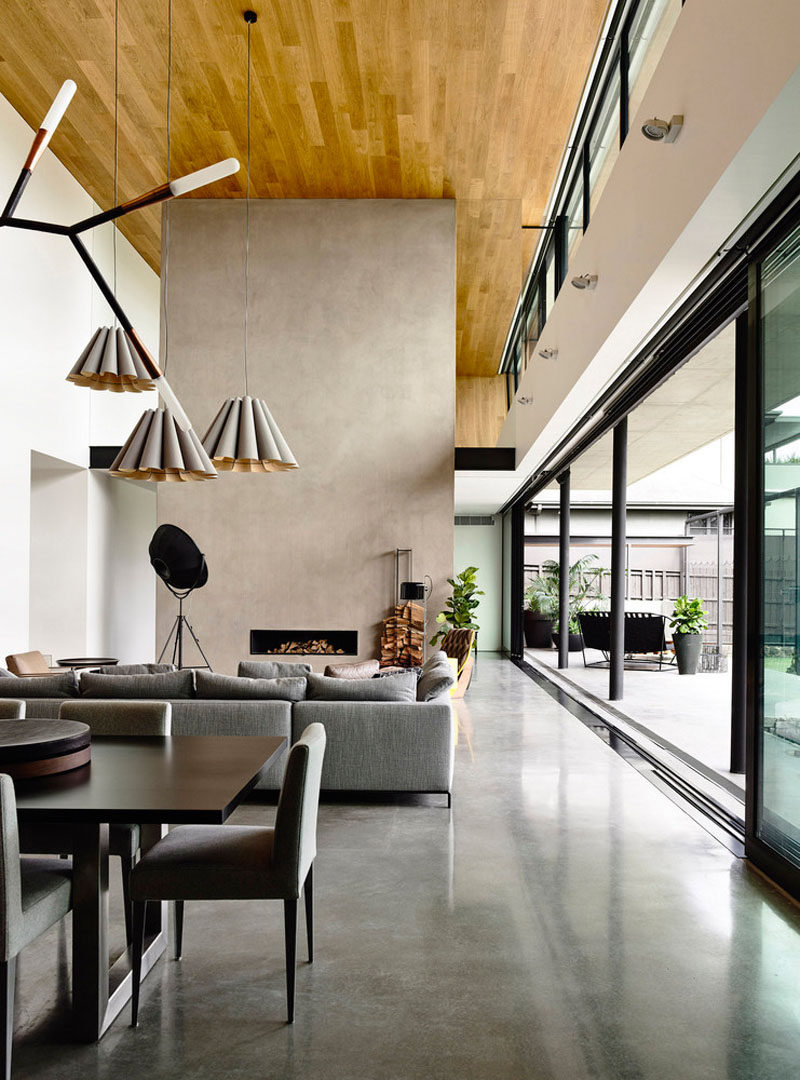
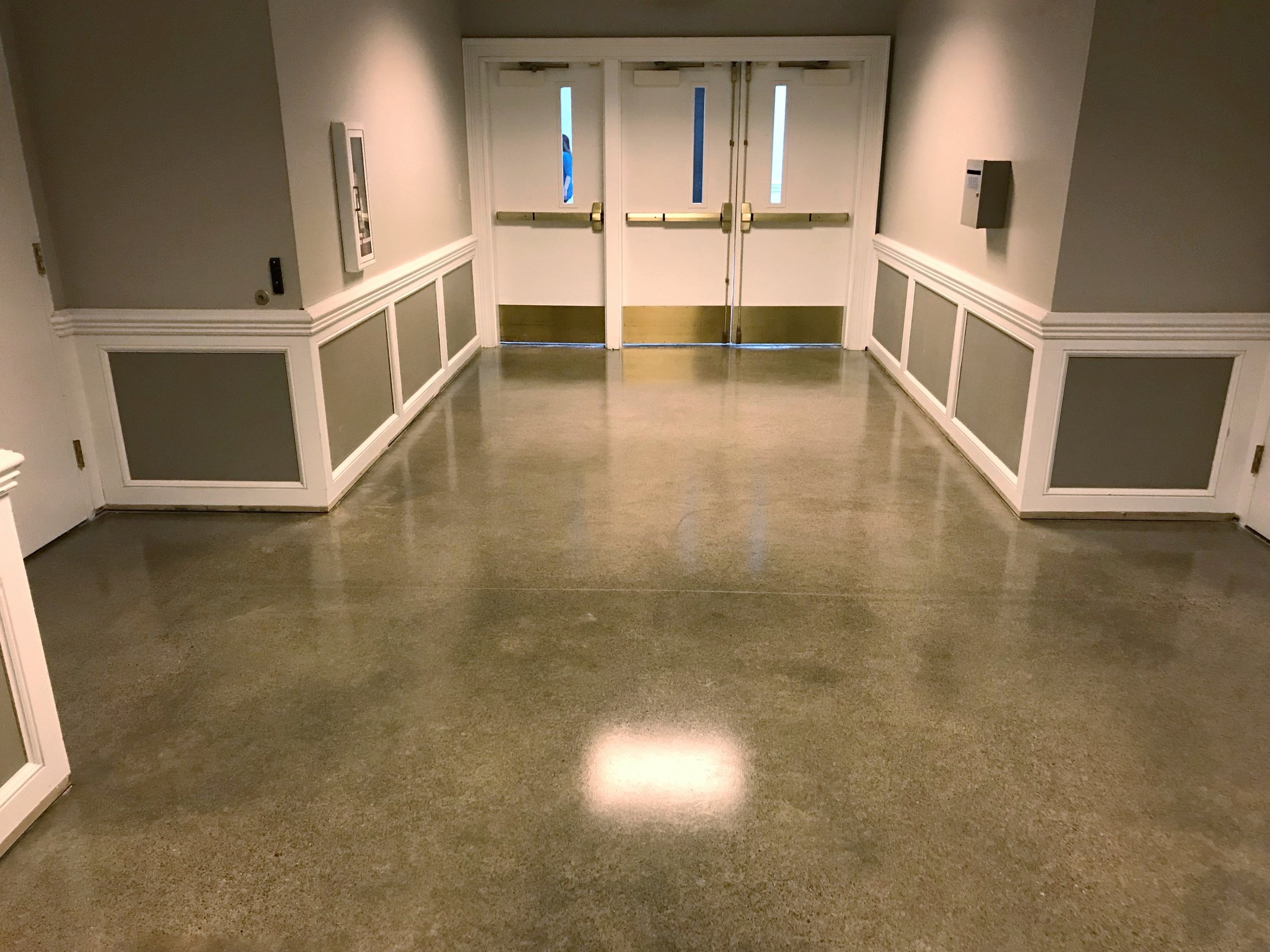
The first thing I tried was a polished finish. It transformed the rough gray slab into something smooth and reflective, almost like stone. I hired a contractor to grind and polish the surface with progressively finer grits, which brought out subtle color variations and gave the floor depth. The result was stunning, clean, modern, and easy to clean.
I also experimented with adding a topical sealer that enhanced the sheen and protected against stains. Without it, the porous surface would easily absorb spills and dirt. After sealing, the floor had a glossy finish that bounced light around the room, making the space feel larger and more open. I found myself turning off overhead lights during the day because the floor acted like a natural reflector.
Polished concrete worked especially well in my minimalist setup. Paired with black steel shelves and white walls, it created a crisp, gallery-like atmosphere. I added a large wool rug for contrast and warmth underfoot. What surprised me most was how elegant concrete could look when treated right, no need for extra flooring when the floor itself became the feature.
Stained Concrete: Adding Color and Character
Next, I explored staining the concrete to introduce color without covering its natural texture. Acid-based stains reacted with the lime in the concrete to produce rich, mottled tones like deep browns, blues, and greens. I tested a slate-gray stain on a small section and loved how it mimicked aged stone while keeping the industrial vibe intact.
I decided to go with a multi-tone effect using two complementary stains. By applying them unevenly and letting them blend organically, I achieved a unique marbled look. This technique gave the floor movement and prevented it from feeling flat or monotonous. It was like painting directly onto the surface, only much easier and more durable.
To protect the color, I applied a clear topcoat that also added a soft sheen. Staining turned out to be one of the easiest ways to personalize concrete without losing its raw appeal. It allowed me to express style while maintaining function, perfect for someone who wants character without clutter or excess decoration.

Exposed Aggregate: Natural Texture Meets Modern Edge
Curious about texture, I looked into exposed aggregate finishes. This involved washing away the top layer of cement paste to reveal the stones or pebbles mixed into the concrete. I chose a fine aggregate blend so the surface stayed smooth enough to walk on barefoot, but still had visual interest.
The process was messy but rewarding. Once the top layer was removed, the tiny rocks created a speckled effect that caught the light beautifully. It reminded me of riverbed rock formations, natural yet intentional. I sealed it afterward to prevent dusting and make cleaning easier.
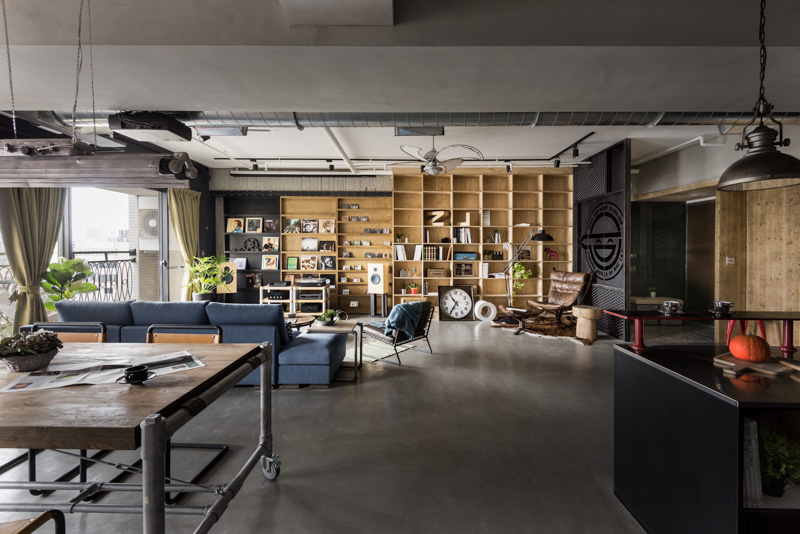
This finish paired surprisingly well with sleek furniture. The organic texture balanced out sharp edges and glass surfaces, giving the room a grounded, earthy feel. I added metal accents and pendant lighting to highlight the contrast between industrial and natural elements. Exposed aggregate offered depth and dimension in a way that painted floors couldn’t match.
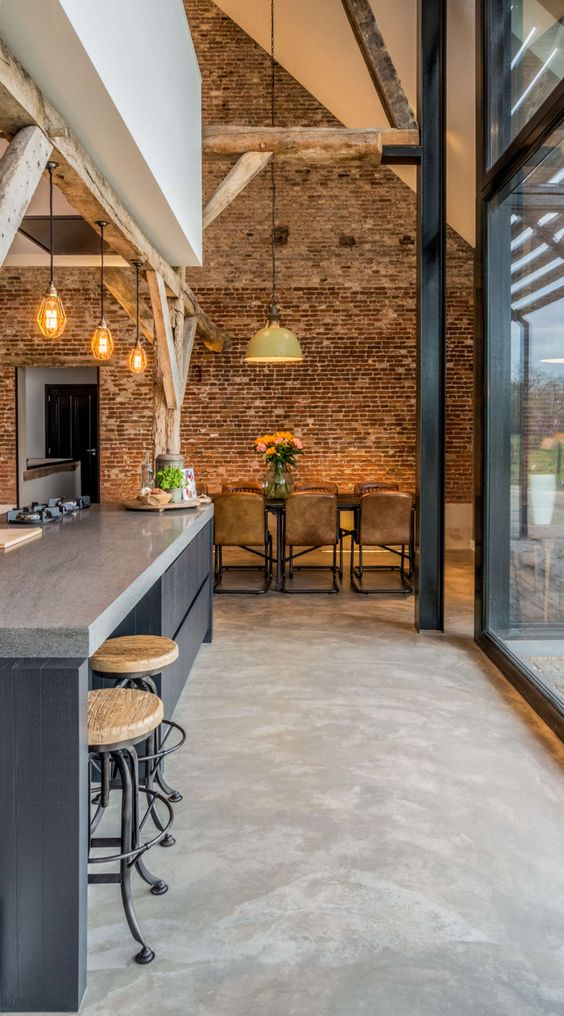
Concrete Overlays: A Fresh Surface Without Demolition
Since I wasn’t starting from scratch, I considered overlays as a way to refresh an existing concrete floor. These thin layers of polymer-modified cement could be troweled over old, cracked concrete to create a new surface. I chose a self-leveling overlay that filled minor imperfections and gave the floor a smoother, more uniform appearance.
I tinted the overlay with a powdered pigment to get a custom shade, something slightly warmer than standard gray. The result was a fresh, updated base that felt cohesive with the rest of the room. I appreciated how quickly the overlay dried and how little disruption it caused compared to full replacement.
After curing, I added a decorative stencil pattern by masking off sections and sanding them down slightly for contrast. It was a fun way to personalize the floor without permanent changes. Overlays were perfect for those who want a high-end finish without the cost or mess of demolition.
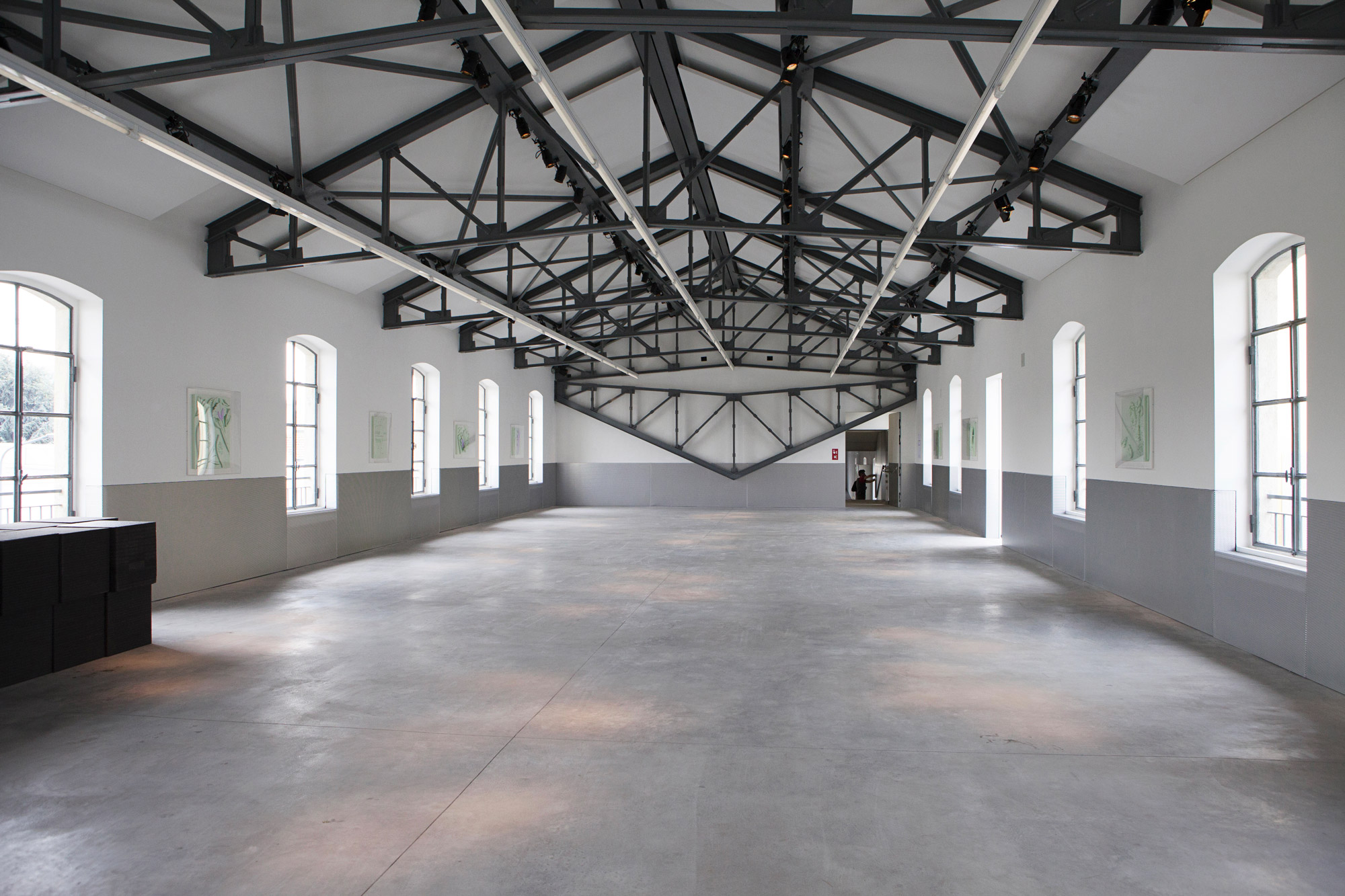
Epoxy Floors: Bold and Durable
Epoxy coatings were next on my list because of their durability and visual impact. I opted for a metallic epoxy system that created a swirling, liquid-metal effect across the floor. It was unlike anything I’d ever seen indoors, shimmering under LED lights, almost futuristic.
The application required careful prep, cleaning, grinding, and patching cracks, but the payoff was worth it. Once cured, the floor was incredibly hard-wearing, resistant to scratches and chemicals. It cleaned up easily with a damp mop and didn’t show footprints like polished concrete sometimes did.
While epoxy might not suit every aesthetic, I found it ideal for a creative workspace where energy and inspiration mattered. It made the floor feel alive, shifting in tone depending on the light. I paired it with matte black furniture and warm wood tones to balance the glossiness. Epoxy turned out to be both practical and expressive, proving concrete can be fun too.
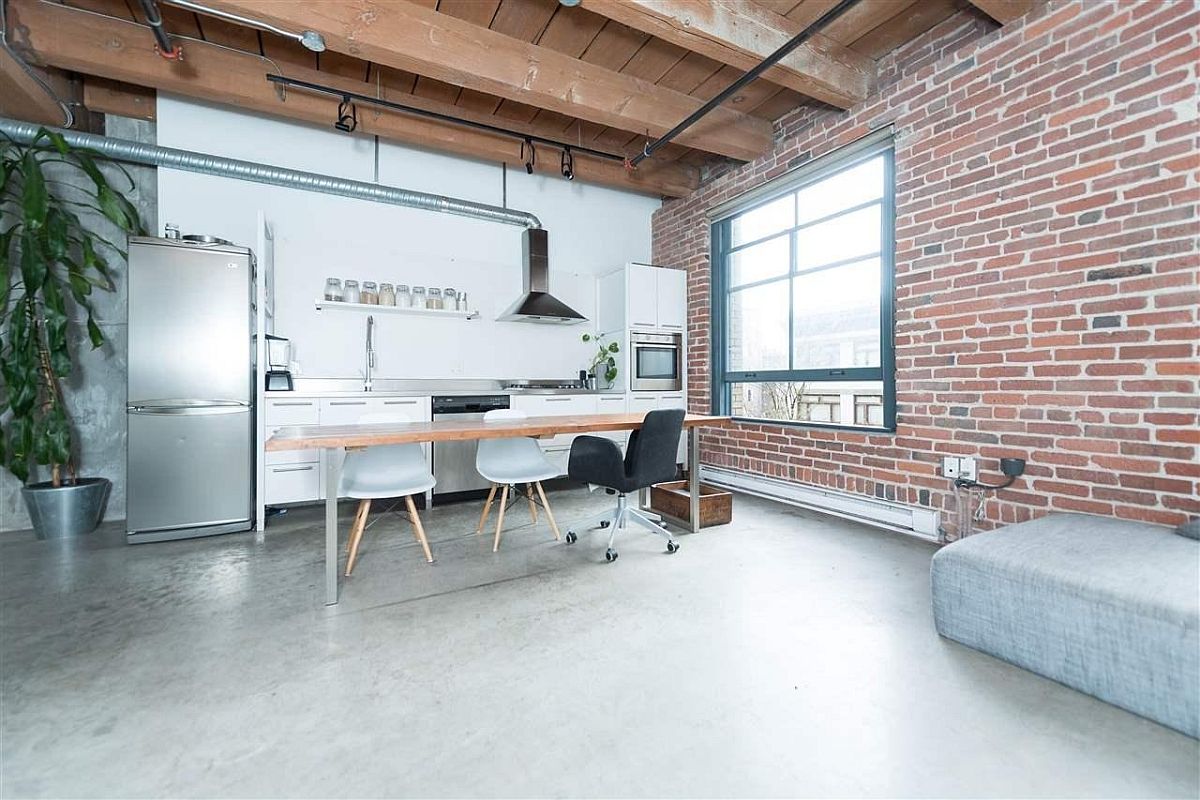
Rugs and Textiles: Softening the Industrial Look
Finally, I focused on softening the industrial edge with rugs and textiles. Even the coolest concrete floor needs warmth, especially if you spend time standing or walking barefoot. I layered a thick jute runner near my desk and added a circular wool rug in the center to anchor the space.
I played with textures and colors, choosing pieces that contrasted with the gray tones below. Faux fur throws, cotton curtains, and woven baskets brought in softness without clashing with the overall design. The key was selecting items that complemented rather than competed with the floor.
Adding textiles also helped reduce echo, which was a problem in the mostly hard-surfaced room. The rugs absorbed sound and made the space feel cozier. In the end, mixing industrial concrete with organic materials created a balance I hadn’t expected, one that felt both strong and inviting at the same time.
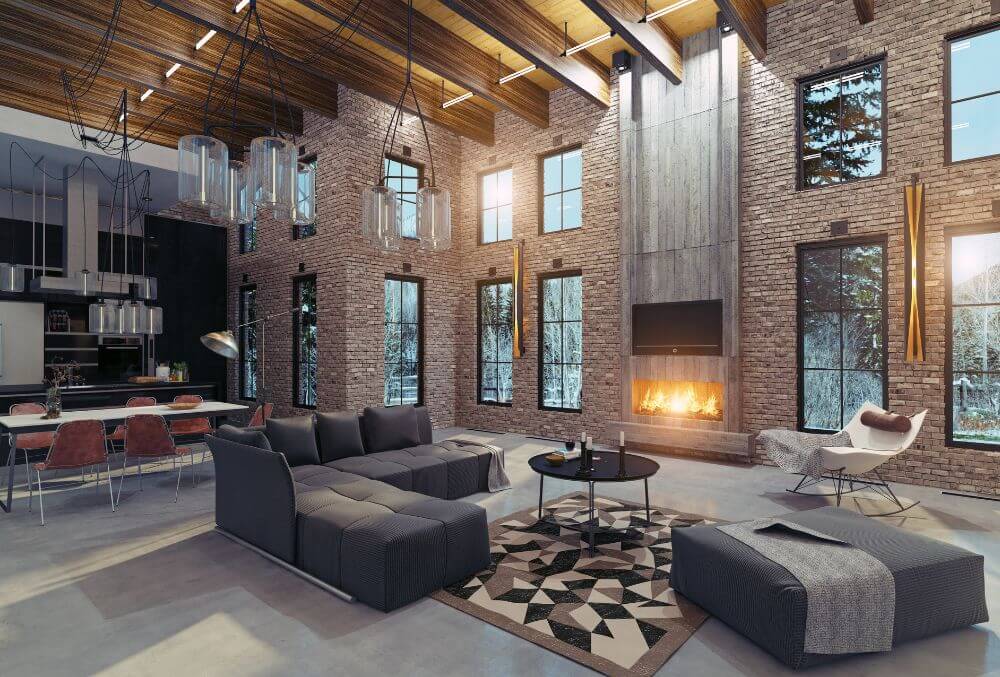
Is industrial concrete flooring comfortable underfoot?
Concrete is naturally hard, which can be tough on joints if you stand for long periods. However, comfort can be improved with area rugs, padded mats, or even radiant heating installed beneath the slab. Some finishes, like stained or overlaid concert, offer slight texture variation that can make walking feel less rigid. Overall, it’s not the softest flooring, but with smart additions, it can be quite livable.
Can I install concrete flooring myself?
Yes, certain aspects like staining, sealing, and applying overlays can be DIY-friendly with the right tools and preparation. Basic polishing or epoxy coating may require rented equipment and protective gear. More complex installations, such as pouring new slabs or grinding large areas, are best left to professionals. Always follow safety guidelines and test small areas before committing.
How do I maintain a concrete floor?
Regular sweeping and occasional mopping with a pH-neutral cleaner keep concrete looking fresh. Spills should be wiped up promptly, especially on unsealed or stained surfaces. Reapply sealers every 1-3 years depending on traffic and wear. Avoid acidic cleaners, which can dull or etch the surface. With proper care, concrete remains durable and attractive for years.
Is concrete flooring suitable for all climates?
Concrete performs well in most climates but can feel cold in cooler regions. Radiant heating systems beneath the slab help regulate temperature. In humid areas, ensure proper moisture barriers are installed to prevent condensation. While concrete itself doesn’t warp or rot, extreme freeze-thaw cycles can cause cracking if not properly reinforced or sealed.

Can concrete floors crack over time?
All concrete has the potential to crack due to settling, temperature shifts, or moisture changes. Control joints and expansion gaps help manage this by directing cracks to less noticeable areas. Using fiber-reinforced mixes or installing proper sub-base support reduces risk. Most hairline cracks don’t affect structural integrity and can often be filled or covered with decorative techniques.
How do I personalize a concrete floor?
There are many ways to add personality to concrete. Staining, stenciling, scoring patterns, and embedding objects like glass or metal pieces allow customization. Overlays and dyes offer color variety, while rugs and furniture soften the industrial feel. You can also use saw cuts to create geometric designs or inlay materials like brass for a bespoke touch.

Polished concrete flooring Interior Design Ideas
Commercial Concrete Flooring Options: Which Is Right For My
Concrete Floor ideas house design, exposed brick walls, loft

How to Design an Ideal Floor for Warehouse and Logistics Facilities
Related Posts: