When I first came across cork flooring, I thought it was meant for kitchens or home offices, not a bathroom. After all, cork comes from tree bark, and the idea of using something organic in a wet space seemed counterintuitive. But while researching eco-friendly materials for my home renovation, I kept seeing it pop up as a sustainable, comfortable alternative to tile or vinyl. Curious, I dug deeper and found that modern cork is far more resilient than I assumed. It’s naturally water-resistant, thanks to a waxy substance called suberin, and with proper sealing, it can handle humidity better than wood. Once I installed it in my bathroom, I realized how wrong I’d been about its potential. It offered warmth underfoot, sound absorption, and a unique texture that made my small space feel both cozy and stylish. If you’re considering cork for your bathroom and wondering if it’s truly practical, here are six reasons why I believe it might be the unsung hero of natural flooring.
Natural Water Resistance: A Surprising Strength
I was skeptical at first, but cork’s ability to repel water comes from its cellular structure. Each tiny cell is filled with air and coated in suberin, which acts like a natural sealant. This makes cork resistant to mold, mildew, and rot, even when exposed to moisture over time. I tested this by leaving a damp towel on a sample piece for several days and found no signs of staining or warping afterward.
Of course, raw cork isn’t completely waterproof, so I made sure to apply a high-quality polyurethane finish before installation. This extra layer gave me peace of mind, knowing that splashes from the sink or steam from hot showers wouldn’t penetrate the surface. The sealer also made cleaning easier, since spills could simply be wiped away without worrying about long-term damage.
What surprised me most was how well cork handled condensation. In the mornings, my bathroom would often fog up after a shower, but the floor never felt damp or slippery. Unlike tile, which can become icy cold and slick when wet, cork maintained a bit of grip even when damp. For anyone concerned about safety and practicality, cork proved to be a surprisingly solid option.
Comfort Underfoot: A Soft Alternative
One of the biggest selling points of cork for me was how soft it felt compared to other hard surfaces. Walking barefoot on tile first thing in the morning used to make my feet ache, especially during colder months. With cork, there was a subtle give under each step, almost like walking on a cushioned mat. It didn’t feel squishy, just comfortably supportive.
This elasticity also helped reduce fatigue when standing for extended periods. Whether I was brushing my teeth or applying makeup, I noticed less strain on my legs and back. The slight bounce in the material absorbed some of the pressure that harder floors tend to reflect onto the body. It made a noticeable difference in how I experienced the space day to day.
I also appreciated how quiet it was. Unlike ceramic tile, which echoed every footstep and running faucet, cork absorbed sound beautifully. This was especially helpful in my small, tiled bathroom where noise used to bounce around endlessly. Adding cork made the room feel more private and peaceful, which was an unexpected bonus.
Eco-Friendly Appeal: Sustainability You Can Feel
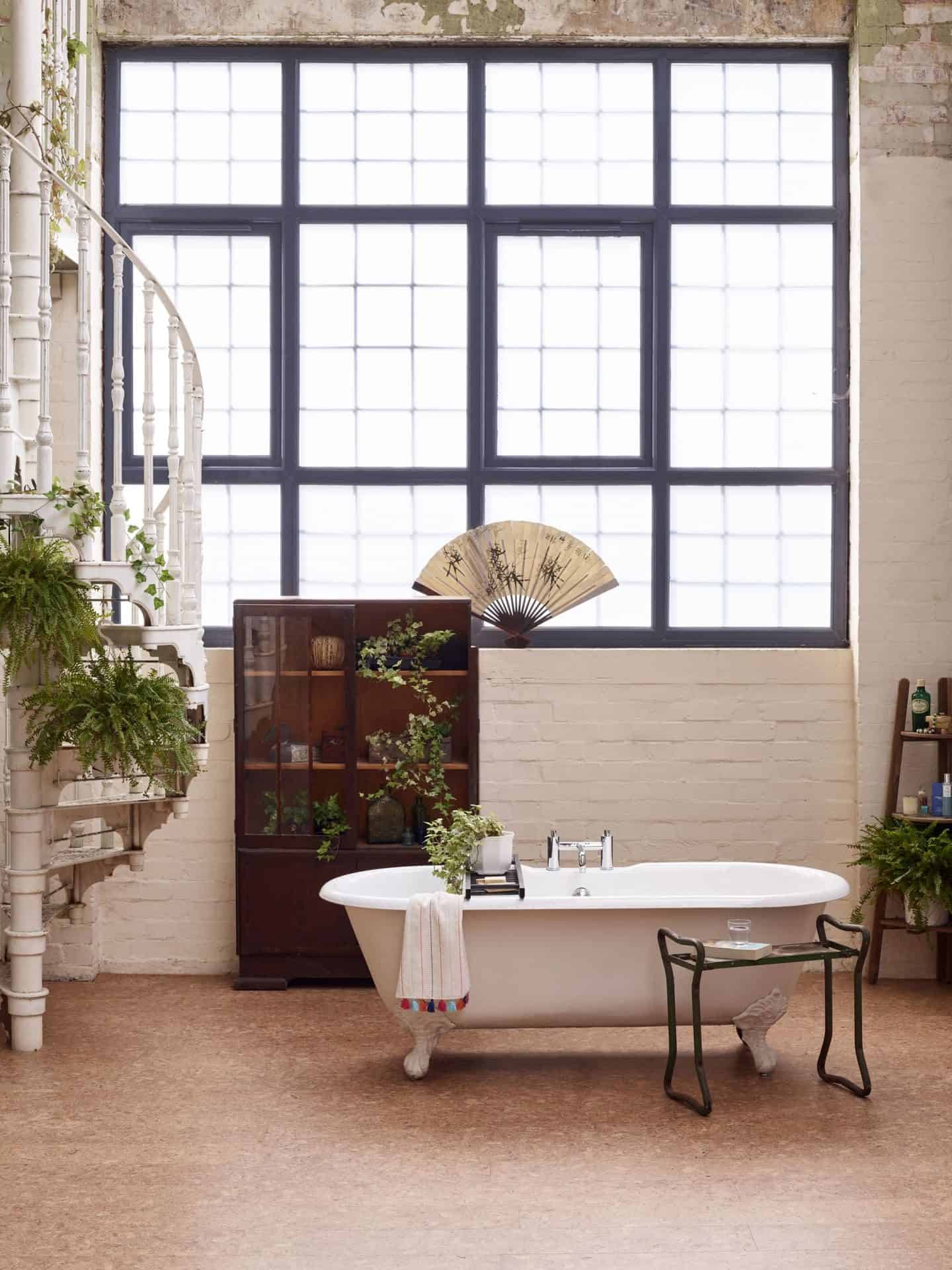
Cork is harvested from the bark of cork oak trees without harming the tree itself, making it one of the most renewable resources available. Knowing that my flooring choice supported responsible forestry practices gave me a sense of satisfaction beyond aesthetics. Plus, the production process uses minimal energy compared to synthetic materials, further reducing its environmental footprint.
I also liked that cork is biodegradable, unlike vinyl or laminate, which can sit in landfills for decades. If I ever decided to replace it, I could feel good knowing it wouldn’t contribute to long-term waste. Even the adhesives I used were low-VOC, ensuring that my indoor air quality remained clean and free of harsh chemicals.
Beyond sustainability, cork has natural insulating properties. My bathroom stayed slightly warmer in winter and cooler in summer, which reduced my reliance on heating and cooling systems. Over time, that translated into lower energy bills and a smaller carbon footprint. For anyone looking to build or renovate with the environment in mind, cork offers benefits that go beyond looks.

Style and Variety: More Than Just Natural Tones
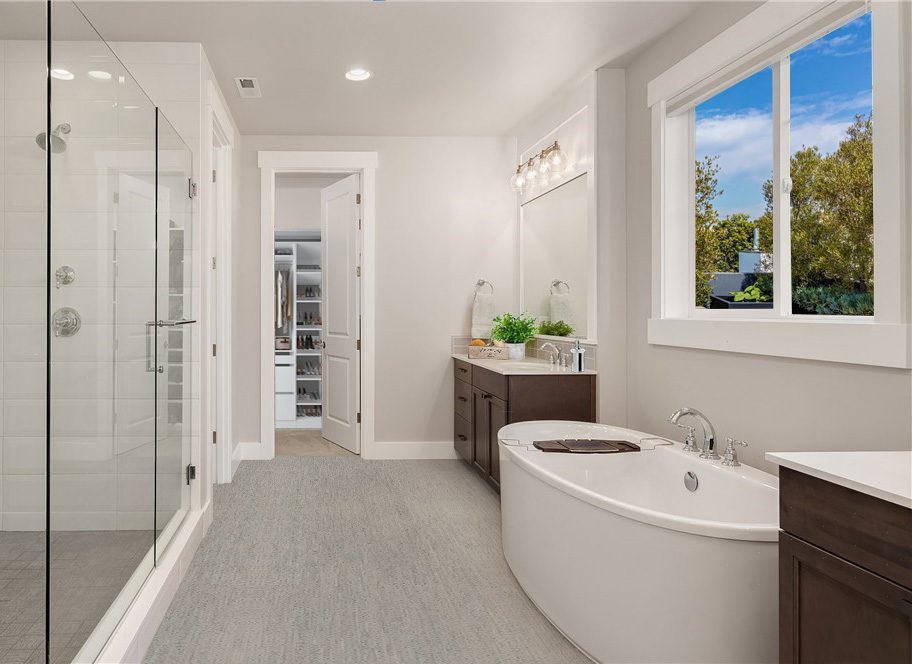
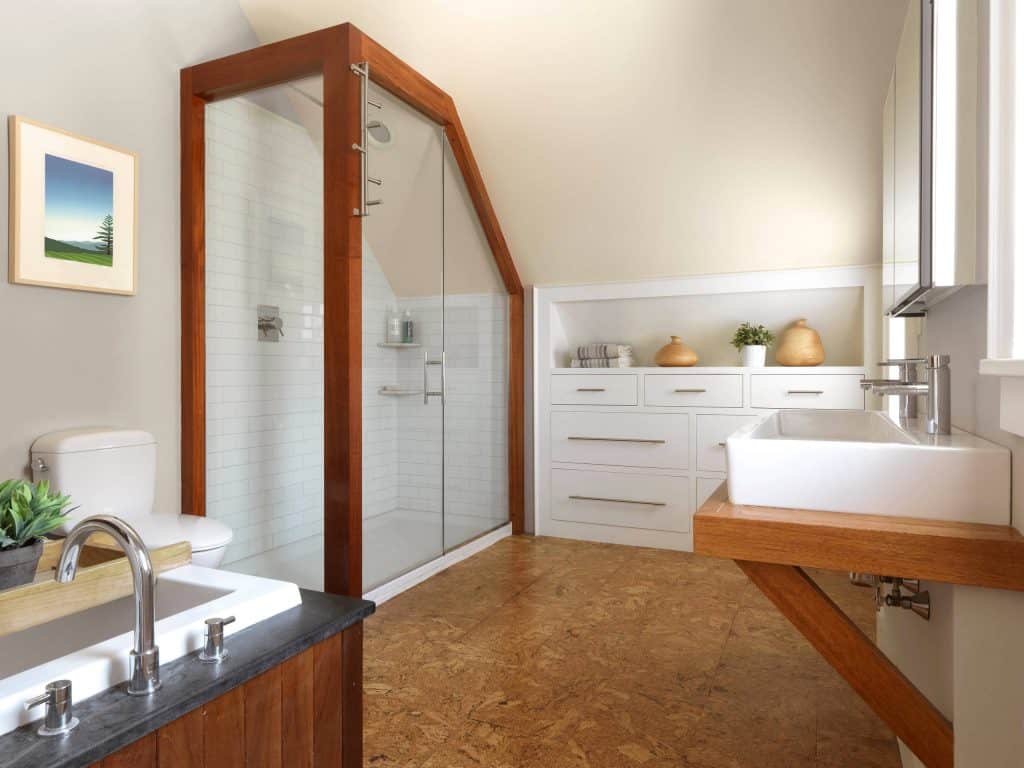
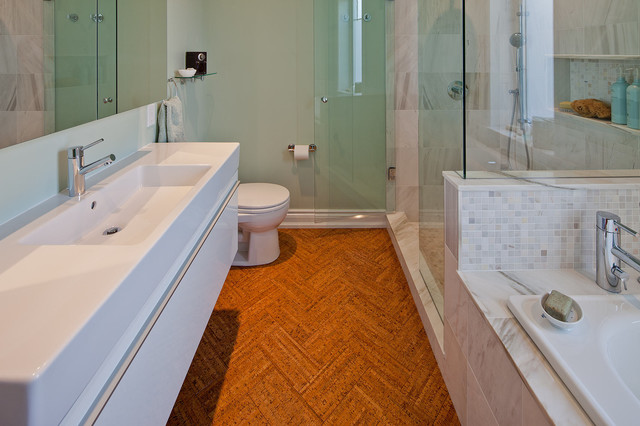
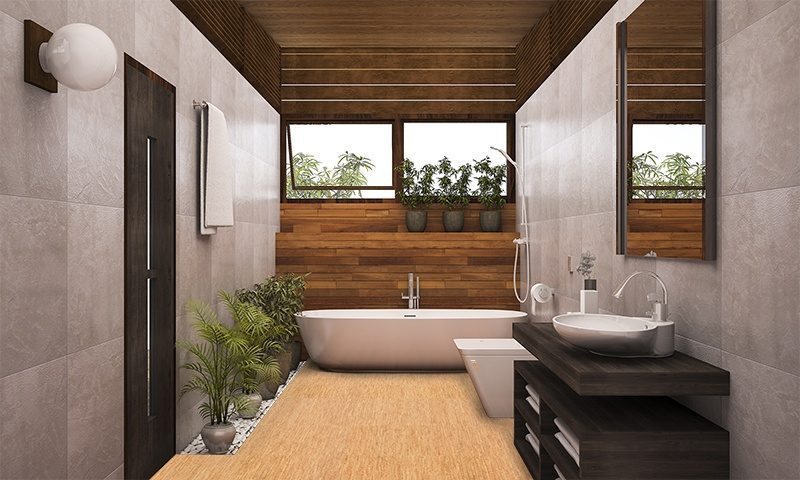
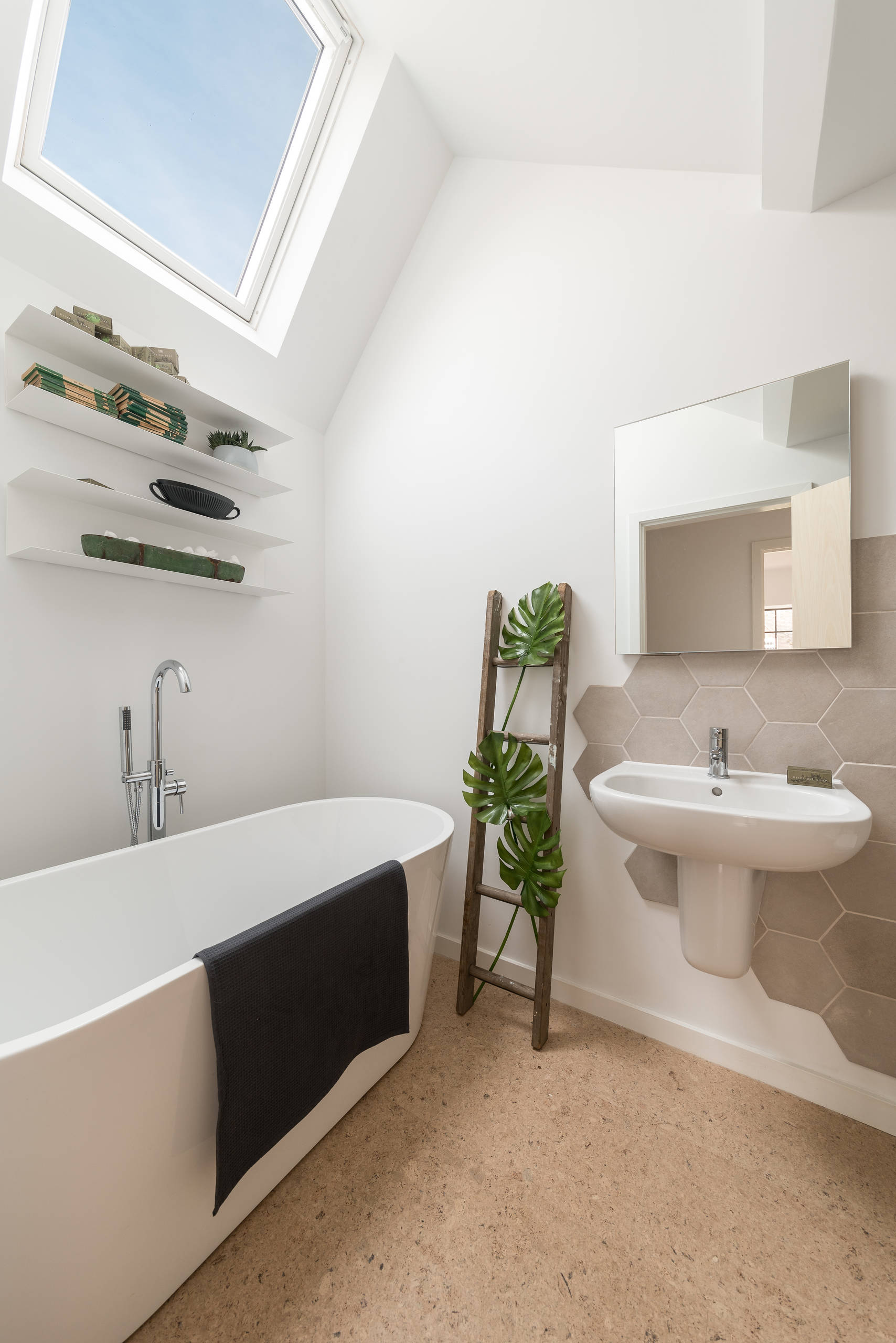
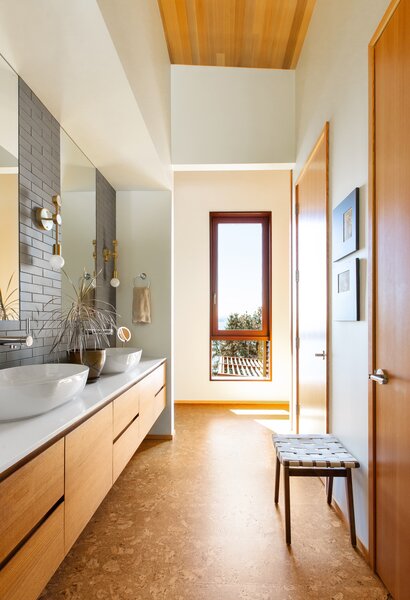
Before installing cork, I worried it would look too rustic or limited in style. To my surprise, manufacturers offer a wide range of colors and finishes. I chose a light honey tone that brightened my small bathroom while still retaining the warm, organic feel I loved. Others come stained darker, or even printed with patterns that mimic wood or stone.
The planks I selected had a realistic wood grain texture, so much so that guests initially thought I’d installed reclaimed timber. Some brands even offer pre-finished tiles with decorative designs, giving homeowners the flexibility to create custom layouts. I played with mixing light and dark tones near the vanity and toilet area for visual interest.
Even though cork is softer than hardwood, it holds up well to furniture legs and daily use. I placed a freestanding cabinet on the floor without any indentations forming beneath the feet. This versatility made it easy to pair with modern fixtures, vintage accents, or minimalist decor. Cork turned out to be a design chameleon that adapted effortlessly to my taste.
Easy Installation: DIY-Friendly Without Compromise
Installing cork flooring was surprisingly straightforward. I went with floating planks that clicked together like laminate, eliminating the need for messy glue or professional help. Since the pieces were lightweight, I could carry them easily through tight spaces and cut them precisely with a utility knife or saw.
I made sure to acclimate the planks for 48 hours before installation, allowing them to adjust to the bathroom’s humidity level. This prevented gaps or buckling later on. I also left a small expansion gap around the edges to accommodate natural movement, then covered it with baseboard trim for a finished look.
Once laid, the floor felt stable and secure, with no creaking or shifting. The seams between planks were barely noticeable, especially once sealed. I appreciated how quickly the project came together, what took me a weekend would have taken longer with tile or concrete. For anyone tackling a bathroom remodel solo, cork offers a satisfying balance of ease and durability.
Maintenance Made Simple: Keep It Looking Fresh
Caring for cork is as simple as long as you stick to basic cleaning routines. I swept regularly with a soft broom to remove dust and debris, then mopped occasionally with a damp cloth and mild cleaner. Because of the protective finish, I didn’t have to worry about water soaking into the surface, though I avoided excessive saturation.
Every couple of years, I planned to reapply a fresh coat of sealer to maintain protection against wear and stains. This was a quick process that only required a foam applicator and a few hours of drying time. I also checked for any scratches or worn spots and touched them up with a matching stain pen.
Over time, I noticed that cork developed a patina rather than looking worn out. Light scuff marks blended in naturally, giving the floor character instead of detracting from its appearance. Compared to tile grout lines that trap dirt or vinyl that yellows with age, cork held up beautifully with minimal effort. Its longevity and low maintenance made it an ideal fit for my lifestyle.
Is cork flooring suitable for bathrooms?
Yes, cork can work well in bathrooms as long as it’s properly sealed. Its natural water resistance comes from suberin, a waxy compound found in the cells. Applying a durable topcoat enhances protection against moisture and makes cleaning easier. While not fully waterproof, cork handles humidity better than many wood options and resists mold and mildew when maintained correctly.
How long does cork flooring last in a bathroom?
With proper care, cork flooring can last 15-20 years or more in a bathroom. Regular cleaning, prompt spill removal, and periodic reapplication of sealant help extend its lifespan. Floating planks are particularly durable because they can expand and contract without warping. Avoiding prolonged exposure to standing water and maintaining ventilation also play key roles in longevity.
Does cork flooring scratch easily?
Cork is softer than tile or hardwood, so it can show minor dents and scratches over time. However, these marks often blend into the natural texture rather than standing out. Using felt pads under furniture legs and avoiding high heels indoors helps minimize wear. Surface scratches can be repaired with touch-up kits or by refinishing the affected area.
Can I install cork flooring myself?
Many cork products are designed for DIY installation, especially floating planks that click together without adhesive. Basic tools like a utility knife, measuring tape, and saw are usually sufficient. Proper preparation includes leveling the subfloor, allowing planks to acclimate, and cutting around fixtures carefully. Those who’ve installed laminate or vinyl should find cork manageable with attention to detail.
Is cork flooring expensive compared to other bathroom options?
Cork falls in the mid-range price category, typically costing more than vinyl but less than high-end tile or natural stone. Prices vary based on thickness, finish, and brand, with installation costs potentially lower due to DIY-friendly options. Considering its comfort, insulation, and durability, cork offers good value for those seeking a natural, eco-conscious alternative.
How do I clean and maintain cork bathroom flooring?
Routine cleaning involves sweeping with a soft brush and mopping with a damp cloth and pH-neutral cleaner. Avoid steam mops or excessive water, which can weaken the sealer over time. Spills should be wiped up immediately to prevent staining. Every couple of years, apply a new coat of sealer to maintain protection and refresh the finish. Use mats in high-moisture zones for added defense.

Bathroom Cork Floors Design Photos and Ideas
Surprising Facts You Need to Know Before Installing Cork

New Bathroom Designs with Cork Flooring ideas cork flooring

Best Natural Floors for Bathrooms
Related Posts: