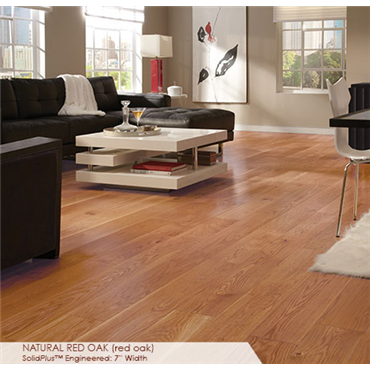
When I decided to replace the worn carpet in my living room with hardwood, I spent months researching different wood species before falling in love with natural red oak. The rich grain patterns and warm honey tones immediately caught my eye, but what sealed the deal was learning about its incredible durability and timeless appeal. Three years later, I can confidently say that choosing natural red oak was one of the best home improvement decisions I’ve made, though the journey taught me plenty of lessons along the way.
Understanding Red Oak’s Unique Character and Grain Patterns
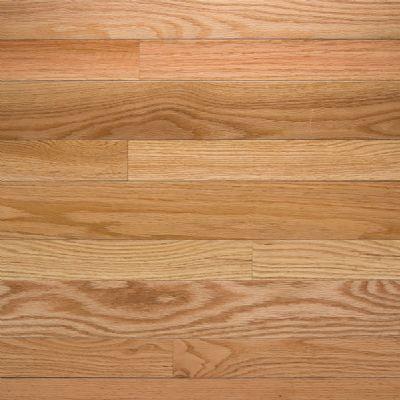
The first thing that struck me about red oak was how dramatically the grain patterns varied from board to board. Unlike some woods that have subtle, uniform grains, red oak displays bold, sweeping patterns that create visual interest across the entire floor. I learned that the prominent grain comes from the wood’s large pores and distinct growth rings, which produce those beautiful, flowing lines that make each plank unique and full of character.
During my selection process, I discovered that the grain of red oak can range from straight and uniform to wild and cathedral-like patterns. My flooring contractor explained that the way the lumber is cut affects these patterns significantly. Plain-sawn boards show the most dramatic cathedral grains, while quarter-sawn pieces display straighter, more consistent lines. I chose to mix both cuts to create visual variety while maintaining overall harmony.
What surprised me most was how the grain patterns continued to reveal themselves over time. As natural light hits the floor throughout the day, different grain features become more or less prominent. The interplay between the light and dark grain lines creates depth and movement that keeps the floor interesting to look at. I often find myself noticing new grain details that I hadn’t seen before, making the floor a constantly evolving focal point.
Choosing Between Different Red Oak Grades and Cuts
Selecting the right grade of red oak was more complex than I initially expected. I toured several lumber yards and learned that grades range from clear (minimal knots and defects) to rustic (more character marks and natural variations). After seeing samples of each grade, I chose the Select grade, which offered a perfect balance of clean appearance with enough natural character to keep things interesting without being overwhelming.
The cutting method proved to be just as important as the grade selection. Plain-sawn red oak, which I ultimately chose, showcases those dramatic cathedral grain patterns and costs less than quarter-sawn alternatives. Quarter-sawn oak offers more stability and unique ray patterns but comes at a premium price. Rift-sawn falls somewhere in between, offering straighter grains with excellent stability but limited availability in my area.
I also had to decide between different plank widths and lengths. After much deliberation, I settled on 3.25-inch-wide planks in random lengths. The moderate width felt proportional to my room size, while the varied lengths created a natural, less manufactured appearance. Wider planks would have been stunning but showed more seasonal movement, while narrower planks felt too busy for my space preferences.
Installation Challenges and Solutions I Encountered
My installation experience taught me that red oak’s density and hardness require specific tools and techniques. My contractor had to use carbide-tipped saw blades and pre-drill nail holes in many areas to prevent splitting. The wood’s hardness, while great for durability, meant that installation took longer than softer species would have required. Every cut had to be precise because mistakes were difficult to sand out later.
Acclimation proved to be absolutely critical with red oak. I learned the hard way that rushing this process leads to problems down the road. My flooring sat in my house for two full weeks before installation, allowing the wood’s moisture content to equalize with my home’s environment. This patience paid off with minimal seasonal movement and no significant gaps or buckling in the finished floor.
The subfloor preparation was more extensive than I anticipated. Red oak’s weight and density require a perfectly level, solid foundation. My contractor spent an entire day leveling high spots and reinforcing squeaky areas before the first board was installed. We also had to address moisture issues in one corner where previous water damage had occurred, ensuring the subfloor was completely dry and properly sealed.

Finishing Options That Enhance Red Oak’s Natural Beauty
Choosing a finish for my red oak floor opened up a whole new set of decisions I hadn’t fully considered. I tested multiple stain colors on sample boards, ultimately deciding on a natural clear finish that lets the wood’s inherent beauty shine through. The clear polyurethane finish enhanced the grain patterns while providing the protection my busy household needed without altering the wood’s gorgeous natural color.
I learned that red oak accepts stain beautifully due to its open grain structure, but this same characteristic means it can look blotchy if not properly conditioned first. My contractor applied a pre-stain wood conditioner to ensure even color absorption. We also discovered that red oak’s natural tannins can interact with certain stain colors, so testing on scraps was essential before committing to the final choice.
The finish application process was fascinating to watch. My contractor applied three coats of oil-based polyurethane, sanding lightly between coats with increasingly fine grits. The final coat was applied with a lamb’s wool applicator to achieve that smooth, professional finish. The curing process took a full week before we could move furniture back in, but the wait was worth it for the incredible durability and beauty of the finished surface.

Maintenance and Care: Lessons from Daily Living
Living with natural red oak for three years has taught me that proper maintenance is straightforward, but consistent care is essential. I sweep daily and damp mop weekly with a hardwood-specific cleaner. The key lesson I learned is that prevention is much easier than restoration, so I’m religious about using door mats and removing shoes when possible to minimize dirt and grit that can scratch the finish over time.
Seasonal changes affect red oak more than I expected, especially during my first year. I noticed small gaps appearing between boards during winter’s dry months and boards tightening back up during humid summer weather. My contractor warned me about this natural movement, and I’ve learned to accept these minor seasonal variations as part of living with real wood rather than engineered alternatives.
Dealing with scratches and wear has been manageable with the right approach. Minor surface scratches from furniture legs and pet nails often disappear with a simple wood floor cleaner and microfiber cloth. Deeper scratches required touch-up with a matching stain pen. After three years, I’m planning to have the floors professionally recoated to refresh the finish and address accumulated wear in high-traffic areas.
Long-Term Value and Aesthetic Evolution
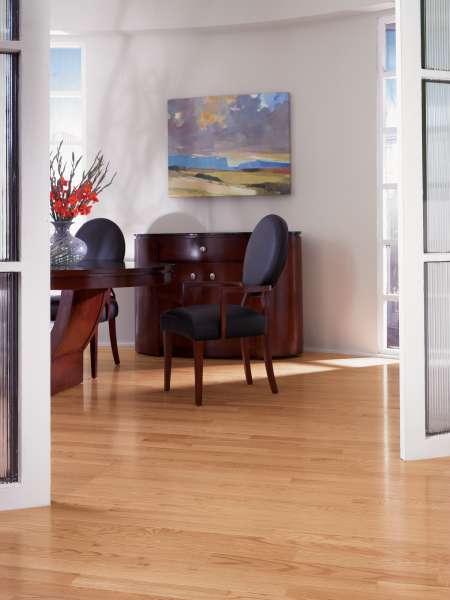
The investment in natural red oak has proven worthwhile from both financial and aesthetic perspectives. Recent appraisals suggest the hardwood flooring added significant value to my home, and the timeless appeal means it won’t go out of style like some trendy flooring options might. The durability has been impressive, showing minimal wear despite heavy daily use from family and pets throughout these three years.
What I find most rewarding is how the floor’s appearance continues to evolve and improve with age. The natural patina that develops over time adds depth and richness that new floors simply can’t match. Small dings and scratches blend into the overall character rather than standing out as defects, giving the floor a lived-in authenticity that I’ve grown to appreciate more than factory perfection.
The versatility of natural red oak has surprised me as I’ve redecorated over the years. The neutral wood tones work beautifully with different design styles and color schemes. Whether I’ve gone with bold accent colors or subtle neutrals, the red oak provides a perfect foundation that adapts to my changing tastes while maintaining its own distinctive character and warmth throughout every season.
How does red oak hold up to pets and children in daily use?
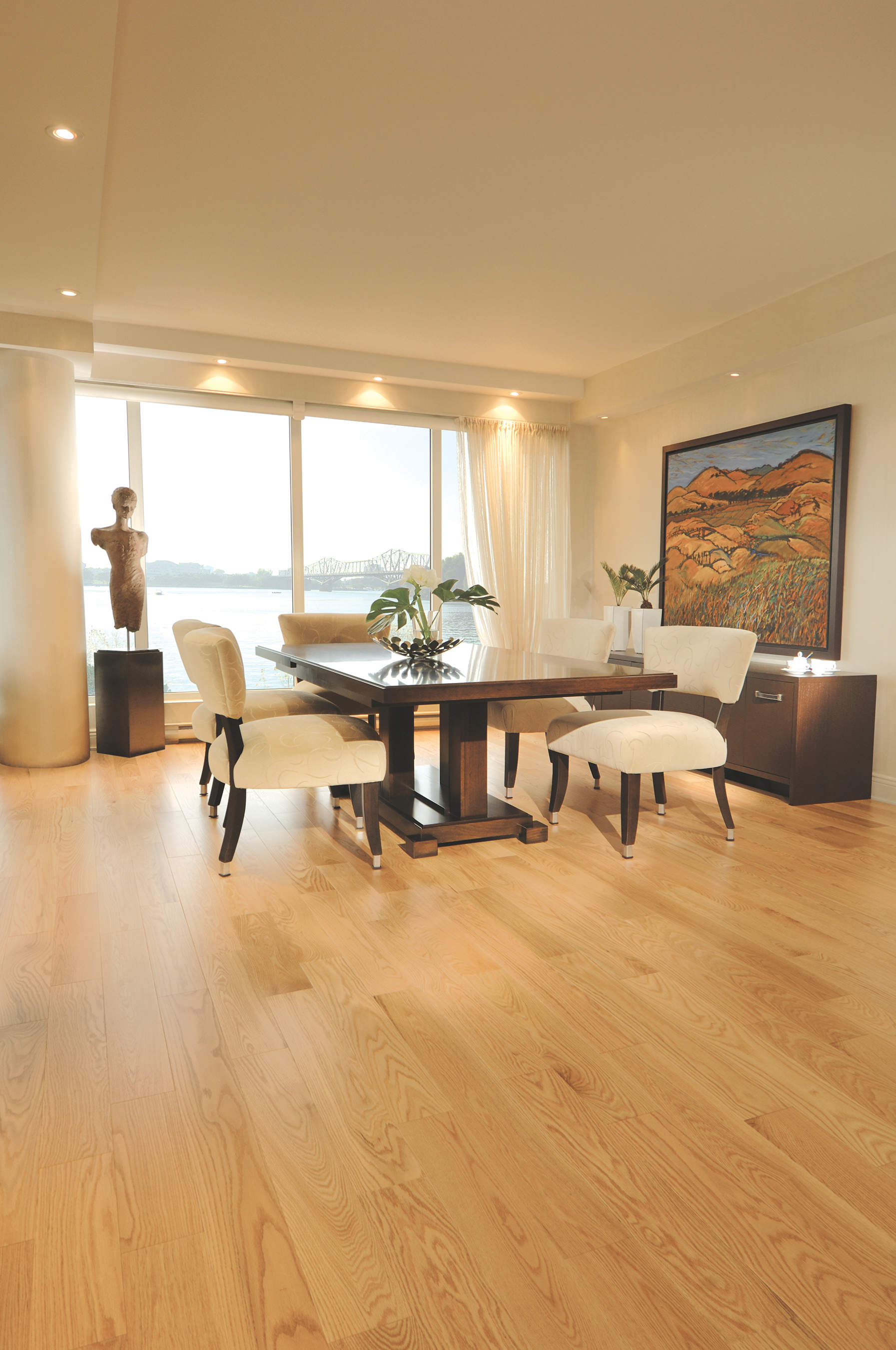
My two dogs and active kids have put my red oak floors through serious testing. The wood’s hardness resists denting well, though their claws do leave light surface scratches that usually buff out with proper cleaning. I keep their nails trimmed and use area rugs in play zones. Overall, red oak handles family life better than I expected, showing character rather than damage.
What’s the real cost difference between red oak and other hardwood options?
Red oak typically costs less than exotic hardwoods but more than domestic alternatives like pine. My installation ran about $8-12 per square foot, including materials and labor. The key is factoring in long-term value, red oak’s refinishing potential means it can last generations with proper care, making the per-year cost very reasonable compared to replacement flooring options.
How often will I need to refinish natural red oak flooring?
Based on my contractor’s experience and my own research, red oak typically needs refinishing every 7-10 years in high-traffic homes, longer in lighter-use areas. The thick wear layer allows for multiple refinishing cycles over the floor’s lifetime. I’m planning my first recoat at the 5-year mark to keep the finish looking fresh and protective.
Does red oak work well with radiant floor heating systems?
My research showed that red oak can work with radiant heating, but requires careful moisture control and gradual temperature changes. The wood’s density helps with heat transfer, but expansion and contraction need management. If you’re considering radiant heat, discuss moisture barriers and installation techniques with an experienced contractor to prevent movement issues.

How does natural red oak compare to pre-finished options?
I chose site-finished red oak over pre-finished for the seamless appearance and custom staining options. Pre-finished saves time and eliminates dust, but limits color choices and creates slight beveled edges between boards. Site-finished costs more and takes longer, but allows for perfect color matching and creates that smooth, continuous surface I wanted.
What’s the best way to handle seasonal expansion and contraction?
I learned to expect minor gaps in winter and tight seams in summer; this is completely normal with solid red oak. Maintaining consistent humidity levels between 30-50% helps minimize movement. I use a humidifier in winter and ensure good ventilation in summer. The key is understanding that this movement is natural, not a defect requiring repair.

Oak Hardwood Flooring
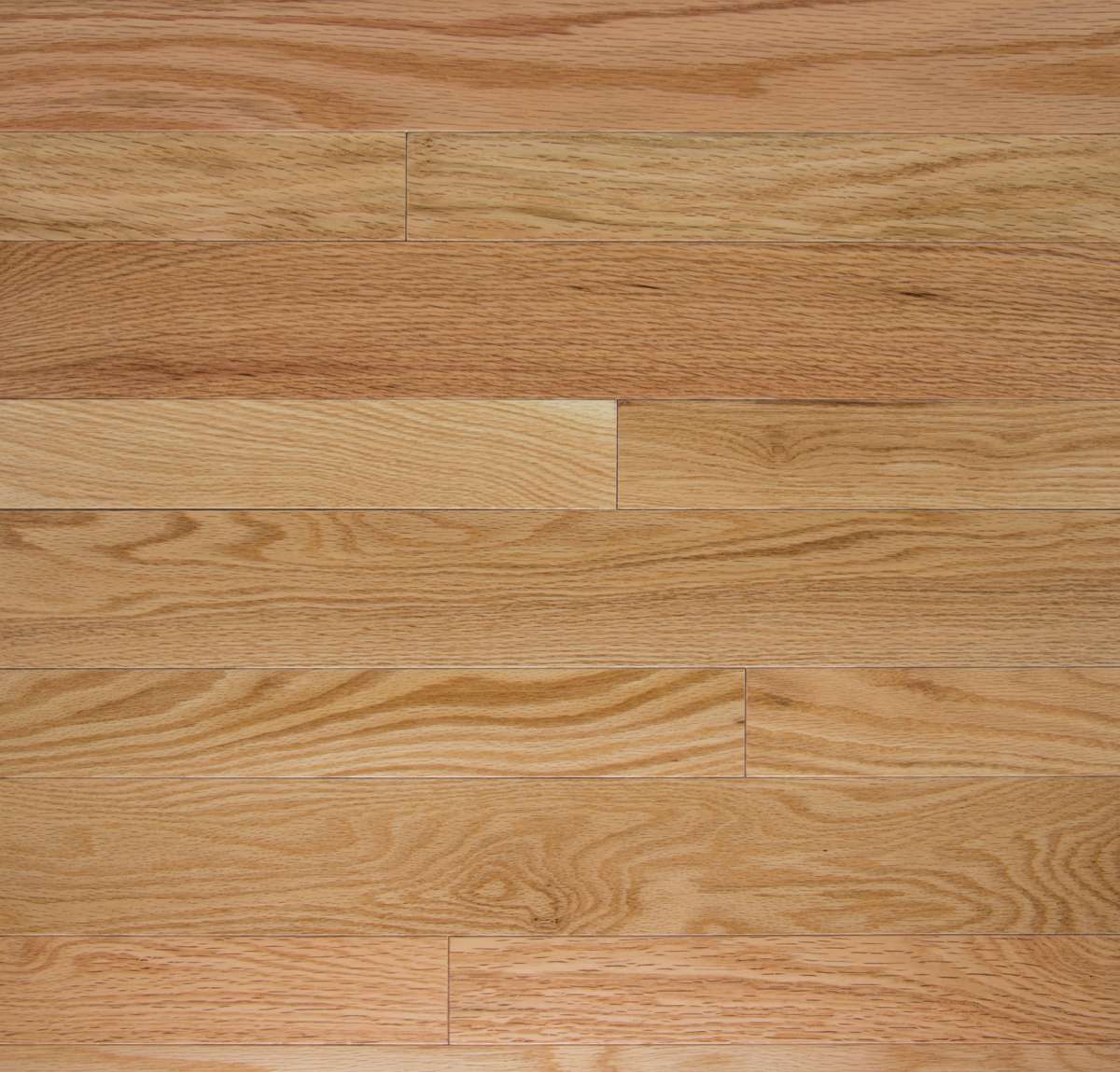
Discount Somerset Color Collection Plank 5″ Solid Red Oak Natural Hardwood Flooring – PP51ROB by Hurst Hardwoods Hurst Hardwoods
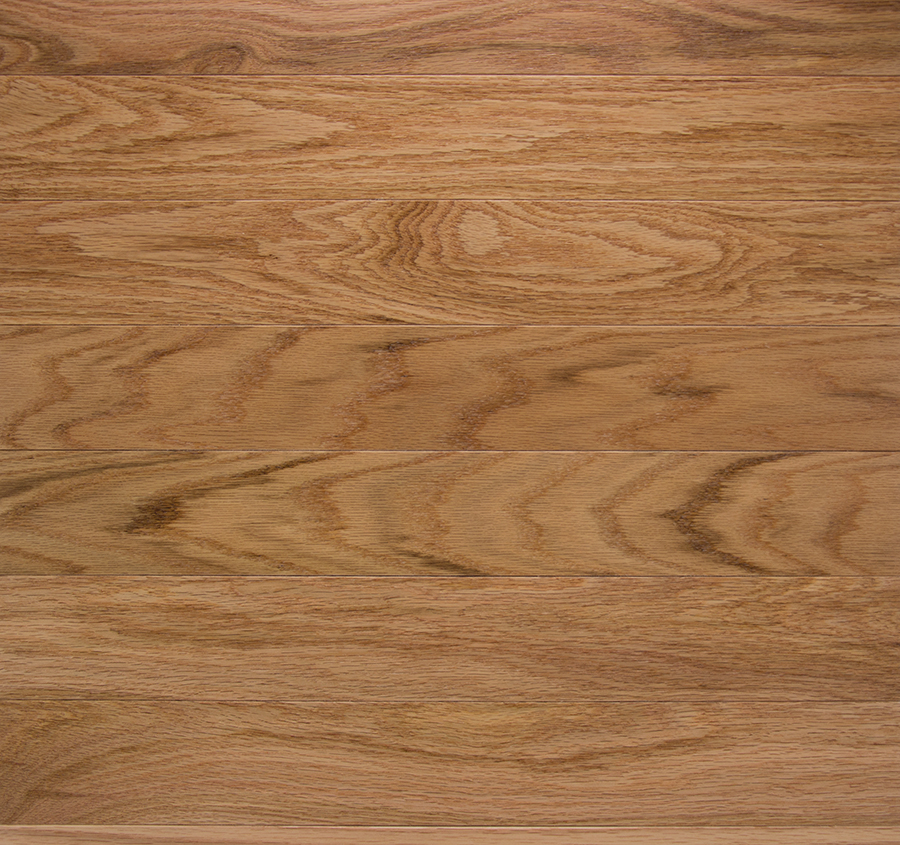
Red Oak Hardwood Classic – Thick Solid Classic
Related Posts: