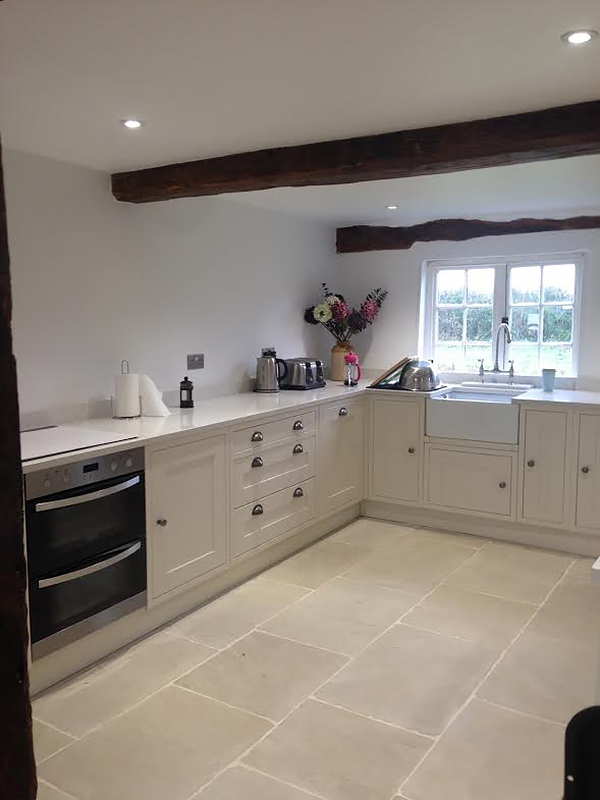
When I first considered ivory floor tiles for my kitchen renovation, I wasn’t prepared for the transformative effect they would have on my entire space. What started as a simple desire to brighten up my dark, cramped kitchen evolved into a complete understanding of how the right flooring choice can fundamentally change the character of a room. Ivory tiles offered the perfect balance between timeless elegance and practical functionality that I had been searching for. Through months of research, installation, and daily living with these tiles, I’ve gained invaluable insights into their benefits, challenges, and long-term performance that I’m eager to share with others considering this beautiful flooring option.
Choosing the Right Ivory Shade and Finish
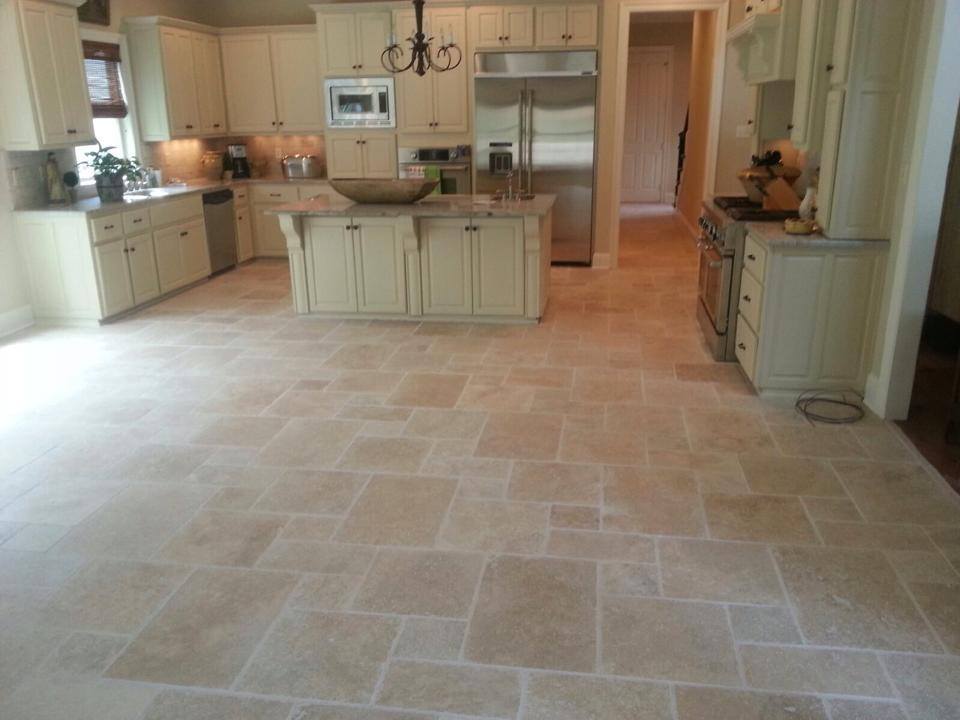
My journey began with the overwhelming realization that “ivory” encompasses a surprisingly wide spectrum of colors and undertones. I discovered that some ivory tiles lean toward warm, creamy yellows while others have cooler, grayish undertones that can completely change the mood of a space. During my selection process, I collected samples from various manufacturers and observed how each shade interacted with my kitchen’s natural lighting throughout different times of day. This careful observation proved crucial in selecting tiles that would maintain their appealing appearance under all lighting conditions.
The finish of ivory tiles became another critical consideration that significantly impacted both aesthetics and functionality in my kitchen. I tested polished tiles that offered a luxurious, reflective surface, but quickly realized they would show every water spot and footprint in my busy cooking space. Matte finishes provided better slip resistance and hid minor imperfections more effectively, though they required different cleaning approaches. Semi-gloss finishes offered a compromise between elegance and practicality that ultimately won my preference for their balanced performance in high-traffic areas.
Texture variations within ivory tiles added another layer of complexity to my decision-making process. Smooth, uniform tiles created a clean, modern appearance that complemented my minimalist design aesthetic, while textured options provided additional grip and visual interest. I found that subtle texture variations helped break up the monotony of large floor areas while maintaining the sophisticated look I desired. The key was finding tiles with enough texture to prevent slipping when wet but not so much that they became difficult to clean or harbored bacteria in the grout lines.
Installation Challenges and Solutions
Installing ivory tiles in my kitchen presented unique challenges that I hadn’t anticipated during the planning phase. The light color made every imperfection in my subfloor preparation glaringly obvious, requiring additional time and attention to achieve the smooth, level surface necessary for professional-looking results. I learned that any shortcuts in floor preparation would be permanently visible through the light-colored tiles, so I invested extra effort in ensuring my foundation was perfect before beginning the actual tile installation process.
Grout selection became a surprisingly complex decision that significantly affected my finished floor’s appearance. I initially planned to use bright white grout to create a seamless, continuous look, but samples revealed that pure white grout made my ivory tiles appear dingy by comparison. After testing multiple grout colors, I discovered that a slightly off-white grout enhanced the ivory tiles’ warmth while maintaining the clean, unified appearance I desired. This lesson taught me the importance of testing all materials together before committing to the final installation.
The actual installation process required extra care and attention to detail that I hadn’t expected with darker tiles. Every adhesive smudge, grout haze, or installation imperfection showed prominently against the light surface, demanding meticulous cleanup during each step of the process. I learned to work in smaller sections, cleaning thoroughly as I progressed rather than waiting until the end. This approach prevented staining and ensured that my finished floor met the high standards that ivory tiles demand for optimal appearance and long-term satisfaction.
Daily Maintenance and Cleaning Routines
Living with ivory kitchen floor tiles has taught me that maintaining their beauty requires consistent daily attention, but isn’t as demanding as I initially feared. I developed a simple routine of sweeping or vacuuming daily to prevent dirt and grit from accumulating and potentially scratching the surface. Quick spill cleanup became second nature, as I learned that addressing messes immediately prevents staining and reduces the need for intensive cleaning later. This proactive approach keeps my floors looking pristine with minimal effort.
My cleaning product selection evolved through trial and error as I discovered which products worked best with my specific tiles. Harsh chemicals and abrasive cleaners quickly proved counterproductive, dulling the surface and potentially causing permanent damage. I settled on pH-neutral cleaners specifically designed for ceramic or porcelain tiles, which effectively clean without compromising the surface integrity. Regular mopping with these gentle cleaners maintains the tiles’ original luster while ensuring a hygienic cooking environment.
Weekly deep cleaning became part of my routine to address grout lines and remove any buildup that daily cleaning might miss. I use a soft brush and specialized grout cleaner to keep the lines bright and prevent discoloration that could detract from the overall appearance. Steam cleaning occasionally helps sanitize the surface and removes any stubborn residue without harsh chemicals. This comprehensive maintenance approach ensures that my ivory tiles continue to look as beautiful as the day they were installed.
Lighting Considerations and Color Temperature
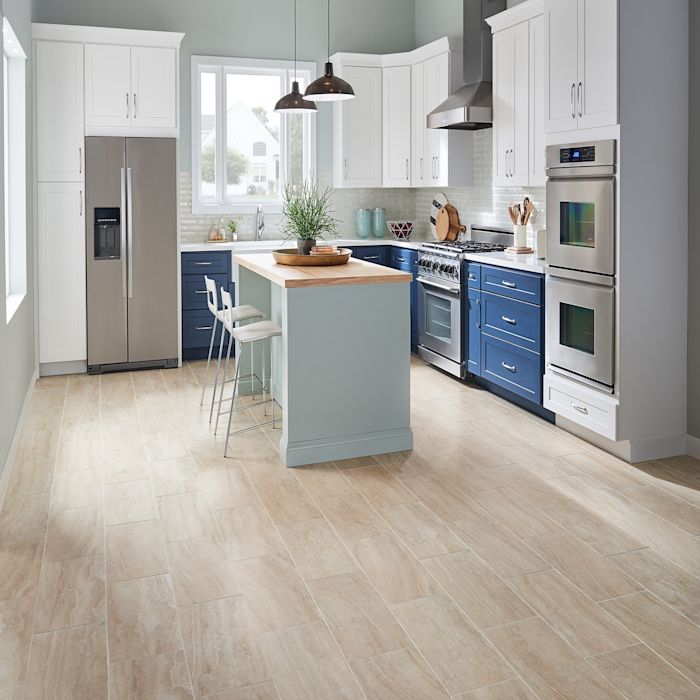
The interaction between lighting and ivory tiles became one of the most fascinating aspects of my kitchen renovation. I discovered that different light sources dramatically affected how my tiles appeared throughout the day, sometimes making them look warm and inviting, other times cool and stark. Natural sunlight brought out the warmth in my ivory tiles, creating a welcoming atmosphere that made cooking and entertaining more enjoyable. Understanding this relationship helped me plan my lighting design to complement the tiles’ natural beauty.
Artificial lighting required careful consideration to maintain the desired appearance of my ivory tiles during evening hours. Cool LED lights made my tiles appear grayish and unwelcoming, while warm incandescent bulbs enhanced their creamy undertones beautifully. I installed dimmer switches to adjust lighting intensity based on activities and time of day, allowing me to create the perfect ambiance for everything from bright morning coffee preparation to intimate evening dinners. This flexibility maximized my enjoyment of the tiles’ aesthetic appeal.
Under-cabinet lighting became an unexpected hero in showcasing my ivory tiles’ beauty while providing functional task lighting for food preparation. The warm, even illumination created depth and dimension that made my tiles appear more luxurious and sophisticated. I learned that proper lighting placement could minimize shadows and create a more uniform appearance across large tile areas. This lighting strategy transformed my kitchen from a utilitarian space into an elegant room that I genuinely enjoy spending time in.

Durability and Long-Term Performance
After several years of daily use, my ivory kitchen floor tiles have exceeded my expectations for durability and appearance retention. Despite concerns about showing wear and staining, properly quality tiles have maintained their original beauty with consistent maintenance. I’ve learned that investing in higher-grade tiles pays dividends in long-term performance, as they resist chipping, cracking, and surface degradation better than budget alternatives. The initial investment in quality materials has proven worthwhile through years of reliable performance.
High-traffic areas in my kitchen have shown minimal wear despite constant use from family members, pets, and guests. The tiles’ resistance to scratching and impact damage has impressed me, particularly around the sink and stove areas where dropped utensils and heavy cookware are common. I’ve noticed that quality ivory tiles maintain their color consistency over time, showing no signs of fading or discoloration even in areas exposed to direct sunlight throughout the day. This stability gives me confidence in my long-term investment.
The grout lines have required more attention than the tiles themselves, occasionally needing resealing to maintain their appearance and prevent staining. I’ve learned to view grout maintenance as a normal part of tile ownership rather than a drawback, and the effort required is minimal compared to the benefits. Overall, my ivory tiles have proven to be a smart choice that combines beauty, functionality, and longevity in a way that continues to enhance my kitchen’s appeal and value.

Design Flexibility and Decorating Options
One of the most rewarding aspects of choosing ivory floor tiles has been discovering their incredible versatility in accommodating different design styles and color schemes. The neutral base allows me to experiment with various cabinet colors, countertop materials, and decorative accessories without worrying about clashing or limiting my options. I’ve successfully updated my kitchen’s look multiple times simply by changing paint colors, hardware, and accessories while keeping the same beautiful tile foundation that ties everything together seamlessly.
My ivory tiles have proven to be the perfect backdrop for both bold and subtle design elements. When I wanted to add drama, I introduced deep blue cabinets and brass hardware that popped beautifully against the light floor. For a more serene period, I chose soft grays and whites that created a spa-like atmosphere. The tiles’ ability to support such diverse design directions has made my kitchen feel like a constantly evolving space that never becomes boring or outdated.
Seasonal decorating has become more enjoyable with ivory tiles as my foundation. Spring brings fresh greens and pastels that look vibrant against the neutral floor, while fall allows for rich oranges and deep reds that create warmth and coziness. Holiday decorating is simplified because any color scheme works beautifully with the ivory base. This flexibility has made my kitchen feel more connected to the changing seasons and special occasions throughout the year, enhancing my overall enjoyment of the space.

Do ivory kitchen floor tiles show dirt and stains more easily than darker options?
Ivory tiles do show certain types of dirt more readily than darker alternatives, but they’re more forgiving than pure white tiles. Dark soil and muddy footprints are visible, but dust and light debris blend in better than you might expect. I’ve found that daily sweeping and prompt spill cleanup prevent most staining issues. The key is choosing quality tiles with proper sealing and maintaining consistent cleaning habits. Overall, the benefits of brightness and design flexibility outweigh the minimal extra maintenance required for keeping them looking pristine.
What’s the best grout color to use with ivory kitchen floor tiles?
After extensive testing, I recommend using grout that’s slightly darker than your tiles rather than trying to match exactly. Pure white grout makes ivory tiles look dingy, while very dark grout creates too much contrast and can look harsh. I chose a warm, off-white grout that complements the ivory without disappearing completely. This choice maintains clean lines while enhancing the tiles’ natural warmth. Consider your specific tile undertones when selecting grout, as cool ivory tiles might pair better with gray-toned grout, while warm ivory works well with beige undertones.

How do ivory tiles perform in high-moisture areas like near the kitchen sink?
Quality ivory tiles perform excellently in high-moisture areas when properly installed with appropriate sealing. I’ve had no issues with water damage or discoloration around my sink area over several years of use. The key is ensuring proper waterproofing during installation and maintaining grout sealing as recommended. Porcelain tiles generally outperform ceramic tiles in moisture resistance, making them ideal for wet areas. I clean water spots promptly to prevent mineral buildup, but the tiles themselves handle moisture exposure without any deterioration or staining problems.
Are ivory tiles suitable for homes with pets and children?
Ivory tiles work wonderfully in family homes with proper selection and maintenance. I have both pets and children, and my tiles have held up beautifully with minimal extra care. Pet hair shows less on ivory than on dark tiles, making cleanup easier. The smooth surface resists bacterial growth and cleans thoroughly, which is important for hygiene with kids and pets. I recommend choosing tiles with a slight texture for slip resistance and investing in quality materials that resist scratching from pet claws. Regular maintenance keeps them looking great despite heavy family use.
What size ivory tiles work best in kitchen applications?
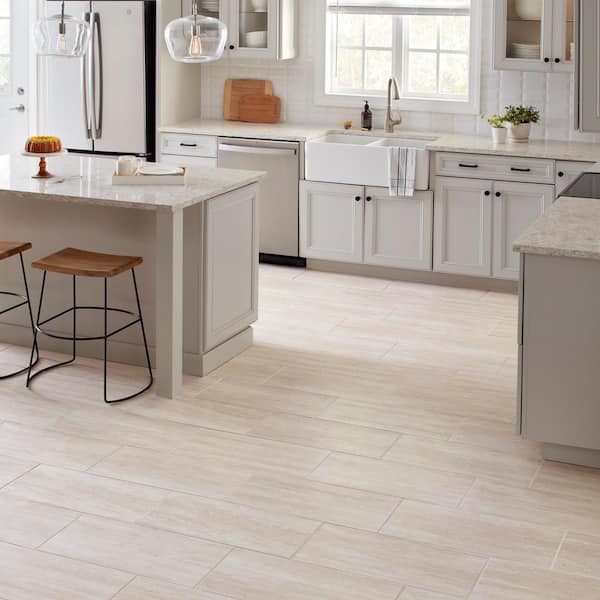
Larger tiles generally work better in kitchens because they create fewer grout lines, which means less maintenance and a cleaner appearance. I chose 12×24 inch tiles that provide good coverage while remaining manageable for DIY installation. Smaller tiles can work well for accent areas or backsplashes, but large format tiles minimize grout maintenance and create a more seamless, sophisticated look. Consider your room size when selecting tile dimensions, as very large tiles might overwhelm smaller kitchens while tiny tiles can make spaces feel busy and cluttered.
How do ivory tiles compare to other light-colored flooring options for kitchens?
Ivory tiles offer several advantages over other light flooring options like hardwood or vinyl. They’re completely waterproof, resist staining better than natural materials, and maintain their color without fading or yellowing over time. Unlike white tiles, ivory provides warmth without being stark or clinical. Compared to light hardwood, tiles require less maintenance and handle spills better. While luxury vinyl can mimic the look, real ceramic or porcelain tiles offer superior durability and don’t show wear patterns. The investment in quality ivory tiles pays off through longevity and timeless appeal that other materials struggle to match.
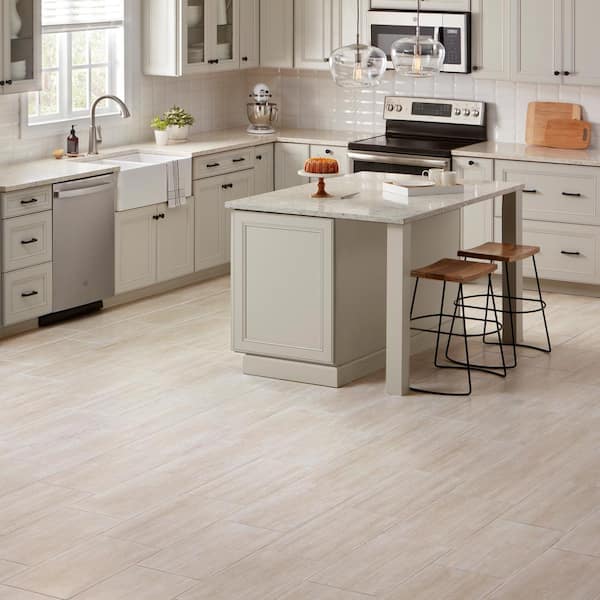
Kitchen Tile Floor
Related Posts: