When I first considered Pergo laminate flooring for my home renovation, I was skeptical about whether it could truly replicate the look and feel of real hardwood at a fraction of the cost. After extensive research and several years of living with Pergo floors throughout my home, I can confidently say that this flooring has exceeded my expectations in most areas while presenting some unique challenges I hadn’t anticipated. My journey with Pergo has taught me valuable lessons about installation techniques, maintenance requirements, and long-term performance that I wish I had known before starting my project. This experience has given me a profound appreciation for the technology and craftsmanship that underpin modern laminate flooring.
Understanding Pergo’s Technology and Construction
My first surprise came when I learned about the sophisticated manufacturing process behind Pergo laminate flooring. The four-layer construction includes a moisture-resistant backing, a high-density fiberboard core, a photographic layer that creates the wood appearance, and a protective wear layer that determines durability. This multi-layer approach creates a product that’s significantly more stable than traditional hardwood, with minimal expansion and contraction due to temperature and humidity changes. I was impressed by how this engineered approach solved many common flooring problems.
The wear layer technology particularly caught my attention during my research phase. Pergo uses aluminum oxide in its wear layer, which provides exceptional scratch and dent resistance compared to cheaper laminate options. I tested this durability by dropping various household items on sample pieces, and the results were impressive. The AC rating system helped me understand which Pergo products would work best for my specific rooms, with higher ratings indicating better performance in high-traffic areas like my kitchen and hallways.
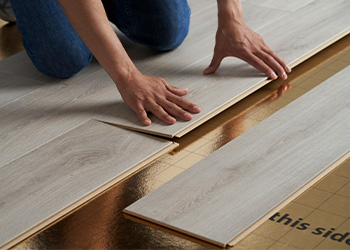
The click-lock installation system represents another technological advancement that made my DIY installation possible. Each plank features precisely engineered tongues and grooves that snap together without adhesives, creating a floating floor that can expand and contract as a single unit. I found this system intuitive to use, though it required patience and attention to detail to achieve professional-looking results. The ability to disassemble and reassemble sections during installation proved invaluable when I made inevitable mistakes during my learning process.
Installation Process and DIY Considerations
My Pergo installation journey began with careful subfloor preparation, which proved more critical than I initially realized. Any imperfections in the subfloor would telegraph through the laminate, creating squeaks, gaps, or uneven surfaces that would be permanently visible. I spent considerable time leveling low spots, fixing squeaky areas, and ensuring the subfloor was completely clean and dry. This preparation phase took longer than expected but was essential for achieving the smooth, professional finish I desired throughout my home.
The actual installation process required more precision than I anticipated, particularly in maintaining proper expansion gaps around room perimeters. I learned that Pergo floors need space to move with seasonal changes, and cutting these gaps too small would cause problems later. Using spacers consistently around all edges and obstacles ensured proper expansion room while maintaining straight, parallel rows. I found that planning the layout carefully before starting prevented awkward narrow pieces at room endings that would look unprofessional.
My biggest installation challenge came with transitions between rooms and around doorways. Creating smooth, attractive transitions required careful measurements and precise cutting that tested my DIY skills. I invested in quality transition strips and learned to undercut door jambs properly to allow the flooring to slide underneath for a clean appearance. These details made the difference between a DIY job that looked homemade and one that appeared professionally installed, justifying the extra time and effort required.

Daily Maintenance and Cleaning Requirements
Living with Pergo laminate has taught me that proper maintenance is both simpler and more important than I initially understood. Daily sweeping or vacuuming prevents dirt and grit from accumulating and potentially scratching the surface over time. I use a microfiber dust mop for quick daily cleaning, which effectively captures debris without leaving streaks or residue. The key is consistency, as regular light cleaning prevents the need for intensive deep cleaning that could potentially damage the floor’s finish.
My cleaning product selection evolved through trial and error as I discovered which products work best with Pergo’s specific surface treatment. I avoid traditional wood floor cleaners, wax-based products, and anything containing soap that could leave residue or cause buildup. Instead, I use cleaners specifically formulated for laminate flooring or simply damp mop with plain water for routine cleaning. This approach maintains the floor’s appearance while preventing damage from inappropriate cleaning products.
Spill management became second nature once I understood Pergo’s moisture sensitivity. While the surface is water-resistant, standing water can potentially seep into seams and cause swelling or warping. I clean up spills immediately and ensure the floor is completely dry after mopping. This proactive approach has prevented any moisture-related problems over several years of use, even in my kitchen and bathroom areas where occasional water exposure is inevitable.
Durability and Long-Term Performance
After three years of daily use, my Pergo floors have demonstrated impressive durability that validates my initial investment decision. High-traffic areas like my hallway and kitchen entrance show minimal wear despite constant foot traffic from family members, pets, and guests. The aluminum oxide wear layer has effectively protected against scratches from pet claws, dropped utensils, and furniture movement. I’m particularly impressed by how well the floors have maintained their original appearance despite the challenges of daily family life.
The photographic layer has proven remarkably stable over time, showing no signs of fading or discoloration even in areas exposed to direct sunlight throughout the day. This UV resistance was a major concern during my selection process, as I’d heard horror stories about laminate floors fading or developing yellow tints over time. My Pergo floors have maintained their rich, consistent wood appearance without any color changes, giving me confidence in their long-term aesthetic stability.
Minor damage repair has been easier than expected thanks to Pergo’s replaceable plank system. When I accidentally damaged a single plank during furniture moving, I was able to replace just that piece without affecting surrounding areas. This repairability is a significant advantage over glued-down flooring systems and has saved me considerable expense and disruption. The ability to keep spare planks for future repairs provides peace of mind for long-term maintenance planning.

Comparing Different Pergo Product Lines
My research into Pergo’s various product lines revealed significant differences in quality, appearance, and price that aren’t always obvious from marketing materials. The entry-level lines offer basic durability and appearance suitable for low-traffic areas, while premium lines feature enhanced wear layers, more realistic textures, and better sound dampening. I found that the price difference between product lines was often justified by measurable improvements in performance and appearance that would affect my long-term satisfaction.
The texture variations between Pergo lines became particularly important in my selection process. Basic lines feature smooth surfaces that can look artificial under certain lighting conditions, while premium lines incorporate embossed textures that closely mimic real wood grain patterns. I chose a mid-range line that offered good texture realism without the premium price, finding this balance provided the best value for my specific needs and budget constraints.
Sound performance varied significantly between Pergo product lines, with premium options including attached underlayment that reduces noise transmission and provides additional comfort underfoot. I initially tried to save money by choosing a line without attached padding, but the hollow sound and lack of cushioning made me upgrade to a better product. The improved sound dampening and walking comfort justified the additional cost, particularly in my upstairs installation, where noise control was important.

Value Analysis and Long-Term Satisfaction
My financial analysis of Pergo laminate versus alternatives reveals compelling value over time. The initial cost was significantly lower than comparable hardwood flooring, allowing me to upgrade other aspects of my renovation within the same budget. When I factor in the reduced maintenance requirements, moisture resistance, and scratch durability, the total cost of ownership becomes even more favorable. I’ve saved money on refinishing, special cleaning products, and repair costs that would be necessary with traditional hardwood.
The installation savings from DIY capability added considerable value to my Pergo choice. Professional hardwood installation would have cost thousands more than my DIY laminate project, and I gained valuable skills and satisfaction from completing the work myself. The click-lock system made installation achievable for a motivated homeowner, though I recommend having realistic expectations about the time and effort required. The ability to install the flooring myself allowed me to invest more in higher-quality product lines.
Long-term satisfaction with my Pergo floors has exceeded my initial expectations in most areas. The consistent appearance, easy maintenance, and durability have made daily life more enjoyable while adding value to my home. My only regret is not choosing a slightly higher-end product line initially, as the benefits of premium features become more apparent over time. Overall, Pergo laminate has proven to be a smart investment that delivers both immediate visual impact and long-term practical benefits.
How long does Pergo laminate flooring typically last in residential applications?
Quality Pergo laminate flooring can last 15-25 years or more with proper installation and maintenance. The lifespan depends heavily on the specific product line chosen, with premium options lasting longer than basic lines. Traffic levels and maintenance habits significantly impact longevity. I’ve seen well-maintained Pergo floors looking excellent after a decade of use. The warranty periods ranging from 10-30 years depending on the product line provide good indication of expected durability. Higher AC-rated products perform better in high-traffic areas and justify the investment for long-term use.
Can Pergo laminate be installed in kitchens and bathrooms?
Many Pergo products are suitable for kitchen installation, but bathroom use requires careful consideration. I successfully installed Pergo in my kitchen with no moisture problems after three years. However, bathrooms present more challenging moisture conditions that require proper ventilation and immediate spill cleanup. Some newer Pergo lines feature enhanced moisture resistance specifically designed for these applications. Always check the specific product’s moisture rating and warranty coverage for wet areas. Proper installation with adequate expansion gaps and moisture barriers is essential for success in any moisture-prone area.
Is professional installation necessary, or can I install Pergo laminate myself?
Pergo’s click-lock system makes DIY installation achievable for motivated homeowners with basic tools and patience. I successfully installed over 1,000 square feet myself, though it required careful planning and attention to detail. The key challenges include maintaining straight rows, proper expansion gaps, and creating clean transitions around obstacles. Basic carpentry skills and the ability to use measuring tools accurately are essential. While professional installation ensures warranty coverage and perfect results, DIY installation can save thousands of dollars if you’re willing to invest time learning proper techniques.
How does Pergo compare to other laminate flooring brands in terms of quality?
Pergo generally offers superior quality compared to many competing laminate brands, particularly in wear layer technology and installation systems. Having researched extensively, I found Pergo’s aluminum oxide wear layer outperforms many competitors’ surface treatments. The click-lock system is more refined and easier to install than some alternatives. However, premium brands like Quickstep and Mohawk offer comparable quality at similar price points. The key is comparing specific product lines rather than brand names, as quality varies significantly within each manufacturer’s offerings.

What maintenance products should I use to keep Pergo floors looking their best?
I recommend using only cleaners specifically formulated for laminate flooring to avoid damage or residue buildup. Bona, Weiman, and Pergo’s own cleaning products work well for routine maintenance. Avoid traditional wood floor cleaners, wax-based products, steam mops, or anything containing soap. For daily cleaning, a microfiber dust mop captures debris effectively without chemicals. Weekly damp mopping with appropriate cleaner maintains appearance while protecting the surface. Always ensure the floor is completely dry after cleaning to prevent moisture damage at seams.
Does Pergo laminate flooring add value to my home for resale purposes?
Quality Pergo laminate flooring can add value to your home, though typically less than hardwood flooring. The key is choosing higher-end product lines that closely mimic real wood appearance and feel. Many buyers appreciate the low maintenance and durability benefits, especially families with children or pets. Professional installation and quality underlayment enhance perceived value. However, some buyers specifically seek hardwood floors, so laminate may limit your buyer pool slightly. Overall, Pergo represents good value for homeowners planning to stay long-term while providing reasonable return on investment at resale.
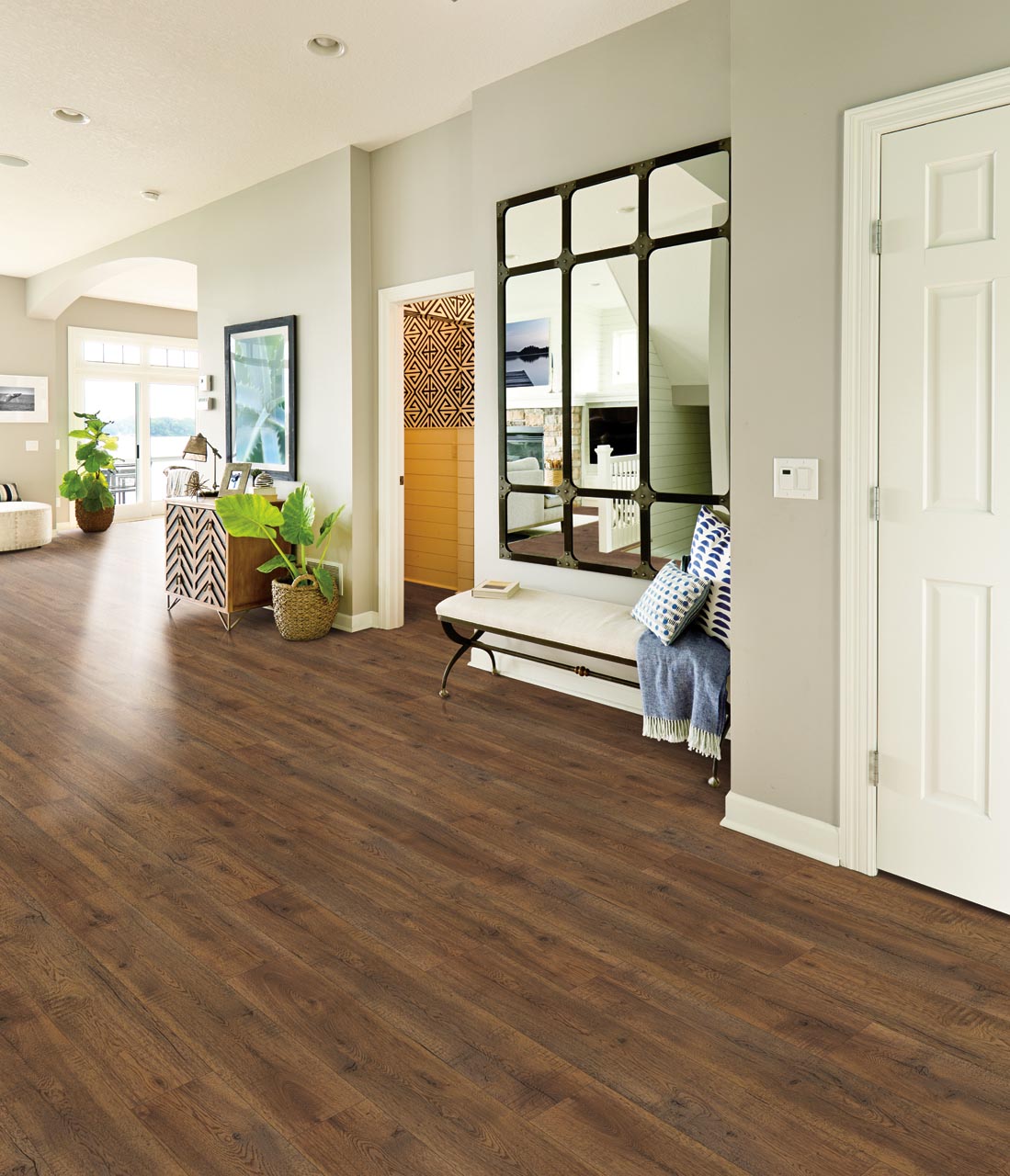
Pergo Elements Originals – Foundations – Blazer from Znet Flooring
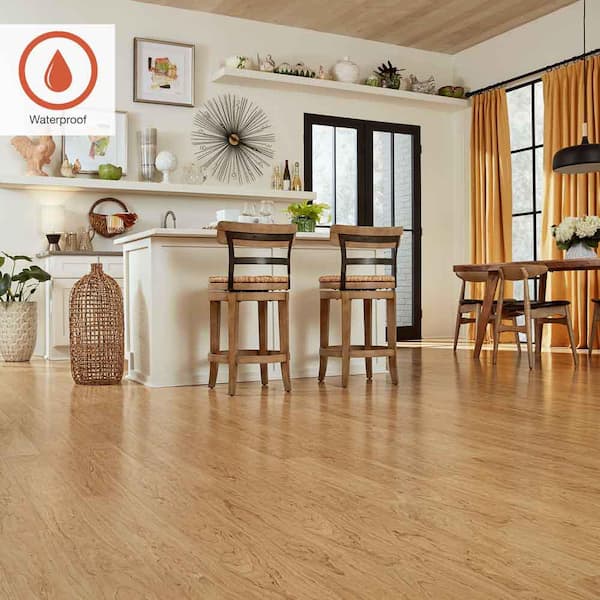
Pergo Outlast+ 5.23 in. W Northern Blonde Maple Waterproof
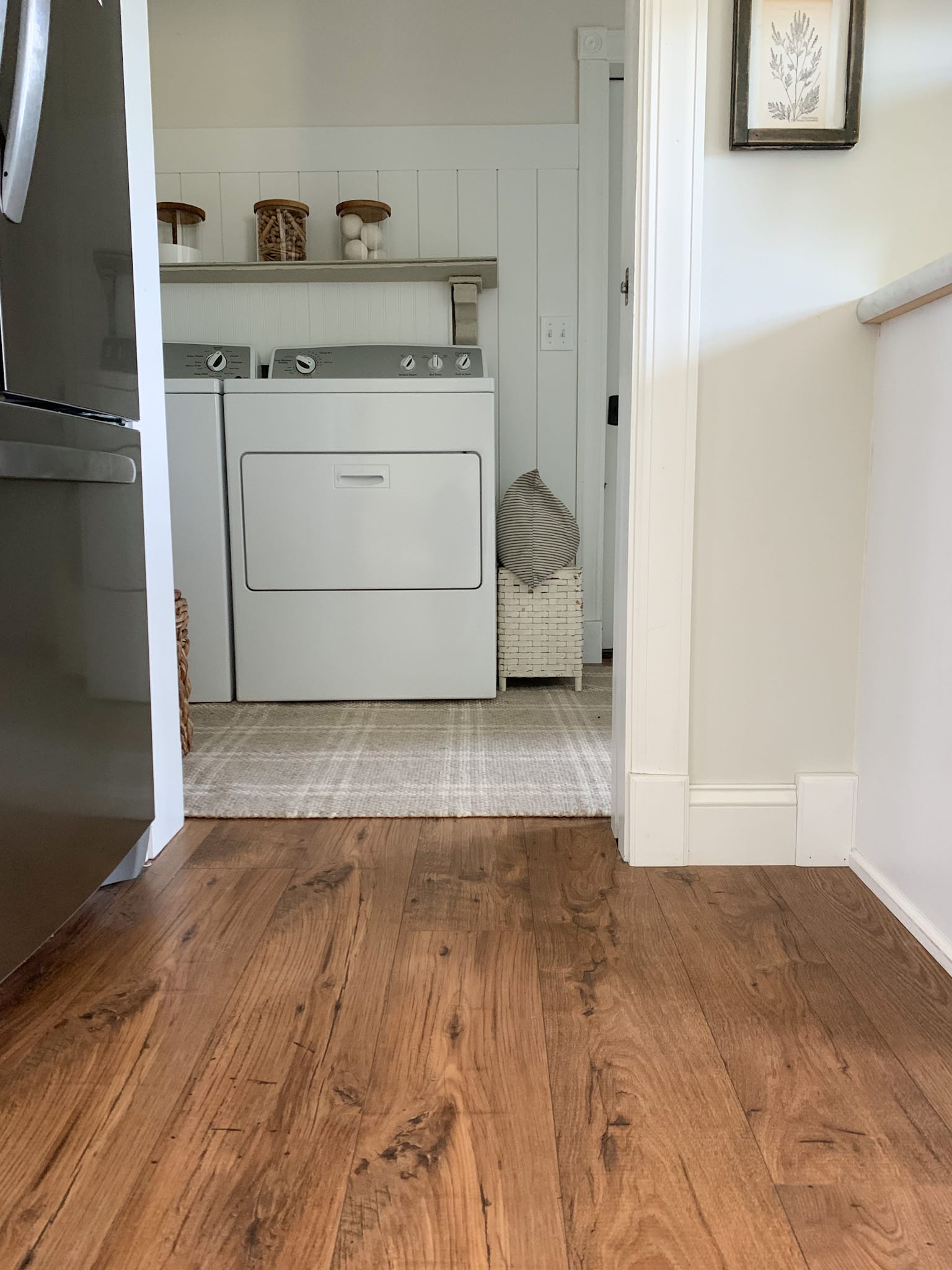
Pergo Wide Plank Laminate Flooring in Amber Chestnut
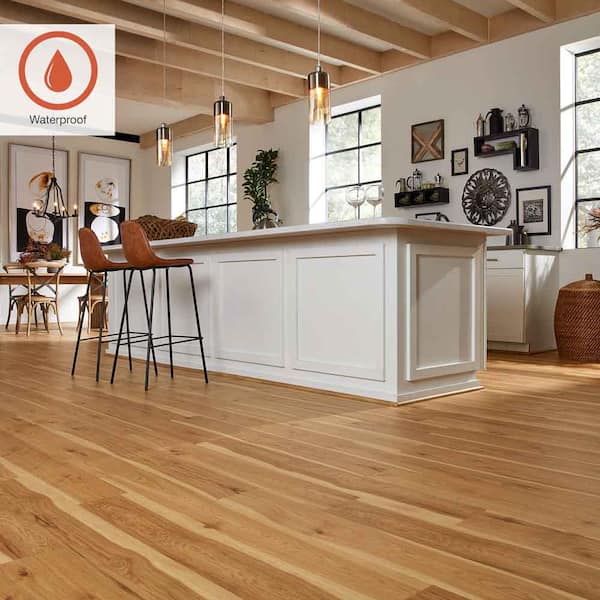
Pergo Outlast+ 6.14 in. W Arden Blonde Hickory Waterproof Laminate
Related Posts: