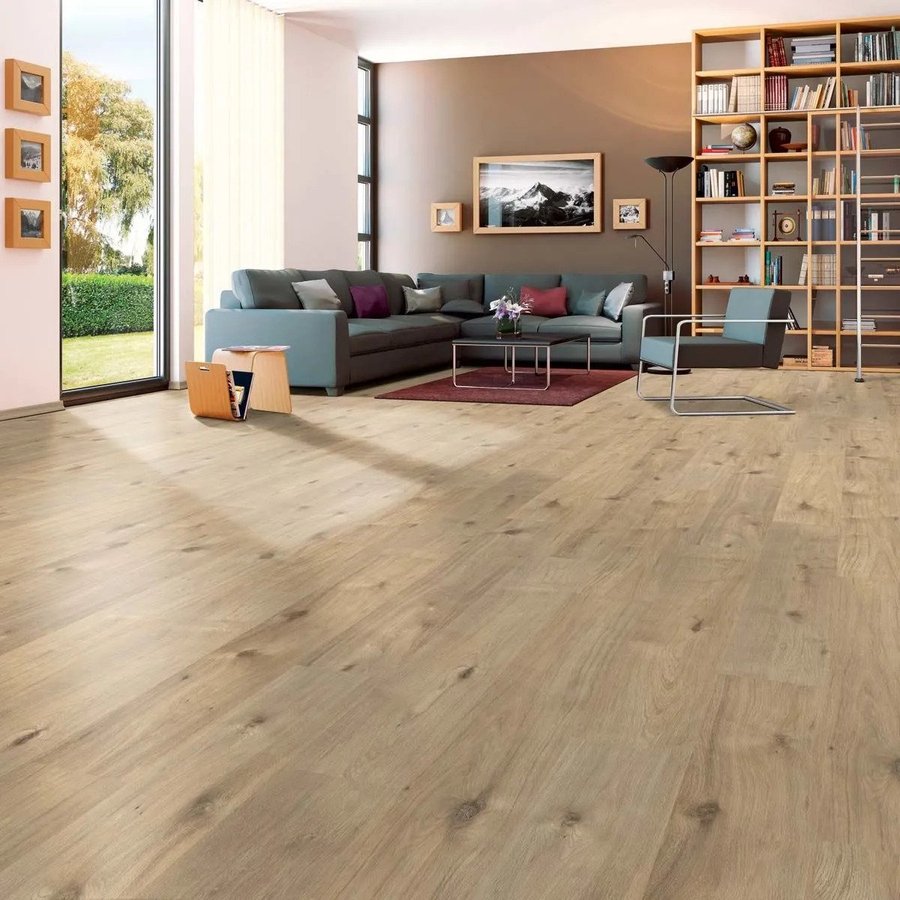
When I first walked into that flooring showroom three years ago, I was completely overwhelmed by the endless options. My living room needed a major makeover, and I knew I wanted something that looked like real hardwood but wouldn’t break the bank. That’s when I discovered rustic oak laminate flooring, and honestly, it changed everything about how I viewed affordable home improvements. The rich, weathered appearance and incredible durability have made it one of the best decisions I’ve made for my home.
Why I Chose Rustic Oak Over Other Wood Looks
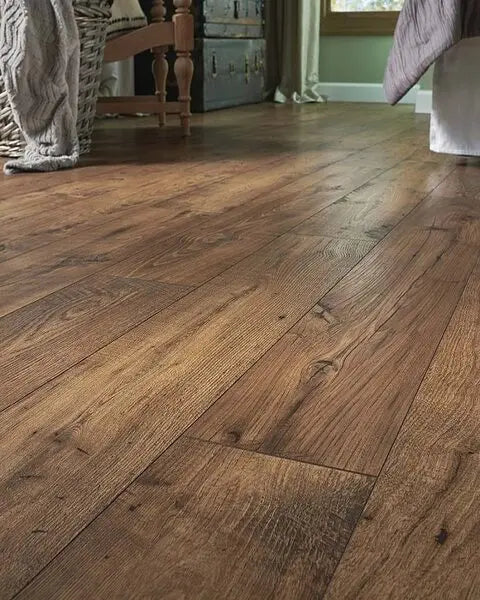
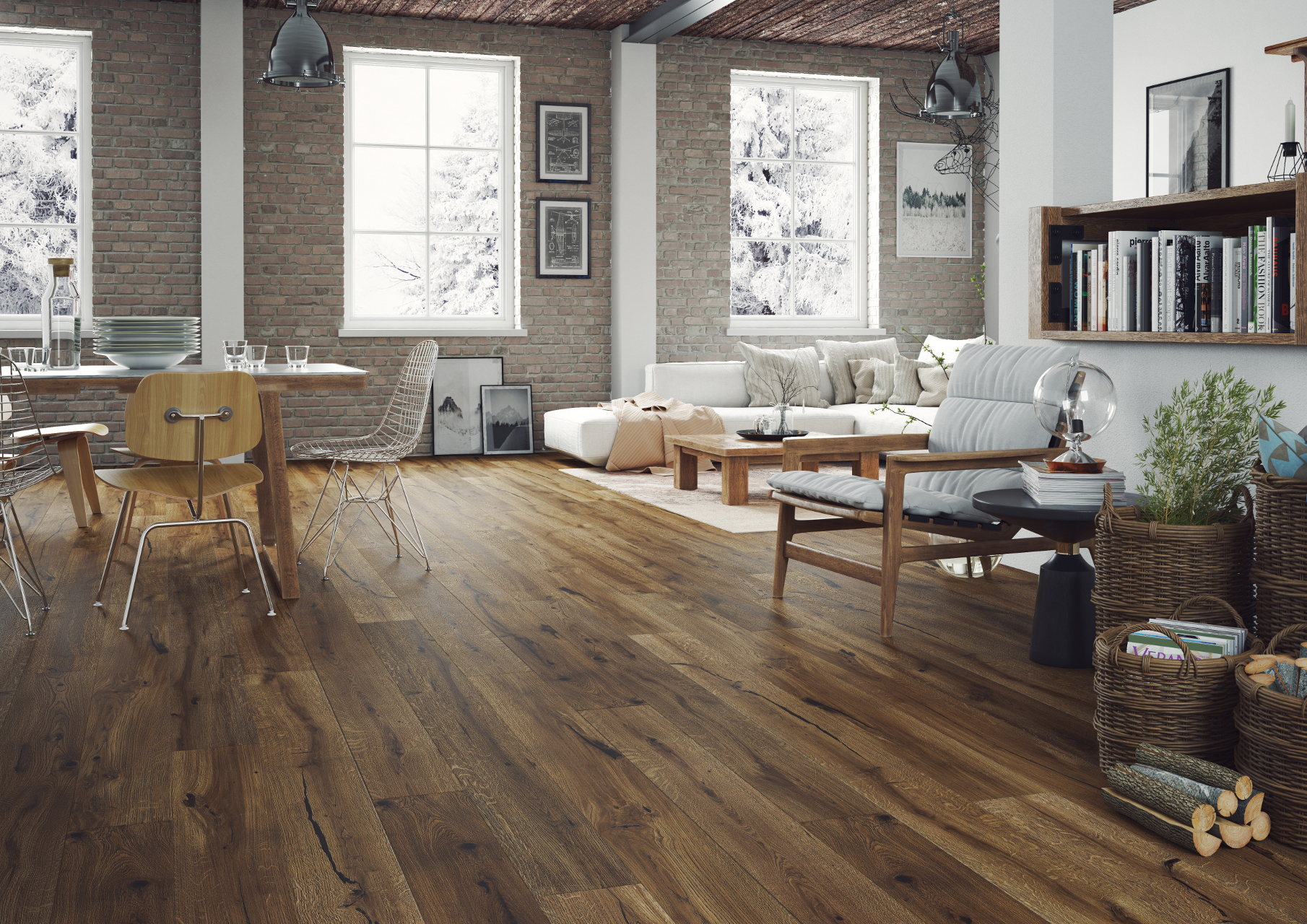
I spent weeks comparing different wood-look options, from cherry to maple to walnut. What drew me to rustic oak was its incredible versatility and timeless appeal. The natural grain patterns and warm honey tones work beautifully with both my modern furniture and vintage pieces I’ve collected over the years. Unlike some wood looks that can feel too formal or too casual, rustic oak strikes the perfect balance.
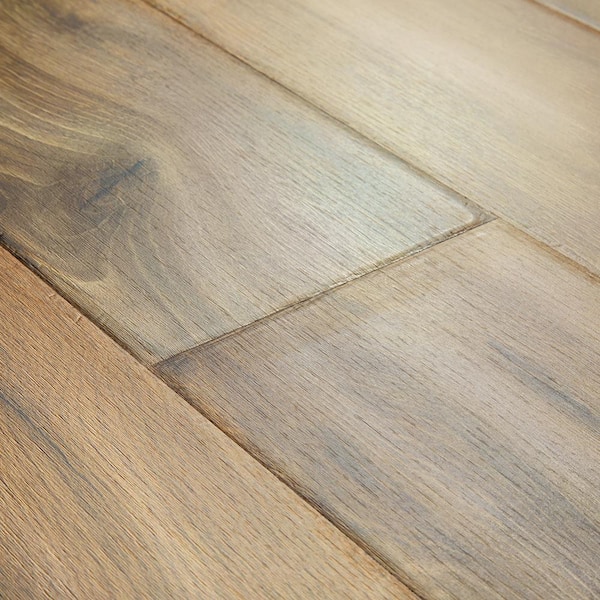
The weathered character of rustic oak laminate also means it’s incredibly forgiving. When my kids tracked in mud last month, or when I accidentally dropped my coffee mug, the natural variation in the planks made any minor scuffs practically invisible. I’ve noticed that friends with pristine, uniform flooring seem to stress about every little mark, but the rustic aesthetic improves with a bit of lived-in character.
What sealed the deal for me was seeing how rustic oak laminate looked in different lighting throughout the day. In the morning sunlight, it has gorgeous golden highlights, and in the evening, under my warm LED lights, it creates a cozy, cabin-like atmosphere that makes everyone feel instantly at home. I’ve had guests ask if it’s real hardwood, which always makes me smile knowing I paid a fraction of the price.
Installation: My DIY Success Story and Lessons Learned
I decided to tackle the installation myself, partly to save money and partly because I love a good weekend project. Most rustic oak laminate comes with click-lock systems, which made the process much easier than I anticipated. I rented a miter saw and purchased a tapping block; honestly, those were the only specialized tools I needed beyond basic measuring equipment.
My biggest mistake was not letting the planks acclimate to my home’s temperature and humidity for 48 hours before installation. I was too eager to get started and laid about half the room before realizing the planks were expanding slightly. I had to pull everything up and start over, but the second time went smoothly. The click-lock system is genuinely foolproof once you get the rhythm down.
The most satisfying part was seeing how professional the finished result looked. I installed transition strips between rooms and quarter-round molding along the baseboards, and the whole project took me one long weekend. My neighbor, who’s a contractor, was impressed with how clean the installation looked. Now, whenever friends mention wanting new flooring, I always encourage them to consider DIY installation if they’re handy with basic tools.
Durability: How My Floors Have Held Up After Three Years
I won’t sugarcoat it, I was skeptical about how well laminate would hold up in a busy household with two kids and a large dog. But my rustic oak laminate has exceeded every expectation I had for durability. The AC4 rating on my planks means they’re designed for heavy residential use, and they’ve proven that rating accurate day after day.
The scratch resistance has been remarkable. My dog’s nails, my daughter’s roller skates, and countless furniture moves haven’t left any visible marks. I did invest in furniture pads, which I’d recommend to anyone, but even without them, the laminate’s protective layer seems incredibly robust. The few times I’ve noticed minor surface scratches, they’ve buffed out easily with a microfiber cloth.
Water resistance was another major concern, especially given my track record with houseplants and coffee spills. While laminate isn’t completely waterproof like luxury vinyl, my rustic oak planks have handled every spill I’ve thrown at them. The key is quick cleanup, which has become second nature. I’ve even had a small leak from my dishwasher that went unnoticed for a few hours, and there was no warping or damage once I dried everything thoroughly.
Maintenance: My Simple Care Routine That Works
Maintaining rustic oak laminate flooring has been surprisingly straightforward, much easier than the hardwood floors I had in my previous home. My daily routine consists of just sweeping or dry mopping to remove surface dirt and debris. I use a microfiber mop that picks up dust and pet hair effectively without scratching the surface.
For weekly deep cleaning, I mix a small amount of laminate-specific cleaner with warm water and mop in sections. The key is using minimal moisture, wringing the mop until it’s almost dry. I learned early on that traditional wood floor cleaners can leave residue on laminate, so investing in the right cleaning products made a huge difference in maintaining that beautiful shine.
What I love most about the maintenance routine is how forgiving the rustic oak pattern is to everyday dust and dirt. Unlike solid-colored floors where every speck shows, the natural variation in the oak grain camouflages normal household debris between cleanings. I vacuum once a week using the hard floor setting, and that keeps everything looking fresh and new even three years later.
Cost Comparison: The Math That Made My Decision Easy
When I started budgeting for new flooring, I got quotes for real hardwood that nearly gave me sticker shock. Professional installation of genuine oak hardwood would have cost me nearly $12 per square foot, while my rustic oak laminate came in at just $3.50 per square foot, including the underlayment. For my 800-square-foot living area, that difference saved me almost $7,000.
Even compared to other laminate options, rustic oak offered excellent value. The thicker planks I chose, with better sound dampening and more realistic textures, cost slightly more than basic laminate but still came in well under premium options. I figured the extra dollar per square foot was worth it for the improved feel underfoot and the more convincing wood appearance.
The long-term cost benefits have been just as impressive as the initial savings. Unlike real hardwood that needs refinishing every few years, my laminate looks the same as on installation day with just regular cleaning. No sanding, no staining, no professional maintenance, just simple care that takes me maybe twenty minutes per week. When I calculate the ongoing maintenance savings, the total cost difference becomes even more significant.

Style Tips: How I Made Rustic Oak Work Throughout My Home
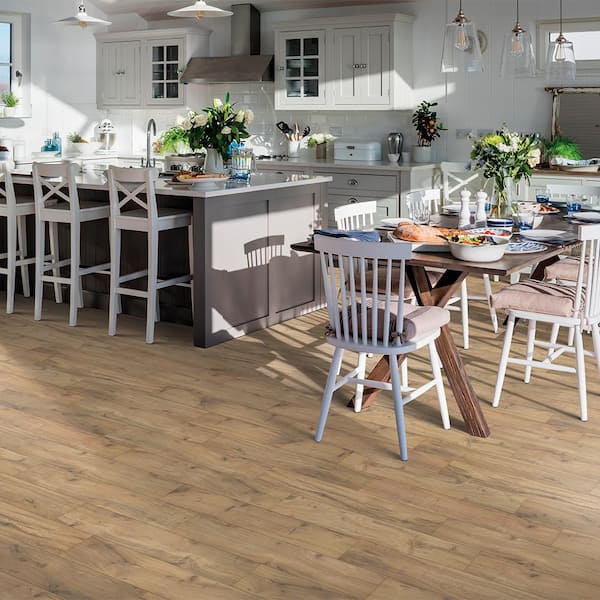
Initially, I only planned to install rustic oak laminate in my living room, but I loved it so much that I extended it into the hallway and kitchen. The key to making it work throughout different spaces was paying attention to the undertones and choosing complementary colors for walls and furniture. The warm honey tones in rustic oak pair beautifully with both cool grays and warm beiges.
In my kitchen, I was worried the rustic look might clash with my sleek stainless steel appliances, but it creates a perfect balance of modern and traditional. I chose white cabinets and a subway tile backsplash, and the rustic oak grounds everything beautifully. The natural texture adds warmth that prevents the space from feeling too sterile or commercial.
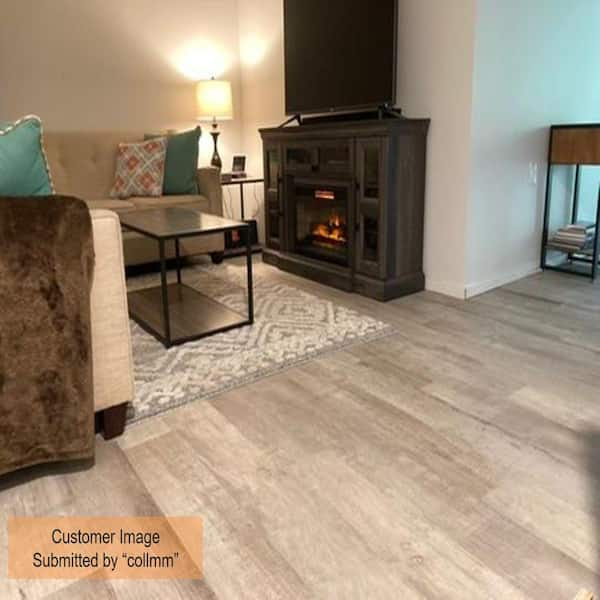
For furniture placement, I learned that rustic oak laminate works with almost any style. My mid-century modern sofa looks stunning against it, and my farmhouse dining table seems right at home. The secret is in the accessories. I use area rugs to define spaces and add pops of color, while letting the beautiful grain patterns in the flooring serve as a neutral foundation that ties everything together.
Is rustic oak laminate suitable for homes with pets and children?
Absolutely! I have two kids and a 70-pound dog, and my rustic oak laminate has been incredibly durable. The scratch-resistant surface handles pet nails beautifully, and spills wipe up easily. The textured surface hides minor scratches better than smooth laminates. Just keep your pet’s nails trimmed and clean up accidents quickly, and you’ll be amazed at how well it holds up to family life.
How does the cost compare to real hardwood flooring?
In my experience, rustic oak laminate costs about one-third the price of genuine hardwood when you factor in materials and installation. I paid $3.50 per square foot compared to $12 for real oak. Plus, there are no ongoing refinishing costs. Over ten years, I estimate I’ll save over $10,000 compared to hardwood, and honestly, most guests can’t tell the difference between my laminate and real wood.
Can I install rustic oak laminate in kitchens and bathrooms?
I successfully installed it in my kitchen with great results. However, I wouldn’t recommend standard laminate in full bathrooms due to humidity concerns. For kitchens, just ensure you have proper ventilation and clean up spills promptly. If you’re set on the rustic oak look in wet areas, consider waterproof luxury vinyl that mimics the same aesthetic but offers better moisture protection.
How long does rustic oak laminate flooring typically last?
My floors are three years old and look brand new with regular care. Most quality rustic oak laminate comes with 15-25 year warranties, and I expect mine to last much longer than that. The key factors are choosing a good AC rating for your traffic level and proper installation. Unlike real wood, which can show wear patterns, the photographic layer in quality laminate maintains its appearance incredibly well over time.
What’s the best way to clean and maintain rustic oak laminate?
My routine is simple: daily dry mopping or sweeping, weekly damp mopping with laminate-specific cleaner, and immediate cleanup of spills. Never use wax, polish, or steam cleaners. I use furniture pads under heavy pieces and doormats to minimize dirt. The rustic pattern is very forgiving and hides everyday dust better than uniform patterns. With this basic care, my floors still look exactly like they did on installation day.
Does rustic oak laminate add value to your home?
While it may not add as much value as genuine hardwood, quality laminate flooring improves your home’s appeal to buyers. The key is choosing realistic-looking planks with good thickness and proper installation. My real estate agent friend says updated flooring, even laminate, makes homes show much better than old carpet or damaged hardwood. For the cost difference, it’s an excellent investment in both daily enjoyment and resale appeal.
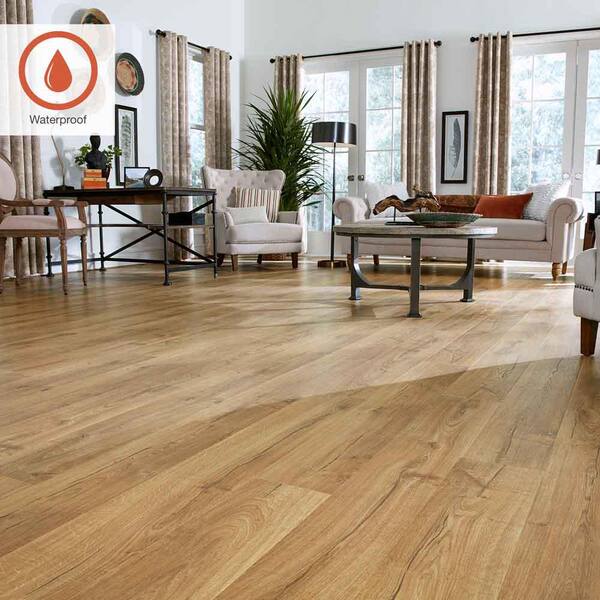
Pergo Portfolio + WetProtect Waterproof Rustic Amber Chestnut 10
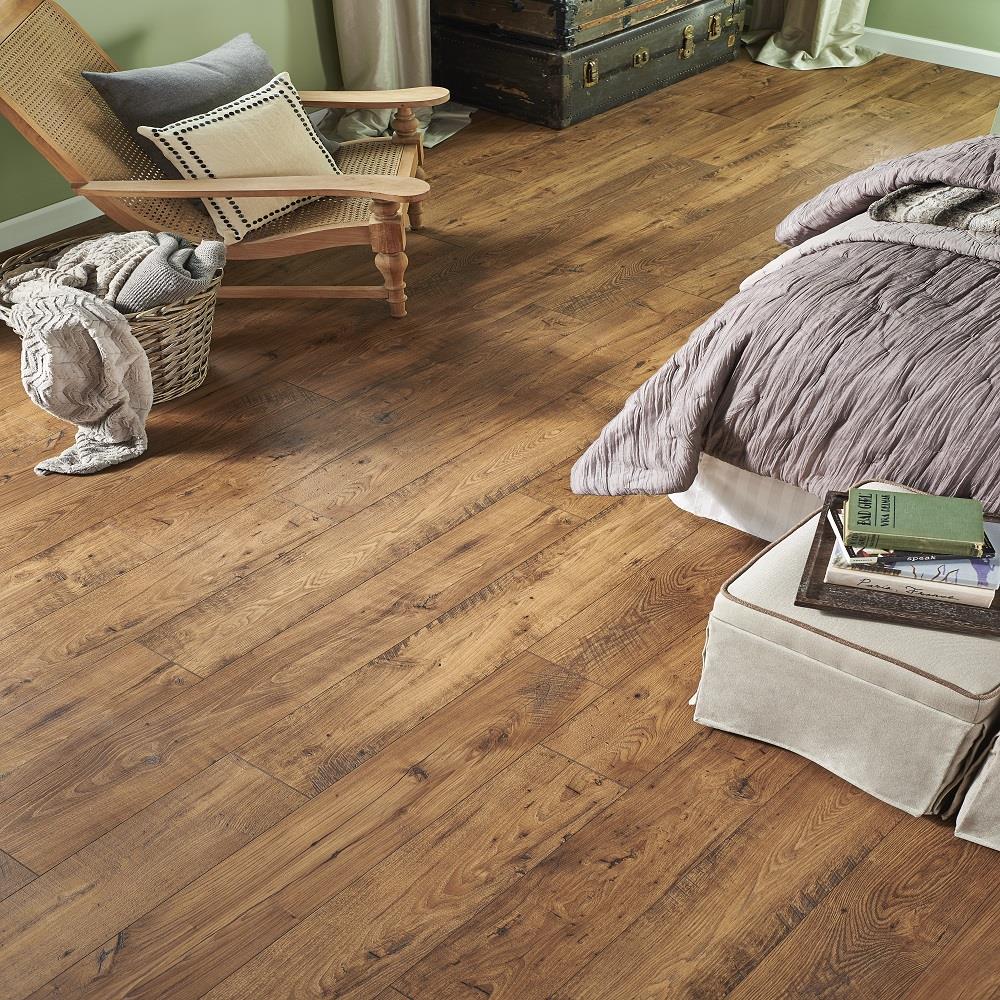
Golden Rustic Oak Waterproof Laminate
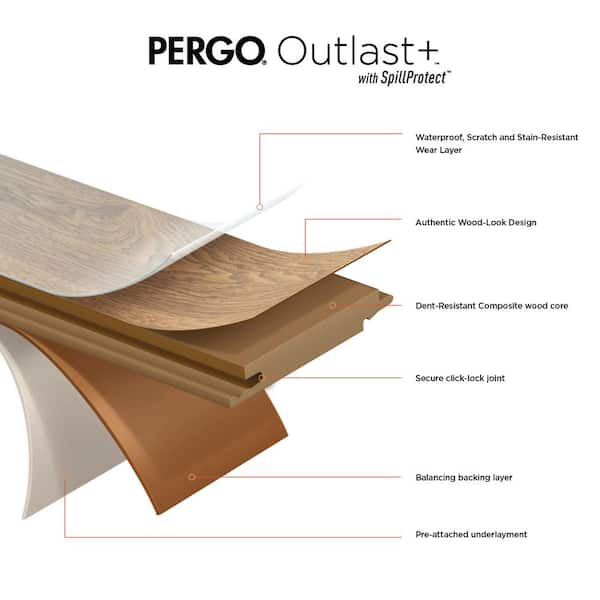
Pergo Outlast+ 6.14 in. W Linton Auburn Oak Waterproof Laminate

Rustic Smoked Chestnut 10-mm Thick Waterproof Wood Plank 7.48-in W x 54.33-in L Laminate Flooring
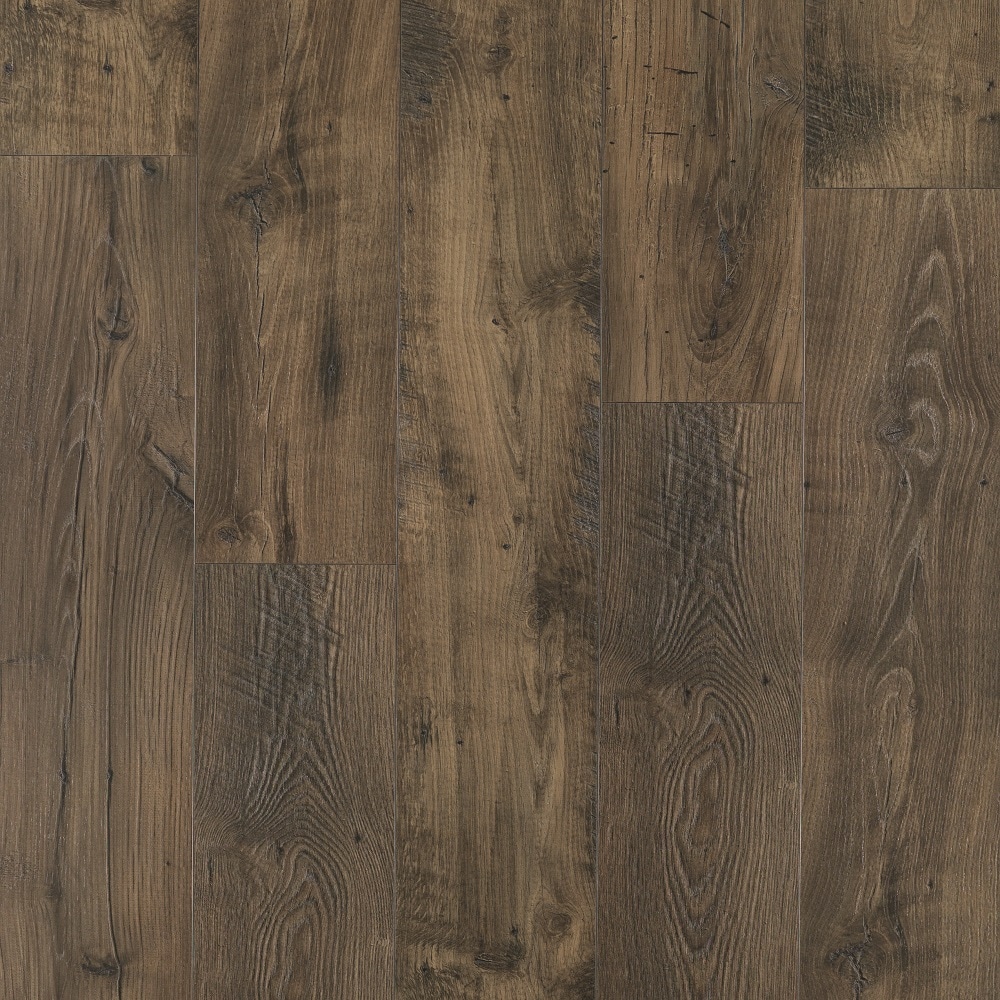
Pergo DuraCraft +WetProtect SAMPLE Rustic Charm Oak Vinyl
Related Posts: