When I decided to replace the worn carpet throughout my home six years ago, maple hardwood was honestly not my first choice. I had my heart set on oak, thinking it would be more traditional and timeless. But after visiting several showrooms and seeing maple samples in person, I fell in love with its clean, bright appearance and subtle grain patterns. The decision to go with maple has been one of my best home improvement choices. These floors have transformed every room, creating a light, airy feel that makes my entire home feel larger and more welcoming. Let me share what I’ve learned about living with maple hardwood and why it might be the perfect choice for your flooring project.
Choosing Maple: Why I Changed My Mind About This Wood
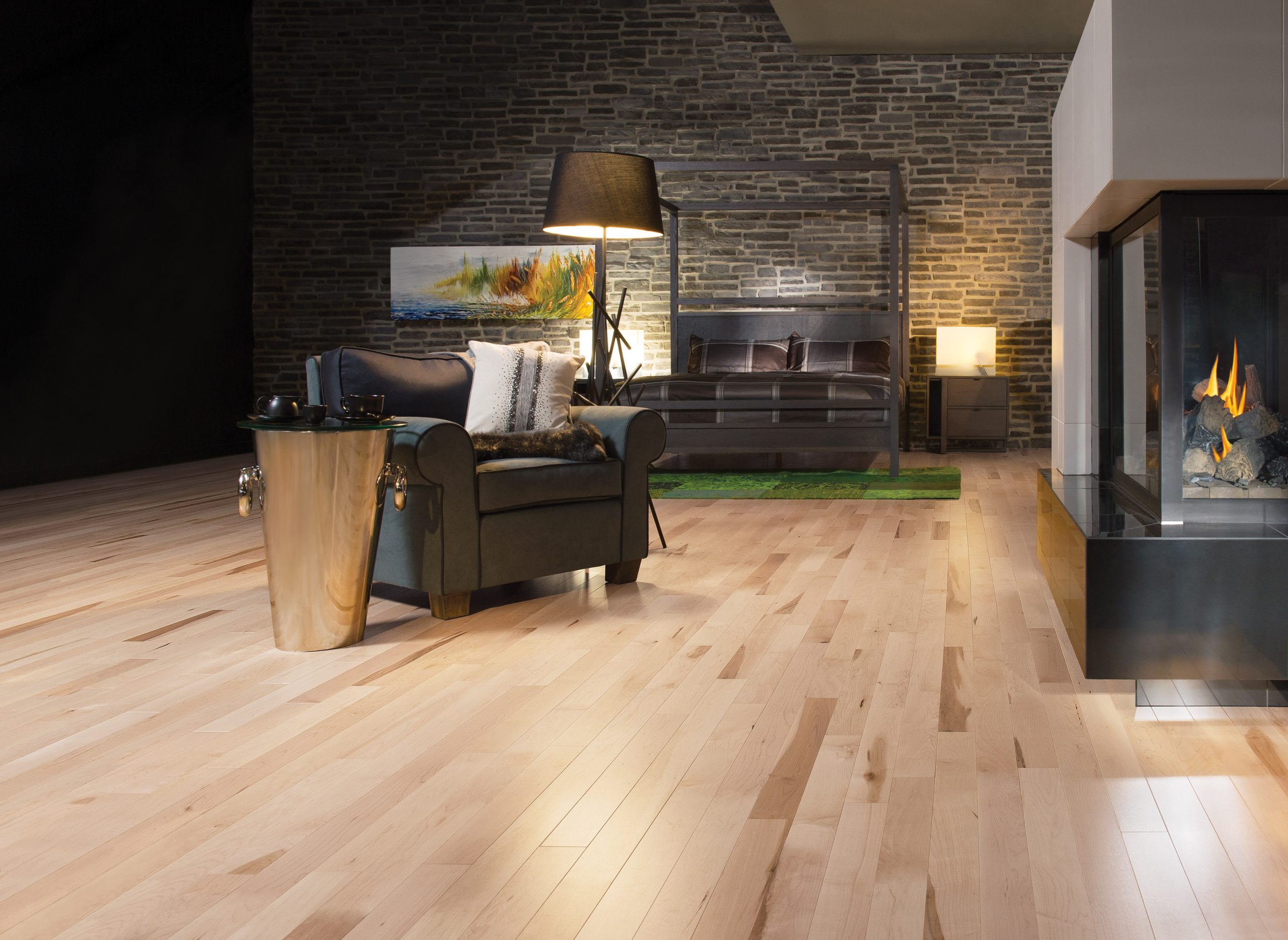
My initial research focused entirely on oak because it was recommended by everyone as the gold standard for hardwood floors. I assumed maple would be too plain or boring compared to oak’s prominent grain patterns. However, when I saw maple samples alongside other species, I was struck by how fresh and contemporary they looked. The subtle, consistent grain gave rooms a calm, sophisticated appearance that didn’t compete with furniture or artwork for attention.
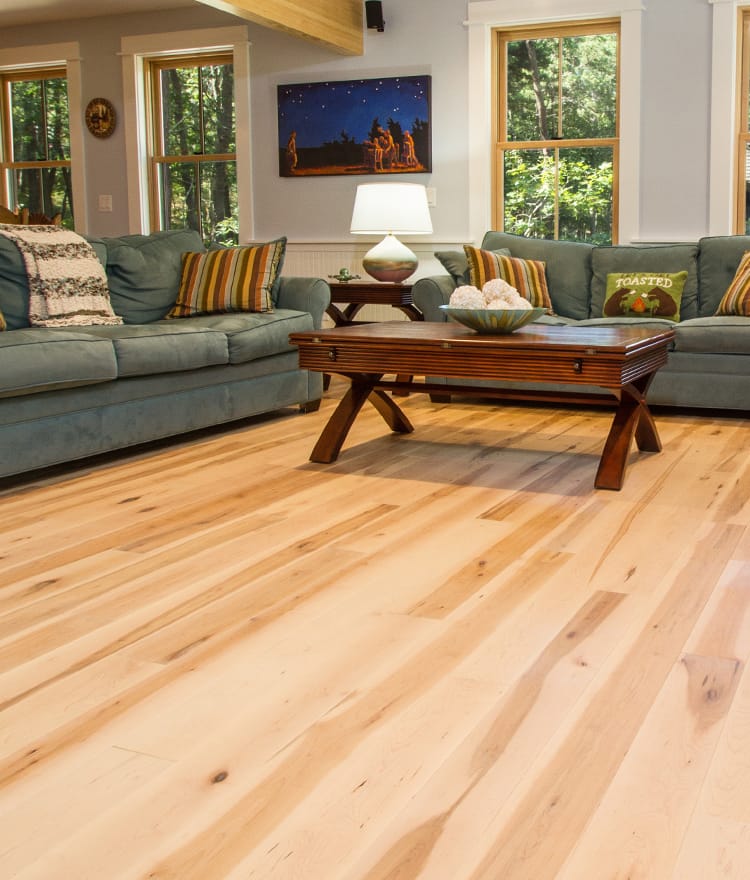
The color variations in maple immediately appealed to me. Unlike some species that can have dramatic color differences between boards, maple offers gentle variation that creates visual interest without being distracting. The natural blonde to light brown tones work beautifully with both warm and cool color schemes. I realized this versatility would let me change my decor over the years without worrying about the floors clashing with new choices.
Durability was another factor that convinced me to choose maple. Research showed that maple is harder than oak on the Janka hardness scale, meaning it would resist dents and scratches better over time. As someone with an active household including pets and frequent entertaining, this durability advantage made practical sense. The combination of beauty, versatility, and toughness made maple the clear winner once I looked beyond my initial preconceptions.
Installation Experience: Professional vs. DIY Considerations
I seriously considered installing the maple floors myself to save money, but ultimately decided to hire professionals after researching the complexity involved. Hardwood installation requires specialized tools, experience with moisture management, and knowledge of proper acclimation procedures. The quotes I received varied significantly, but I chose a contractor based on references and their specific experience with maple installations rather than just the lowest price.
The acclimation process taught me important lessons about working with wood flooring. My installer insisted on bringing the maple planks into my home a full week before installation to let them adjust to my house’s temperature and humidity conditions. Initially, I thought this was an unnecessary delay, but I learned that skipping this step can lead to gaps, cupping, or buckling later as the wood naturally expands and contracts.
Watching the installation process gave me deep appreciation for the craftsmanship involved. The installers carefully planned the layout to minimize waste and ensure the most attractive board placement. They explained how maple’s light color shows dust and debris more readily during installation, requiring extra cleanup between steps. The attention to detail in achieving perfectly straight lines and tight joints was impressive and justified the professional installation cost.
Daily Living: How Maple Performs Under Real Conditions
Six years of daily life have taught me exactly how maple floors handle real-world conditions. The light color does show dust, pet hair, and footprints more readily than darker woods would. However, I’ve found this encourages me to keep cleaner floors, and the regular maintenance isn’t burdensome once you establish a routine. A quick daily sweep or vacuum keeps them looking great with minimal effort.
Scratch resistance has been excellent overall. My large dog’s nails occasionally leave minor marks, but they’re barely visible in Maple’s subtle grain pattern. Dropped items and moved furniture have caused some small dents over the years, but nothing that significantly affects the overall appearance. The natural hardness of maple has lived up to expectations for durability in high-traffic areas.
The acoustic properties of maple floors surprised me. They don’t create the hollow, echoing sound that I experienced with some laminate or engineered products I considered. The solid wood construction provides a substantial feel underfoot that adds to the sense of quality throughout my home. However, sound does travel more than with carpet, so I’ve added area rugs in bedrooms and family areas for comfort and noise control.

Maintenance Reality: What Daily Care Involves
Maintaining maple hardwood floors has been simpler than I expected, though different from caring for carpet. Daily maintenance involves sweeping or dust mopping to remove surface dirt and debris. I use microfiber slippers while doing housework to catch dust as I move around, which keeps the floors looking clean between regular cleanings. This proactive approach prevents dirt from being ground into the wood’s surface.
Weekly deep cleaning involves damp mopping with a cleaner specifically designed for hardwood floors. I learned early on that regular household cleaners can damage the finish, so investing in proper wood floor cleaning products is essential. The key is using minimal moisture; my mop should be barely damp rather than wet. Excess water can seep between boards and cause damage over time.
Seasonal maintenance has become part of my routine. I monitor humidity levels during winter heating season and summer air conditioning months, using a humidifier or dehumidifier as needed to keep conditions stable. Every few years, I apply a fresh coat of polyurethane finish to high-traffic areas like entryways and hallways. This preventive maintenance keeps the floors looking like new and protects the wood underneath.
Aesthetic Evolution: How Maple Ages and Changes Over Time
One of the most interesting aspects of living with maple floors has been watching how they’ve changed over six years. Initially, the floors had a very light, almost white appearance that some visitors described as Scandinavian or minimalist. Over time, exposure to light and air has gradually warmed the color to a richer honey tone that I prefer to the original appearance.
The subtle aging process has added character without making the floors look dated or worn. Unlike some woods that can develop significant color variations or darkening patterns, maple ages gracefully and uniformly. Areas that receive more sunlight have warmed slightly more than shadowed spaces, but the difference is gentle and natural-looking rather than dramatic or problematic.
This color evolution has improved how the floors work with my decor. The warmer tones that have developed complement both the cool blues and grays I initially chose and the warmer colors I’ve incorporated over time. The floors have become a perfect neutral backdrop that enhances rather than competes with my design choices. This adaptability has proven invaluable as my style preferences have evolved.

Investment Analysis: Cost, Value, and Long-Term Satisfaction
The initial investment in maple hardwood was substantial, costing significantly more than carpet or vinyl alternatives I considered. However, six years later, I’m convinced it was money well spent. The floors still look beautiful and have required minimal maintenance beyond regular cleaning and one refinishing of high-traffic areas. The durability and timeless appearance justify the higher upfront cost.
Property value impact became apparent when neighbors sold similar homes. Real estate agents consistently mentioned hardwood floors as a significant selling point, and comparable homes with quality hardwood commanded higher prices than those with other flooring types. While I’m not planning to sell soon, knowing my investment adds lasting value to my home provides peace of mind about the financial decision.
The daily satisfaction factor can’t be quantified in dollars, but it’s been substantial. I genuinely enjoy walking on these floors every day. They make my home feel more luxurious and well-appointed than any previous flooring choices did. Friends and family regularly comment on how beautiful and welcoming the floors make my home feel. This daily pleasure and pride in my living space has been worth every penny of the investment.
How do maple floors compare to oak in terms of durability and appearance?
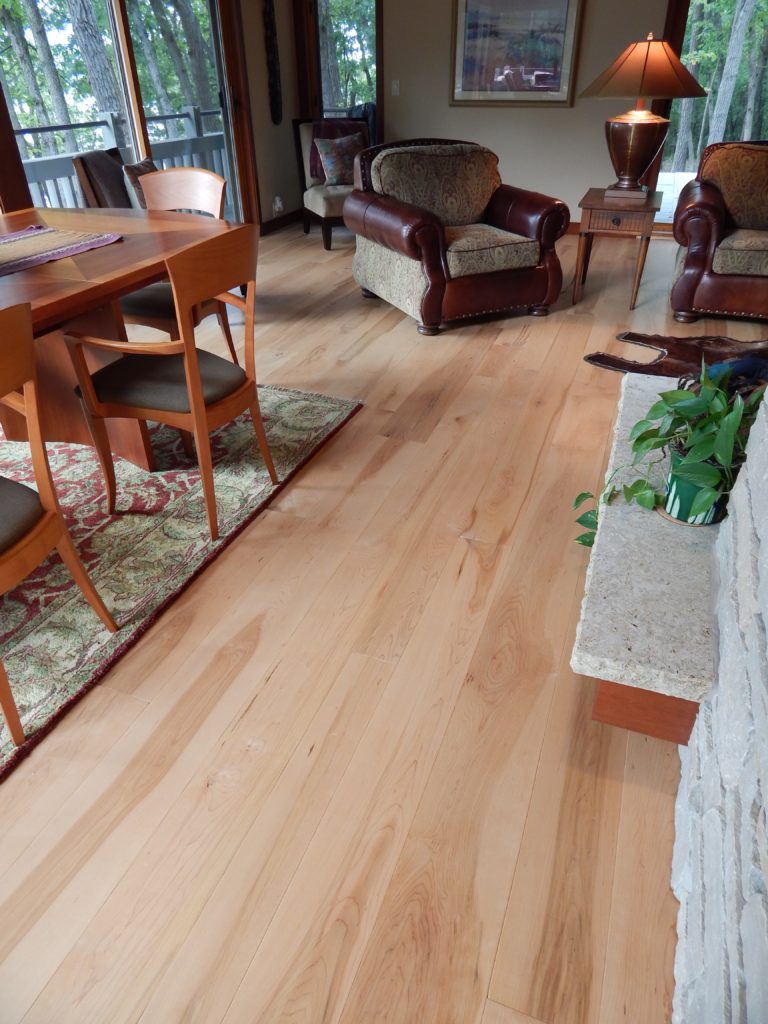
Maple is harder than oak on the Janka scale, making it more dent-resistant. Appearance-wise, maple has subtler grain patterns and lighter natural color compared to oak’s prominent grain. I chose maple for its clean, contemporary look, while oak offers more traditional character. Both are excellent choices, but maple feels more modern and versatile to me.
Do light-colored maple floors show dirt and scratches more than darker woods?
Yes, dust and pet hair are more visible on maple’s light surface, but I’ve found this encourages better cleaning habits. Scratches are less noticeable in maple’s subtle grain compared to woods with dramatic patterns. The trade-off for more frequent sweeping is floors that make rooms feel brighter and larger than darker alternatives would.
How often do maple hardwood floors need refinishing?
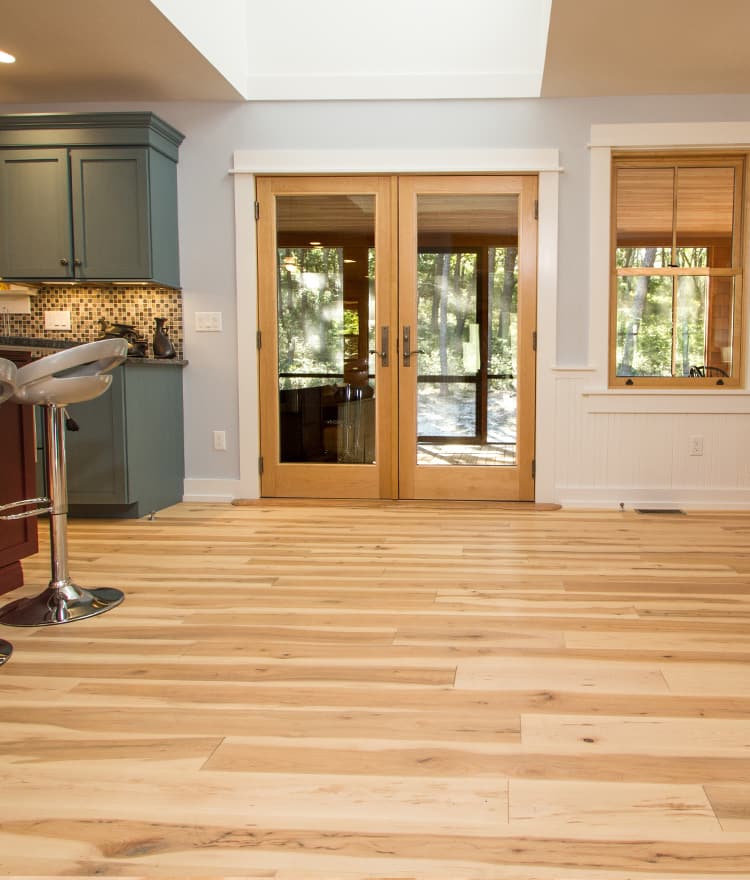
With proper care, full refinishing isn’t needed for 7-10 years in most homes. I had high-traffic areas like entryways professionally recoated after 4 years, which restored their appearance completely. The frequency depends on household activity, pets, and maintenance habits. Regular cleaning and using proper products extend the time between refinishing significantly.
Are maple floors suitable for homes with pets and children?
Absolutely! My large dog and active lifestyle haven’t caused significant damage after six years. Maple’s hardness resists pet nail scratches well, and the light color doesn’t show paw prints as dramatically as you might expect. For families, the easy cleanup of spills and messes makes maple much more practical than carpet, especially for potty training or messy eaters.

How does humidity affect maple hardwood floors?
Maple responds to humidity changes like all solid wood, but proper installation and maintenance minimize issues. I monitor humidity levels and use humidifiers in winter when heating dries the air. The key is maintaining consistent conditions year-round. My floors have shown minimal seasonal movement with this attention to environmental control.
What’s the biggest maintenance challenge with maple floors?
The biggest challenge is resisting the urge to use too much water when cleaning. Maple’s light color makes you want to scrub harder, but excess moisture can damage the wood. I learned to trust that proper wood cleaners and minimal moisture work better than aggressive scrubbing. Once you adapt your cleaning habits, maintenance becomes simple and routine.

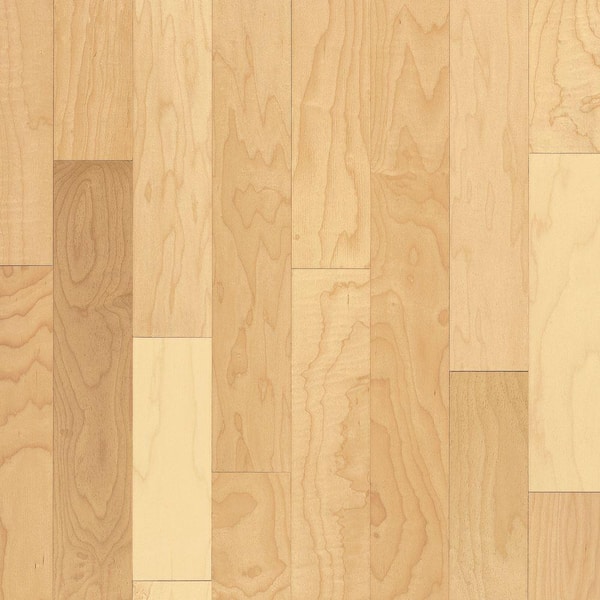
Prestige Natural Maple 3/4 in. Thick x 3-1/4 in. Wide x Varying Length Solid Hardwood Flooring (22 sq. ft. / case)
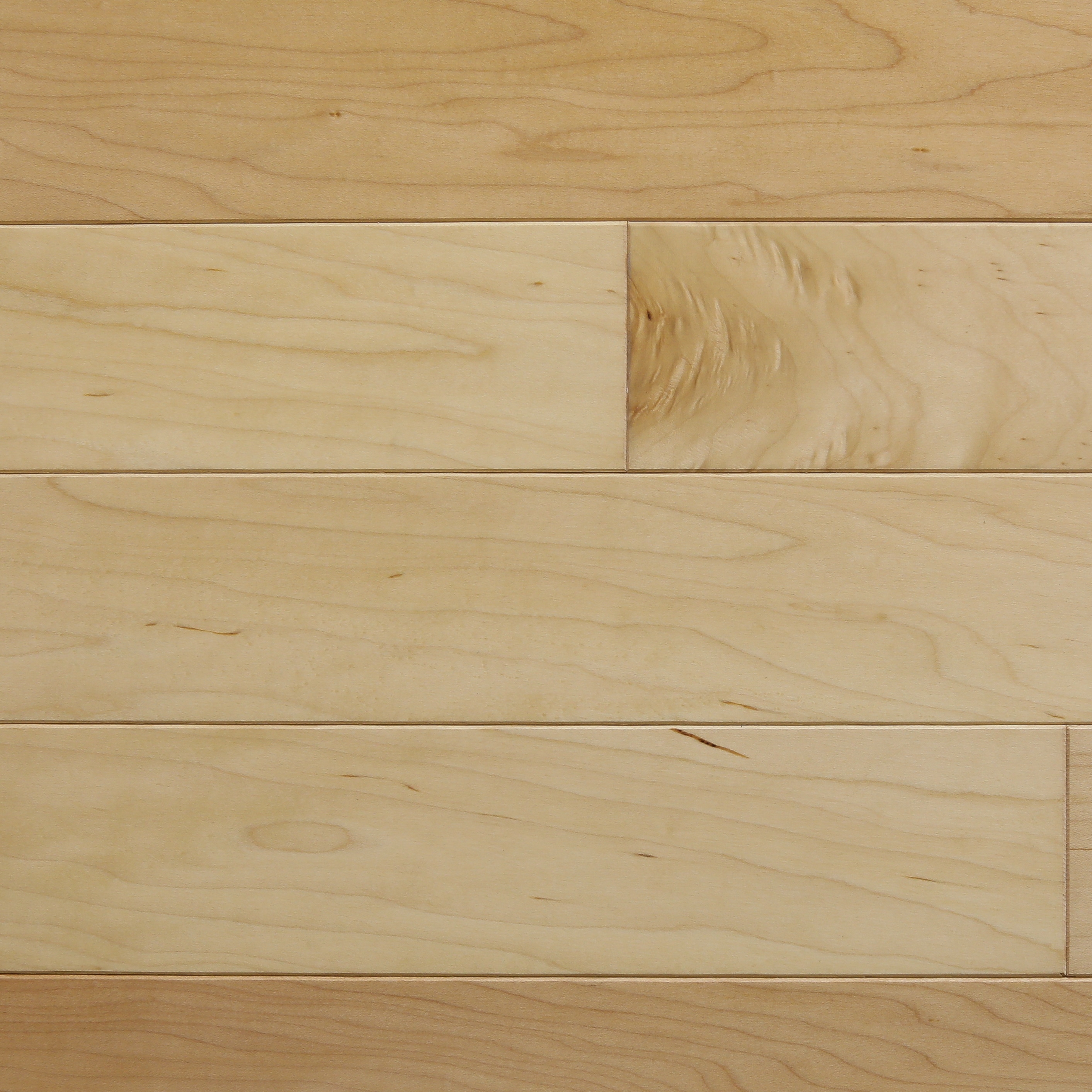
Green Leaf Natural Maple 5-in Wide x 3/8-in Thick Smooth/Traditional Engineered Hardwood Flooring (24.5-sq ft)
Related Posts: