When I first discovered metallic epoxy flooring two years ago, I was skeptical about the claims of creating liquid metal effects on ordinary concrete. After installing my first system in my basement workshop, I became completely captivated by the stunning visual depth and movement these floors create. The combination of specialized epoxy resins and metallic pigments produces surfaces that shift and shimmer like molten metal, creating unique patterns that change with viewing angle and lighting conditions. Each installation becomes a custom work of art.
Understanding the Magic Behind Metallic Epoxy Systems
Metallic epoxy systems create their stunning effects through careful manipulation of resin viscosity and pigment suspension during application. I learned that temperature, humidity, and timing dramatically affect how metallic particles move and settle within the epoxy matrix. The magic happens when specialized metallic powders interact with the flowing resin, creating organic patterns that resemble everything from ocean waves to cosmic nebulae. Understanding these interactions allows me to influence the final appearance while embracing the system’s inherently unpredictable nature.
The chemistry involves specially formulated epoxy resins with extended working times that allow metallic particles to migrate and create dynamic patterns. I’ve discovered that different metallic pigments behave uniquely, with some creating bold, dramatic swirls while others produce subtle, sophisticated shimmer effects. Pearl and mica-based pigments reflect light differently from aluminum-based metallics, offering various aesthetic options. The resin’s self-leveling properties work with gravity and surface tension to create the flowing, organic patterns that make each installation unique.
Temperature control during application critically affects pattern development and final appearance. I maintain room temperatures between 70-75 degrees for optimal working conditions, as cooler temperatures slow resin flow while warmer conditions accelerate curing and reduce working time. Humidity levels also influence how metallic particles suspend and move within the resin matrix. These environmental factors mean that identical materials and techniques can produce dramatically different results, making each project an exciting, creative adventure with unpredictable outcomes.
Essential Tools and Materials for Professional Results
High-quality epoxy resins specifically formulated for metallic applications form the foundation of successful installations. I use only premium two-part systems with extended pot life and excellent flow characteristics. Generic floor epoxies don’t provide the working time or flow properties needed for proper metallic effects. The investment in quality materials pays dividends in both application ease and final appearance. Cheap alternatives often cure too quickly or lack the clarity needed to showcase metallic pigments effectively.
Metallic pigments come in countless colors and effects, from subtle pewter tones to vibrant copper and gold. I stock a variety of particle sizes and types to create different visual effects. Fine particles create subtle shimmer while coarser metallics produce bold, dramatic patterns. Pearl Ex and similar high-quality pigments provide the most stunning results, though they cost significantly more than standard colorants. Mixing ratios typically range from 1-4 ounces per gallon, depending on desired intensity and coverage area.
Application tools require careful selection for optimal results. I use high-quality paint brushes, foam rollers, and specialized squeegees designed for epoxy work. Mixing equipment must handle the thick consistency of loaded epoxy without introducing air bubbles. Heat guns help manipulate patterns during application, while spike rollers remove trapped air from thick applications. Protective equipment, including respirators, chemical-resistant gloves, and a proper ventilation system, is essential for safe application of these potent chemical systems.
Surface Preparation That Ensures Success
Concrete preparation determines whether metallic epoxy systems bond properly and perform as intended. I begin with thorough cleaning using degreasers and mechanical scrubbing to remove all contaminants. Oil stains, paint residue, and existing coatings prevent proper adhesion and create failure points. Diamond grinding or shot blasting may be necessary for heavily contaminated surfaces. The goal is to achieve a clean, slightly textured profile that promotes optimal mechanical bonding between concrete and epoxy.
Moisture testing prevents costly failures that occur when epoxy is applied over damp concrete. I use plastic sheet tests and electronic moisture meters to verify acceptable levels before application. Even small amounts of moisture can cause adhesion failure, bubbling, or whitening of the finished surface. Concrete must be completely dry and stable before epoxy application begins. Waiting for proper conditions saves expensive removal and reapplication costs later.
Crack repair and surface leveling create the smooth foundation needed for flawless metallic effects. I fill cracks with appropriate repair compounds and grind high spots to achieve uniform surface conditions. Even minor imperfections telegraph through thin epoxy applications, disrupting the smooth metallic patterns. Self-leveling compounds may be necessary for severely uneven surfaces. This preparation phase takes the most time but determines the quality and longevity of the finished installation.

Application Techniques for Stunning Visual Effects
Base coat application establishes the foundation for metallic effects and must be executed flawlessly. I apply primer coats in thin, even layers using high-quality rollers and brushes. Working systematically prevents missed spots and ensures uniform coverage across the entire surface. The base coat color influences the final appearance significantly, with darker bases creating more dramatic contrast and lighter bases producing softer effects. Proper base preparation and application techniques set the stage for successful metallic layer application.
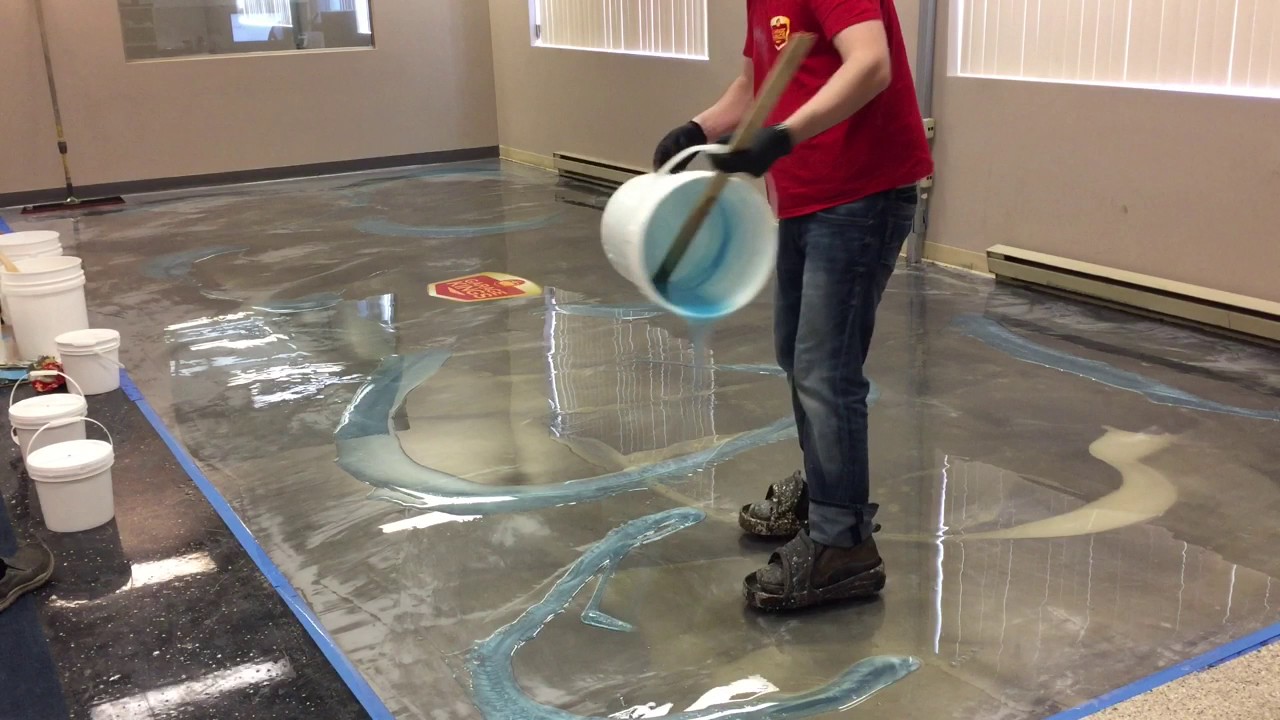
Metallic layer application requires speed, precision, and artistic vision working together harmoniously. I mix metallic pigments thoroughly into the epoxy, then pour and spread quickly while maintaining wet edges. Working in manageable sections prevents lap marks while allowing time for pattern development. Heat guns and brushes help manipulate the flowing resin to create desired effects. The key is working with the material’s natural flow characteristics rather than fighting against them.
Pattern manipulation during the working window creates custom effects that make each installation unique. I use various techniques including dragging, swirling, and blowing to influence how metallic particles move within the flowing resin. Timing is critical, as the resin gradually thickens and becomes less responsive to manipulation. Different pigments respond uniquely to these techniques, requiring experimentation and practice to achieve consistent results. The artistic phase demands creativity while respecting the material’s physical limitations.

Achieving Different Metallic Effects and Patterns
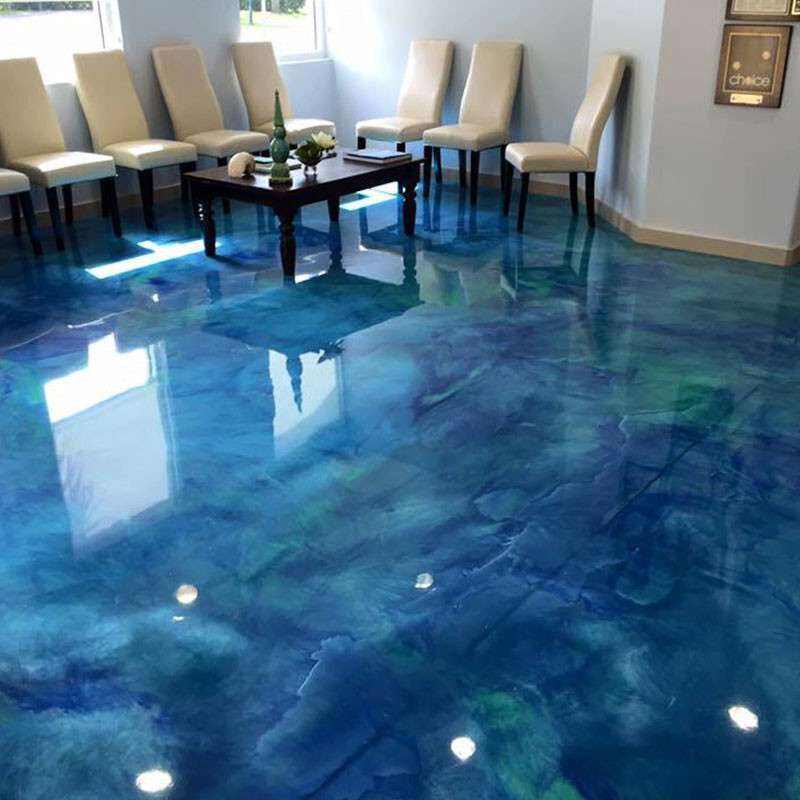
Ocean wave patterns rank among my favorite effects to create with metallic epoxy systems. I achieve these by applying base colors in flowing, curved patterns, then adding contrasting metallics that follow the same organic shapes. White and blue bases with pearl and silver metallics create stunning seascape effects. The key is maintaining fluid, natural curves that suggest water movement. Multiple metallic colors can be blended during application to create depth and visual interest, resembling ocean depths.
Galaxy and cosmic effects utilize dark base colors with multiple metallic pigments applied in abstract, swirling patterns. I start with black or deep blue bases, then add silver, gold, and colored metallics in random, organic shapes. Heat gun manipulation creates nebula-like effects while preserving distinct color zones. This technique produces dramatic, sophisticated surfaces that work particularly well in modern spaces. The unpredictable nature of metallic movement enhances the cosmic appearance.
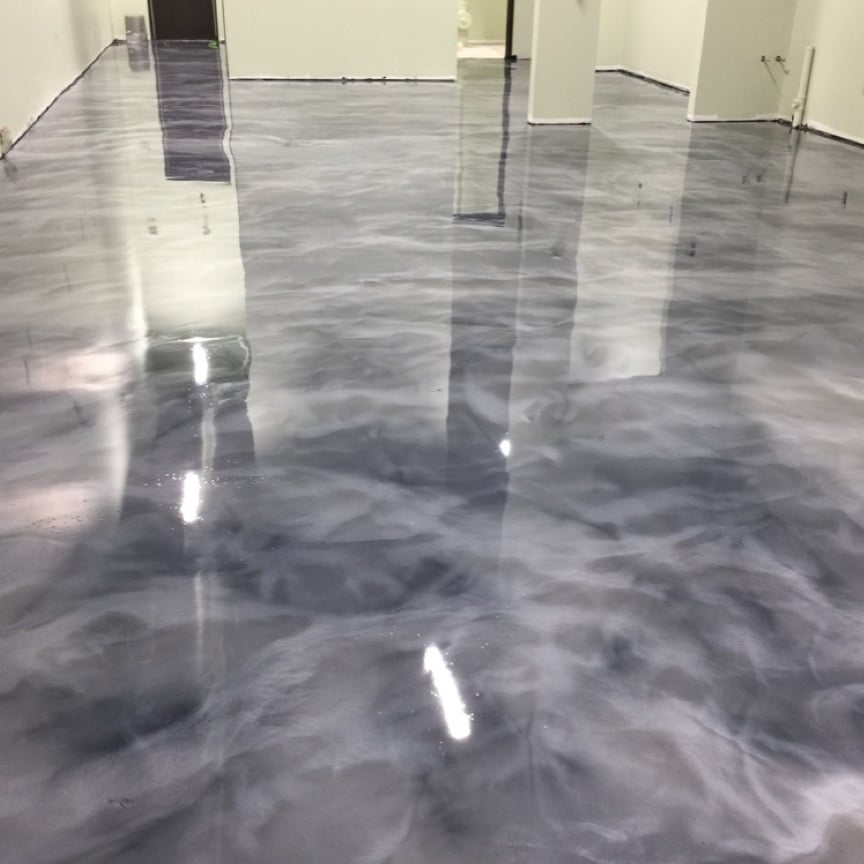
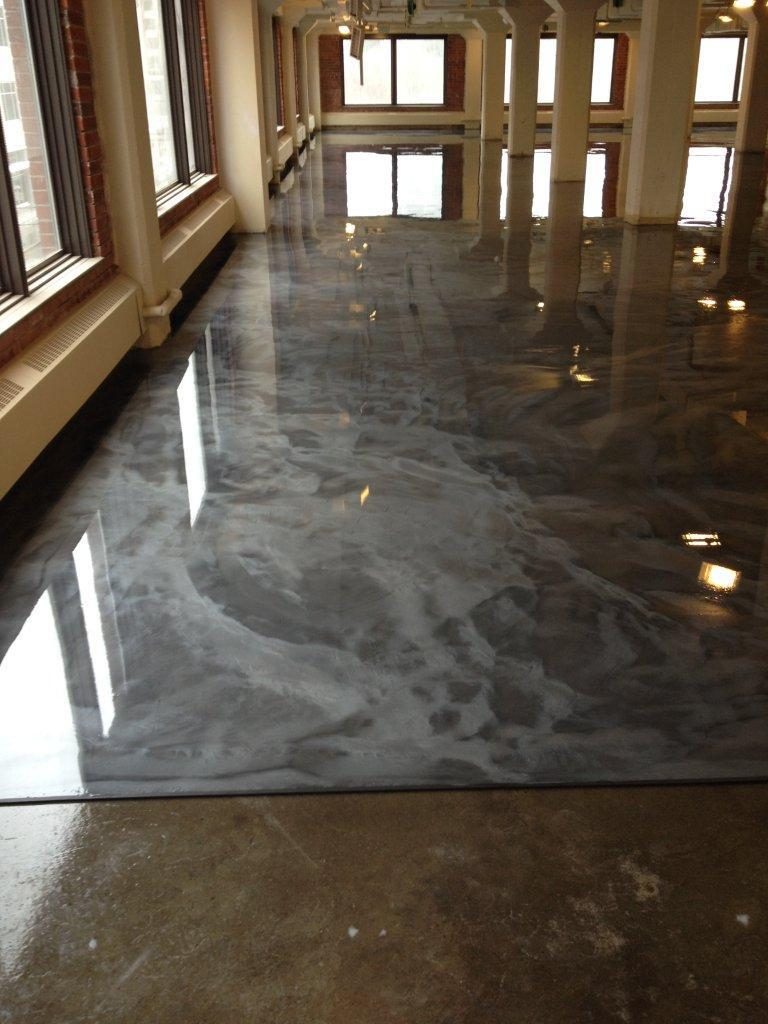
Industrial and modern effects emphasize clean lines and subtle metallic accents rather than dramatic patterns. I use neutral base colors with understated metallic highlights that provide sophistication without overwhelming the space. Pewter, bronze, and muted gold tones work well for these applications. Controlled application techniques minimize pattern development while preserving the metallic shimmer. These subdued effects complement contemporary design while providing the durability and easy maintenance of epoxy flooring systems.

Maintenance and Longevity of Metallic Floors
Daily maintenance of metallic epoxy floors requires only basic cleaning with pH-neutral products to preserve their stunning appearance. I recommend microfiber mops and gentle cleaners that won’t dull the metallic effects or damage the epoxy surface. Harsh chemicals and abrasive cleaning tools can scratch the surface and diminish the metallic shimmer over time. Regular dust mopping prevents particle accumulation that could cause micro-scratching during cleaning. Proper maintenance preserves the floor’s beauty for decades.
Protective measures extend the life and appearance of metallic epoxy installations significantly. I apply high-quality topcoats that provide additional protection against wear, chemicals, and UV exposure. These clear protective layers preserve the metallic effects while adding durability for high-traffic applications. Furniture pads prevent scratching from chair legs and heavy equipment. Strategic placement of entrance mats reduces tracked-in debris that could damage the surface over time.
Long-term performance depends on proper installation and realistic expectations about wear patterns. I explain to clients that high-traffic areas may show wear over time, particularly in commercial applications. However, spot repairs and recoating can restore appearance without complete replacement. The seamless nature of epoxy systems makes maintenance easier than traditional flooring options. With proper care, metallic epoxy floors maintain their stunning appearance and performance for 10-20 years or more.
How long does the metallic epoxy installation process take from start to finish?
Complete metallic epoxy installations typically require 3-5 days from surface preparation through final curing. Surface preparation takes 1-2 days, depending on the concrete condition and required repairs. Base coat application and curing require another day, followed by metallic layer application. Final topcoat application adds another day, with 24-48 hours additional curing time before full use. Complex patterns or large areas may extend the timeline, and environmental conditions affect curing rates significantly.
Can metallic epoxy be applied over existing flooring materials?
Metallic epoxy can be applied over some existing materials, but surface preparation requirements vary significantly depending on the substrate. I’ve successfully applied over sealed concrete, but existing coatings must be removed or properly prepared for adhesion. Tile, vinyl, and other smooth surfaces require aggressive preparation or complete removal. Testing adhesion in small areas helps determine feasibility and preparation requirements. New concrete provides the most predictable results and the easiest installation process.
What causes metallic epoxy floors to fail or develop problems?
Most failures result from inadequate surface preparation, moisture issues, or environmental conditions during application. I’ve seen adhesion failures when concrete wasn’t properly cleaned or moisture levels were too high. Temperature and humidity extremes during application can cause curing problems, bubbling, or poor pattern development. Using inferior materials or incorrect mixing ratios also leads to performance issues. Following proper procedures and using quality materials prevents the most common failure modes.
How do metallic epoxy floors perform in high-traffic commercial environments?
Properly installed metallic epoxy systems perform excellently in commercial applications with appropriate topcoat protection. I recommend additional protective layers and regular maintenance programs for high-traffic areas. The seamless surface resists bacteria, chemicals, and heavy loads when properly specified. Wear patterns may develop over time, but spot repairs and periodic recoating maintain appearance and performance. Commercial applications require more robust systems and professional installation for optimal long-term results.
Can I repair scratches or damage to metallic epoxy floors?
Minor scratches and damage can often be repaired through careful sanding and recoating of affected areas. I assess damage severity to determine whether spot repairs or section replacement is necessary. Deep scratches may require complete removal and reapplication in the damaged area. Color matching can be challenging with metallic systems due to their unique patterns. Prevention through proper maintenance and protective measures is always preferable to repair after damage occurs.
What’s the cost difference between metallic epoxy and other premium flooring options?
Metallic epoxy systems typically cost $8-15 per square foot installed, depending on complexity and location. This positions them competitively with premium tile, hardwood, and decorative concrete options. The seamless, durable surface and unique aesthetic effects justify the investment for many applications. Long-term maintenance costs are lower than most alternatives due to the seamless, non-porous surface. When considering lifecycle costs and performance, metallic epoxy often provides excellent value compared to other premium flooring choices.

Learn to install metallic epoxy – Orange Gold & Wine Red
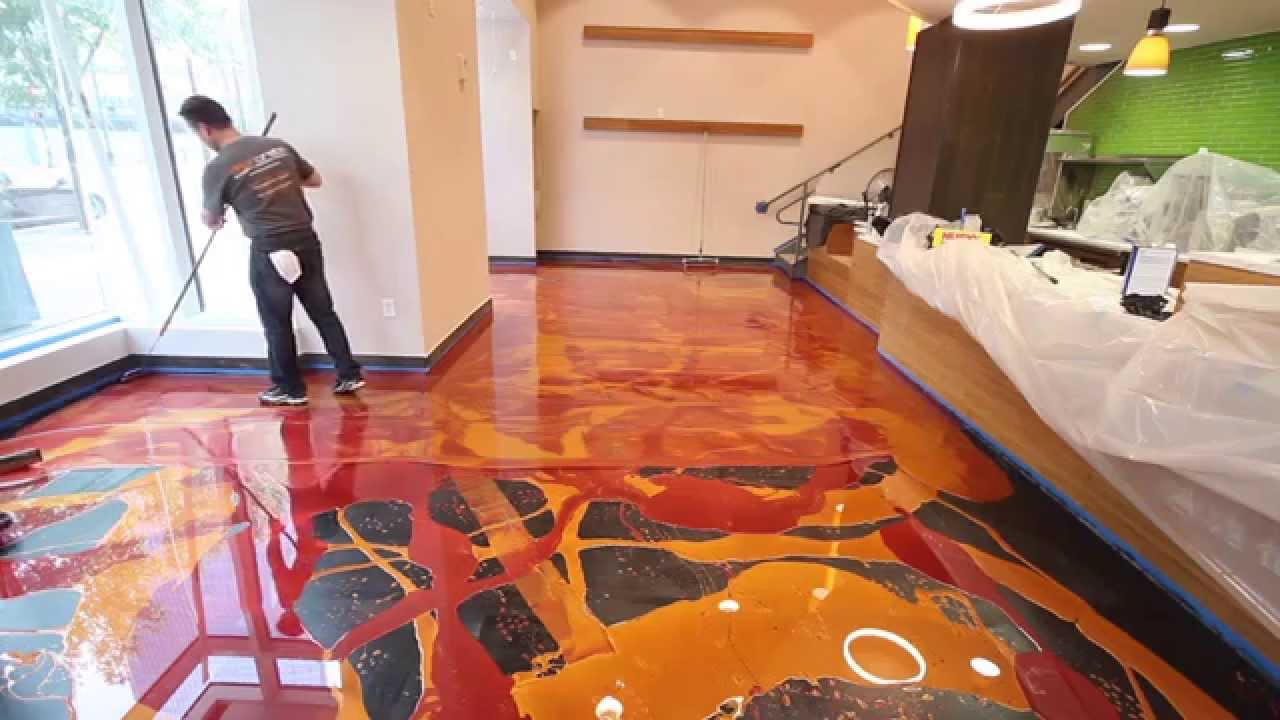
Metallic Epoxy Resin Flooring Floor Coating and Painting

Hot Sale Metallic Epoxy Resin Floor Coating – Buy Metallic Epoxy
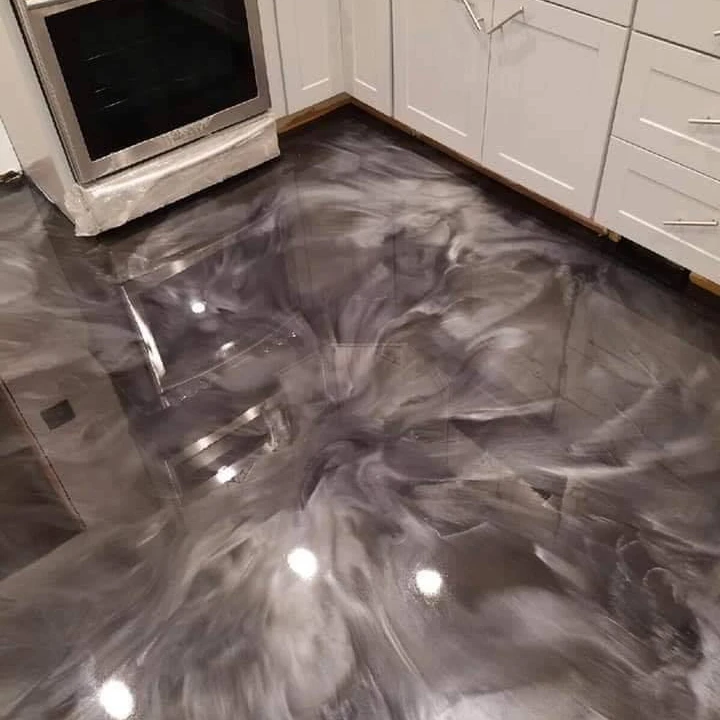
Metallic Epoxy Floor Coating Kit Floor Paints Metallic epoxy

Metallic Epoxy Tips and Techniques – Concrete Decor
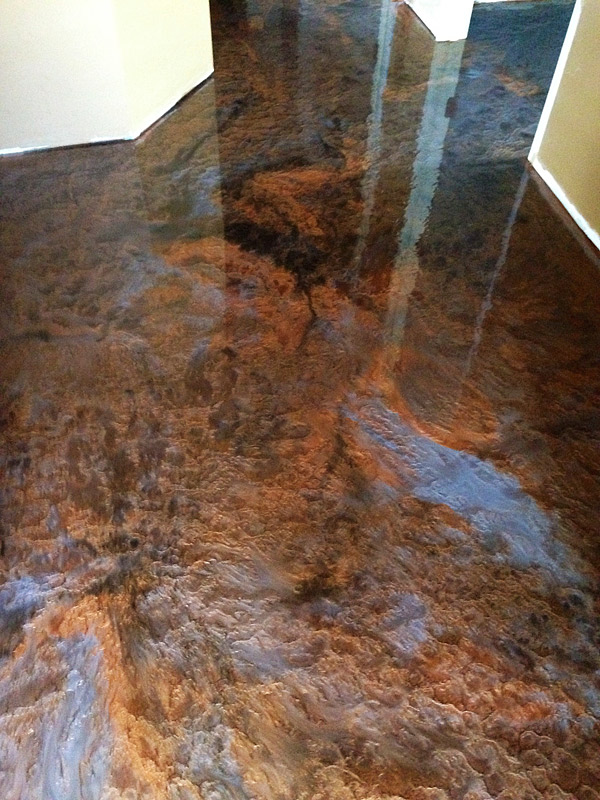
Metallic Power With Clear Epoxy Floor Paint Resin System 200sqft
Related Posts: