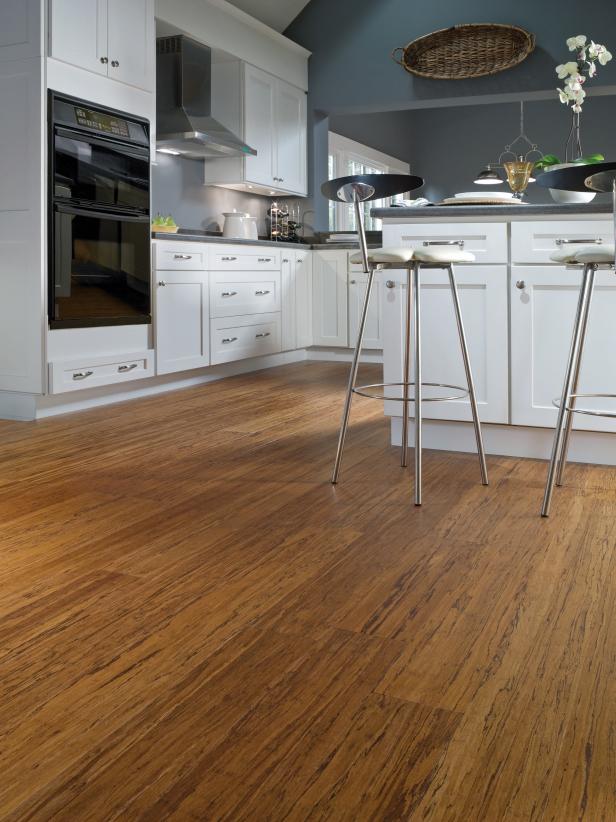
When I decided to replace the worn carpet in my living room and hallway two years ago, I wanted something that looked sophisticated but didn’t cost a fortune. I’d always associated bamboo with a very specific Asian aesthetic, but when I visited a flooring showroom, I was amazed at how modern and versatile bamboo flooring has become. The contemporary styles available completely changed my perception, and I ended up choosing strand-woven bamboo in a rich espresso tone that still looks incredible today.
Understanding Modern Bamboo Flooring Options
I quickly learned that not all bamboo flooring is created equal. There are three main types: horizontal, vertical, and strand-woven. Horizontal bamboo shows the natural grass knuckles and has a traditional look I wanted to avoid. Vertical bamboo is more uniform but still fairly soft. I went with strand-woven because it’s compressed under extreme pressure, making it actually harder than most hardwoods.
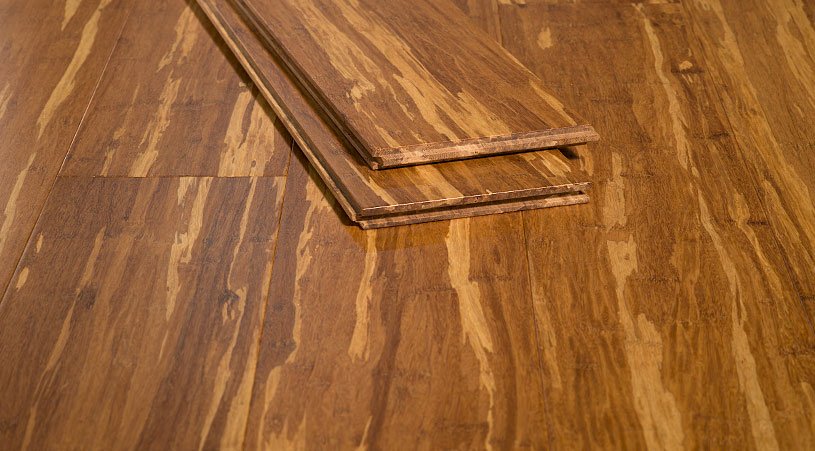
The color options totally surprised me. I’d expected only natural blonde tones, but manufacturers now offer everything from sleek grays to deep chocolates. Some are carbonized, which means they’re heated to create darker colors naturally. Others are stained just like regular hardwood. I chose a hand-scraped carbonized option that gives my space a rustic-modern vibe without looking too trendy.
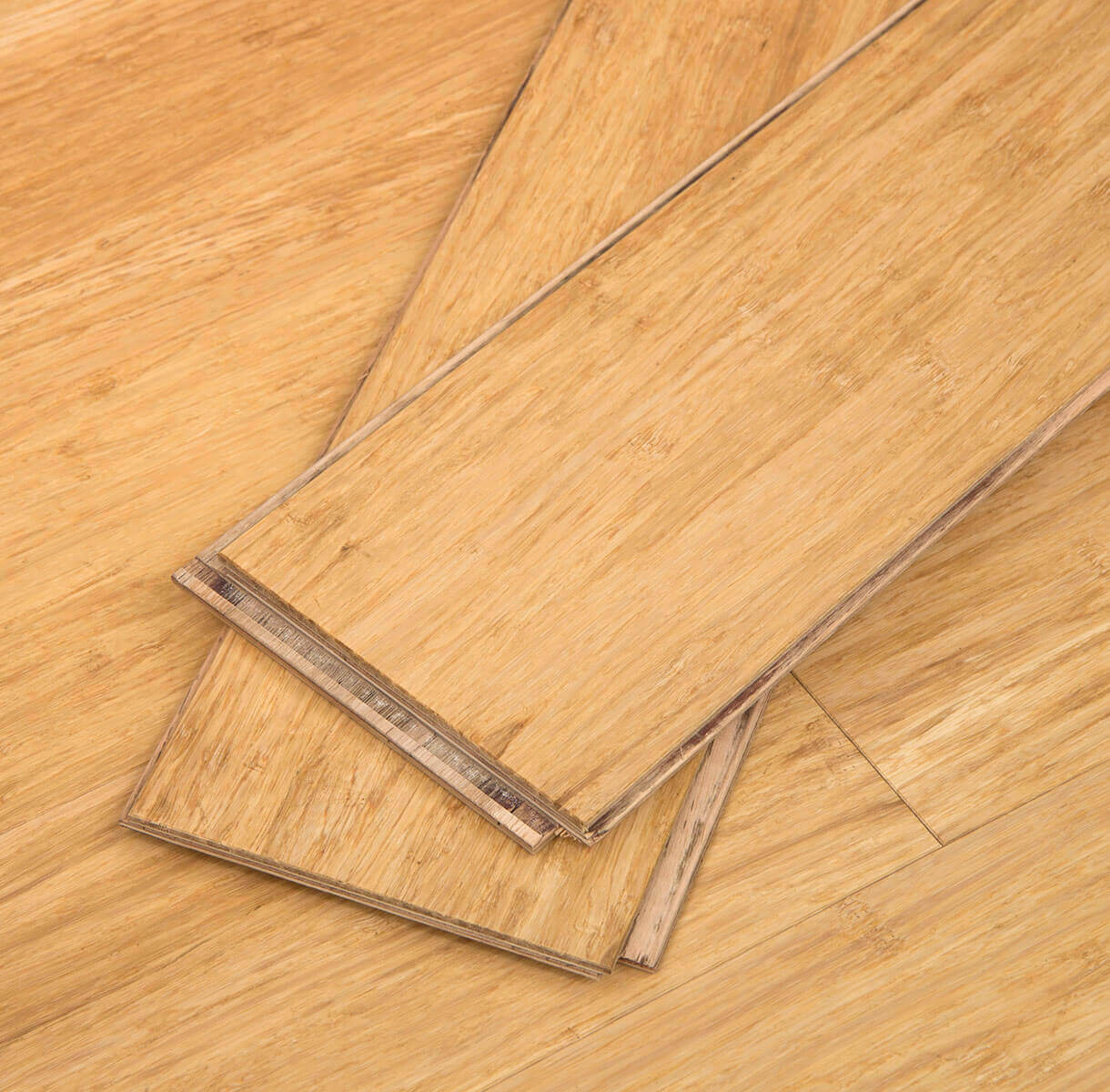
Modern bamboo also comes in various formats. I saw traditional tongue-and-groove planks, click-lock floating floors, and even engineered bamboo with a real bamboo veneer over plywood. I selected click-lock planks because I wanted the option to install them myself and potentially take them with me if I ever moved. The installation flexibility was a huge selling point for my situation.
The Installation Journey: DIY Success
I’m not particularly handy, but I managed to install my bamboo floors over a long weekend with help from my brother. The click-lock system made it surprisingly straightforward, almost like putting together a large puzzle. We started in the hallway as a practice run, and by the time we got to the living room, we’d developed a good rhythm.
Preparation was more important than I’d anticipated. We spent an entire day removing the old carpet, cleaning the subfloor, and installing an underlayment with a moisture barrier. My neighbor who’s a contractor advised me that bamboo can be sensitive to moisture from concrete slabs, so we didn’t skip this step. The underlayment also added some cushioning and reduced sound transmission to the basement below.
The actual plank installation went faster than expected. We measured carefully, used spacers along the walls for expansion gaps, and tapped each plank into place with a rubber mallet. The only tricky parts were cutting around doorframes and getting the last row to fit. I rented a table saw for cleaner cuts, which was worth every penny. Three days later, I had beautiful new floors that cost me about half what professional installation would have.
How Bamboo Handles Daily Life and Wear
I was initially worried about durability since I have a large dog who loves to run through the house. After two years, I can confidently say strand-woven bamboo holds up incredibly well. There are a few minor scratches near the back door where my dog’s nails have scraped, but they’re barely visible and add character rather than looking damaged.
The hardness rating of my strand-woven bamboo is higher than red oak, which surprised skeptical friends who assumed bamboo would be soft. I’ve dropped heavy pots, dragged furniture during rearranging sessions, and dealt with the normal chaos of daily living without any significant damage. The hand-scraped texture I chose also helps disguise the tiny imperfections that accumulate over time on any floor.
Moisture has been less of an issue than I feared. I’m careful not to let water sit, but I’ve mopped regularly and dealt with the occasional spill without problems. My bathroom had a small leak that I didn’t notice for a few days, and while I was panicking, the floor showed no warping or swelling once I dried it thoroughly. Proper installation with that moisture barrier definitely helped protect my investment.

Maintenance and Long-Term Care Reality
Daily maintenance is refreshingly simple. I sweep or vacuum a few times a week to keep dirt and grit from scratching the surface. For deeper cleaning, I use a microfiber mop with a cleaner specifically formulated for bamboo or hardwood floors. I avoid steam mops and excessive water, sticking to the “damp mop, not wet mop” rule that my installer emphasized.
Every few months, I apply a hardwood floor polish that adds shine and an extra protective layer. This takes maybe 30 minutes for my entire space and makes the floors look freshly installed. I’ve found that prevention is easier than repair, so I use felt pads under all furniture legs and have mats at entry points to catch dirt and moisture before they reach the bamboo.
I haven’t needed to refinish yet, but knowing I can is reassuring. Solid strand-woven bamboo can be sanded and refinished just like traditional hardwood, though probably fewer times due to the thinner wear layer. Some of my friends chose engineered bamboo, which can typically only be refinished once or not at all. Understanding these limitations helped me make the right choice for long-term value.
The Environmental Impact That Mattered to Me
Sustainability was a major factor in my decision. Bamboo is technically a grass that reaches maturity in just 3-5 years, compared to 20-120 years for hardwood trees. When harvested properly, the root system remains intact and regenerates quickly. This rapid growth cycle meant I could have beautiful floors without the environmental guilt that comes with some hardwood choices.
I did research the manufacturing process because not all bamboo flooring is equally eco-friendly. Some products use formaldehyde-based adhesives that off-gas volatile organic compounds. I specifically sought out brands with low-VOC or formaldehyde-free certifications. The product I chose is FloorScore certified, which gave me peace of mind about indoor air quality, especially important since I have asthma.
The carbon footprint of shipping from Asia did concern me initially. However, when I compared it to domestic hardwoods that require decades to grow and significant processing, the overall environmental impact still seemed favorable. I also learned that some companies are now growing and processing bamboo more sustainably than others, so doing homework on specific brands and their practices really mattered.
Aesthetic Versatility in Modern Design
The contemporary look of my bamboo floors has completely transformed my space. The rich, dark color I selected creates a sophisticated backdrop that works with both my modern furniture and vintage accent pieces. Friends are always shocked when I tell them it’s bamboo because it looks identical to high-end hardwood, just at a fraction of the cost.
One aspect I love is how the grain patterns create visual interest without being overwhelming. Unlike some woods with very pronounced graining, my hand-scraped bamboo has subtle variations that catch the light beautifully throughout the day. The texture adds depth that you don’t get with perfectly smooth floors, making the space feel more organic and inviting.
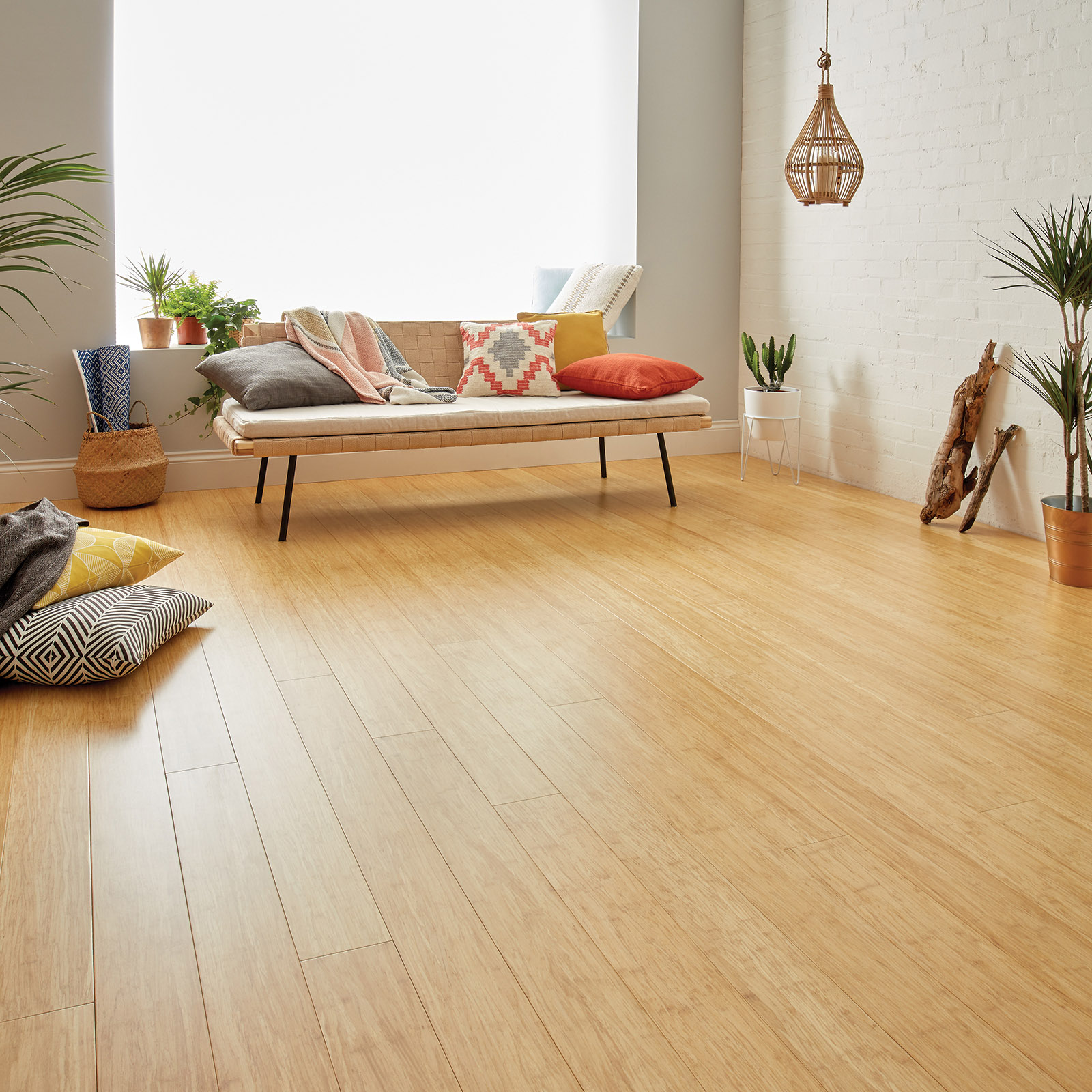
I’ve seen bamboo flooring work in everything from ultra-modern lofts to traditional colonial homes, depending on the color and finish chosen. A friend recently installed light natural bamboo in her Scandinavian-inspired space, and it looks completely different from my dark floors but equally stunning. The versatility means bamboo isn’t locked into one design aesthetic like I’d originally thought.
Is bamboo flooring really as hard as hardwood?
Strand-woven bamboo is actually harder than most hardwoods, including oak and maple. My floors have a Janka hardness rating of over 3,000, compared to red oak at about 1,290. Traditional horizontal or vertical bamboo is softer, so the type you choose makes a huge difference in durability and longevity.
Does bamboo flooring work in humid climates or basements?
Bamboo can handle moderate humidity but isn’t ideal for very humid environments or below-grade basements without proper precautions. I live in a fairly humid area and haven’t had issues because I used a moisture barrier and maintain indoor humidity between 30-50%. Engineered bamboo handles moisture changes better than solid bamboo.
How does bamboo flooring compare in cost to traditional hardwood?
I paid about $3-5 per square foot for quality strand-woven bamboo, compared to $6-12 for comparable hardwoods. Installation costs are similar whether you hire professionals or DIY. The savings were significant for me, around 40% less than red oak, while getting a harder, more sustainable product that looks just as beautiful.
Can bamboo flooring be refinished like hardwood?
Solid bamboo can be refinished, though typically fewer times than thick hardwood. My strand-woven floors have about a 3-4mm wear layer and can probably be sanded 1-2 times. Engineered bamboo usually can’t be refinished or only once. This was an important consideration when I chose solid over engineered for my high-traffic areas.
Is bamboo flooring safe for pets and children?
Yes, bamboo is safe and durable for homes with pets and kids. My dog’s nails have caused minimal damage over two years. The hard surface doesn’t trap allergens like carpet does, which is great for my daughter’s allergies. Just make sure to choose low-VOC certified products for better indoor air quality around kids.
Does bamboo flooring fade in sunlight?
Like any natural material, bamboo can fade or change color with prolonged sun exposure. I’ve noticed very slight color changes in areas that get direct afternoon sun, but it’s been gradual and uniform. Using window treatments during peak sun hours and UV-protective films on windows helps minimize fading if it’s a concern.
Related Posts: