When I started planning my kitchen renovation last year, I wanted something different from the usual tile or hardwood. I’d walked on cork flooring at a friend’s house and was immediately struck by how comfortable it felt underfoot. After months of research and now living with cork floors for over a year, I can honestly say it was one of the best decisions I made during the remodel.
Why I Chose Cork Over Traditional Kitchen Flooring
I’ll admit, cork wasn’t my first choice initially. I was leaning toward luxury vinyl until I started experiencing back pain from standing on our old tile floor while cooking. My physical therapist actually mentioned that softer flooring could help, and that’s when I remembered how cushioned my friend’s cork floor felt. I started researching and discovered cork has natural give that reduces fatigue.
The sustainability factor sealed the deal for me. Cork is harvested from the bark of cork oak trees without cutting them down, and the trees actually regenerate their bark. As someone trying to make more environmentally conscious choices, this felt right. Plus, knowing that cork is naturally antimicrobial and resistant to mold gave me peace of mind in a room where spills happen daily.
Cost-wise, I found cork to be surprisingly affordable, falling somewhere between laminate and mid-range hardwood. When I factored in the comfort benefits and the fact that I wouldn’t need additional underlayment for sound dampening, the value proposition made perfect sense for my budget and my needs.
The Installation Process: What I Learned
I decided to hire a professional for installation, though I seriously considered doing it myself. My installer explained that cork comes in tiles or planks, and I went with click-lock planks because they looked more like traditional hardwood. The installation took just two days for my 200-square-foot kitchen, which was faster than I expected.
One thing I wish I’d known earlier is the importance of letting cork acclimate. My installer brought the planks three days before installation and left them in the kitchen to adjust to the temperature and humidity. He explained that cork expands and contracts more than some materials, so this step prevents gaps or buckling later. I’m glad he was thorough about this.
The subfloor preparation was crucial. We had to ensure it was completely level and dry before laying the cork. My installer used a moisture meter to check the concrete slab, and we actually had to wait an extra week for one slightly damp area to dry completely. That patience paid off because I haven’t had any issues with the floor since.
Sealing and Protecting: My Maintenance Routine
Right after installation, we applied three coats of water-based polyurethane sealer. This step is critical because untreated cork is porous and will absorb water like a sponge. I learned that some cork flooring comes pre-finished, but mine didn’t, so sealing was necessary. The whole kitchen smelled like a hardware store for a few days, but proper ventilation helped.
I now reseal my cork floor once a year, usually in the summer when I can open all the windows. It’s a weekend project that takes about four hours total, including drying time between coats. I use a lambswool applicator and work in thin, even layers. This annual maintenance might sound tedious, but it’s honestly easier than the deep cleaning my old tile grout required.
Daily maintenance is incredibly simple. I sweep or vacuum regularly to prevent dirt from acting like sandpaper on the surface. For cleaning, I use a damp mop with a pH-neutral cleaner specifically made for cork. I never use harsh chemicals or steam mops, as these can damage the seal and the cork underneath. A quick wipe-up of spills keeps everything looking fresh.
How Cork Handles Real Kitchen Life
I was worried about durability, especially since I have two kids who are constantly dropping things. Surprisingly, the cork has held up better than expected. Yes, I have a few small dents where my cast-iron skillet landed, but they’re barely noticeable. The natural give of cork actually means it recovers from minor impacts better than hardwood would.
Water resistance was my biggest concern initially. I’ve had my share of spills, from overflowing pots to a broken olive oil bottle. As long as I wipe them up within a reasonable time, there’s no staining or damage. The key is that proper sealing I mentioned earlier. I did leave a wet dish towel on the floor overnight once, and while there was a slight discoloration, it faded after a few days.
Temperature-wise, cork has been a game-changer during winter. Unlike tile that feels ice-cold in the morning, cork stays relatively warm. I used to wear slippers constantly in my old kitchen, but now I often walk barefoot even on chilly mornings. The natural insulation properties of cork make the whole room feel cozier and probably help with heating costs too.
The Aesthetic Appeal: Warmth and Character
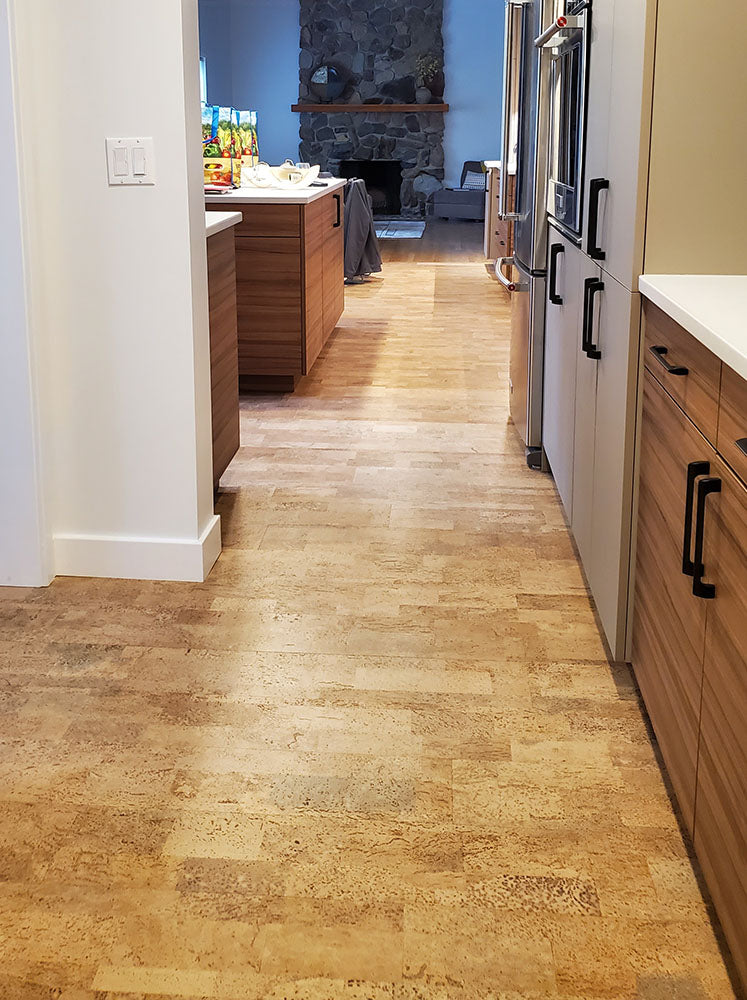
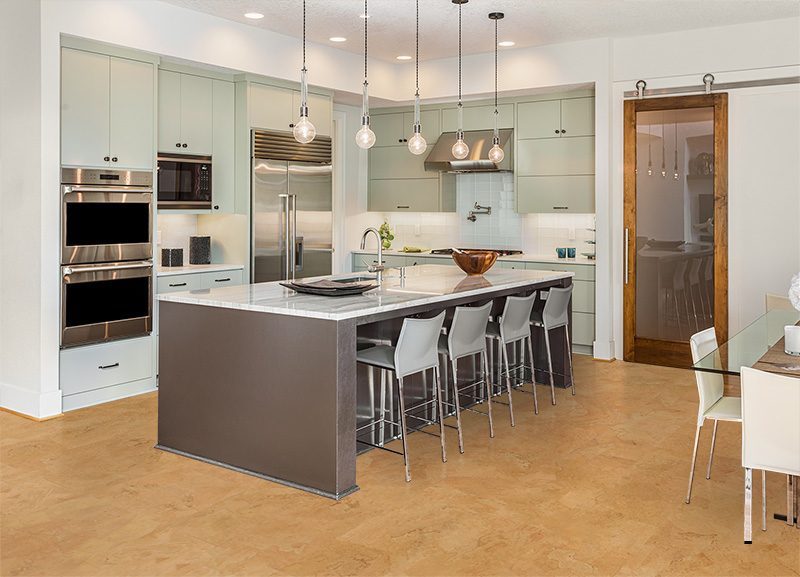
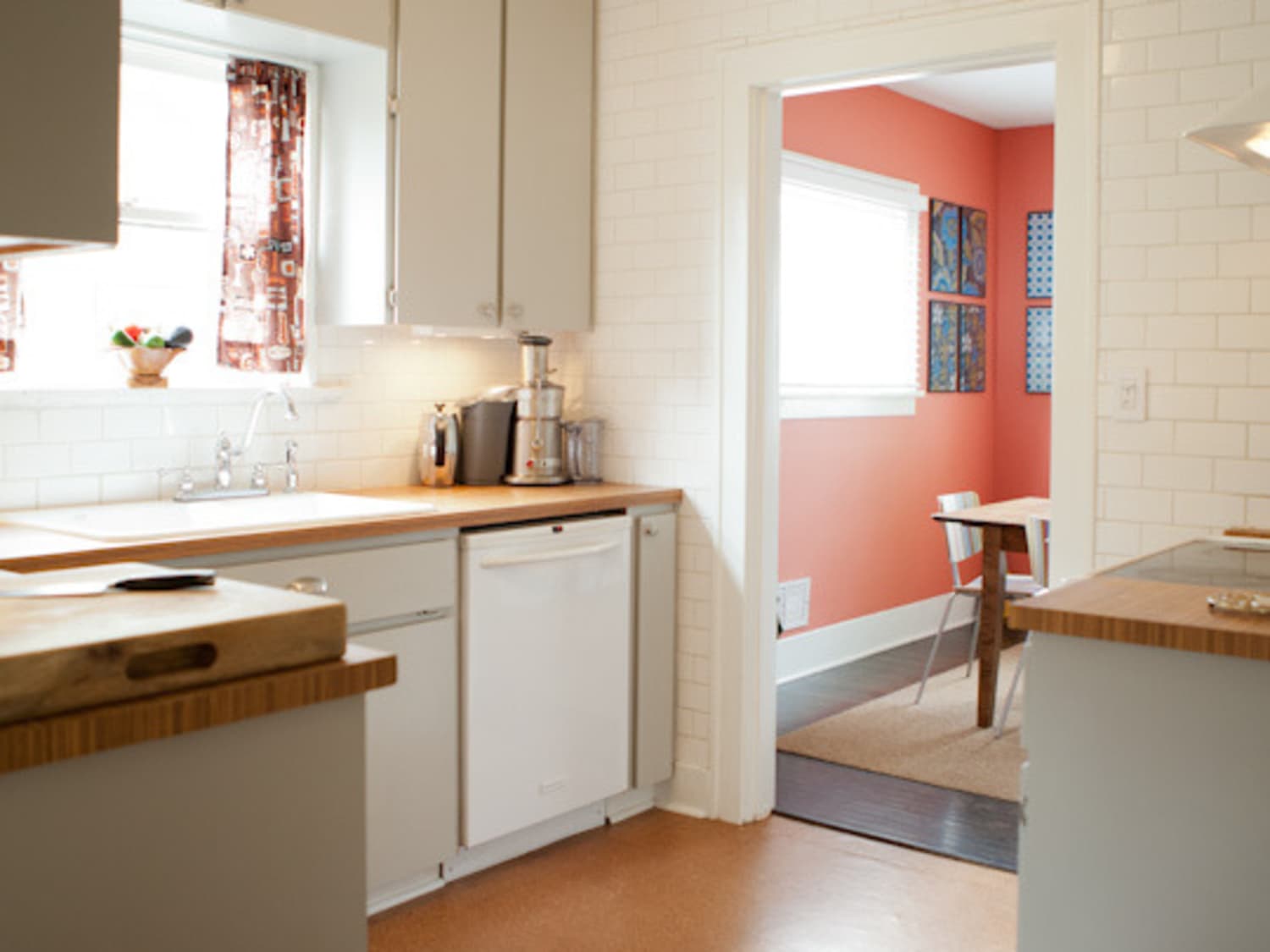
The natural color variations in cork give my kitchen a unique character that I absolutely love. I chose a medium honey tone that complements my white cabinets and stainless appliances. What surprised me most was how the floor seems to change slightly depending on the lighting, looking warmer in the morning sun and richer under evening lights.
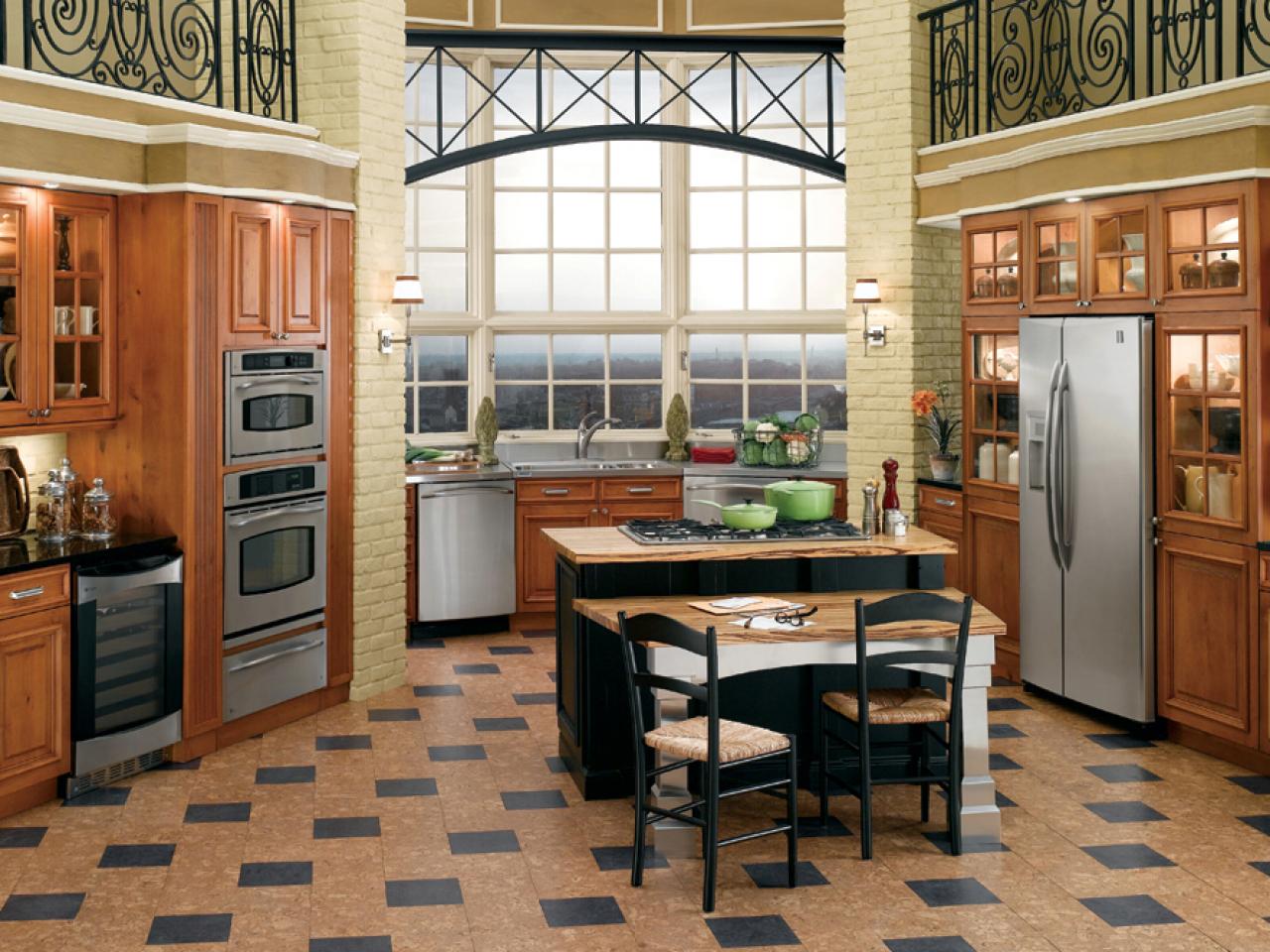
Cork offers more design flexibility than I initially realized. While I went with a traditional plank style, I’ve seen gorgeous geometric patterns created with cork tiles in other homes. Some manufacturers offer stained cork in grays, blacks, and even bold colors. I kept mine natural, but knowing I could change the look with a different stain if I ever want to refresh things is reassuring.
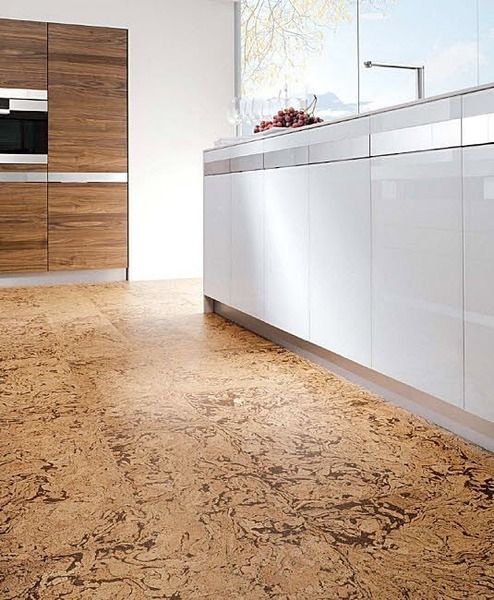
The texture adds visual interest without being busy. Each plank has subtle grain patterns and occasional darker flecks that make the floor look organic and lived-in rather than sterile. Friends who visit often comment on how inviting the kitchen feels, and I genuinely believe the warmth of the cork flooring contributes to that welcoming atmosphere.

Unexpected Benefits I Discovered
The sound dampening quality of cork has made my kitchen so much quieter. When I drop a pan or the kids run through, there’s noticeably less noise than with our old tile. My husband works from home in an office adjacent to the kitchen, and he’s mentioned how much better it is now. I didn’t realize how much the constant clatter of kitchen sounds was affecting our whole home’s atmosphere.
Another surprise benefit is how much easier cork is on my joints. I spend a lot of time cooking and doing meal prep, and I’ve noticed significantly less fatigue in my feet, knees, and lower back. My mother, who has arthritis, specifically comments on how comfortable my kitchen floor is whenever she visits. This cushioning effect is something you don’t get with hard surfaces.
The thermal properties have also reduced some condensation issues I used to have. In my old kitchen, cold tile would sometimes develop moisture in humid summer weather. The cork doesn’t get as cold, so I haven’t experienced that problem. It’s a small thing, but it means one less surface to worry about getting slippery or attracting dust to damp spots.
Logan – 1/4 Inch (6mm) – Cork Tile Glue Down (Floor And Wall)
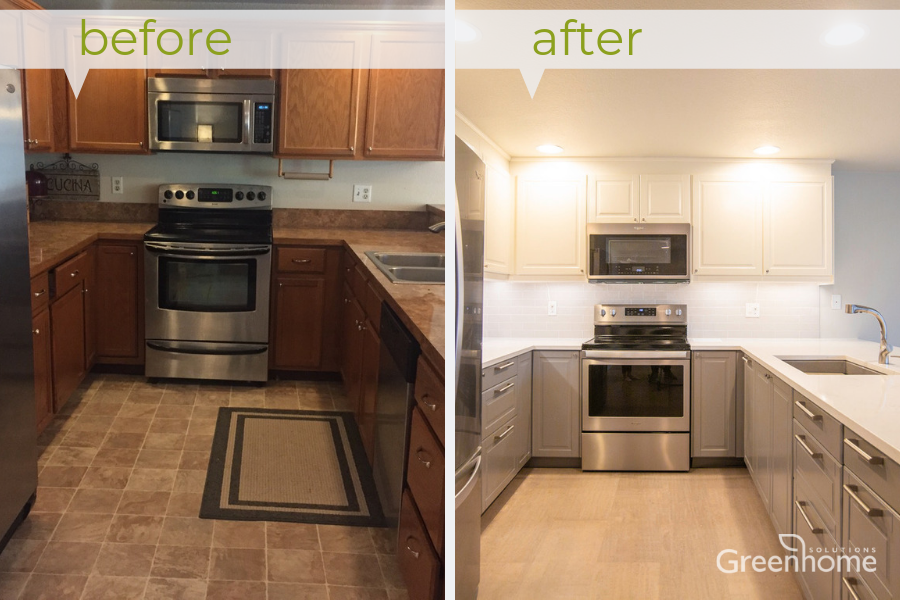
Before and Afters – Cork Flooring Brightens
Cork Kitchen Floors
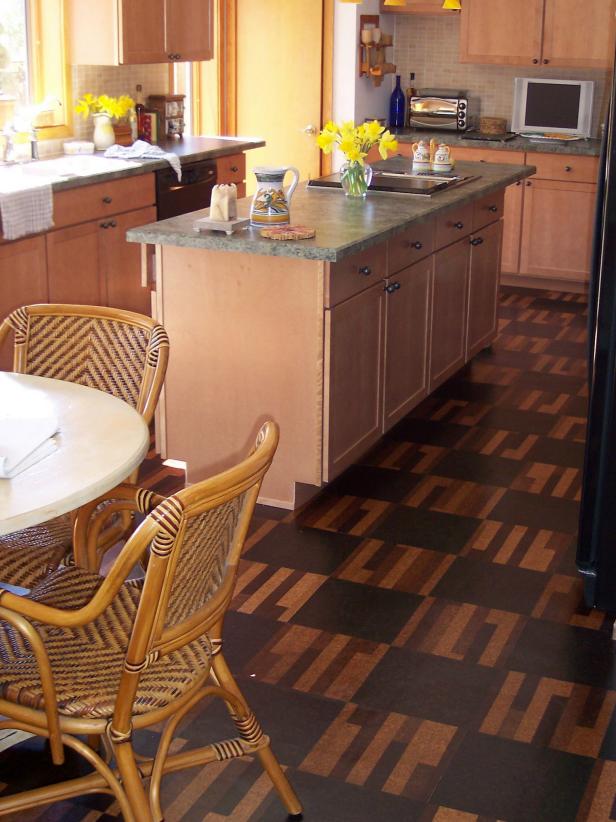
Best Cork flooring kitchen ideas cork flooring, cork flooring

Kitchen Floors {How I Decided to Use Cork Tiles}
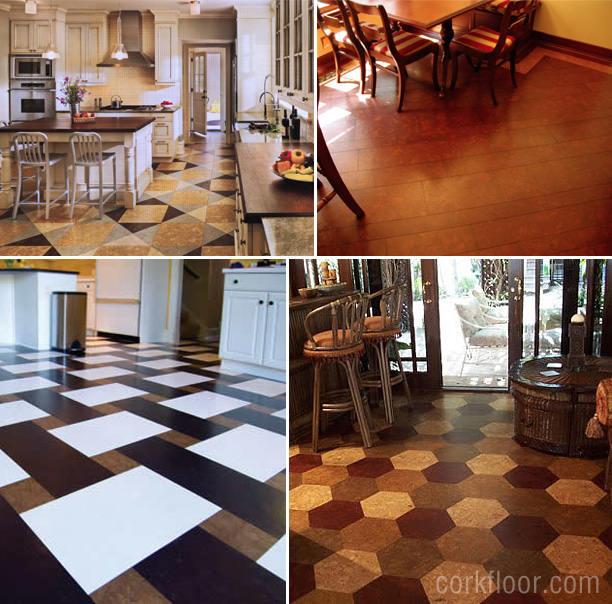
All About: Cork Flooring Kitchen
Related Posts:
- Cork Flooring Colors
- Cork Flooring Dining Room
- Light Cork Flooring
- Engineered Cork Flooring
- Cork Flooring In Kitchen
- Cork Flooring Modern
- Cork Flooring White
- Herringbone Cork Flooring
- Outdoor Cork Flooring
- Cork Flooring Bathroom
Cork Flooring Kitchen Pictures – A Visual Guide to the Beauty and Durability of Cork Floors
For those looking for a stylish, eco-friendly flooring option, cork flooring is an excellent choice. It not only looks great but is also durable, comfortable, and easy to maintain. To give you a better idea of what cork floors can look like in a kitchen setting, we’ve gathered some examples of cork flooring kitchen pictures.
What Is Cork Flooring?
Cork flooring is made from the bark of cork oak trees. It is harvested from the trees every nine years and then processed into sheets. These sheets are then cut into tiles or planks and finished with a protective layer to make them more durable.
Cork floors are highly durable and can last for decades if well maintained. They are also comfortable to walk on, have excellent insulation properties, and are resistant to mold and mildew. The unique pattern of cork adds visual interest to any room and its natural color palette makes it easy to match with any decor.
Benefits of Cork Flooring in the Kitchen
Cork flooring is an ideal choice for kitchens because it is extremely durable and water-resistant. It is also very comfortable to stand on for long periods of time and provides excellent insulation against cold temperatures. The unique pattern of cork also adds visual interest to the kitchen, making it a great choice for those wanting to add a little bit of character to their space.
Cork floors are also slip-resistant, making them a good choice for those with small children or elderly people living in the home. They are also easy to clean and maintain, making them perfect for busy households.
Cork Flooring Kitchen Pictures
Now that you know more about cork flooring, let’s look at some examples of what it can look like in a kitchen setting.
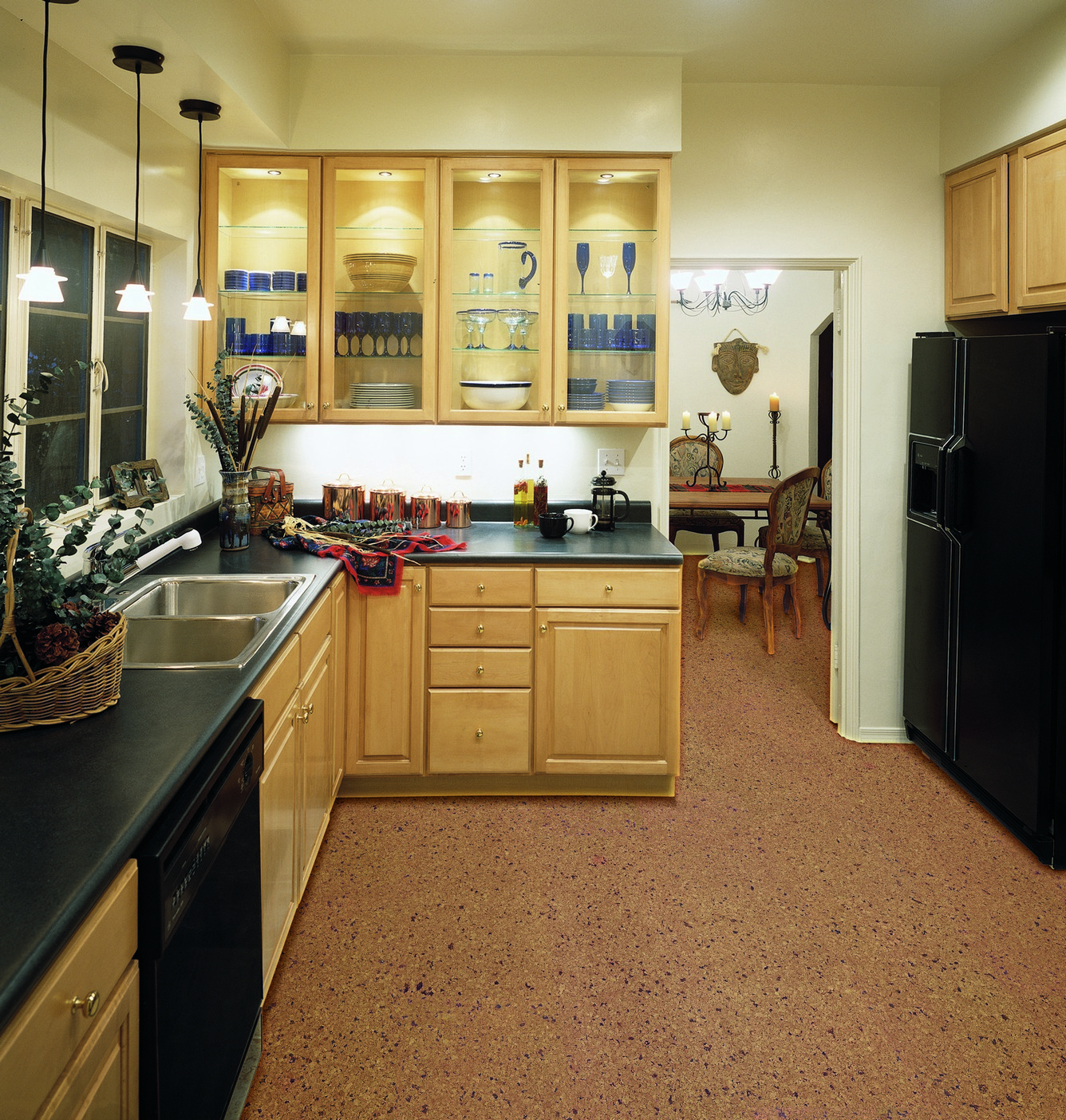
Light Color Cork Flooring: Light colored cork floors create a bright and airy atmosphere in the kitchen. The subtle pattern of the cork adds visual interest without being too overwhelming. This type of flooring pairs nicely with light colored cabinets and countertops as well as white appliances.
Dark Color Cork Flooring: Dark colored cork floors create a sophisticated look in the kitchen. The rich color adds depth to the space, while the pattern helps to break up the monotony of the dark color. This type of flooring pairs nicely with dark colored cabinets and countertops as well as stainless steel appliances.
Patterned Cork Flooring: Patterned cork floors are great for those wanting to create a unique look in their kitchen. The intricate patterns add visual interest without being too overwhelming or distracting from other design elements in the space. This type of flooring pairs nicely with both light and dark colored cabinets and countertops as well as white or stainless steel appliances.
Conclusion
As you can see from these examples of cork flooring kitchen pictures, there are many different styles to choose from when selecting cork floors for your kitchen. Not only do they look great but they are also highly durable and easy to maintain, making them an ideal choice for busy households.