I ruined a section of my beautiful oak hardwood floors by using the wrong cleaner. A popular commercial product left a cloudy, waxy residue that took me weeks to fix. That experience sent me on a mission to find natural, homemade alternatives that actually clean without causing damage. After years of experimenting, I’ve landed on several reliable recipes that I use regularly and trust completely with my floors.
Why I Switched to Natural Homemade Cleaners
The commercial floor cleaner incident was my turning point, but it wasn’t the only reason I made the switch. When I started reading ingredient labels on store-bought cleaners, I was shocked by the number of synthetic chemicals, artificial fragrances, and harsh solvents listed. With young kids and a dog who spend a lot of time on the floor, I became concerned about what residues they were regularly coming into contact with.
Cost was another motivating factor. I was spending around $12 to $15 per bottle on commercial hardwood cleaners, going through roughly one bottle every six weeks. When I did the math, that added up to over $100 a year just for floor cleaner. My homemade versions cost a fraction of that, using simple pantry staples I already keep on hand for other purposes.
The environmental angle also matters to me. Disposable plastic bottles, chemical runoff, and manufacturing impacts all add up. Making my own cleaner lets me reuse spray bottles indefinitely and control exactly what goes into, and eventually down, my drains. It’s a small change, but it feels meaningful as part of a broader effort to reduce my household’s environmental footprint.
My Go-To Basic Recipe: Vinegar and Water
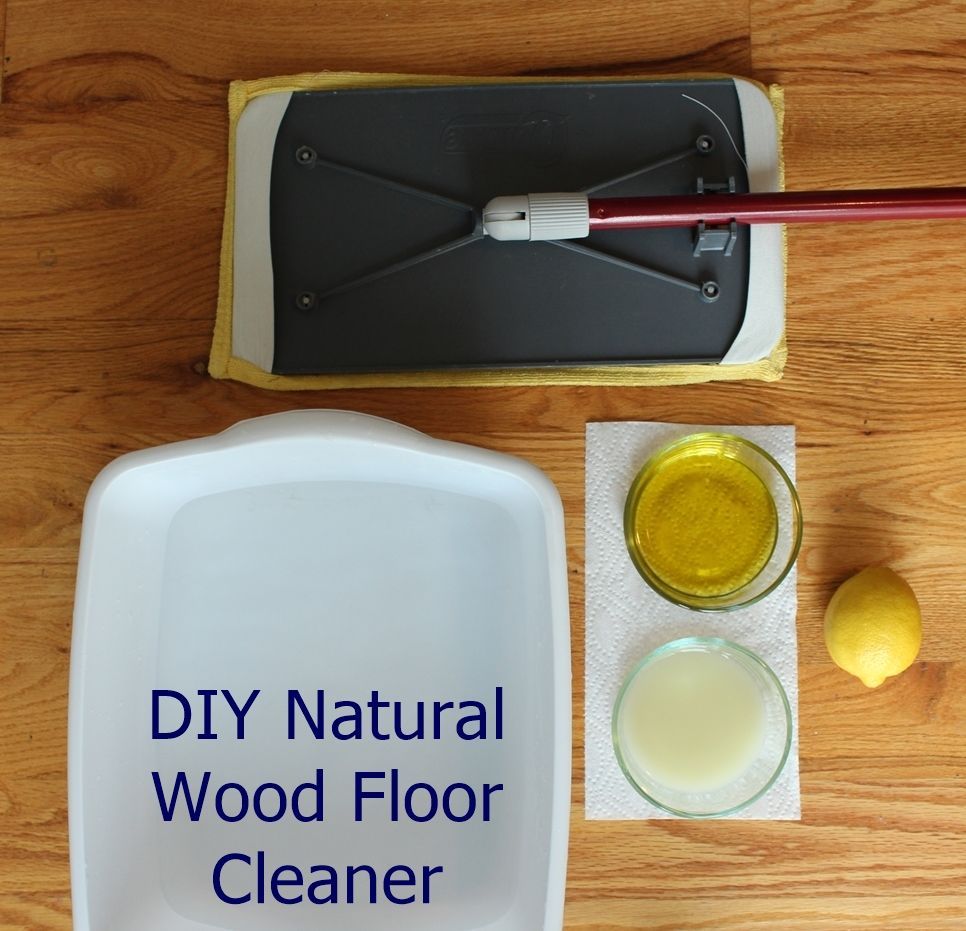
My everyday hardwood floor cleaner is embarrassingly simple: a quarter cup of white distilled vinegar mixed with a gallon of warm water. That’s genuinely it. The mild acidity in vinegar cuts through grime and leaves a streak-free finish without any residue. I’ve been using this on my oak floors for two years and they look better than they did when I was using commercial products.
The ratio matters more than people realize. Too much vinegar, and the acidity can slowly dull the finish on your floors over time. Too little, and it won’t clean effectively. I’ve tested various ratios and found that quarter-cup per gallon strikes the perfect balance. If my floors are particularly dirty after a rainy week or a party, I’ll add a tiny splash more, but I never exceed half a cup per gallon.
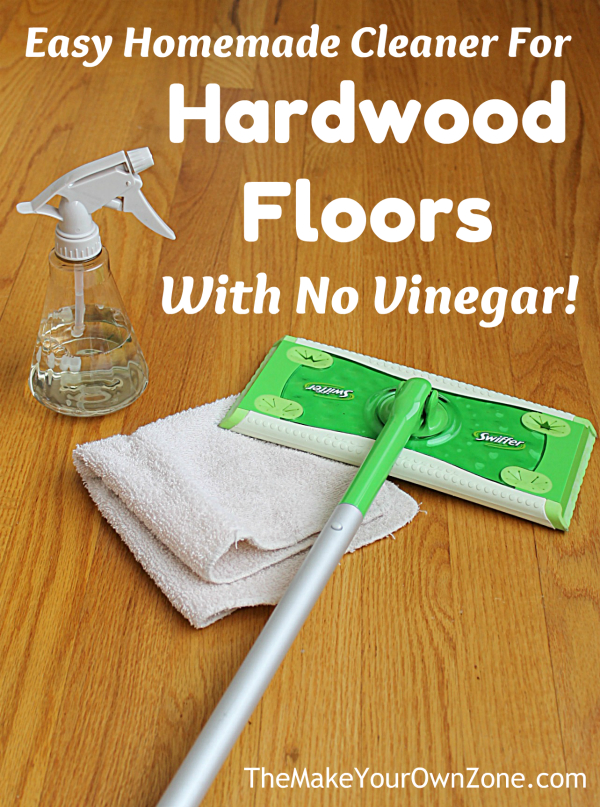
Application method is just as important as the recipe itself. I use a microfiber mop that I wring out thoroughly before it ever touches the floor. Hardwood and excess moisture are enemies, so my mop should feel barely damp, not wet. I work with the grain of the wood and let the floor air-dry quickly, which it does because so little moisture is applied. This approach protects my floors while still getting them genuinely clean.
Adding Essential Oils for Fragrance and Extra Cleaning Power
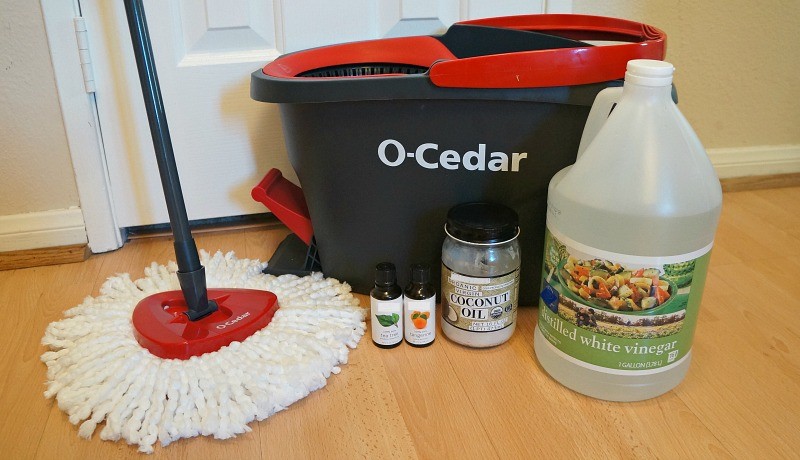
Plain vinegar and water works great, but the smell, while it dissipates quickly, isn’t exactly pleasant while you’re mopping. That’s when I started experimenting with essential oils. My favorite addition is about 10 drops of tea tree oil per gallon of cleaning solution. Tea tree has natural antimicrobial properties that give me extra peace of mind in a house with pets and kids.
Lavender is my second choice for a cleaner that smells genuinely lovely while you’re working. I add 10 to 15 drops to my vinegar-water mixture and my whole house smells fresh for hours after mopping. Lavender also has mild antibacterial properties, so it’s not just about fragrance. My kids actually commented that the floors smell better now than they did with the commercial cleaner we used before.
Lemon essential oil is worth mentioning separately because it does double duty as a degreaser. I use it specifically in my kitchen, where cooking splatter can leave oily residue on the hardwood. I combine 10 drops of lemon oil with my standard vinegar-water solution, and it cuts through kitchen floor grime noticeably better than plain vinegar. Just make sure you’re using pure essential oil, not lemon juice, which can be too acidic and leave its own residue.

Castile Soap Solutions for Heavily Soiled Floors
Sometimes vinegar alone isn’t enough. After the holidays, when my house sees more foot traffic and general chaos, I upgrade to a castile soap-based cleaner. I mix a teaspoon of liquid castile soap with a gallon of warm water and a small splash of white vinegar. The soap lifts tougher dirt while the vinegar helps prevent streaking and residue buildup.
The critical thing I’ve learned with any soap-based cleaner is to use the absolute minimum amount of soap. Even a teaspoon per gallon sounds small, but more than that leaves a film that attracts more dirt and makes floors look dull. I made this mistake early on, using a tablespoon of castile soap thinking more would mean cleaner floors. The opposite was true, and I spent an extra session mopping with plain water to remove the residue.
After using a castile soap solution, I always follow up with a final pass using plain warm water to remove any remaining soap traces. This extra step takes only a few minutes but makes a significant difference in how the floor looks when dry. I also make sure my mop is extra well-wrung for both passes, because the soap solution requires even more caution about moisture than my everyday vinegar cleaner.

What to Absolutely Avoid Putting on Hardwood Floors
Knowing what not to use is just as valuable as having a good recipe. I learned this the painful way. Straight undiluted vinegar is a common mistake people make thinking more acid means better cleaning. In reality, undiluted vinegar can strip the protective finish from your hardwood over time, leaving it vulnerable to staining and water damage.
Steam mops should never touch hardwood floors, no matter how convenient they seem. I borrowed a friend’s steam mop once thinking it would be a quick, chemical-free solution, and it caused my floors to slightly warp in one section. The heat and steam force moisture deep into the wood grain, causing damage that’s expensive to reverse. Natural doesn’t always mean safe for hardwood, and steam is a perfect example.
Baking soda is another thing I see recommended online that I personally avoid on sealed hardwood. Despite being a gentle cleaner on many surfaces, baking soda is mildly abrasive and can scratch your floor’s finish with repeated use. It can also leave a white residue in the wood grain that’s tricky to remove. When I need gentle scrubbing action for a stubborn spot, I use a soft cloth with a tiny drop of castile soap instead.

Making Your Homemade Cleaner Last and Stay Fresh
I mix fresh cleaning solution every time I mop rather than making a large batch that sits around. Vinegar-based solutions are generally stable, but if you’re adding essential oils or castile soap, the mixture is best used within a day or two. I keep a dedicated labeled spray bottle for spot cleaning, which I refill weekly with a smaller concentrated batch.
Storage matters more than most people think. I keep my essential oils and castile soap in a cool, dark cabinet away from direct sunlight and heat, which can degrade their quality over time. Good quality ingredients make a noticeable difference in how well your cleaner works and how pleasant the experience is. I buy my castile soap in larger quantities because I use it throughout the house.
Label everything clearly, especially if others in your household help with cleaning. I use simple masking tape labels with the recipe written on the bottle so my partner can make a fresh batch without asking me. I also note the mixing date on spray bottles so I remember when to refresh the solution. These small organizational habits make maintaining a natural cleaning routine much easier over the long term.
Will vinegar damage my hardwood floor’s finish over time?
Diluted properly, vinegar is safe for most sealed hardwood floors. The key is that quarter-cup to one-gallon ratio I use. Straight or highly concentrated vinegar can dull your finish, but a weak dilution is mild enough to clean without causing harm. If your floors have a wax finish rather than polyurethane, test in a hidden corner first before mopping the whole floor.
Can I use my homemade cleaner on engineered hardwood as well?
Yes, my vinegar-water solution works on engineered hardwood, but I’m even more careful with moisture levels. Engineered wood can be more sensitive to water than solid hardwood. I wring my mop out even more thoroughly and work in smaller sections. Always check the manufacturer’s care guidelines for your specific floor before trying any new cleaner, homemade or commercial.
How often should I clean my hardwood floors with this solution?
I use my vinegar-water cleaner about once a week in high-traffic areas and every two weeks in rooms that see less use. Daily quick sweeps or dry dust mopping between wet cleanings keeps grime from building up and reduces how hard the weekly mopping needs to work. Over-cleaning with any liquid solution, even a natural one, isn’t great for hardwood floors.
My floors look dull after cleaning. What am I doing wrong?
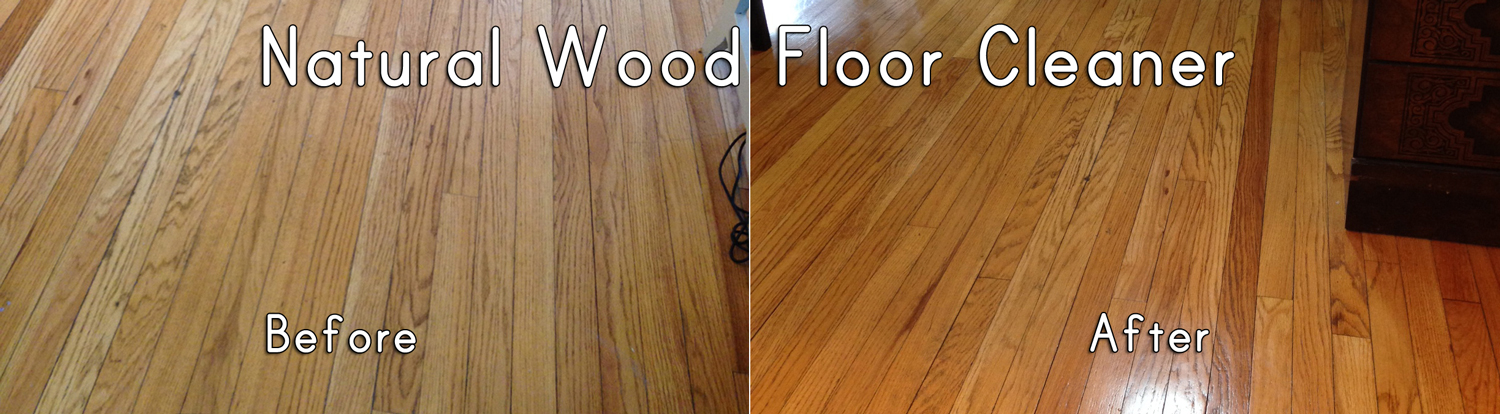
Dullness is usually caused by using too much soap or cleaner, or by not wringing the mop out enough. Try reducing your vinegar or castile soap amount, and make sure your mop is barely damp. You might also need a follow-up plain water pass to remove residue. If dullness persists, a hardwood floor polish appropriate for your finish type can restore the shine.
Is this cleaner safe around pets and children who crawl on the floor?
That’s exactly why I switched to natural cleaners. Once dry, my vinegar-water solution leaves no harmful residue, making it much safer for kids and pets than chemical-based commercial cleaners. I do keep pets and children out of the room while mopping and until the floor is fully dry, mostly to prevent slipping rather than for any chemical safety reason.
Can I add rubbing alcohol to boost the disinfecting power of my homemade cleaner?
I’ve seen this suggestion online and tried it briefly, but I stopped. Alcohol can be drying to wood finishes with repeated use. My tea tree oil addition provides solid antimicrobial action without that risk. If you need genuine disinfection, like after illness in the house, a one-time use of a very diluted solution is probably fine, but I wouldn’t make it a regular part of my cleaning routine.

Natural hardwood floor cleaner recipe – Pins and Procrastination

Easy-to-Make Homemade Wood Floor Cleaner Recipes
Homemade Wood Floor Cleaner – Recipes with Essential Oils
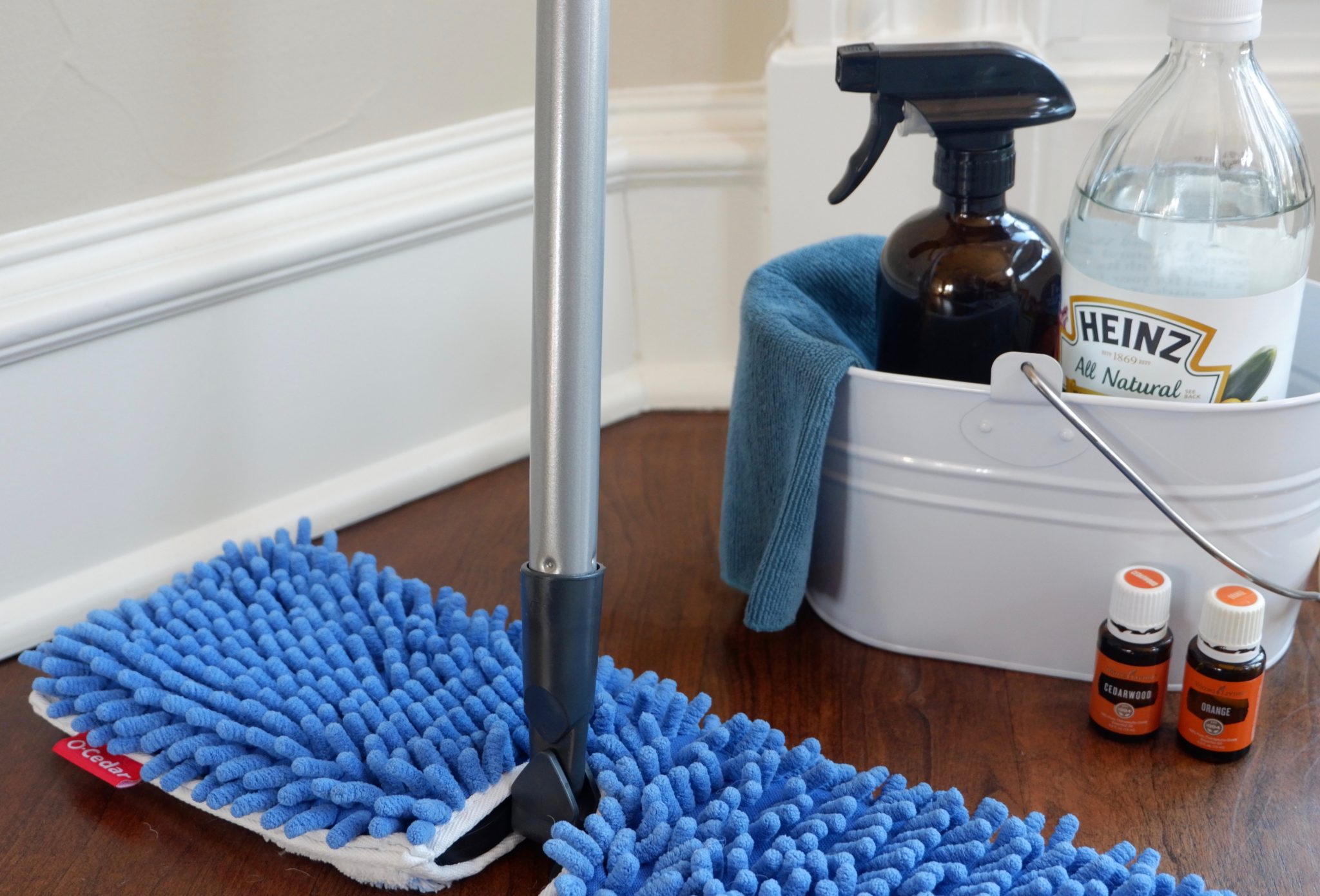
Best Homemade Hardwood Floor Cleaners
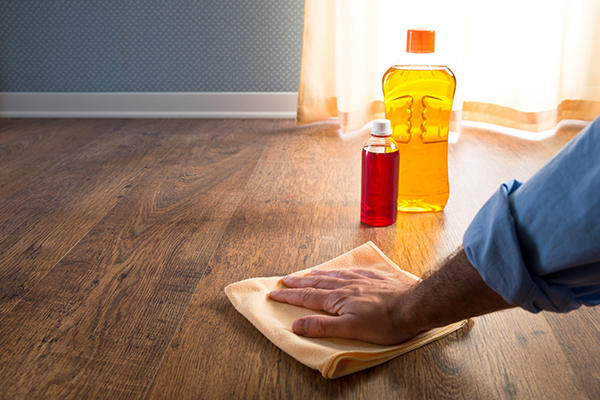
Hardwood Floor Cleaning Tips and Tricks

Related Posts: