When I first heard about cork flooring for bathrooms, I’ll admit I was skeptical. Cork? In a wet space? It sounded counterintuitive. But after doing my research and eventually installing it in my own bathroom three years ago, I’ve become a genuine advocate. The warmth underfoot, the unique aesthetic, and the surprising durability have completely changed my perspective on bathroom flooring options.
Why I Chose Cork Over Traditional Bathroom Flooring
I spent weeks comparing tile, vinyl, and laminate before stumbling upon cork as an option. What initially drew me in was the warmth factor. I live in a cold climate, and the thought of stepping onto a floor that wasn’t ice-cold in winter mornings was incredibly appealing. Cork has natural insulating properties that make it comfortable year-round, unlike ceramic tile that can feel harsh and cold.
Beyond comfort, I loved the eco-friendly aspect. Cork is harvested from the bark of cork oak trees without harming them, making it a renewable resource. As someone trying to make more sustainable choices in my home, this really mattered to me. Plus, cork has natural antimicrobial properties that resist mold and mildew, which seemed perfect for a bathroom environment.
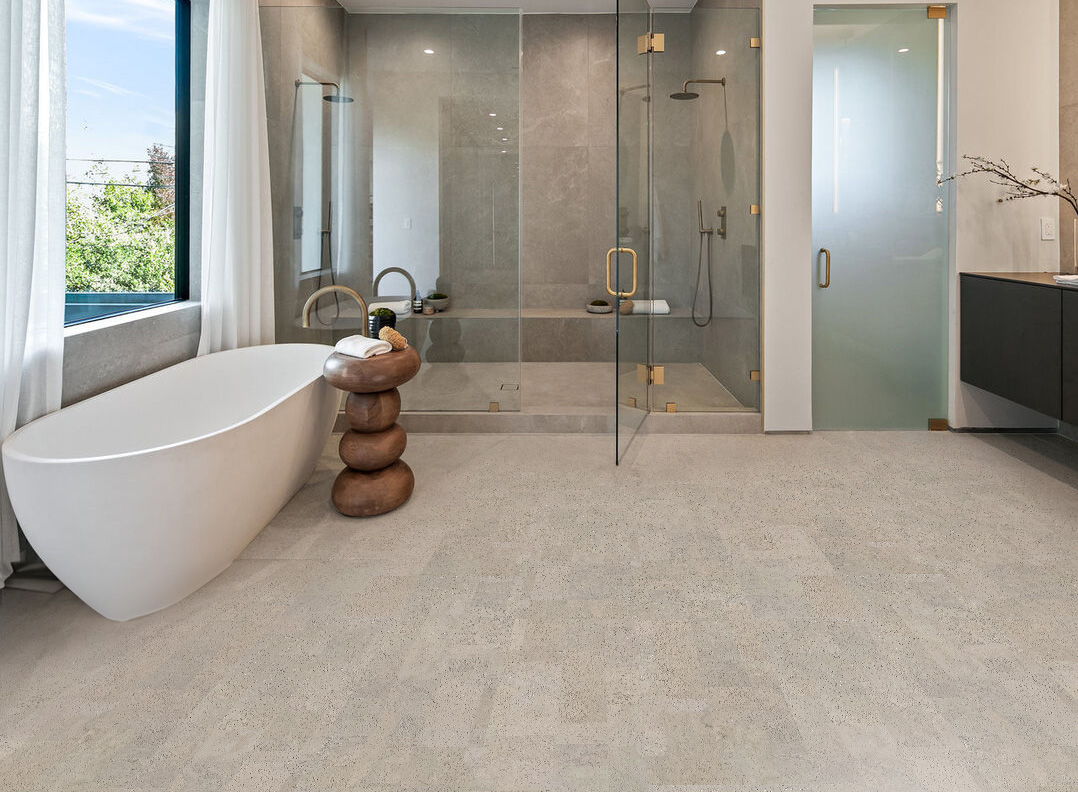
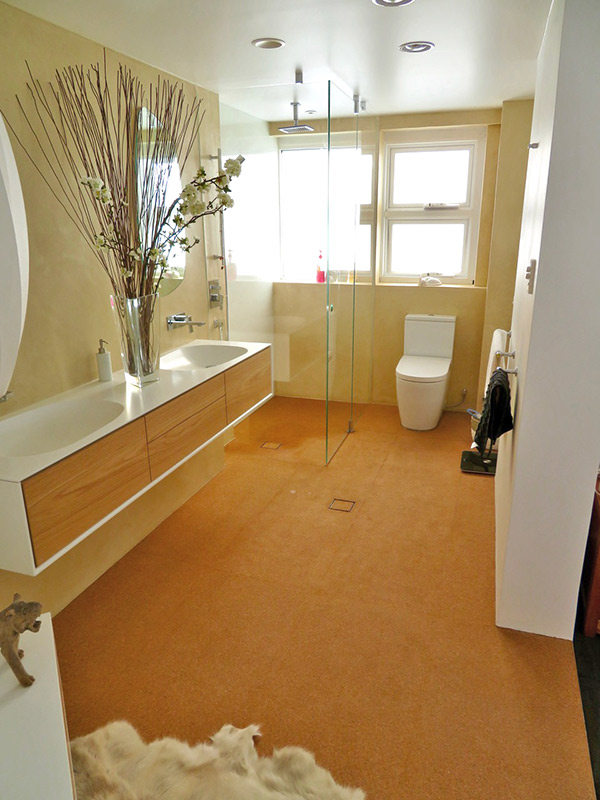
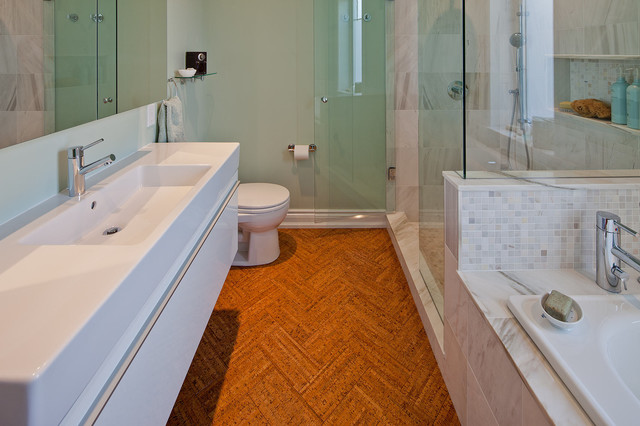
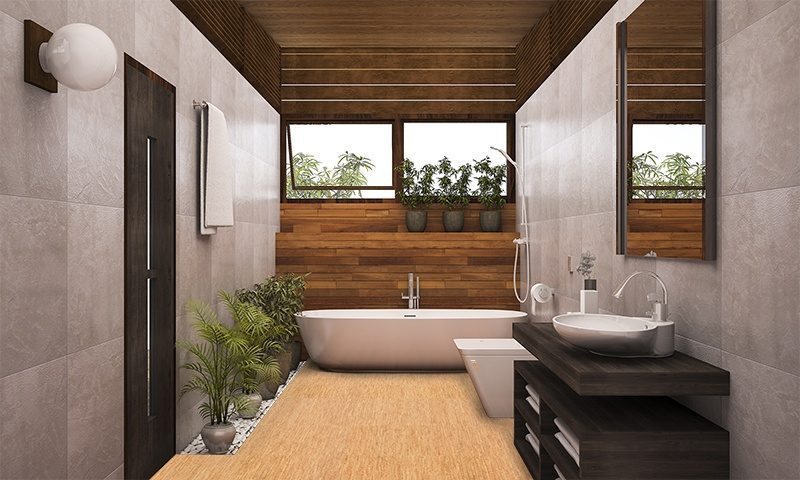
The aesthetic versatility surprised me too. I found cork flooring in various colors and patterns, from natural honey tones to darker espresso shades. I went with a medium-toned cork that complemented my white vanity and gave the space a spa-like, organic feel. It’s softer and more forgiving than hard surfaces, which I appreciated after my partner dropped a glass bottle that would have shattered on tile.
Waterproofing Was My Biggest Concern (And How I Addressed It)
Let me be honest, moisture resistance was my main worry. Cork is naturally somewhat water-resistant because of its cellular structure, but it’s not waterproof on its own. I knew I needed to take extra steps to protect my investment. The key is proper sealing and installation, which I learned through careful research and consultation with my flooring contractor.
I made sure to choose cork tiles specifically manufactured for bathroom use, which come pre-sealed with polyurethane or acrylic finishes. Then I applied additional coats of waterproof sealant after installation, paying special attention to seams and edges. I reapply sealant every two years now, which takes just an afternoon and keeps the floor protected from water damage.
The area around my shower and sink required extra attention. I used a higher-quality marine-grade sealant in these high-moisture zones and made sure there were no gaps in coverage. Three years in, I haven’t had any water damage, swelling, or mold issues. The trick is being diligent about wiping up standing water and maintaining the seal, just like you would with hardwood flooring.
Installation Was Easier Than I Expected
I’m fairly handy but not a professional by any means, and I was able to install my cork floor myself over a long weekend. Most cork flooring comes in tiles or planks with click-lock systems that fit together like puzzle pieces. I chose 12-inch tiles because they were easier to handle and position in my relatively small bathroom space.
Preparation was crucial. I made sure my subfloor was completely level, clean, and dry before starting. I used a moisture barrier underlayment as an extra precaution, which I’d recommend for any bathroom installation. The actual laying process was straightforward, starting from the center of the room and working outward. I used a rubber mallet to tap the pieces together gently.
The trickiest part was cutting around the toilet and vanity. I used a utility knife and a straightedge, scoring the cork several times before snapping it. Cork is forgiving to work with because it’s softer than tile or hardwood. If you’re not confident doing it yourself, professional installation typically costs between $3 to $5 per square foot, which is reasonable compared to other flooring options.

Daily Maintenance Is Surprisingly Simple
One of my favorite things about cork flooring is how easy it is to keep clean. I sweep or vacuum regularly to remove dirt and debris that could scratch the surface, just like I would with any floor. For deeper cleaning, I use a damp mop with a pH-neutral cleaner specifically designed for cork or wood floors. I avoid soaking the floor, using just enough moisture to clean effectively.
Spills happen in bathrooms, obviously. When my kids splash water everywhere during bath time, I simply wipe it up with a towel. The sealed surface prevents water from penetrating immediately, giving me time to address it. I’ve also found that cork doesn’t show water spots or soap scum buildup the way glass shower doors or tile can, which makes my bathroom look cleaner with less effort.
I do take a few precautions to extend the life of my floor. I use bath mats near the shower and sink to catch excess water, and I make sure the bathroom fan runs during and after showers to reduce humidity. These simple habits have kept my cork floor looking as good as the day I installed it, with minimal wear even in high-traffic areas.
The Comfort Factor Sold Me Completely
This might sound dramatic, but cork flooring genuinely changed my morning routine. That first step out of bed onto a floor that isn’t frigid makes such a difference. Cork naturally maintains a warmer temperature than tile or stone, and it has a slight cushioning effect that’s easier on joints. My elderly mother noticed the difference immediately when she visited.
The cushioned feeling comes from cork’s cellular structure, which contains millions of tiny air pockets. This makes it softer underfoot without being squishy or unstable. I’ve found it particularly beneficial when standing at the sink doing my skincare routine or when my kids take longer baths. Standing for extended periods is noticeably more comfortable than it was on my old tile floor.
The acoustic benefits were an unexpected bonus. Cork naturally absorbs sound, so my bathroom feels quieter and more peaceful. Footsteps don’t echo, and when someone closes the bathroom door or sets down bottles on the counter, there’s less harsh noise. It creates a more spa-like, tranquil atmosphere that makes my bathroom feel like a true retreat space.

Cost Comparison Made Cork a Smart Investment
Cork flooring for my bathroom cost between $3 and $8 per square foot for the materials, depending on quality and thickness. I went mid-range at about $5 per square foot, plus sealant and underlayment. For my 50-square-foot bathroom, materials totaled around $350. This was comparable to quality vinyl but less expensive than natural stone or high-end tile options.
When I factored in the longevity, cork became even more attractive financially. With proper care and resealing, cork floors can last 25 years or more. Compared to vinyl that might need replacement in 10-15 years, the long-term value made sense. I also didn’t need radiant heating, which would have added thousands to a tile installation, because cork provides natural warmth.
The DIY installation saved me significant money. Professional installation quotes ranged from $4 to $6 per square foot, but because cork is relatively easy to work with, I felt confident handling it myself. Even if you hire a professional, the total cost remains competitive with other mid-range flooring options while offering unique benefits you won’t get from standard bathroom materials.

Will cork flooring get damaged by bathroom moisture and humidity?
When properly sealed and maintained, cork handles bathroom moisture very well. I seal mine every two years with polyurethane, and it’s held up perfectly for three years despite daily shower use. The key is choosing bathroom-grade cork and wiping up standing water promptly. It’s not invincible, but with basic care it’s surprisingly durable.
Does cork flooring feel spongy or weird to walk on?
Not at all in my experience. Cork has a slight cushion that’s comfortable, but it feels solid and stable underfoot. It’s softer than tile or hardwood but nowhere near as soft as carpet or foam. Think of it as a subtle give that’s easier on your feet and joints without feeling unstable or bouncy when you walk.
How does cork flooring hold up to kids and pets in the bathroom?
My two kids and dog have been tough on my cork floor, and it’s held up remarkably well. Minor scratches can happen but are less noticeable than on hardwood. Cork naturally resists mold and bacteria, which gives me peace of mind with messy kids. The cushioned surface also means dropped toys or bottles are less likely to break or cause damage.
Can I install cork flooring directly over my existing bathroom floor?
It depends on what you currently have. I installed mine over old vinyl after ensuring the surface was level and smooth. You can go over most stable flooring, but not over carpet. The subfloor must be dry, level, and structurally sound. I’d recommend removing old flooring if there’s any water damage or unevenness underneath for best results.
What happens if water gets under the cork flooring somehow?
This was my biggest fear initially. If water seeps underneath through damaged seams or poor sealing, it can cause swelling or mold. That’s why proper installation with moisture barriers and quality sealant is critical. In three years, I’ve had zero issues because I was careful during installation and maintain the seal. Prevention is much easier than repair.
Is cork flooring slippery when wet in a bathroom setting?
Cork actually provides good traction, even when slightly damp. The natural texture gives it more grip than smooth tile or vinyl. I’ve never had a slipping incident, even when my kids run in with wet feet. That said, I still use bath mats for extra safety and to protect the floor from prolonged water exposure in high-splash zones.
Related Posts: