When I first started looking into upgrading my garage floor, I had no idea that metallic epoxy would completely transform not just the space, but my entire perspective on what a garage could be. After living with boring concrete for years, I discovered this stunning flooring option that combines durability with absolutely gorgeous visual appeal. The shimmer and depth of metallic epoxy create an almost liquid metal appearance that makes my garage feel more like a showroom than a storage space.
Choosing the Right Metallic Pigments for Your Space
The first thing I learned about metallic epoxy is that pigment selection makes or breaks the final result. I spent weeks researching different metallic colors, from classic silver and gold to more dramatic coppers and blues. What surprised me most was how the lighting in my garage affected each color differently throughout the day. I ended up choosing a pewter metallic that shifts between silver and charcoal depending on the angle and lighting.
During my research, I discovered that some metallic pigments are more fade-resistant than others. The higher-quality mica-based pigments I selected cost more upfront, but they’ve maintained their brilliance for over two years now. Cheaper alternatives I considered would have likely dulled within months, especially with UV exposure from my garage windows. The investment in quality pigments was absolutely worth it for the long-term beauty.
I also learned that mixing different metallic pigments can create unique custom effects. My installer showed me samples where copper and bronze were blended, creating incredible depth and movement. While I stuck with a single pewter tone for my first project, I’m already planning to experiment with multi-toned metallics when I redo my workshop floor next year.
Surface Preparation: The Foundation of Success
Nothing taught me more about the importance of proper prep work than watching my contractor spend two full days just preparing my concrete. I initially thought we could skip some steps to save money, but I’m so glad I listened to his expertise. He diamond-ground the entire surface, which opened up the concrete’s pores and created the perfect texture for adhesion. The dust was incredible, but the results spoke for themselves.
We discovered several oil stains that had penetrated deeper than I expected. My contractor used a specialized degreasing process that involved multiple applications of industrial cleaners and even some mechanical scrubbing. I learned that any contamination left on the surface would show through the clear metallic coating, potentially creating permanent blemishes that couldn’t be fixed without starting over.
The moisture testing phase was eye-opening, too. Even though my garage seemed dry, the concrete was actually holding more moisture than ideal for epoxy application. We had to wait an extra week for conditions to be perfect, but that patience paid off with a flawless finish. I now understand why rushing surface preparation is the number one cause of epoxy failure.
Application Techniques That Create Stunning Effects
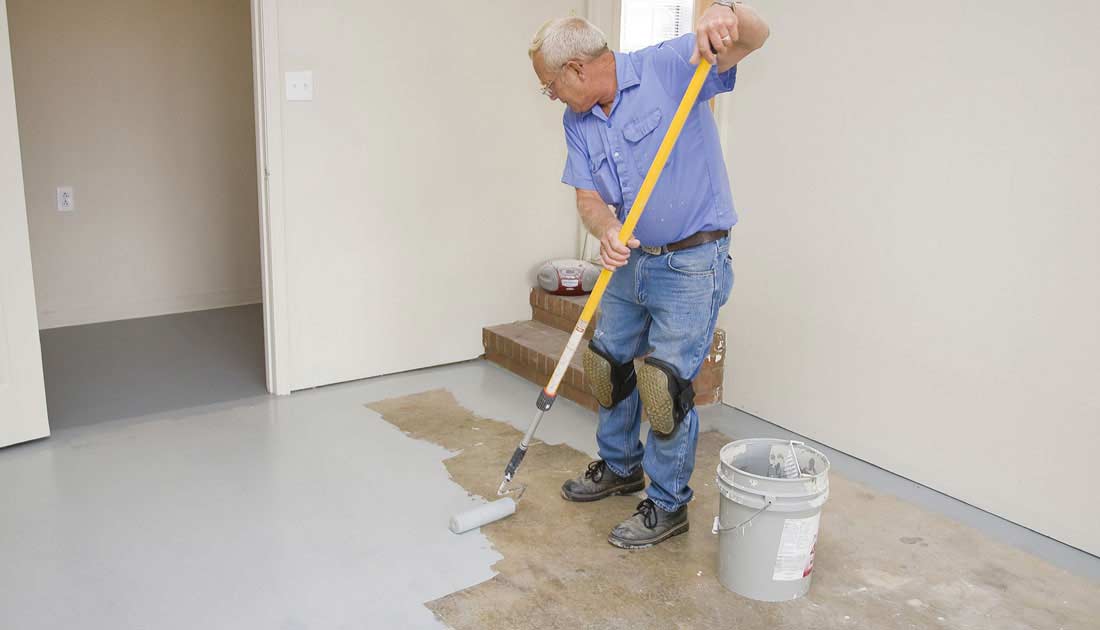
Watching the metallic epoxy application was like witnessing art in motion. My installer used a technique called “back-rolling,” where he applied the base coat, sprinkled the metallic pigments, then used special tools to manipulate the metallics into flowing patterns. The way the pigments moved and settled created organic, almost marble-like veining that’s absolutely mesmerizing.
I was fascinated by how different application tools created different effects. Brushes produced more linear patterns, while foam rollers created softer, more blended looks. My installer even used a leaf blower on low setting to move the metallics around, creating swirling patterns that reminded me of liquid mercury. The technique he used made each section unique while maintaining overall continuity.
Temperature and humidity played crucial roles during application. We had to time everything perfectly because the working time with metallic epoxy is limited once you start. I learned that cooler temperatures extend working time, while heat accelerates curing. My installer worked in sections, carefully planning each area to ensure seamless blending between sections while the previous area was still workable.

Durability and Maintenance: Real Talk from Experience
After two years of daily use, I can honestly say my metallic epoxy floor has exceeded my durability expectations. My garage sees heavy traffic from cars, motorcycles, tools, and weekend projects, yet the surface still looks incredible. I’ve dropped wrenches, dragged heavy equipment, and even spilled various automotive fluids without any permanent damage to the finish.
The maintenance routine I’ve developed is surprisingly simple. I sweep regularly to prevent dirt buildup and mop monthly with a pH-neutral cleaner. Hot tire pickup was my biggest concern initially, but the high-quality topcoat we applied prevents tires from leaving marks or pulling up the coating. I use furniture pads under heavy storage items just as a precaution.
One challenge I didn’t anticipate was how the metallic surface shows dust more readily than plain concrete. While this means I clean more frequently, it’s also motivated me to keep my garage more organized than ever before. The stunning appearance makes me want to maintain it properly, which has had the unexpected benefit of creating a much more functional workspace overall.
Cost Considerations and Value Analysis
The initial investment in metallic epoxy was definitely higher than I expected, roughly three times what basic epoxy would have cost. However, when I compared it to other garage upgrade options like interlocking tiles or polished concrete, the pricing became more reasonable. The unique aesthetic appeal and durability made it feel like a worthwhile investment in my home’s value and my daily enjoyment of the space.
I learned that trying to cut costs on materials or labor with metallic epoxy is usually a mistake. The application requires skill and experience that come with a premium, but the difference in quality is dramatic. I got quotes that varied by thousands of dollars, and I’m glad I chose an installer based on portfolio quality rather than just price. The results speak for themselves.
Looking at long-term value, I expect this floor to last 15-20 years with proper maintenance. When I calculate the cost per year over that lifespan, it becomes quite reasonable compared to other flooring options that might need replacement sooner. Plus, the increase in my property value and the daily enjoyment I get from the beautiful floor make it worth every penny I invested.
Common Mistakes and How to Avoid Them
The biggest mistake I see other homeowners make is rushing the timeline. I was tempted to push for faster completion, but my installer insisted on proper cure times between coats. This patience resulted in a much more durable finish. I’ve seen neighbors who rushed their projects end up with adhesion problems and early failure that required complete removal and reinstallation.
Another common error is underestimating the importance of environmental controls during application. Temperature and humidity need to be carefully managed, which sometimes means using heaters, dehumidifiers, or fans. I initially balked at the extra equipment rental costs, but maintaining ideal conditions was crucial for achieving the smooth, even finish I wanted.
I also learned that attempting DIY metallic epoxy installation is much more challenging than regular epoxy. The working time is shorter, the technique is more complex, and mistakes are difficult to fix. While I’m usually a DIY enthusiast, I’m grateful I hired professionals for this project. The specialized tools, experience, and warranty they provided were invaluable for achieving professional results.
How long does metallic epoxy take to fully cure before I can park on it?
I had to wait 72 hours before driving on mine, though foot traffic was allowed after 24 hours. The curing process continues for about a week, so I avoided heavy loads initially. My installer recommended waiting a full week before parking heavy vehicles or placing heavy storage items to ensure maximum durability and prevent any impressions in the surface.
Will the metallic effect fade or wear off over time with regular use?
After two years of heavy garage use, my metallic pigments still look vibrant and unchanged. The key is using quality mica-based pigments sealed under a durable topcoat. Cheaper metallic additives might fade, but proper materials and application create a permanent effect that’s integral to the coating system rather than just a surface treatment.

Can metallic epoxy be applied over existing epoxy or painted concrete?
Unfortunately, my installer had to remove the old paint from my concrete before application. Metallic epoxy needs direct adhesion to properly prepared concrete for maximum durability. Any existing coatings must be completely removed through grinding or chemical stripping. This adds time and cost but ensures the new coating will perform as intended for years.
How slippery is metallic epoxy when wet?
I was concerned about this too, especially with snow and rain tracked in from vehicles. My installer added slip-resistant additives to the topcoat, which provides good traction even when wet. The texture is subtle enough not to interfere with the metallic appearance but effective enough that I feel confident walking on it in wet conditions or with wet shoes.

What happens if the floor gets damaged, can it be repaired?
Minor scratches can often be buffed out or touched up with matching materials, though getting an exact color match with metallics can be tricky. Major damage typically requires grinding out the affected area and recoating that section. My installer keeps detailed records of the exact pigments used, which helps ensure repairs blend seamlessly with the original installation.
Is metallic epoxy suitable for climates with extreme temperature changes?
My garage experiences significant temperature swings throughout the year, and the floor has handled them perfectly. Quality metallic epoxy systems are formulated to expand and contract with temperature changes without cracking or delaminating. The key is proper surface preparation and using a system designed for your climate conditions, which your installer should specify based on local requirements.

Epoxy Garage Flooring installed

Epoxy Garage Flooring Epoxy
.JPEG)
Garage Flooring Epoxy Coat
.JPEG)
Epoxy Flooring Job
Related Posts: