When I first considered pine hardwood flooring for my rustic cabin renovation four years ago, everyone warned me about its softness and tendency to dent. However, after living with 1,200 square feet of heart pine floors, I can honestly say it was one of the best decisions I made for my home. The warmth, character, and natural beauty of pine create an atmosphere that harder woods simply can’t match. Yes, it requires more care and understanding, but the charm and affordability make it worthwhile for the right application.
Understanding Pine Varieties: Finding Your Perfect Match
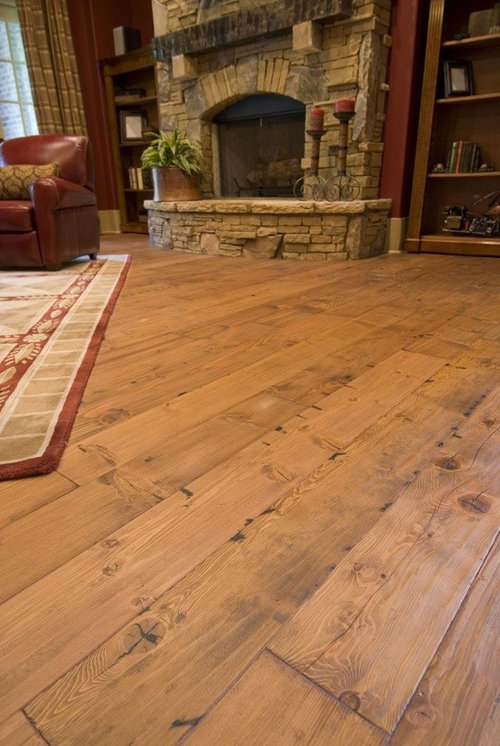
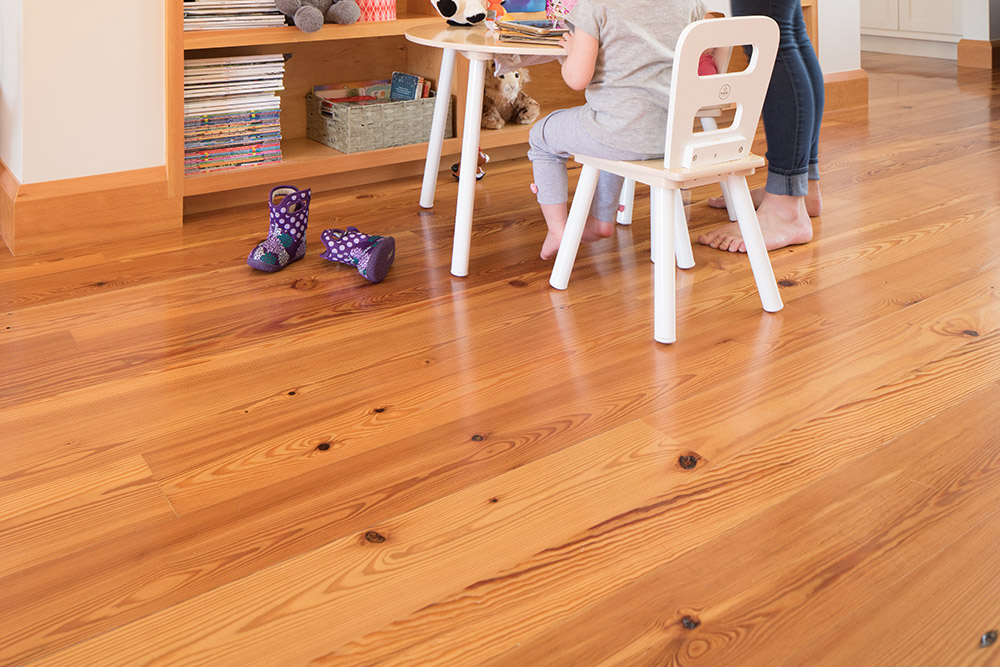
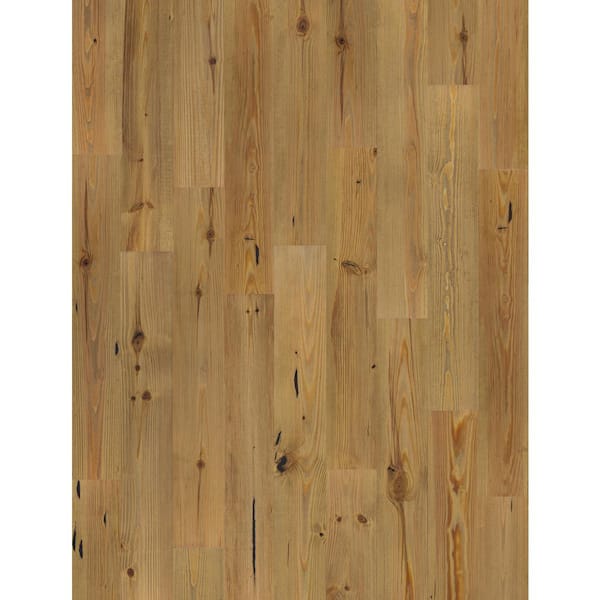
Southern Yellow Pine became my top choice after researching different species extensively. This variety includes longleaf, slash, shortleaf, and loblolly pines, each offering unique characteristics. I chose heart pine reclaimed from old buildings because of its incredible density and rich patina developed over decades. The heartwood from old-growth trees is significantly harder than modern pine lumber, making it more suitable for flooring applications where durability matters.
Eastern White Pine offers a completely different aesthetic that I considered for my bedroom spaces. This species provides a lighter, more uniform appearance with minimal grain variation. However, its extreme softness made me hesitant for high-traffic areas. I’ve seen beautiful installations in bedrooms and studies where foot traffic is minimal. The pale, creamy color works wonderfully in Scandinavian or minimalist design schemes.
Reclaimed pine versus new lumber presents distinct advantages and challenges I weighed carefully. Reclaimed heart pine costs more but offers superior hardness and unique character marks that tell stories. New pine is more affordable and consistent, but lacks the density of old-growth wood. I ultimately chose reclaimed for the main living areas and new pine for a guest bedroom, creating different moods while maintaining cost control.
Installation Considerations: Lessons from My Experience
Subfloor preparation proved more critical with pine than I initially understood. Pine’s softness means it telegraphs every imperfection in the subfloor beneath. I spent extra time ensuring my subfloor was perfectly level and solid, using additional screws and leveling compound where needed. Any squeaks or movement in the subfloor will be amplified with pine flooring, so addressing these issues beforehand prevents future problems and disappointment.
Acclimation time requires patience that I didn’t fully appreciate initially. Pine responds more dramatically to moisture changes than harder species, so I allowed two full weeks for acclimation in my climate-controlled space. I stacked boards with spacers for proper air circulation and monitored moisture content with a reliable meter. Rushing this process leads to gapping, cupping, or crowning issues that are expensive and frustrating to correct later.
Professional installation versus DIY presented a difficult decision for my project. Pine’s softness makes it more forgiving for nail placement mistakes but also more susceptible to installation damage. I chose professional installation for the main living areas where perfection mattered most, then tackled the bedroom myself as a learning experience. The professionals’ expertise with pre-drilling and nail placement prevented the face splitting I experienced during my DIY attempt.
Finishing Options: Protecting and Enhancing Natural Beauty
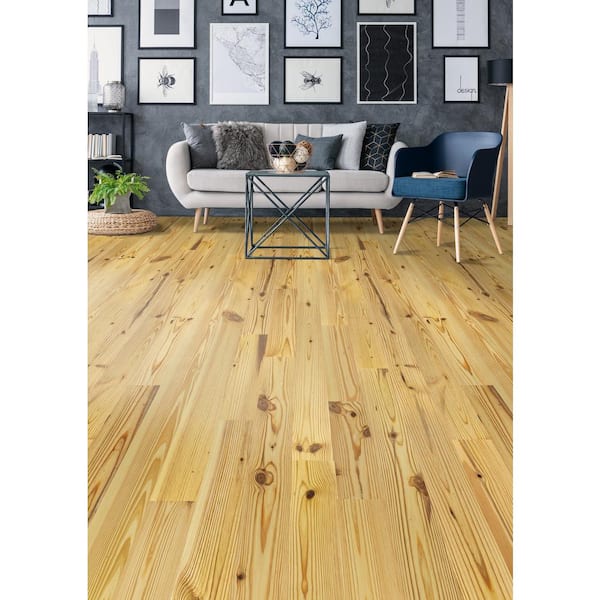
Stain selection dramatically impacts pine’s final appearance, something I learned through extensive sampling. Pine’s resinous nature can create blotchy stain absorption, especially with darker colors. I discovered that pre-conditioning with wood conditioner creates more even stain penetration. For my project, I chose a clear natural finish to highlight the wood’s inherent beauty and honey-colored patina rather than fighting against the pine’s natural characteristics.
Polyurethane versus natural oil finishes presented different benefits for my specific needs. I used water-based polyurethane in high-traffic areas for maximum protection against wear and moisture. For the bedroom, I chose a natural oil finish that enhances the wood’s warmth while allowing easy spot repairs. Oil finishes require more maintenance but create a more natural appearance and feel that complements pine’s rustic character perfectly.
Multiple coat application became essential for achieving lasting protection on my pine floors. I learned that pine’s porosity requires additional coats compared to harder woods. Three coats of finish became my standard, with light sanding between each coat. Taking time for proper cure periods between coats ensures maximum durability and prevents the cloudy appearance that results from rushing the finishing process.

Maintenance and Care: Keeping Pine Looking Beautiful
Daily maintenance routines protect pine floors from unnecessary damage while preserving their natural beauty. I sweep daily with a soft-bristled broom or microfiber dust mop to remove grit that can scratch the soft surface. Felt pads under all furniture legs prevent denting and scratching during normal use. I learned to lift rather than drag furniture, and area rugs in high-traffic zones help distribute weight and reduce wear patterns.
Deep cleaning requires gentle products specifically designed for hardwood floors. I avoid harsh chemicals and excessive water that can damage pine’s soft fibers or raise the grain. A barely damp mop with pH-neutral wood cleaner handles most cleaning needs effectively. For stubborn spots, I use minimal moisture and work quickly to prevent water penetration. Pine floors should never be soaking wet during cleaning.
Seasonal maintenance addresses the pine’s natural movement with humidity changes. I monitor indoor humidity levels and use humidifiers during dry winter months to prevent excessive shrinkage and gapping. During humid summers, dehumidifiers help prevent cupping and expansion issues. I inspect floors seasonally for loose boards or finish wear, addressing small problems before they become major repairs requiring professional intervention.
Durability and Character: Embracing Pine’s Unique Personality
Denting and scratching acceptance became part of living with pine floors that I initially struggled with, but now embrace. Pine develops character marks over time that add to its rustic charm rather than detracting from its beauty. I learned to view these marks as part of the floor’s story rather than flaws to be prevented. Dog nails, dropped objects, and furniture movement create a lived-in patina that perfectly matches my home’s casual atmosphere.
Repair and refinishing capabilities offer long-term value that harder woods can’t match. Pine’s softness makes spot repairs easier when damage occurs. I can sand out minor scratches and dents without professional help, something much more difficult with oak or maple. Complete refinishing is also more forgiving with pine, allowing multiple refinishing cycles over the floor’s lifetime to accommodate changing tastes or significant wear.
Age and patina development create increasing beauty over time that initially surprised me. My pine floors look better today than when first installed, developing rich honey tones and subtle character that only improve with age. The natural aging process creates depth and warmth that no stain can replicate. This maturation makes pine floors a long-term investment in beauty rather than just a functional surface covering.

Cost Analysis: Value and Investment Considerations
Initial material costs made pine an attractive option compared to traditional hardwood choices. Quality heart pine costs roughly 30% less than comparable oak or maple flooring. New pine boards offered even greater savings while still providing real hardwood benefits. However, I learned that installation costs remain similar regardless of species, so material savings don’t necessarily translate to dramatically lower total project costs.
Long-term value considerations include maintenance costs and refinishing frequency. Pine floors may require refinishing more often than harder species, but the process is typically less expensive and easier. I budget for refinishing every 8-10 years compared to 15-20 years for oak. The trade-off between initial savings and long-term maintenance costs works favorably for my situation, but may not suit everyone’s preferences or lifestyle.
Return on investment varies significantly by market and application. In rustic or cottage-style homes, pine flooring enhances the overall aesthetic and can increase property value. In formal or contemporary settings, pine might be viewed less favorably by potential buyers. I chose pine, knowing it perfectly suited my home’s character and my personal preferences, accepting that it might not appeal to all future buyers.
How soft is pine compared to other hardwood flooring options, and will it dent easily?
Pine is significantly softer than oak, maple, or cherry, rating around 380-870 on the Janka hardness scale, depending on species. I’ve found it does dent more easily, but I’ve learned to embrace these marks as character. Furniture pads, area rugs in high-traffic zones, and reasonable care prevent most damage while allowing the natural patina to develop beautifully.
Can pine flooring work in kitchens and bathrooms, or is it too moisture-sensitive?
I wouldn’t recommend pine in full bathrooms due to moisture concerns, but it can work in powder rooms with proper sealing and ventilation. In my kitchen, sealed pine performs adequately with prompt spill cleanup. The key is excellent finishing and immediate attention to any water exposure. Consider engineered pine for better moisture stability in borderline applications.

How does the cost of pine flooring compare to other hardwood options?
Pine typically costs 20-40% less than traditional hardwoods like oak or maple for materials. Heart pine or reclaimed pine can cost more due to scarcity and character. Installation costs remain similar across species. I found the overall project cost savings significant, though long-term maintenance might be slightly higher due to refinishing frequency.
What’s the best way to prevent and repair dents in pine flooring?
Prevention involves furniture pads, area rugs, and careful handling of heavy objects. For repairs, I use a damp cloth and an iron to steam out minor dents; the moisture causes wood fibers to swell back. Deeper damage requires light sanding and spot refinishing. Pine’s softness makes repairs easier than with harder woods.

Does pine flooring work well with pets and children?
Pine handles pet and child activity better than expected, though it shows wear more readily than harder woods. I use area rugs in play areas and keep pet nails trimmed. The forgiving nature of pine means scratches and dents blend into the floor’s character rather than standing out as obvious damage. Regular maintenance keeps it looking good despite active household use.
How often will pine flooring need refinishing compared to traditional hardwoods?
I plan to refinish my pine floors every 8-10 years compared to 15-20 years for harder species. However, pine refinishes more easily and typically costs less due to its softness. Spot repairs between full refinishing extend the time between major work. The trade-off between refinishing frequency and ease of maintenance works well for my situation and budget.

Pine Flooring: The Pros and Cons
Expert Tips for Buying Heart Pine Flooring – Longleaf Lumber
Tung oil on wood floors a review 2 years later – NewlyWoodwards

Reviews for Beasley Wire-Brushed New Heart Pine 1/2 in. Thick x 7
Heart Pine Flooring: Pros and Cons, Cost and Prices

Related Posts: