When my contractor first suggested porcelain tile for my garage floor, I almost laughed out loud. The idea of installing delicate ceramic tiles in a space meant for cars, tools, and general abuse seemed completely ridiculous. Two years later, walking across my pristine porcelain floor while my neighbors struggle with cracked concrete and peeling epoxy coatings, I realize how wrong my initial assumptions were. This transformation taught me that modern porcelain tiles are engineering marvels designed to handle extreme conditions while maintaining beauty that rivals any indoor flooring installation.
The Research That Completely Changed My Perspective
My journey began with skepticism about porcelain’s durability in garage environments. Initial research revealed that modern porcelain tiles are manufactured using advanced techniques that create incredibly dense, non-porous surfaces capable of withstanding impacts that would destroy natural stone. The breakthrough came when I learned about rectified edges and through-body construction that eliminates weak points common in traditional ceramic materials.
Technical specifications impressed me more than aesthetic considerations initially. Porcelain’s freeze-thaw resistance made it ideal for my unheated garage, while its chemical resistance would handle automotive fluids and cleaning products without staining or etching. The slip-resistance ratings exceeded requirements for commercial kitchens, providing confidence that wet conditions wouldn’t create safety hazards for my family.
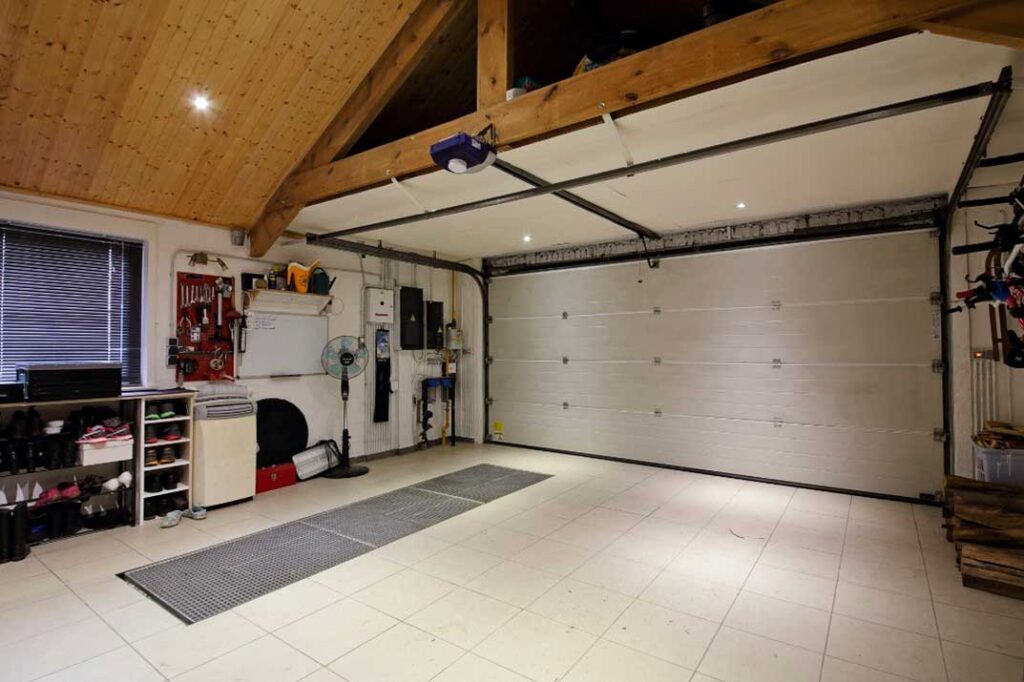
Visiting showrooms revealed design possibilities I hadn’t considered previously. Large-format tiles minimized grout lines that could collect dirt, while wood-look and concrete-look options offered sophisticated aesthetics that transformed garage spaces into an extension of living areas. I selected 24×24-inch tiles in a subtle gray with slight texture that would hide tire marks while maintaining a professional appearance.
Installation Challenges That Tested Every Assumption
Surface preparation required more precision than typical garage projects. My concrete floor needed perfect leveling since porcelain tiles show every imperfection underneath. I hired professionals to grind high spots and fill low areas with self-leveling compound, creating the flat surface essential for preventing tile cracking under load. This preparation phase consumed two weeks and added significant cost to the project.
The installation process demanded specialized techniques and tools I didn’t possess. Professional installers used large-format tile handling equipment and high-performance adhesives designed for extreme conditions. They worked methodically to ensure perfect alignment and consistent spacing, as any mistakes would be permanently visible in the finished floor. Weather conditions affected adhesive curing, requiring precise timing and temperature control.
Cutting tiles for edges and obstacles required diamond-blade wet saws and considerable skill to achieve clean edges without chipping. My installer’s expertise showed in details like perfectly mitered corners and precise cuts around floor drains. These finishing touches elevated the installation from functional flooring to an architectural feature that enhanced my garage’s overall appearance and value.
Performance Under Real Garage Conditions
Six months of use revealed porcelain’s exceptional durability under conditions that would destroy lesser materials. Dropped wrenches, dragged toolboxes, and hot tire contact left no visible marks on the surface. Chemical spills from automotive fluids are cleaned up easily without staining, while salt and de-icing chemicals cause no damage during winter months when tracked in on vehicle tires.
Temperature extremes tested the material’s stability throughout seasonal changes. Summer heat reaching 100+ degrees and winter cold below freezing caused no cracking, expansion, or contraction issues. The tiles maintained perfect alignment and showed no signs of stress that plagues other flooring materials in uncontrolled environments. This thermal stability exceeded my expectations based on the manufacturer’s specifications.
Cleaning became remarkably simple compared to my previous concrete floor. Weekly mopping with standard floor cleaners removes all dirt and automotive residue, while the non-porous surface prevents oil absorption that permanently stained my old concrete. The professional appearance is maintained easily, making my garage suitable for use as a workshop space when entertaining guests or working on projects.

Unexpected Benefits That Changed How I Use Space
The transformation in my garage’s functionality surprised me completely. What previously felt like utilitarian storage space now functions as extended living area where I’m comfortable spending time on projects. The clean, finished appearance encouraged better organization and maintenance habits that improved the entire space’s efficiency and enjoyment. Friends consistently comment on the professional look that rivals commercial showrooms.
Thermal properties provided comfort benefits I hadn’t anticipated. The porcelain surface feels warmer underfoot than concrete during cold months, while remaining cool during summer heat. This improved comfort makes extended work sessions more pleasant and reduces fatigue from standing on hard surfaces. The difference is particularly noticeable during winter projects when concrete floors become painfully cold.
Property value impact exceeded my investment significantly. Recent appraisals credited the garage upgrade with substantial value addition, as finished garages appeal to buyers seeking workshop space or additional storage. The professional installation and quality materials created a selling point that differentiates my property from others with basic concrete floors. Real estate agents consistently praise the upgrade during property tours.
Maintenance Routines That Keep It Looking Perfect
Daily maintenance requires nothing more than sweeping to remove debris that might scratch the surface. The smooth, non-porous finish releases dirt easily, preventing accumulation that could dull the appearance over time. I use a microfiber dust mop for quick cleaning between more thorough maintenance sessions, which effectively removes fine particles without requiring water or chemicals.
Weekly deep cleaning involves mopping with pH-neutral cleaners designed for porcelain surfaces. I avoid acidic or abrasive products that could damage grout or dull the tile finish. The sealed grout lines resist staining and clean easily with standard household cleaners. This routine maintains the showroom appearance that initially attracted me to porcelain over other garage flooring options.
Seasonal maintenance includes thorough inspection of grout lines and resealing as needed to prevent moisture infiltration. I apply grout sealer annually to maintain stain resistance and prevent deterioration from freeze-thaw cycles. This preventive maintenance protects my investment while ensuring continued performance under demanding garage conditions. The time investment is minimal considering the protection provided.

Long-Term Satisfaction and Investment Analysis
Two years after installation, I remain completely satisfied with my decision to choose porcelain tile for garage flooring. The combination of durability, aesthetics, and functionality has transformed how I use the space while providing lasting value that justifies the initial investment. Minor chips from extreme impacts are barely visible and easily repaired, while the overall appearance remains virtually unchanged from installation day.
Cost analysis reveals favorable long-term economics despite higher upfront expense compared to basic alternatives. The elimination of periodic resealing, repainting, or replacement required by other garage flooring options creates ongoing savings. Additionally, the improved functionality and appearance justify the premium pricing through enhanced property value and personal satisfaction with the space.
If I were making this decision again, I would choose porcelain tile without hesitation. The performance has exceeded expectations in every category, from durability and maintenance to aesthetics and functionality. I frequently recommend this option to friends considering garage upgrades, particularly those who value long-term investment over short-term cost savings. The transformation has been remarkable and continues to provide daily satisfaction.

How much does porcelain tile garage flooring cost compared to epoxy or concrete staining?
My 600-square-foot garage cost $4,800 installed for porcelain tile, including surface preparation and professional installation. Epoxy coating quotes ranged from $1,200-2,400, while concrete staining estimates were $800-1,500. However, porcelain’s longevity justifies the higher cost by eliminating maintenance and replacement cycles. Quality epoxy requires reapplication every 3-5 years, while concrete staining fades and chips over time. Porcelain should last decades with minimal maintenance, making it cost-effective long-term despite a higher initial investment.
Can porcelain tiles crack or chip under heavy garage use and vehicle traffic?
Quality porcelain tiles resist cracking and chipping remarkably well under normal garage conditions. My floor has handled dropped tools, heavy equipment, and daily vehicle traffic without visible damage. However, extreme impacts from very heavy objects or sharp tools can cause chips, particularly at edges. Proper installation over a level substrate is crucial for preventing stress cracks. Through-body porcelain hides minor damage better than surface-glazed options. Overall durability far exceeds ceramic tile and rivals natural stone while offering superior stain resistance.
What type of maintenance is required to keep porcelain garage floors looking good?
Maintenance is surprisingly minimal compared to other garage flooring options. I sweep weekly and mop monthly with standard pH-neutral cleaners. The non-porous surface resists oil stains and chemical damage that plague concrete floors. Grout lines require annual sealing to prevent moisture infiltration and staining. Avoid acidic cleaners that can damage grout or dull tile surfaces. Snow removal and salt exposure cause no damage, unlike some concrete treatments. The professional appearance maintains easily with basic cleaning routines.
How does porcelain tile handle temperature extremes in unheated garage spaces?
Porcelain’s excellent freeze-thaw resistance makes it ideal for unheated garages experiencing temperature extremes. My garage ranges from below freezing to over 100 degrees annually without any tile movement, cracking, or damage. The dense, non-porous structure prevents water absorption which causes freeze damage in other materials. Thermal expansion is minimal and accommodated by grout joints when properly installed. This stability surpasses concrete and eliminates seasonal maintenance required by epoxy coatings that can become brittle in cold weather.

Can you install porcelain tile over existing concrete garage floors?
Yes, but proper surface preparation is critical for success. My existing concrete required grinding to remove oils, sealers, and surface contaminants that prevent adhesion. Low spots needed filling with self-leveling compound to create a perfectly flat substrate essential for large-format tiles. Cracks require repair to prevent telegraphing through tile installation. Professional assessment determines if existing concrete is suitable or needs extensive preparation. Proper installation over prepared concrete provides excellent results, but shortcuts in preparation lead to expensive failures.
Do porcelain garage floors become slippery when wet from rain or snow?
I chose textured porcelain specifically to address slip concerns, and it performs excellently in wet conditions. The surface provides good traction even when wet from melting snow or rain tracked in on vehicles. Smooth, polished tiles would be slippery, but textured options offer safety comparable to concrete while maintaining easy cleaning. The key is selecting an appropriate surface finish during material selection. Most manufacturers offer various texture levels for different applications. My slightly textured surface balances safety with cleanability perfectly for garage use.
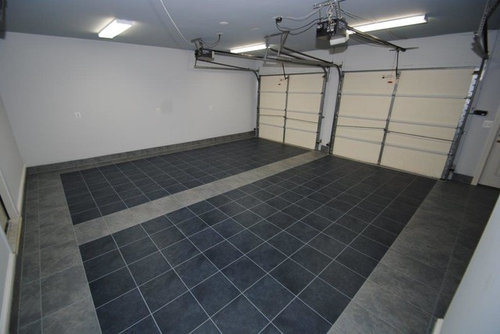
Laying Porcelain tile for garage floor

Garage Renovation Update
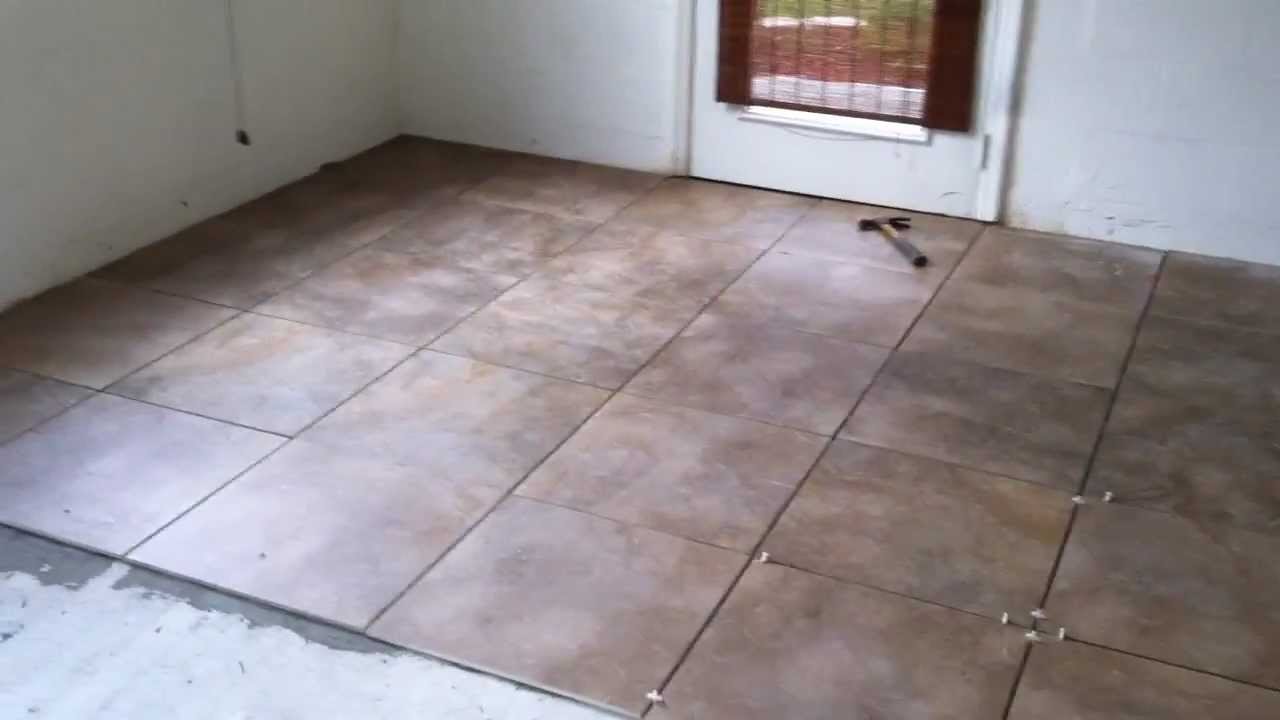
Garage flooringanyone using porcelain tile

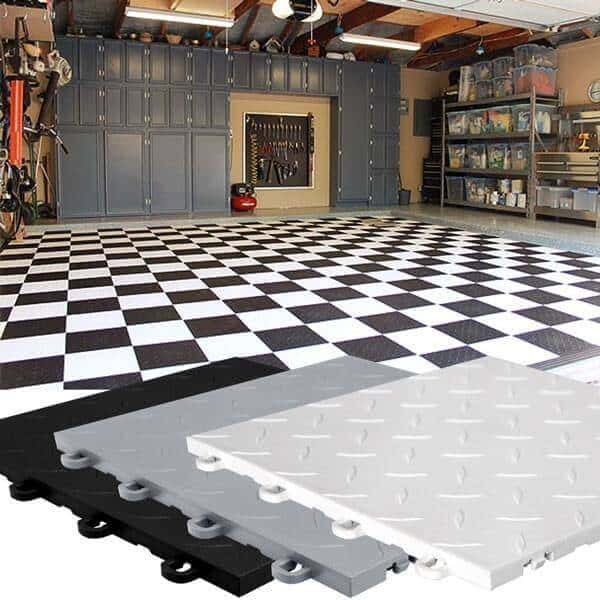
Diamond Top Garage Floor Tiles – 12 x 12 in
Related Posts: