My first encounter with polished concrete floors in a residential setting completely changed my perspective on this utilitarian material. Walking into my architect friend’s loft, I expected the typical cold, industrial feel associated with concrete. Instead, I discovered a warm, sophisticated surface that reflected light beautifully and felt surprisingly comfortable underfoot. This revelation sparked my exploration into residential concrete applications, leading me through countless projects where I learned to appreciate concrete’s versatility, durability, and unexpected elegance. The journey taught me that concrete floors can be both practical and beautiful when properly designed and installed.
The Polishing Process: From Rough to Refined
My first polishing project taught me that transforming raw concrete into a mirror-like surface requires patience and precision. I learned that the process involves multiple grinding stages, starting with coarse diamond pads and progressing to increasingly fine grits. Each stage removes scratches from the previous pass while gradually revealing the concrete’s natural beauty. I discovered that proper timing between stages is crucial, as rushing can result in uneven surfaces that require extensive rework.
The chemical densification process fascinated me during my training with concrete professionals. I watched as liquid hardeners penetrated the surface, reacting with calcium hydroxide to create additional calcium silicate hydrate. This chemical transformation significantly increases surface hardness and reduces porosity. I learned that this step is essential for achieving the high-gloss finish that makes polished concrete so appealing in residential applications.
The final polishing stages require specialized equipment and techniques that I gradually mastered through practice. I discovered that planetary grinders work differently from traditional floor grinders, providing more aggressive cutting action and smoother finishes. The transition from grinding to polishing compounds marks a critical point in the process. My experience taught me that patience during these final stages determines whether the floor achieves that coveted glass-like appearance or remains merely smooth concrete.
Staining and Coloring: Adding Character to Concrete
My experimentation with concrete staining opened up exciting design possibilities I never imagined. I learned that acid stains create unique, translucent colors that react chemically with the concrete’s mineral content. Each pour produces slightly different results, making every floor unique. I discovered that the concrete’s age, composition, and surface preparation significantly affect the final color, creating beautiful variations that cannot be replicated with other flooring materials.
Water-based stains offered me greater color control and consistency than acid alternatives. I found that these products penetrate the surface while providing more predictable results. The color palette includes vibrant blues, greens, and reds that acid stains cannot achieve. I learned to layer different stain colors to create complex, multi-dimensional effects that add depth and visual interest to plain concrete surfaces.
The application techniques for staining require careful planning and execution. I discovered that proper surface preparation is crucial for even stain penetration and color distribution. My early attempts resulted in blotchy, uneven coloring that taught me the importance of consistent moisture content and surface porosity. I learned to use neutralizing agents to stop acid stain reactions at the desired color intensity, preventing over-darkening that can ruin the intended effect.
Decorative Patterns: Beyond Plain Concrete
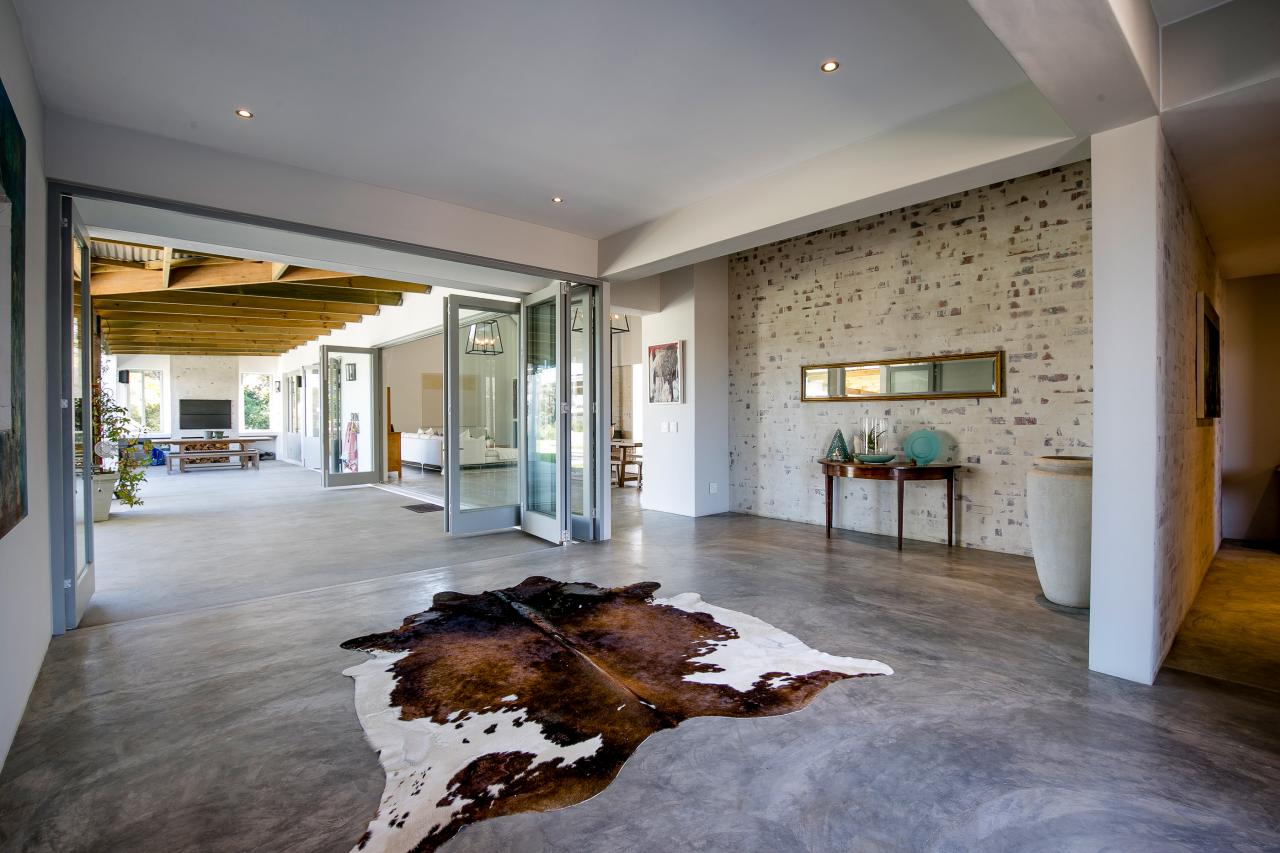
My introduction to decorative concrete patterns came through a stamped overlay project that completely transformed a basic slab. I learned that concrete can mimic virtually any material, from natural stone to brick to wood planks. The stamping process involves pressing textured mats into freshly poured concrete, creating realistic surface patterns. I discovered that timing is critical, as the concrete must be firm enough to hold the pattern but soft enough to accept the impression.
Scoring and engraving techniques allowed me to create custom patterns on existing concrete floors. I learned to use specialized saws and grinders to cut geometric designs, borders, and even intricate artwork into the surface. These techniques work particularly well with stained concrete, as different sections can receive different colors. I found that careful planning and precise execution are essential for professional-looking results.
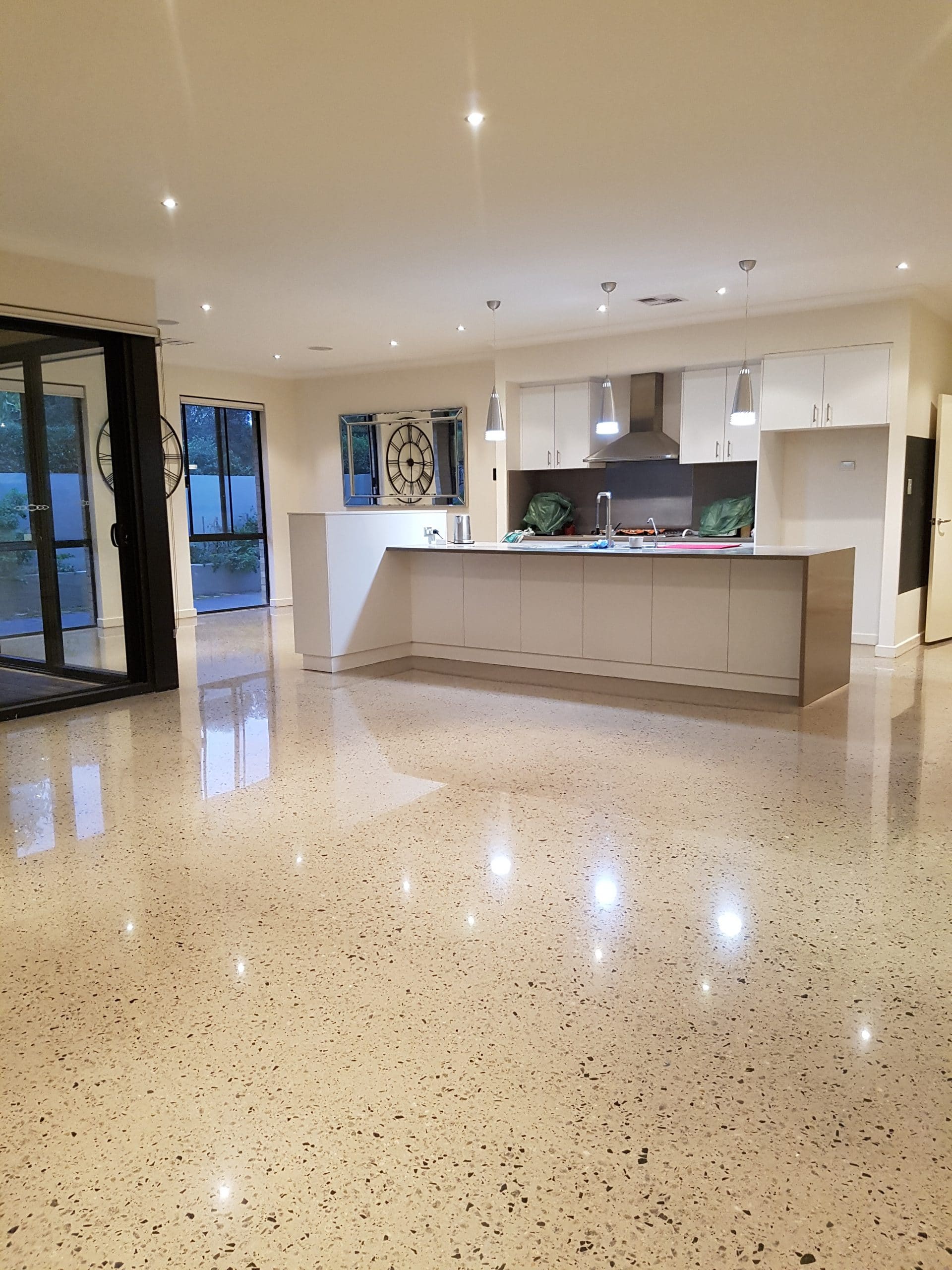
The integration of decorative aggregates expanded my design possibilities significantly. I experimented with colored glass, metallic chips, and crushed stone mixed into the concrete or broadcast onto the surface. These materials create unique textures and visual effects that catch light in interesting ways. My experience taught me that the size and distribution of decorative elements greatly impact the final appearance and that restraint often produces better results than excessive decoration.
Heating Systems: Warm Concrete Comfort
My first radiant heating installation in concrete flooring revealed the perfect marriage of thermal mass and comfort. I learned that concrete’s ability to store and slowly release heat makes it ideal for radiant systems. The installation process involves embedding heating tubes or cables within the concrete slab, creating an invisible heating system that provides consistent warmth. I discovered that proper insulation beneath the slab is crucial for system efficiency and performance.
The thermal performance of heated concrete floors impressed me throughout multiple heating seasons. I found that the system provides gentle, even heat that eliminates cold spots and drafts common with forced-air systems. The concrete’s thermal mass moderates temperature swings, maintaining comfortable conditions with minimal energy input. I learned that the system’s responsiveness can be adjusted through proper controls and zoning strategies.
The integration of radiant heating with decorative concrete techniques requires careful coordination and planning. I discovered that heating elements must be properly protected during staining, polishing, and other surface treatments. The additional thickness required for embedded heating systems affects floor elevation and transitions to other surfaces. My experience taught me that successful integration requires collaboration between heating specialists and concrete professionals from the project’s beginning.

Maintenance and Longevity: Caring for Concrete
My experience maintaining polished concrete floors revealed their surprisingly low maintenance requirements. I learned that regular dust mopping and occasional damp cleaning with pH-neutral products keep the surface looking pristine. The sealed, non-porous surface resists staining and harbors no bacteria or allergens. I discovered that proper maintenance extends the floor’s life significantly while preserving its appearance and performance characteristics.
The resealing process became routine in my concrete floor maintenance schedule. I learned that high-traffic areas require more frequent resealing to maintain their protective barrier and appearance. The process involves cleaning the surface thoroughly, applying new sealer, and allowing proper curing time. I found that quality sealers provide years of protection when properly applied and maintained.
Damage repair techniques for concrete floors proved more complex than I initially expected. I learned that minor scratches and chips can often be repaired through repolishing or patching compounds. However, major damage may require section replacement or complete refinishing. My experience taught me that preventive maintenance and protective measures are more cost-effective than reactive repairs, especially for decorative concrete installations.

Cost Considerations: Investment in Durability
My cost analysis of concrete floors revealed their excellent long-term value despite higher initial installation costs. I compared concrete to other flooring options and found that while upfront costs may be 20-50% higher than basic alternatives, the durability and low maintenance requirements provide significant savings over time. The lifespan of properly installed concrete floors can exceed 50 years with minimal maintenance, making them cost-effective investments.
The pricing variables for concrete floors taught me about the importance of detailed specifications and quality materials. I learned that factors like surface preparation, decorative treatments, and finishing complexity significantly impact total costs. Basic polished concrete costs $3-8 per square foot, while decorative options can reach $15-25 per square foot. My experience showed that investing in quality installation and materials pays dividends in long-term performance and appearance.
The return on investment for concrete floors became apparent through increased property values and reduced maintenance costs. I found that buyers appreciate concrete floors’ durability, unique appearance, and low maintenance requirements. The energy efficiency of radiant-heated concrete systems provides additional value through reduced heating costs. My analysis confirmed that concrete floors represent excellent investments in both residential comfort and property value.

Are concrete floors suitable for all areas of a home, including bedrooms and bathrooms?
Concrete floors work well in most residential areas when properly designed and installed. I’ve successfully used them in kitchens, living rooms, and even bedrooms with radiant heating for comfort. In bathrooms, proper waterproofing and slip-resistant finishes are essential for safety and durability. The key is selecting appropriate sealers and finishes for each area’s specific requirements. Bedrooms benefit from radiant heating systems to eliminate the cold feeling often associated with concrete. With proper preparation and finishing, concrete floors provide beautiful, durable surfaces throughout the home.
How do concrete floors perform in terms of comfort and warmth compared to traditional flooring materials?
Concrete floors feel cold without radiant heating, but provide excellent thermal mass when heated systems are installed. I’ve found that radiant-heated concrete floors offer superior comfort compared to traditional heating methods, providing gentle, consistent warmth from the ground up. The thermal mass helps moderate temperature swings and reduces energy consumption. Without heating systems, concrete requires area rugs or other warming elements for comfort. The surface hardness may cause fatigue during extended standing, but quality mats and proper footwear address this concern effectively.
What are the main disadvantages or challenges of installing concrete floors in residential settings?
The primary challenges I’ve encountered include the permanent nature of concrete installation, the potential for cracking, and the initial cold feeling without heating. Installation requires skilled professionals and proper subgrade preparation to prevent future problems. The process is messy and time-consuming, often requiring homeowners to vacate during installation. Concrete floors are unforgiving of dropped objects and may crack due to settling or thermal movement. Sound transmission can be an issue in multi-story homes without proper insulation. Despite these challenges, proper planning and installation minimize most concerns.
How long does the installation process typically take for residential concrete floors?
The installation timeline depends on the project’s complexity and decorative elements involved. I’ve found that basic polished concrete installation takes 3-5 days for surface preparation, polishing, and sealing. More complex projects with staining, patterns, or radiant heating require 1-2 weeks for completion. The curing process adds additional time, as concrete needs 28 days to reach full strength. Weather conditions affect scheduling, particularly for outdoor or unheated spaces. My experience shows that proper planning and realistic timelines prevent rushed work that can compromise quality and long-term performance.

Can existing concrete slabs be converted to polished concrete floors, or do they require replacement?
Most existing concrete slabs can be successfully converted to polished floors with proper evaluation and preparation. I’ve transformed garage floors, basement slabs, and old industrial spaces into beautiful residential floors. The key factors are the concrete’s condition, thickness, and surface quality. Some slabs require repairs or overlays before polishing can begin. Age and previous treatments may affect the final appearance and polishing success. My assessment process includes testing core samples and evaluating the existing slab’s suitability. With proper preparation, most concrete slabs can be successfully converted to attractive residential floors.
What maintenance is required to keep concrete floors looking their best, and how often should it be performed?
Concrete floor maintenance is surprisingly simple but requires consistency for optimal results. I recommend daily dust mopping or sweeping to remove abrasive particles that can dull the surface. Weekly damp mopping with pH-neutral cleaners maintains cleanliness without damaging the sealer. Monthly deep cleaning with specialized concrete cleaners removes stubborn stains and buildup. Annual resealing protects the surface and maintains its appearance, though high-traffic areas may require more frequent attention. My maintenance schedule has kept concrete floors looking new for years while requiring minimal time and effort compared to other flooring materials.
Pros And Cons Of Concrete Flooring
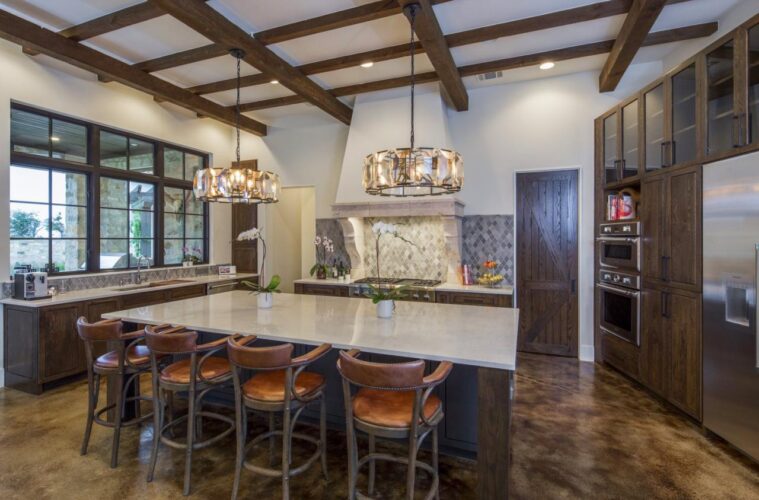
Pros And Cons Of Concrete Flooring
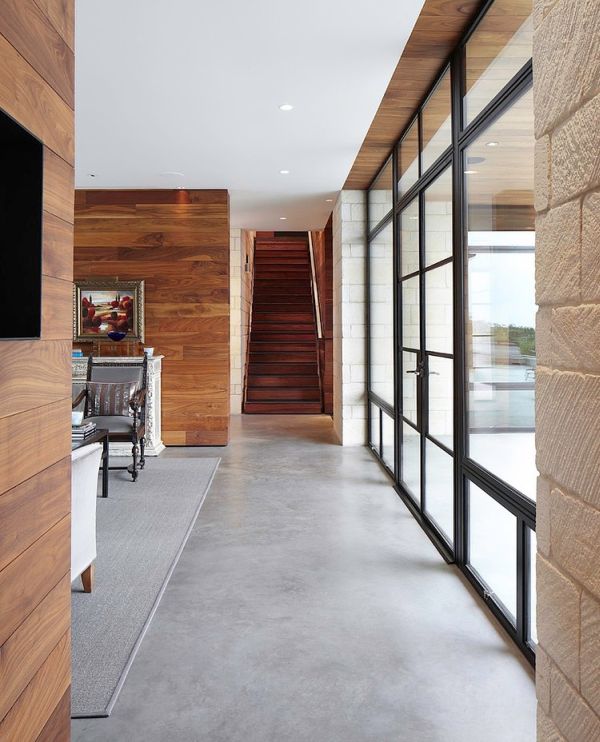
Polished Concrete Floors (Benefits, Applications & Maintenance)
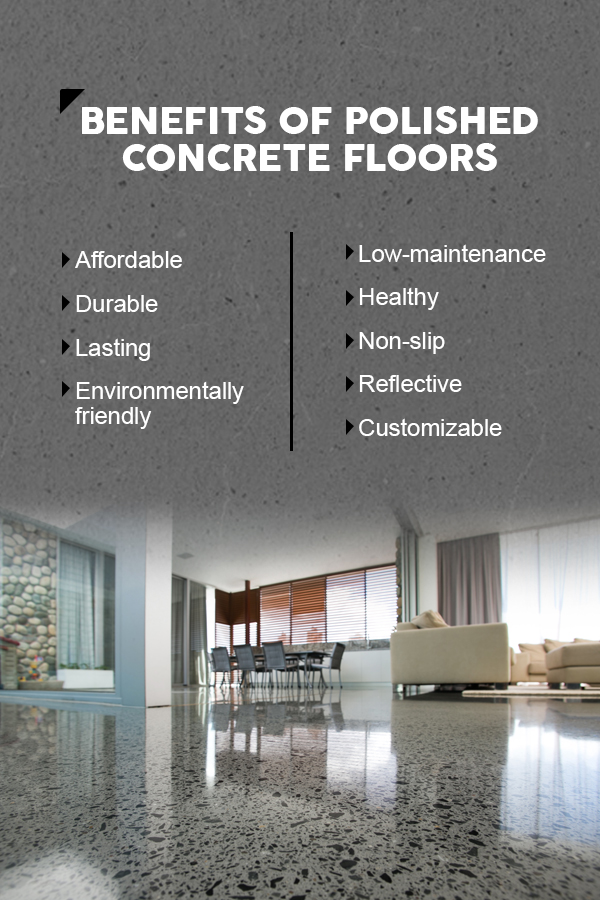
Concrete Floors – Pros & Cons of Concrete Flooring
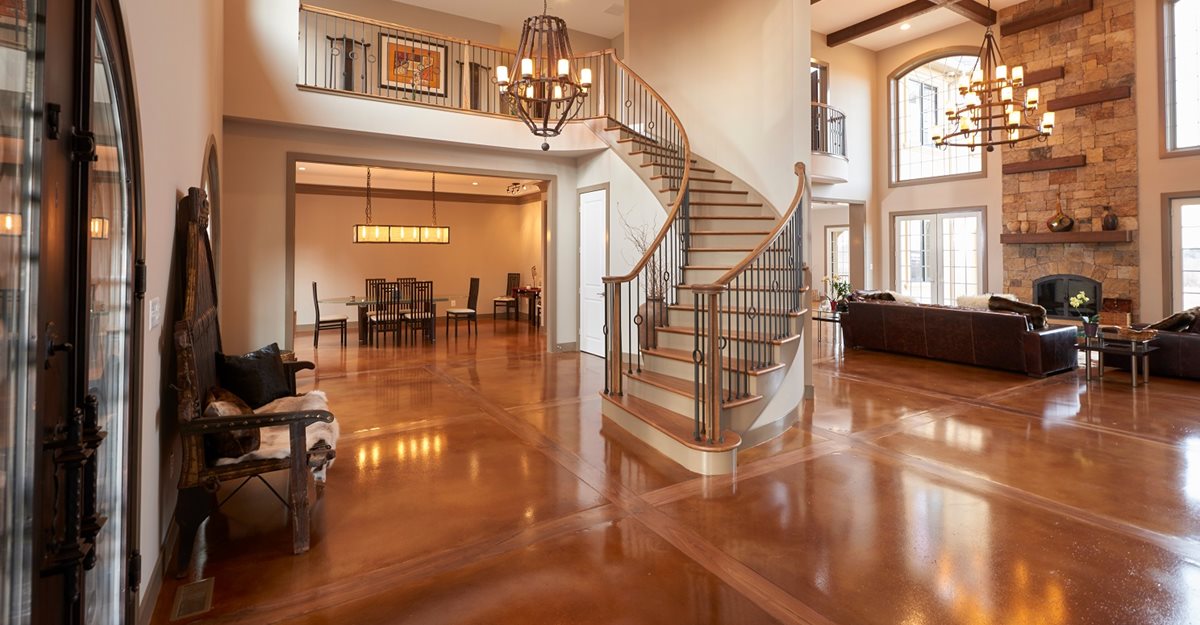
Pros And Cons Of Concrete Flooring
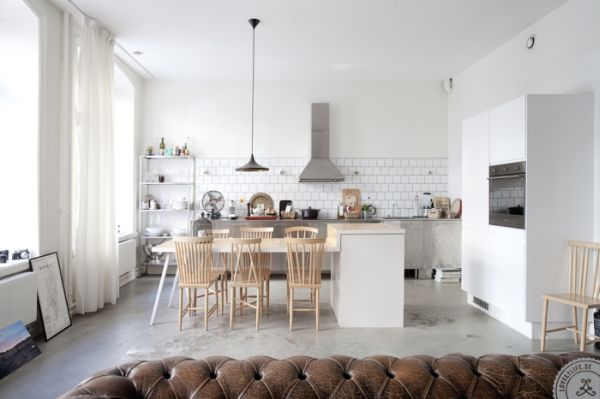
Concrete Flooring Quarto contemporâneo

Related Posts: