When I first heard about stained bamboo flooring three years ago, I was skeptical. I thought bamboo was just a trendy, eco-friendly option that would sacrifice durability for sustainability. But after living with carbonized bamboo floors throughout my main level for over two years now, I can honestly say it was one of the best home improvement decisions I’ve ever made. The rich, coffee-colored stain has held up beautifully through daily life with two kids and a dog, while giving me peace of mind about my environmental impact.
Understanding Different Bamboo Staining Options
My first surprise when shopping for bamboo flooring was discovering how many staining options were available. I initially assumed bamboo only came in its natural blonde color, but manufacturers offer everything from honey tones to deep espresso finishes. I spent weeks comparing samples, and what struck me most was how each stain brought out different characteristics in the bamboo grain. The darker stains highlighted the distinctive node patterns that make bamboo so visually interesting.
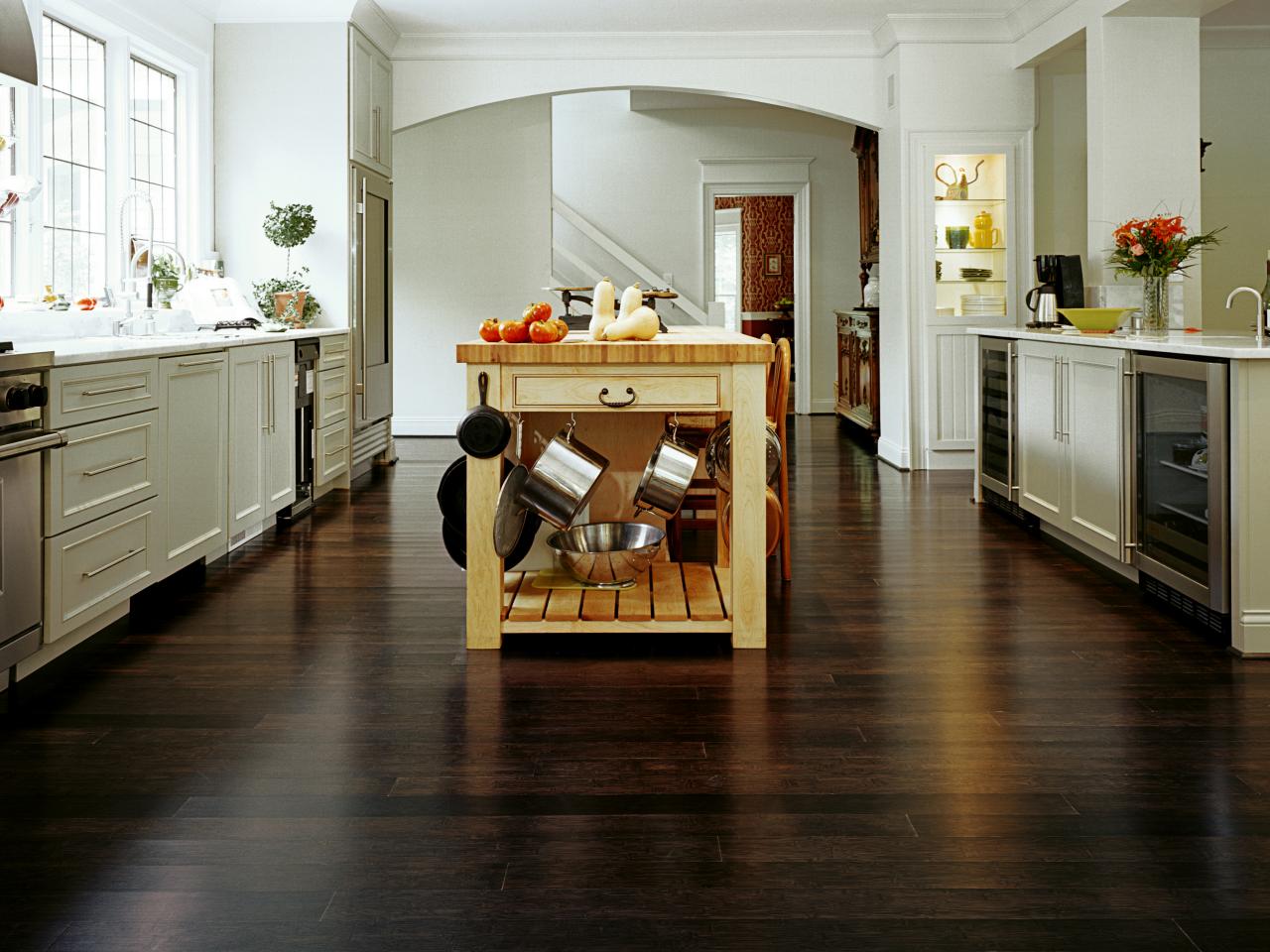
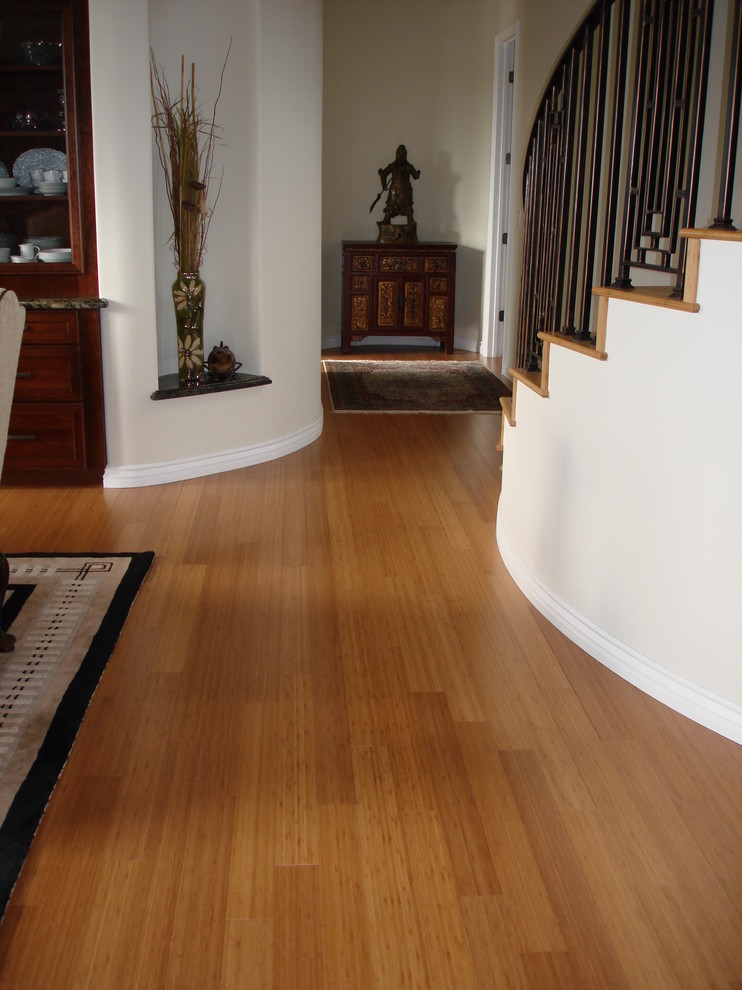
I ultimately chose a carbonized finish, which creates that beautiful caramelized color through a heat treatment process rather than chemical staining. This method actually changes the bamboo’s cellular structure, creating those gorgeous amber and chocolate tones I fell in love with. The process does make the bamboo slightly softer than natural bamboo, but after two years of heavy use, I haven’t noticed any significant wear issues in my high-traffic areas.
What I learned is that stained bamboo offers incredible versatility for different design styles. My carbonized floors work perfectly with both my rustic farmhouse dining room and my more contemporary living space. The warm brown tones complement virtually any color palette, from cool grays to warm earth tones. I’ve redecorated twice since installation, and the floors have been the perfect neutral foundation each time.
Installation Challenges and Solutions I Encountered
Installing stained bamboo flooring taught me that preparation is absolutely everything. My contractor emphasized the importance of acclimating the bamboo to my home’s humidity levels for at least 72 hours before installation. Living in a humid climate, this step was crucial for preventing expansion and contraction issues later. I learned that bamboo is actually more sensitive to moisture changes than traditional hardwood, so this acclimatization period isn’t optional.
The actual installation process went smoother than I expected, but there were a few surprises. My installer had to use specific nails and spacing techniques designed for bamboo’s unique fiber structure. Unlike hardwood, bamboo can split more easily if you don’t use the right fasteners and pre-drilling techniques. The good news is that most experienced flooring contractors are familiar with these requirements now, so finding qualified help wasn’t as difficult as I feared.
One challenge I didn’t anticipate was matching the stain color across different batches. Even though I ordered all my flooring at once, there were subtle color variations between boxes that became more noticeable under different lighting conditions. My installer mixed planks from different boxes during installation to create a more natural, varied look. This actually turned out better than if everything had been perfectly uniform, adding character and depth to the final result.

Durability Performance in Real-World Conditions
Two years into living with stained bamboo floors, I can honestly report on their real-world performance. My biggest concern was whether the stained surface would wear off in high-traffic areas, but I’ve been pleasantly surprised by how well the color has held up. The carbonization process actually penetrates through the bamboo, so even minor scratches don’t reveal a different color underneath like they would with surface-stained wood.
The scratch resistance has exceeded my expectations, especially considering I have a large dog who runs through the house regularly. While bamboo is technically harder than many traditional hardwoods, it does show different types of wear patterns. Instead of deep gouges, I occasionally see light surface marks that honestly blend right into the natural grain pattern. The stained finish seems to camouflage these minor imperfections better than natural bamboo would.
Moisture resistance has been another pleasant surprise. I accidentally left a plant saucer overflowing on my floor for several hours, and when I discovered it, there was no staining or swelling. The staining process seems to create a more moisture-resistant surface than untreated bamboo. However, I still clean up spills immediately and use coasters religiously, because even durable flooring deserves proper care.

Maintenance Routines That Keep Stained Bamboo Beautiful
Caring for stained bamboo floors has been much simpler than I anticipated. My daily routine consists of sweeping with a microfiber dust mop to remove grit that could cause scratches. Once a week, I damp mop with a pH-neutral cleaner specifically designed for bamboo floors. The key is using minimal moisture, because while stained bamboo is more water-resistant than natural bamboo, it’s still a natural material that can be damaged by excessive moisture.
I learned the hard way not to use traditional wood floor cleaners on my bamboo. The chemical composition can actually dull the stained finish over time. Instead, I invested in a cleaner specifically formulated for bamboo flooring, and the difference in maintaining that rich, stained appearance is noticeable. I also discovered that vinegar-based cleaners, which work well on other floors, can gradually break down bamboo fibers.
Every few months, I apply a bamboo floor polish that refreshes the stained surface and adds an extra layer of protection. This step isn’t necessary, but I’ve found it helps maintain that deep, rich color that attracted me to stained bamboo in the first place. The polish also seems to fill in minor surface scratches, keeping the floors looking newer longer. It’s a small investment of time that pays off in the long-term appearance of my floors.
Cost Analysis and Value Comparison
When I was budgeting for my flooring project, stained bamboo fell right in the middle range of my options. It costs more than laminate but significantly less than solid hardwood, especially exotic species that would give me similar rich coloring. I paid about $4-6 per square foot for the bamboo itself, plus installation costs that were comparable to hardwood installation. The total project came in at roughly 60% of what similar coverage in walnut or cherry would have cost.
The long-term value has been excellent. Unlike engineered hardwood, which can only be refinished once or twice, bamboo can be refinished multiple times if needed. The stained finish has held up so well that I don’t anticipate needing refinishing for many years, but knowing the option exists gives me confidence in my investment. Real estate professionals in my area confirm that quality bamboo flooring adds value to homes, especially with the growing interest in sustainable materials.
What surprised me most was the energy cost savings. Bamboo has natural insulating properties that have made a noticeable difference in my heating and cooling bills. My floors stay comfortable to walk on year-round, unlike the tile they replaced, which was always cold in winter. These ongoing savings help offset the initial investment, making stained bamboo an economically smart choice beyond just the upfront costs.

Environmental Impact and Sustainability Benefits
Choosing stained bamboo was partly motivated by environmental concerns, and researching the sustainability aspects was eye-opening. Bamboo grows incredibly quickly, reaching maturity in 3-5 years compared to 25-100 years for hardwood trees. The harvesting process doesn’t kill the plant, since bamboo regenerates from its root system, making it one of the most renewable flooring materials available.
I was initially concerned that the staining process might involve harmful chemicals, but I learned that carbonization uses only heat and steam, no toxic substances. Even chemically stained bamboo typically uses water-based stains that are much more environmentally friendly than traditional wood staining processes. The manufacturing process also generates less waste than hardwood processing, since more of the bamboo plant can be utilized.
The carbon footprint of my flooring project was significantly lower than it would have been with hardwood, even factoring in shipping from Asia where most bamboo flooring is produced. Bamboo actually absorbs more CO2 during growth than trees, making it carbon-negative before it’s even harvested. Knowing that my beautiful floors are also helping the environment makes me appreciate them even more every day.

How long does the stained color last on bamboo flooring?
After two years, my carbonized bamboo floors still look as vibrant as on installation day. The carbonization process penetrates deep into the bamboo, so the color won’t wear off like surface staining. Even minor scratches don’t reveal different colors underneath. With proper care, I expect the stained appearance to last decades.
Is stained bamboo flooring suitable for high-moisture areas?
I’ve found stained bamboo more moisture-resistant than natural bamboo, but I still wouldn’t install it in full bathrooms or basements. It works great in kitchens and entryways where occasional spills happen. The staining process seems to create a protective barrier, but bamboo is still a natural material that needs reasonable moisture protection.
How does stained bamboo compare cost-wise to hardwood?
Stained bamboo costs about 40% less than comparable hardwood species that would give me similar rich coloring. Installation costs were identical to hardwood. When I factor in durability and the ability to refinish multiple times, the long-term value is excellent. It’s definitely more expensive than laminate but much less than exotic hardwoods.
Can children and pets damage stained bamboo floors easily?
My kids and large dog have been surprisingly gentle on these floors compared to our previous hardwood. The stained finish seems to hide minor scratches better than natural wood. I do keep their nails trimmed and use rugs in play areas, but normal family life hasn’t caused any damage I’d consider significant after two full years of use.

What’s the best way to clean stained bamboo floors?
I sweep daily with a microfiber dust mop and damp mop weekly with bamboo-specific cleaner. Never use regular wood cleaners or vinegar-based products, as they can dull the stained finish. I learned this the hard way! Use minimal water and clean spills immediately. A bamboo polish every few months helps maintain that rich color.
Does stained bamboo flooring add value to homes?
Real estate agents in my area confirm that quality bamboo flooring is viewed favorably by buyers, especially those interested in sustainable materials. The rich appearance of stained bamboo rivals expensive hardwoods at a fraction of the cost. It’s become mainstream enough that buyers don’t see it as an unusual choice anymore, just a smart one.

Engineered parquet floor – PREFINISHED: DARK STAINED
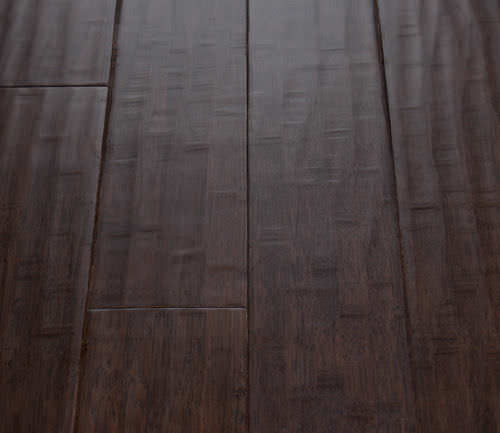
Dark bamboo floor

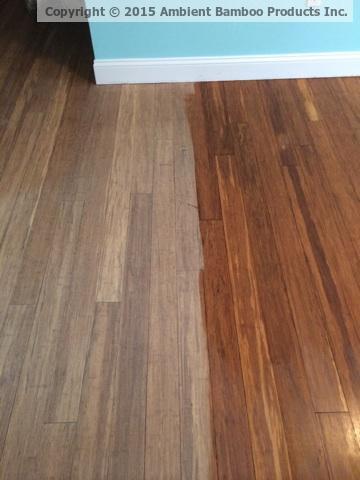
Refinishing Your Bamboo Floors Ambient Building Product
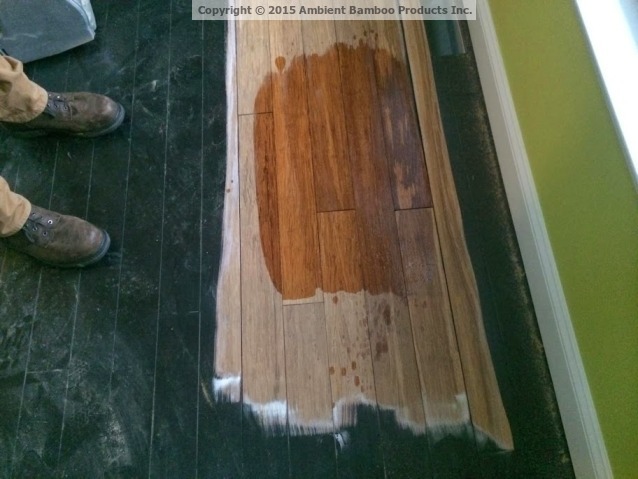
Refinishing Your Bamboo Floors Ambient Building Product
Related Posts: