When I decided to install bamboo flooring in my home last year, I was drawn to the vintage antique finish that gives the material a weathered, aged appearance. I’d been researching sustainable flooring options and fell in love with how antique bamboo combines eco-friendliness with the rich character of reclaimed wood. The installation process taught me so much about this unique material, from understanding different manufacturing techniques to learning proper maintenance routines. Now, eighteen months later, my floors have developed even more beautiful patina, and guests constantly ask about them. Let me share what I’ve learned about choosing, installing, and living with vintage antique bamboo flooring.
Understanding Vintage Antique Bamboo Finishes
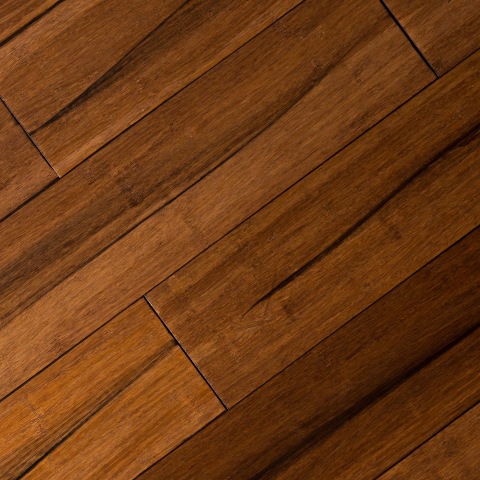
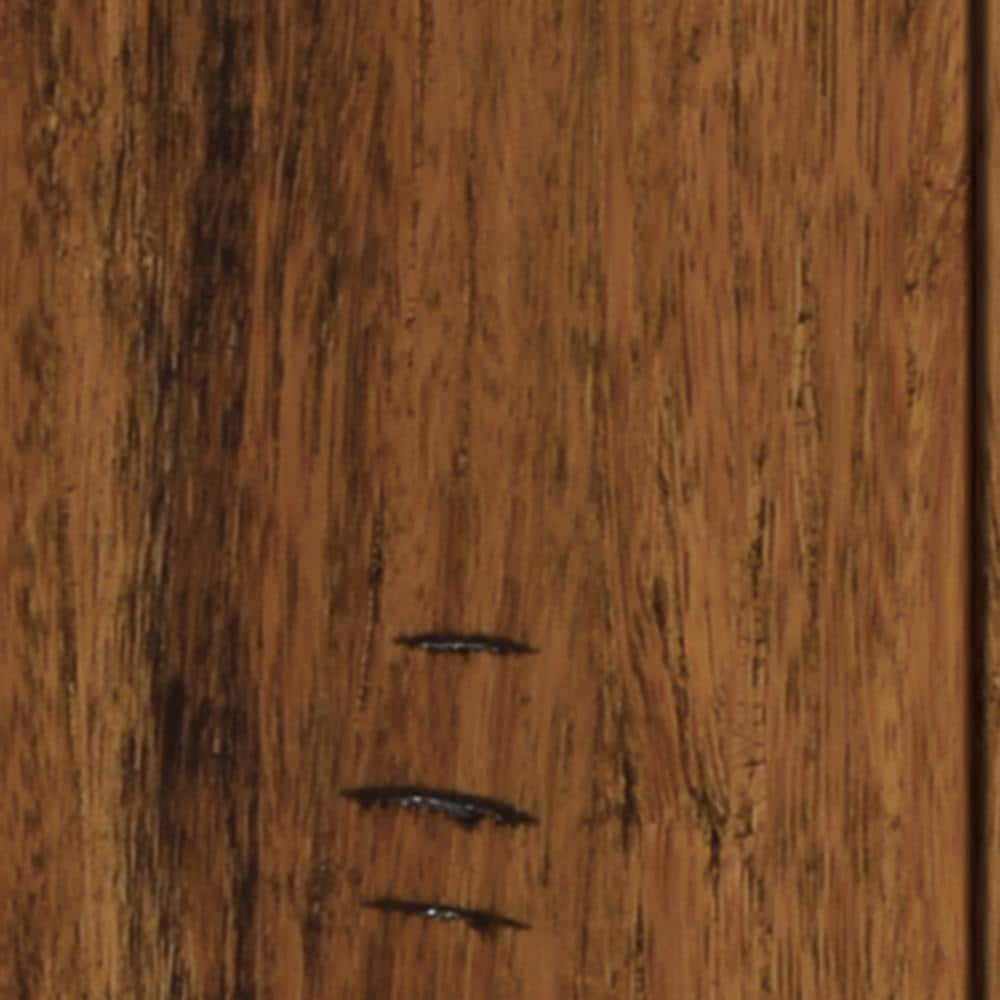
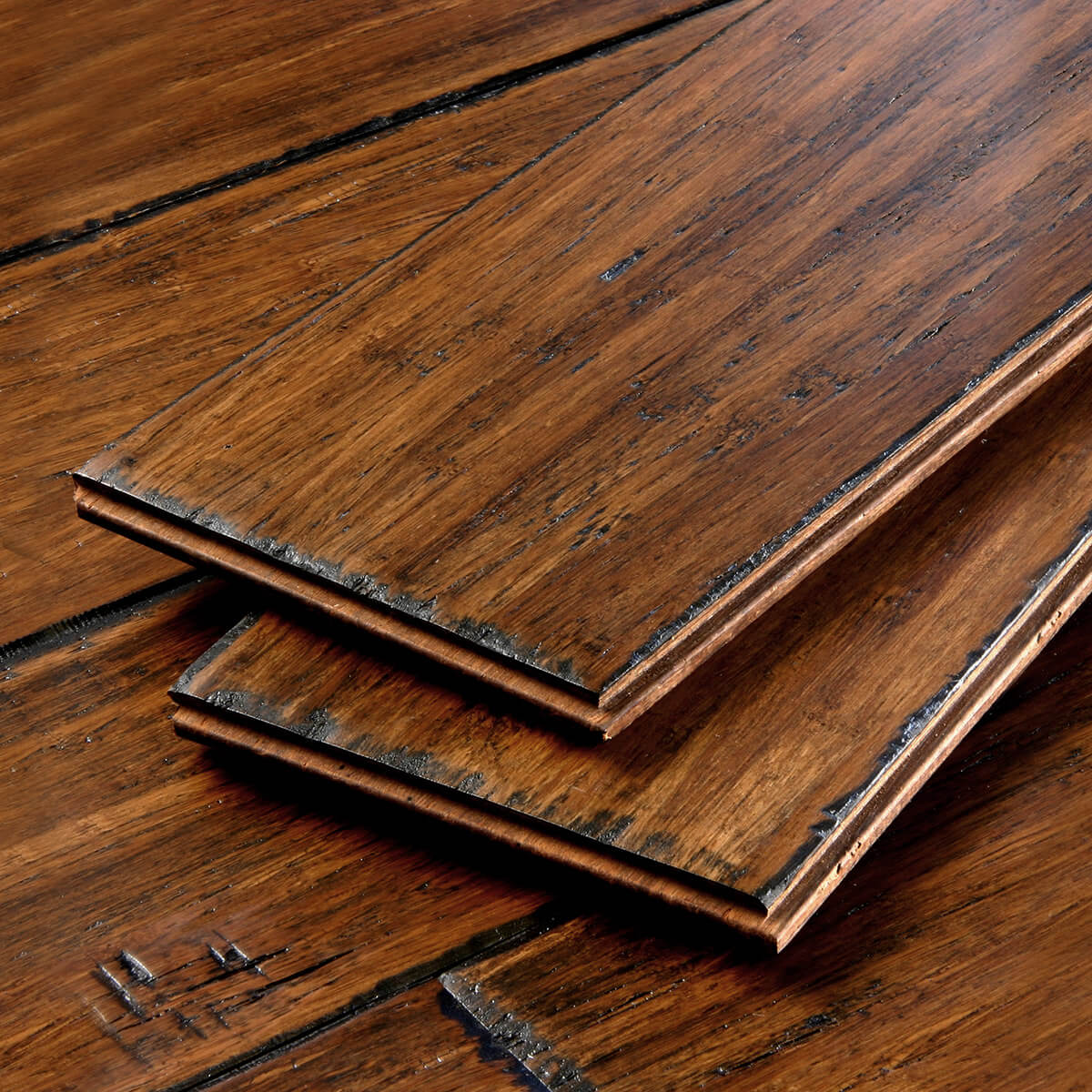
The term “vintage antique” refers to a specific finishing process that gives bamboo flooring an aged, rustic appearance. During my research, I learned that manufacturers achieve this look through hand-scraping, wire-brushing, and special staining techniques that create variations in color and texture. My floors feature this dimensional quality, with some planks appearing lighter honey tones while others show deeper caramel and amber hues that mimic naturally aged wood.
I discovered that the carbonization process plays a crucial role in creating antique bamboo’s distinctive appearance. Manufacturers steam the bamboo under high pressure, which caramelizes the sugars in the material and darkens it naturally. This process creates the warm brown tones associated with vintage finishes. However, I learned that carbonized bamboo is slightly softer than natural bamboo, so I had to weigh aesthetics against durability when making my decision.
The hand-scraped texture on my floors adds tremendous character and helps hide minor scratches and wear. Each plank has subtle irregularities and tool marks that make the floor look like it’s been walked on for decades. This distressed appearance was exactly what I wanted for my farmhouse-style home. The texture also provides slight slip resistance, which I appreciate in my kitchen and hallway areas where smooth floors might be hazardous.
Comparing Bamboo Types and Quality Grades
Not all bamboo flooring is created equal, and I spent considerable time learning about different types before purchasing. Strand-woven bamboo is the hardest and most durable option, created by compressing bamboo fibers under extreme pressure. My floors are strand-woven, rated harder than most hardwoods on the Janka scale. This density gives me confidence that they’ll withstand my active household with kids and pets without showing excessive wear.
Horizontal and vertical bamboo represent the other main construction types I considered. Horizontal bamboo shows the characteristic bamboo nodes and wider grain patterns, creating a more traditional bamboo appearance. Vertical bamboo has a tighter, more uniform grain that resembles conventional hardwood. I chose strand-woven specifically because the antique finish on this construction type creates the most authentic aged-wood appearance with its varied grain patterns and color depth.
Quality grades vary significantly among manufacturers, affecting both appearance and performance. I learned to look for bamboo flooring with formaldehyde-free adhesives and finishes, which is crucial for indoor air quality. My floors carry FloorScore certification, ensuring they meet strict standards for low VOC emissions. I also verified the moisture content was between 6-9%, which is ideal for my climate and prevents future warping or gapping issues.
Selecting the Right Color and Finish Options
Antique bamboo flooring comes in various color tones, from light amber to deep espresso. I chose a medium antique brown finish that complements my existing furniture and cabinetry without being too dark or too light. The color variation within each plank creates visual interest, with some areas appearing almost blonde while others show rich chocolate tones. This natural variation means no two planks look identical, adding to the vintage aesthetic.
The finish options I considered included aluminum oxide, polyurethane, and natural oil finishes. I selected a matte aluminum oxide finish because it offers superior scratch resistance and durability while maintaining the floor’s organic appearance. Glossy finishes felt too modern for the vintage look I wanted, and oil finishes, while beautiful, require more frequent maintenance than I could realistically commit to with my busy schedule.
I requested large samples from three different manufacturers before deciding, which proved essential. The samples allowed me to see how different finishes looked in my home’s natural lighting throughout the day. Morning light made some samples appear too orange, while others looked perfect. I also tested the samples’ durability by deliberately scratching and scuffing them to see how well the finish held up. This hands-on evaluation gave me confidence in my final selection.
Preparing for Installation and Acclimation
Proper acclimation was crucial for successful installation, something I learned from my contractor’s insistence on following protocol. My bamboo flooring arrived in sealed boxes and sat in my home for seven days before installation. This acclimation period allowed the material to adjust to my home’s temperature and humidity levels, preventing future expansion, contraction, or warping. I maintained consistent temperatures between 60-80 degrees during this time.
I prepared my subfloor meticulously because bamboo flooring requires a perfectly level, clean, dry surface. My contractor checked for level using a long straightedge, identifying a few low spots that needed filling with floor leveling compound. We also installed a moisture barrier over my concrete slab, even though moisture readings seemed acceptable. This extra protection prevents any potential moisture issues that could damage the bamboo over time.
Removing my old flooring and baseboards took an entire day but was necessary for proper installation. I saved my original baseboards because they’re solid wood and I planned to reinstall them after the bamboo was down. We thoroughly cleaned the subfloor, removing every bit of debris, old adhesive, and dust. My contractor emphasized that any imperfection in the subfloor would telegraph through the bamboo, potentially causing creaking, unevenness, or premature wear in those spots.
Installation Methods and Professional Tips
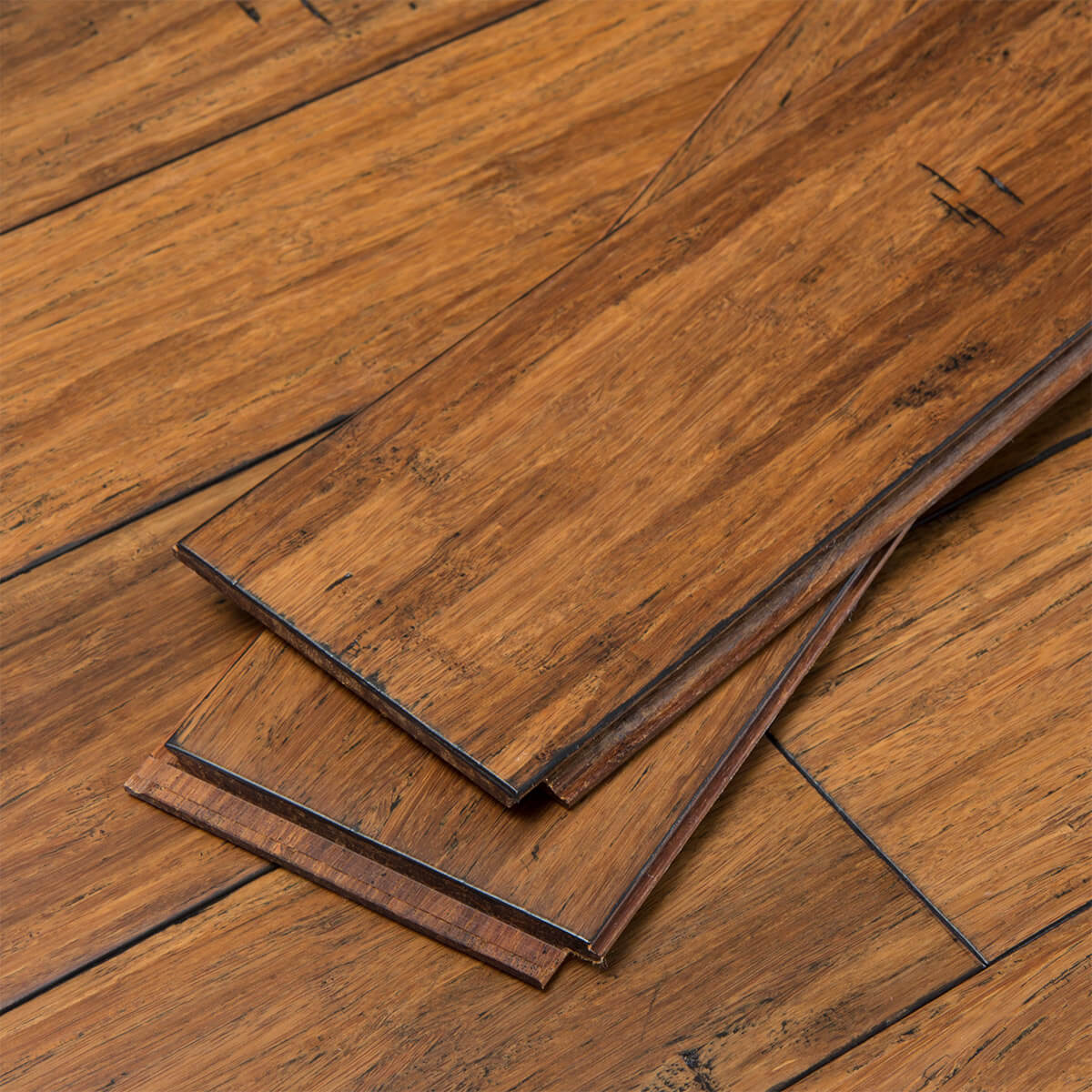
My bamboo flooring uses a tongue-and-groove floating installation, meaning it’s not glued or nailed directly to the subfloor. Instead, planks lock together and float over foam underlayment. This installation method allows for natural expansion and contraction while providing some sound dampening. I chose floating installation because it’s more forgiving for slight subfloor imperfections and easier to repair if individual planks ever need replacement.
The installation started along my longest, straightest wall after establishing a precise starting line. My contractor insisted on this reference line because even slight angles at the beginning compound across the room, potentially resulting in awkward gaps at the far wall. We used spacers around all perimeters to maintain the required expansion gap of half an inch. This gap is essential for bamboo to expand and contract with seasonal humidity changes without buckling.
Cutting and fitting planks around doorways, vents, and transitions required careful measurement and patience. My installer used a jamb saw to undercut door casings, allowing flooring to slide underneath for a seamless look. For heating vents, he created precise templates ensuring proper fit while maintaining expansion gaps. The final steps included installing matching transition strips at doorways and staining quarter-round molding to match my baseboards, hiding expansion gaps while creating polished, professional-looking edges.
Caring for and Maintaining Antique Bamboo Floors
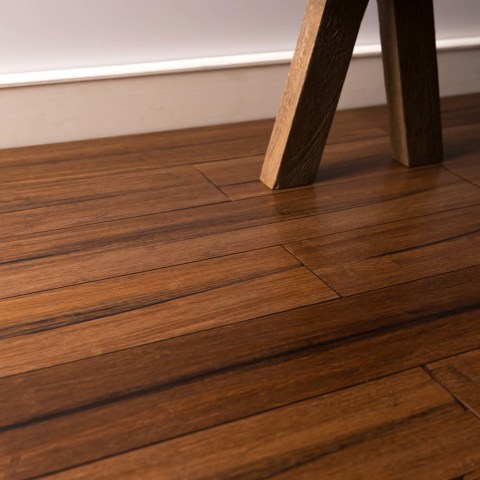
Daily maintenance of my bamboo floors is surprisingly simple. I sweep or vacuum regularly using a soft brush attachment to remove dirt and grit that could scratch the surface. I avoid vacuum beater bars, which can damage the finish over time. For quick clean-ups, I use a microfiber dust mop that attracts and traps particles without pushing them around. This regular light cleaning prevents the buildup of abrasive particles.
For deeper cleaning, I mop monthly using a bamboo floor cleaner diluted according to manufacturer instructions. I learned the hard way not to use excessive water, vinegar solutions, or steam mops, which can damage bamboo flooring. My technique involves wringing the mop nearly dry, then dampening rather than soaking the floor. I work in sections, drying each area with a clean towel before moving on. This prevents water from seeping between planks or sitting on the surface.
I’ve developed strategies for protecting high-traffic areas and preventing damage. Felt pads under all furniture legs prevent scratches when chairs move. Area rugs in my entryway and kitchen catch dirt and moisture before they reach the bamboo. I keep pets’ nails trimmed and wipe their paws after outdoor time. These simple habits have kept my floors looking fantastic despite daily wear from family life. Touch-up kits from the manufacturer allow me to address any scratches that do occur.
How does vintage antique bamboo flooring compare to traditional hardwood in durability?
My strand-woven bamboo floors are actually harder than most hardwoods, including oak and maple. They’ve handled heavy foot traffic, dropped items, and furniture moves remarkably well. The antique finish cleverly hides minor scratches and dents that would be obvious on smooth hardwood. However, carbonized bamboo is slightly softer than natural bamboo, so if maximum hardness is your priority, consider natural bamboo with an antique finish applied afterward.
Is bamboo flooring truly eco-friendly and sustainable?
Bamboo is technically a grass that reaches maturity in 3-5 years versus 20-120 years for hardwood trees, making it highly renewable. However, I learned that sustainability depends on manufacturing practices and transportation. I chose flooring certified by the Forest Stewardship Council with formaldehyde-free adhesives. Some bamboo is harvested and processed responsibly, while other products involve questionable practices, so research your specific brand’s environmental commitments.

How does bamboo flooring handle moisture and humidity changes?
Bamboo is more dimensionally stable than many hardwoods but still responds to moisture and humidity. I maintain indoor humidity between 30-50% using a whole-home humidifier in winter and dehumidifier in summer. My floors have shown minimal gapping or expansion. I would not install bamboo in full bathrooms or basements prone to flooding. However, kitchens and living areas perform well with proper acclimation, installation, and humidity control.
Can I install vintage antique bamboo flooring myself or should I hire professionals?
Floating bamboo installation is DIY-friendly for handy homeowners with the right tools. However, I hired professionals because proper subfloor preparation and precise cutting are crucial. Professional installation cost me $3 per square foot beyond materials but included warranty protection and peace of mind. If you’re experienced with flooring projects and have time for careful work, DIY is feasible. For first-time installers, I’d recommend professional help.
How much does vintage antique bamboo flooring typically cost?
I paid $4.50 per square foot for quality strand-woven antique bamboo, mid-range for this material. Lower-quality options start around $2-3 per square foot but may lack durability or proper certifications. Premium products can exceed $7 per square foot. Installation added $3 per square foot. For my 800-square-foot project, total costs reached approximately $6,000 including materials, installation, and underlayment. This fell between laminate and traditional hardwood pricing.
Will the antique finish wear off over time with regular use?
The antique coloring penetrates through the bamboo during carbonization and staining, so it won’t wear away like a surface coating. The aluminum oxide finish protects against scratches and wear. After eighteen months of use, my floors look essentially identical to installation day. The hand-scraped texture and color variations actually help disguise the minor wear that does occur. Proper maintenance preserves the finish indefinitely, though refinishing is possible if needed decades from now.
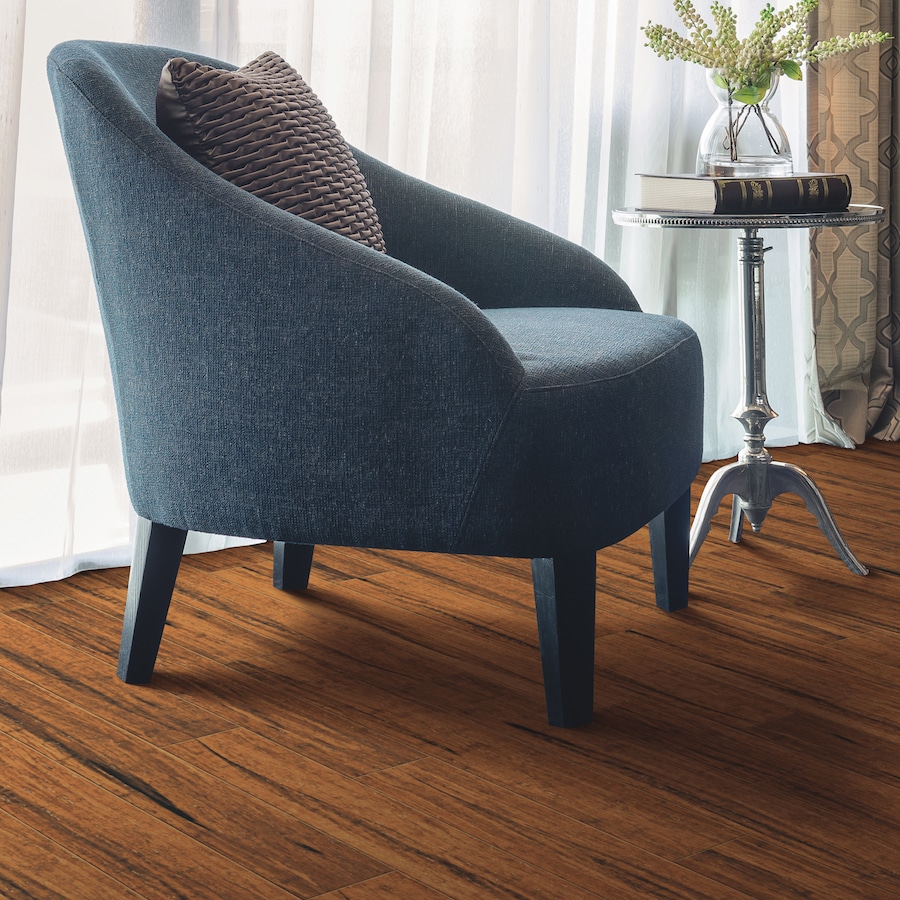
Antique Java Fossilized Wide Tu0026G Bamboo flooring Installed by: Mid

CALI Waterproof Core Antique Iron 1/4 in. T x 5-9/16 in. W x 36-1

Related Posts: