When I decided to refinish my home’s flooring, I knew I wanted something timeless, durable, and elegant. After considering laminate, tile, and even luxury vinyl plank, I kept coming back to hardwood, specifically white oak. It wasn’t the cheapest option by any means, but something about its character and warmth felt worth the investment. White oak has a natural strength that makes it ideal for high-traffic areas, and its grain patterns offer a level of depth that other materials just can’t replicate. Let me walk through six key aspects of white oak hardwood flooring that helped me decide if it was right for my space, from color choices to maintenance tips.
Choosing the Right Finish
One of the first decisions I had to make was which finish to go with for my white oak floors. The wood itself is naturally light, so I thought a clear coat would highlight the grain. But as I explored more options, I realized that finishes do more than just protect the wood, they shape the entire look of the floor. Matte finishes gave a subtle, modern feel, while semi-gloss brought out the richness in the wood’s texture.
I ended up choosing a satin finish because it struck a balance between shine and durability. It wasn’t too reflective like high gloss, yet still offered enough luster to give the room life. What surprised me most was how much the finish affected the overall brightness of the space. A glossy surface made the floor look almost like glass under the lights, while matte dulled things down a bit too much for my taste.
Another thing I learned was that the type of finish also influences maintenance. High-gloss floors show every scuff and dust speck, whereas matte or satin ones tend to hide imperfections better. For homes with kids or pets, this can be a big consideration. Ultimately, I found that a satin finish offered both beauty and practicality, making it the best fit for my lifestyle.
Understanding Grain Patterns
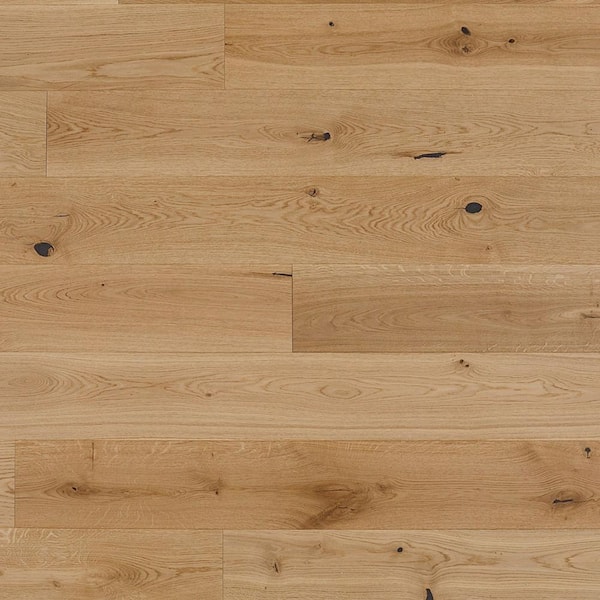
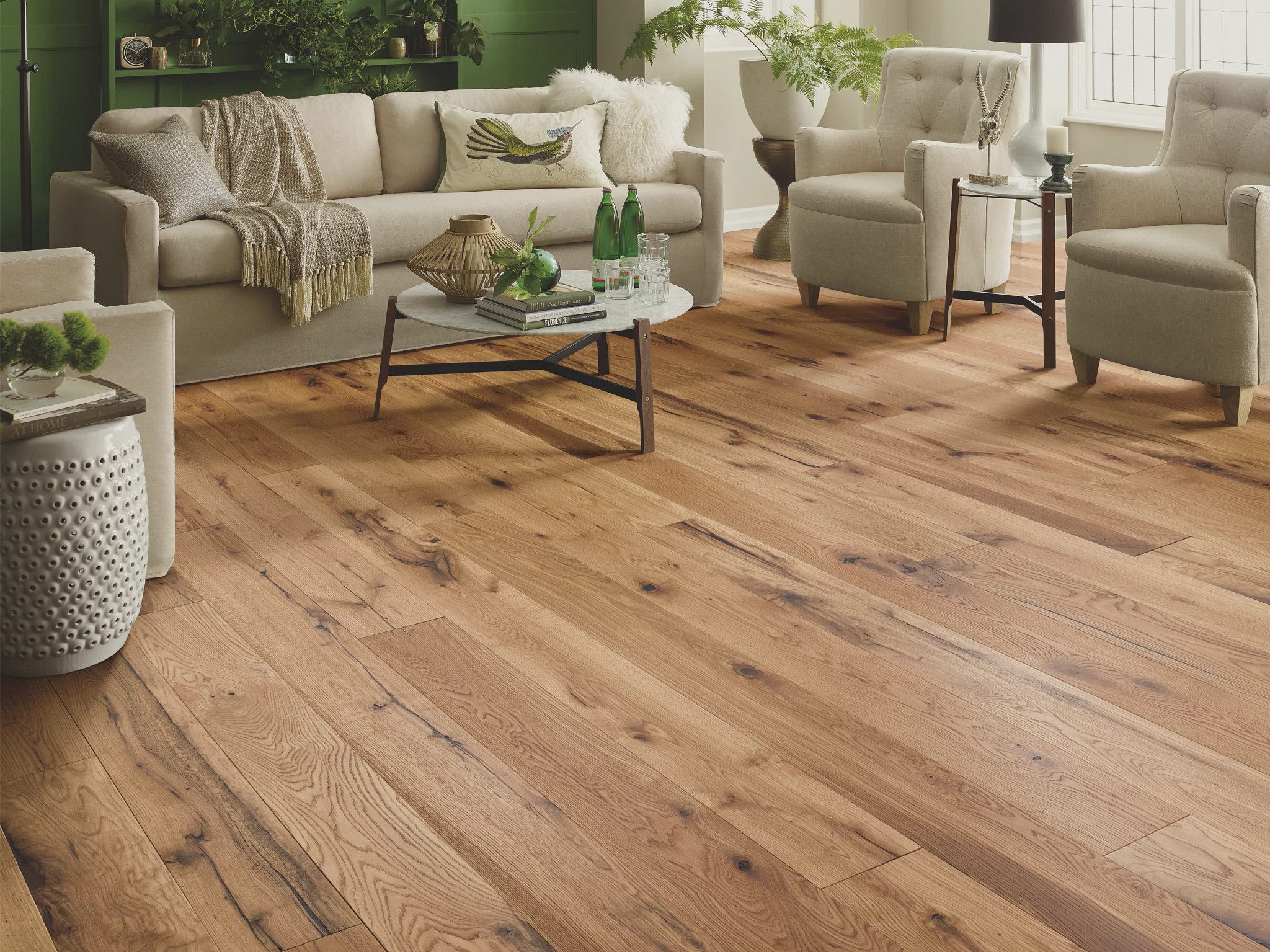
Before installing white oak, I didn’t realize how much variation there is in wood grain. Each board has its unique pattern, which adds character and visual interest. Quarter-sawn white oak has a tight, linear grain with flecks, giving it a clean, uniform look. Plain-sawn boards, on the other hand, have a more dramatic cathedral pattern that adds movement and dimension to the floor.
I went with a mix of both cuts to get the best of both worlds. The quarter-sawn planks provided structure and consistency in high-visibility areas like the living room, while the plain-sawn ones added flair in less formal spaces like the hallway and bedroom. This blend gave the house a cohesive yet dynamic feel throughout.
What I loved most was how the grain interacted with light. Depending on the time of day and where the sunlight hit, the floor looked different at various moments. Some angles emphasized the texture, others made the wood appear smoother. It reminded me that no two floors are ever exactly alike, and that uniqueness is part of what makes hardwood so special.

Color Options and Stain Choices
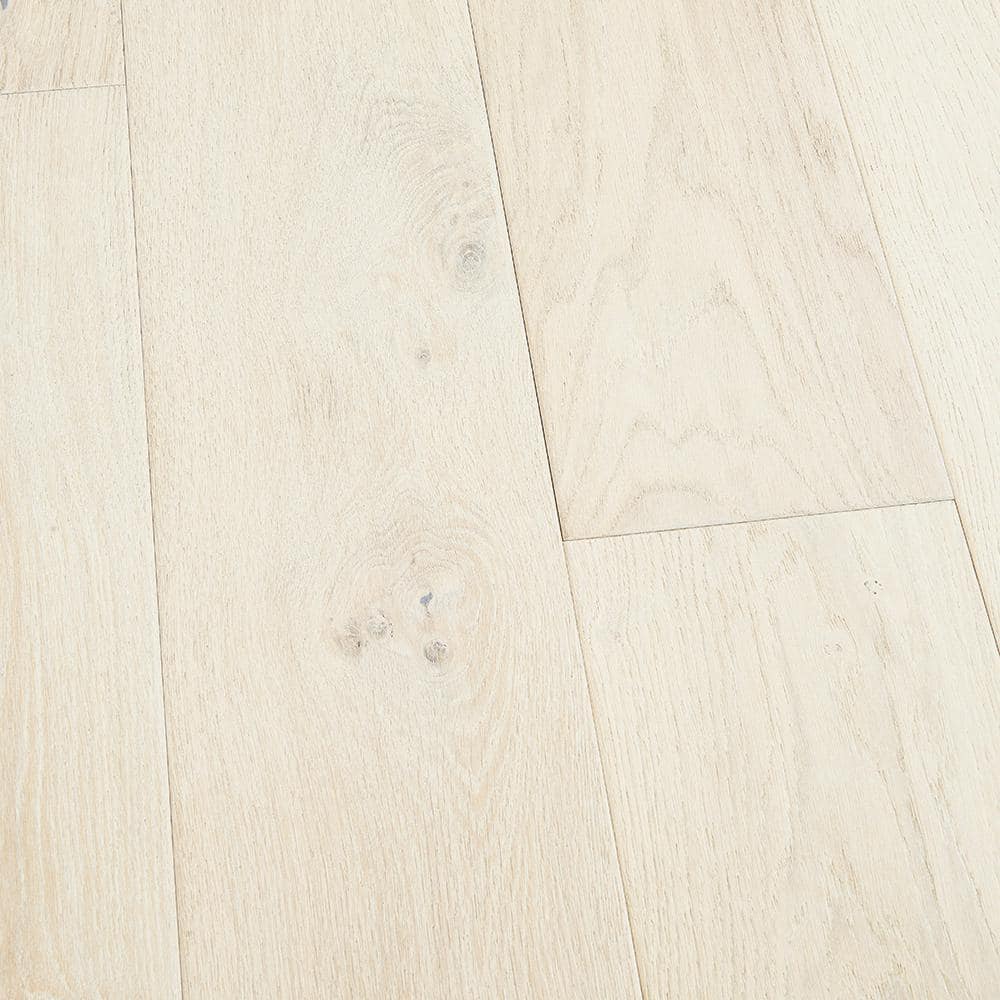
Even though white oak is naturally light, staining opened up a whole new world of possibilities. I initially thought I’d keep the floor in its natural state, but after seeing sample boards in different stains, I realized how much impact color could have on the overall aesthetic. Lighter tones like honey or natural enhanced the oak’s inherent warmth, while darker stains like espresso or ebony gave the room a bold, sophisticated edge.
In the end, I chose a medium brown stain called “smoked,” which gave the floor a rich tone without feeling too heavy. I tested several swatches on scrap pieces and even laid them in different rooms to see how they looked under varying lighting conditions. Natural daylight brought out red undertones in some stains, while artificial lighting leaned cooler, so it was important to consider the environment.
What I didn’t expect was how much the wall color played into the final effect. My gray walls contrasted nicely with the warm wood, creating a balanced palette that felt modern yet inviting. If you’re thinking about staining your white oak, take the time to test samples in each room, you might be surprised by how different they look depending on the surroundings.
Installation Methods: Nail Down vs Glue Down
As I got deeper into the project, I had to choose between nail-down and glue-down installation methods. Both have their pros and cons, especially when working with white oak. Nail-down is traditional and works well with solid wood planks, especially over a wooden subfloor. It gives the floor room to expand and contract with humidity changes, which is important in many climates.
Glue-down installation, however, was appealing because it allowed me to install directly over concrete slabs, which was perfect for my basement level. It required a smooth, clean surface and a strong adhesive, but once everything was set, the floor felt incredibly stable. I hired a professional for this part since getting the glue application right was critical to avoiding future issues like cupping or gapping.
I ended up using nail-down upstairs and glue-down downstairs, which worked out great for each space. Each method has its place depending on your subfloor and home setup. Talking to my installer helped me understand the long-term benefits of each approach, and I’m glad I didn’t cut corners when it came to proper installation.
Maintenance and Longevity
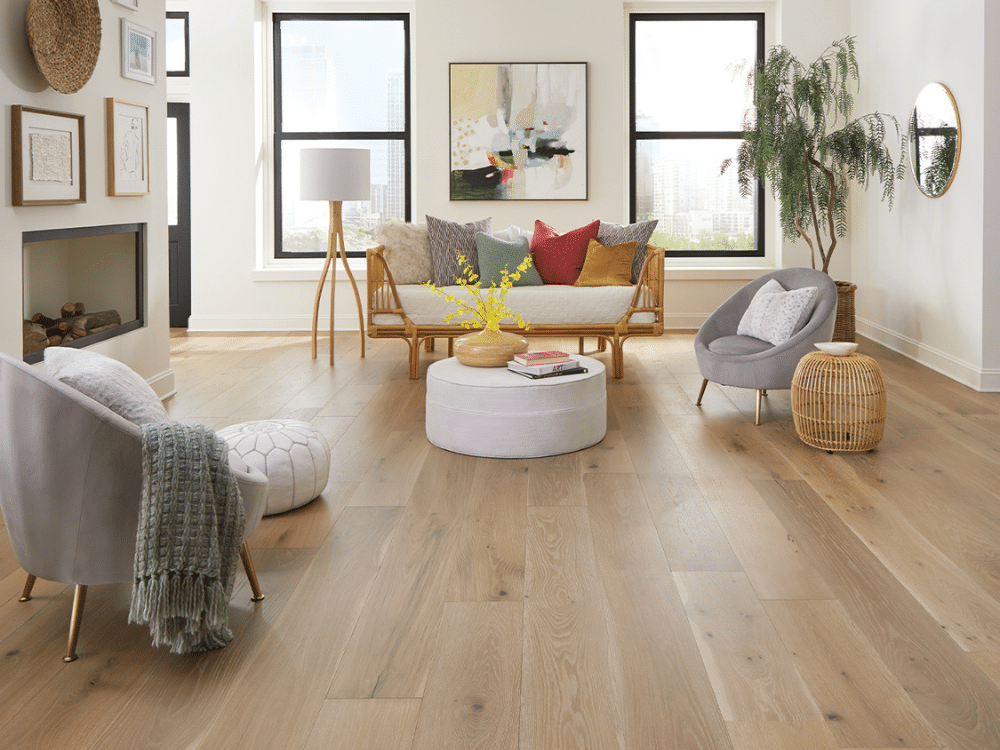
After the installation was complete, I quickly realized that maintaining white oak flooring isn’t complicated, but it does require attention. Regular sweeping helps prevent dirt buildup that can scratch the finish. I use a soft microfiber mop weekly to remove dust and occasional spills. Avoiding wet mopping is key, since too much moisture can damage the wood over time.
One thing I learned early on was the importance of felt pads under furniture legs. Without them, dragging chairs or moving tables left noticeable scratches. I also placed mats near entryways to catch grit before it tracked across the floor. These small habits made a big difference in preserving the floor’s appearance.
Refinishing is another consideration. While white oak is tough, it will eventually show wear, especially in high-traffic zones. Sanding and refinishing every 10 to 15 years keeps it looking fresh. I’ve already noticed a few scuffs from pet nails, but knowing that I can sand them out later gives me peace of mind. With proper care, these floors should last decades, maybe even outlive me.
Cost Considerations and Value
White oak flooring costs more upfront than alternatives like laminate or vinyl, but I wanted to know if it was worth it in the long run. The material alone varied depending on grade and finish. I opted for select-grade white oak, which minimized knots and imperfections, and that came with a higher price tag. Labor costs were significant too, especially for the glue-down installation in the basement.
Despite the initial expense, I believe it’s an investment that adds value to my home. Potential buyers often notice quality flooring, and real estate agents confirmed that hardwood tends to boost resale value. Even beyond selling, the comfort and aesthetics of walking on real wood instead of cold tile or noisy laminate made the cost easier to justify.
If budget is a concern, one way to save is by refinishing existing hardwood instead of replacing it entirely. In some areas of my house, I simply sanded and stained the old floors rather than installing new ones. This saved money while still achieving the same beautiful result. Overall, white oak may not be the cheapest choice, but for me, it was the right one.

Is white oak hardwood flooring suitable for all areas of the home?
Yes, white oak works well in most indoor spaces, including living rooms, kitchens, hallways, and bedrooms. Its natural density and Janka hardness rating of around 1360 make it resistant to dents and scratches compared to softer woods like pine or cherry. However, it’s not recommended for consistently damp areas like bathrooms unless properly sealed. I installed it in my kitchen with no issues, but I always wipe up spills immediately to avoid water damage.
How does white oak compare to red oak in terms of appearance and durability?
White oak and red oak are similar in hardness, but their grain and color differ significantly. White oak has a tighter, more pronounced grain with a slightly cooler undertone, while red oak leans warmer with a more open grain pattern. I chose white oak because I preferred its cleaner, more modern look. Visually, white oak tends to accept stains more evenly, making it ideal for achieving a consistent finish across large areas.

Can white oak floors be refinished multiple times?
Absolutely. One of the biggest advantages of solid white oak flooring is that it can be sanded and refinished multiple times over the years. Depending on the thickness of the planks, you can typically refinish them three to five times. I plan to do mine every decade or so to maintain the original look. Refinishing removes surface scratches, evens out color, and allows for a fresh coat of finish, extending the floor’s lifespan significantly.
Does white oak flooring require acclimation before installation?
Yes, acclimating the wood before installation is crucial. White oak, like all hardwood, expands and contracts with humidity changes. I let the planks sit in the room where they’d be installed for at least five days before fitting. This helped them adjust to the indoor climate and reduced the risk of warping or gapping after installation. Skipping this step can lead to costly problems down the line, so it’s worth the wait.

Are there eco-friendly options for white oak flooring?
Many manufacturers now offer sustainably sourced white oak flooring certified by organizations like the Forest Stewardship Council (FSC). I looked for FSC-certified products to ensure my purchase supported responsible forestry practices. Some brands also use low-VOC finishes and adhesives, improving indoor air quality. Going green doesn’t mean compromising on quality, and choosing sustainable options helps reduce environmental impact while still enjoying the beauty of real wood.
How do I handle minor scratches and wear on white oak floors?
Minor scratches can often be buffed out with fine steel wool and a touch-up finish. For deeper marks, spot sanding followed by applying matching stain and finish usually does the trick. I keep a small repair kit on hand for quick fixes, especially in high-traffic areas. Regular maintenance like sweeping and using protective pads under furniture, goes a long way in minimizing damage. With proper care, white oak floors age gracefully, developing a lived-in charm rather than looking worn out.
Reviews for HOMELEGEND Wire Brushed White Oak 3/8 in. Thick x 7-1
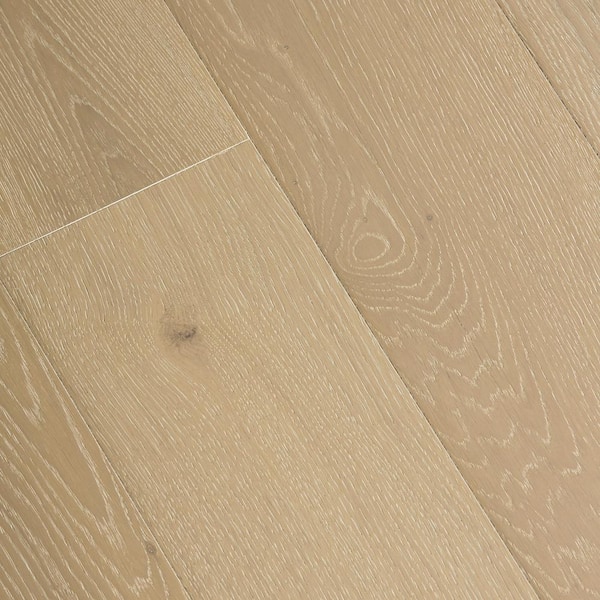
Wide Plank White Oak Hardwood Flooring Naked
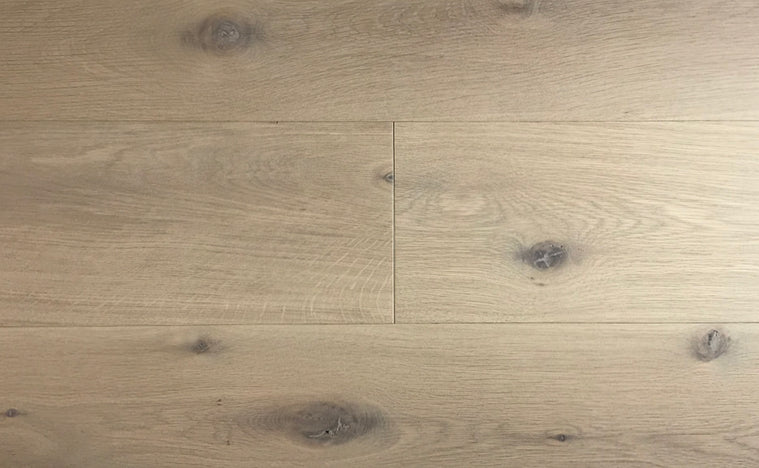
Natural Oak / 5″ / White Oak / Solid Hardwood
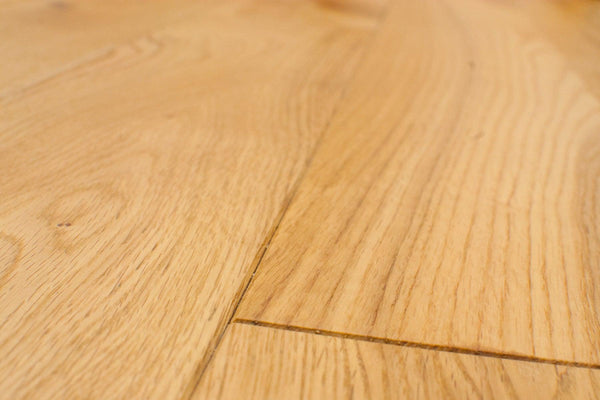
Reviews for Bruce American Vintage Natural White Oak 3/8 in. T x 5
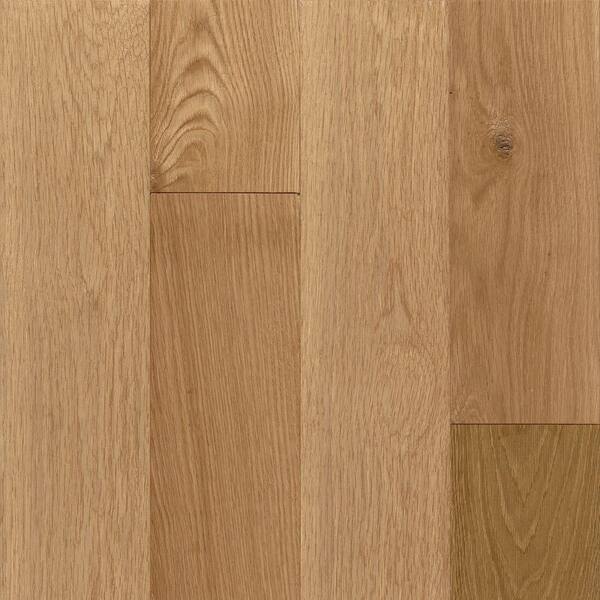
REFLECTIONS WHITE OAK SW661 – NATURAL Hardwoods
Related Posts: