When I first started thinking about upgrading my garage floor, the idea of spending a fortune on high-end materials felt unnecessary. After all, a garage is more about function than form, right? But even so, I wanted something that looked decent, held up well, and didn’t break the bank. As I dug into different flooring options, I was surprised by how many affordable solutions actually exist. Some were easy DIY projects, others required a bit more effort, but all came with their own set of pros and cons. In this piece, I’ll walk you through six budget-friendly garage flooring choices that helped me make an informed decision without going over budget.
Concrete Staining: A Cost-Effective Makeover
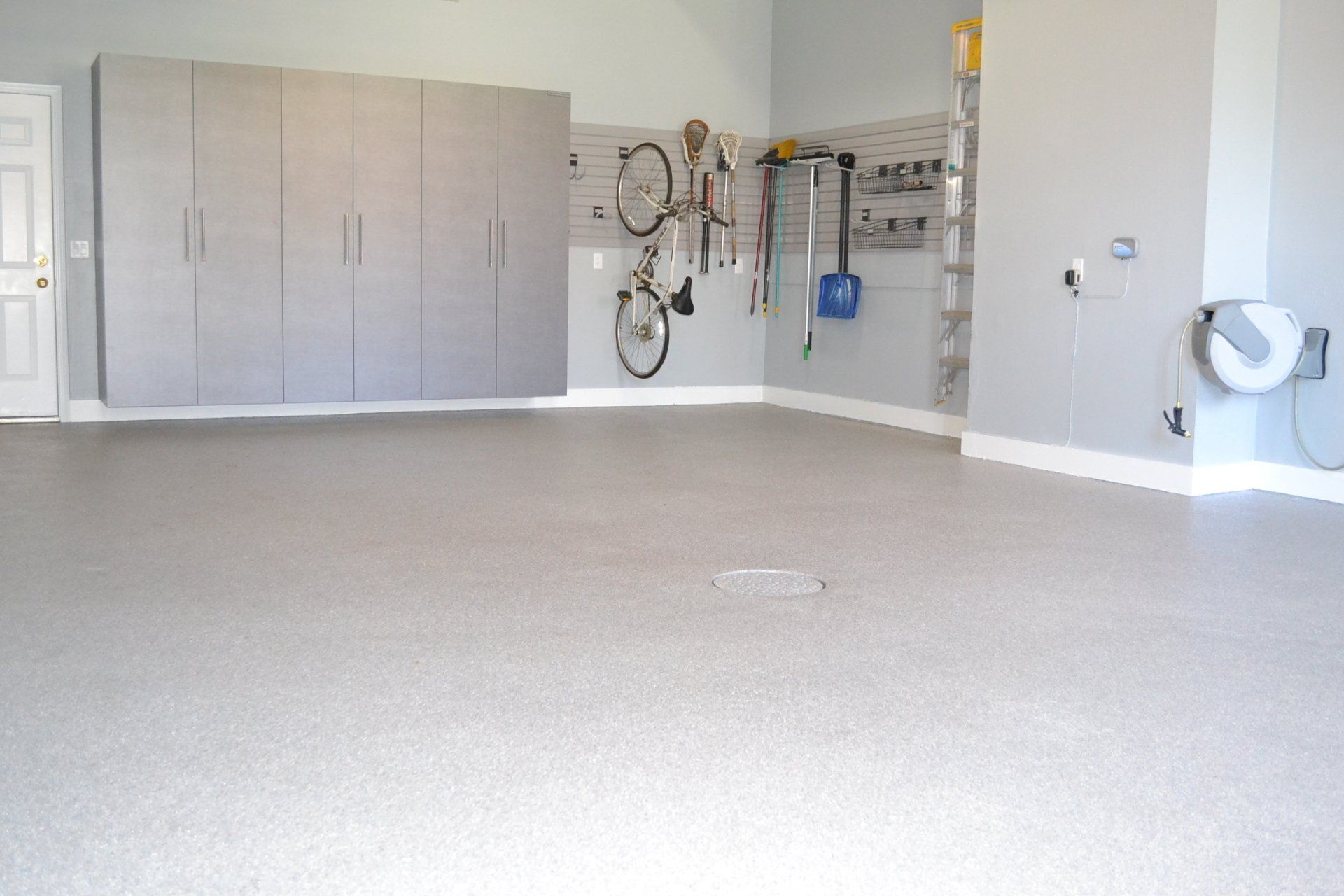
Before I considered anything else, I thought about what I already had, plain gray concrete. It wasn’t ugly, but it lacked personality. That’s when I stumbled upon concrete staining as a cheap way to give my garage a facelift. The process was surprisingly simple, especially since I did most of the prep work myself. Acid-based stains offered rich, deep colors while water-based ones gave a more translucent effect.
I went with a slate gray water-based stain because it gave the floor a modern look without being too dramatic. The cost for the stain itself was under $100 for my two-car garage, which I found incredibly reasonable. Mixing in a few darker tones here and there added depth, making the floor feel less flat and more intentional.
The biggest lesson I learned was the importance of sealing the stain after it dried. Without a good sealer, the color would fade quickly, especially with tire traffic and oil drips. I applied two coats of clear epoxy sealer, which brought out the richness of the stain and made cleanup easier. Overall, staining turned out to be one of the smartest low-cost upgrades I made.
Epoxy Paint Kits: Durable and Easy to Apply
Next on my list was trying an epoxy paint kit, something I’d heard a lot about from friends who had done their garages. These kits come with everything you need: primer, paint, and sometimes even decorative flakes. I picked up a basic two-part epoxy system from a home improvement store for around $80. It promised durability, chemical resistance, and a glossy finish that could hold up to heavy use.
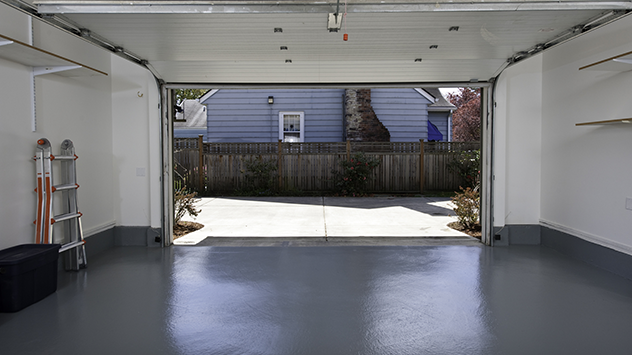
Applying it was straightforward, though I did have to spend a day cleaning and etching the concrete first. I used a pressure washer followed by a concrete etcher to ensure the surface was ready to accept the coating. Rolling it on was a breeze, and the second coat sealed in the color. I chose a charcoal gray that matched the exterior of my house nicely.
After letting it cure for a couple of days, the result was impressive. The floor looked clean, professional, and most importantly, tough. Even after months of use, it still looks great. For such a small investment, it provided a big visual boost and practical benefits like stain resistance.

Rubber Floor Tiles: Comfort and Cushioning
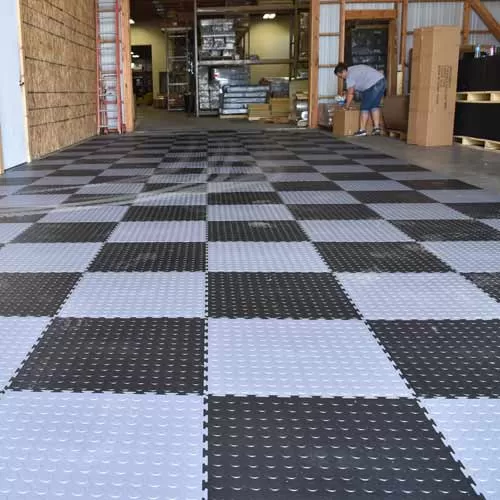
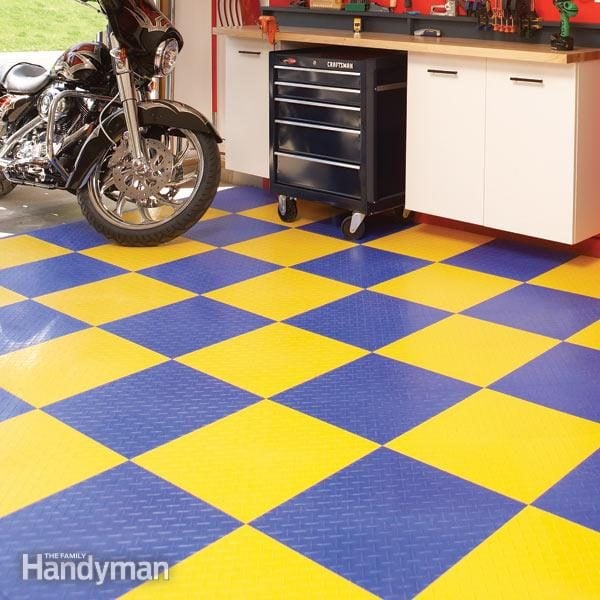
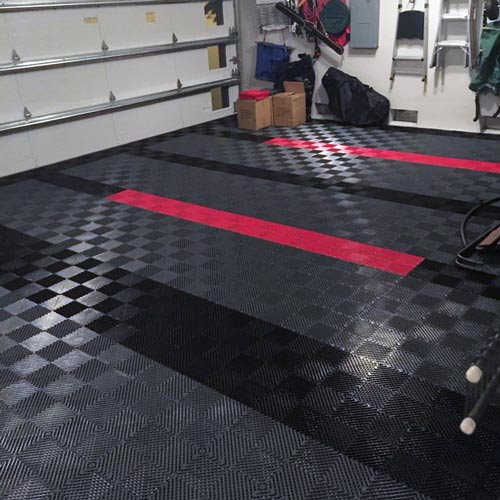
Since I often work on cars or do home projects in the garage, standing on hard concrete got uncomfortable pretty fast. That’s when I decided to try rubber floor tiles. They’re modular, meaning I could install them myself without any special tools or skills. I ordered a 10×12-foot section of interlocking black rubber tiles online for just over $200, which included shipping.
Laying them down was a breeze. I cleaned the floor thoroughly, let it dry, and then started snapping the tiles together like puzzle pieces. No adhesive was needed, which saved time and money. The thickness of the tiles also provided cushioning underfoot, which was a huge relief during long hours spent working on my feet.
One thing I appreciated was how easy they were to maintain. If a tile ever gets stained or damaged, I can just pop it out and replace it. While they don’t offer the sleek look of painted floors, they make up for it with comfort and practicality. For anyone looking to add some softness and safety to their garage, rubber tiles are a solid choice.
Roll-Out Vinyl Flooring: Quick and Pliable
Another option I tested was roll-out vinyl flooring. I saw it in a neighbor’s garage and liked how clean and smooth it looked. Unlike tile systems, vinyl rolls come in large sheets that can cover a whole garage in one go. I bought a 12×24-foot roll for around $300, which was a bit pricier than other options, but it offered a seamless finish that I found appealing.
Installation involved measuring, cutting, and rolling the material across the floor. I didn’t use adhesive, opting instead for double-sided tape along the edges to keep it from curling. The vinyl lay flat easily thanks to its flexibility. I chose a faux stone pattern that mimicked real concrete but without the cold, hard feel.
What I loved most was how quiet it made the garage feel. Footsteps weren’t echoing off the walls anymore, and dropped tools didn’t clatter quite as loudly. Cleaning was also a breeze, just sweep or wipe with a damp cloth. If you want a quick, pliable solution that looks nice and feels better underfoot, vinyl is worth considering.
Interlocking Foam Mats: Budget-Friendly Flexibility
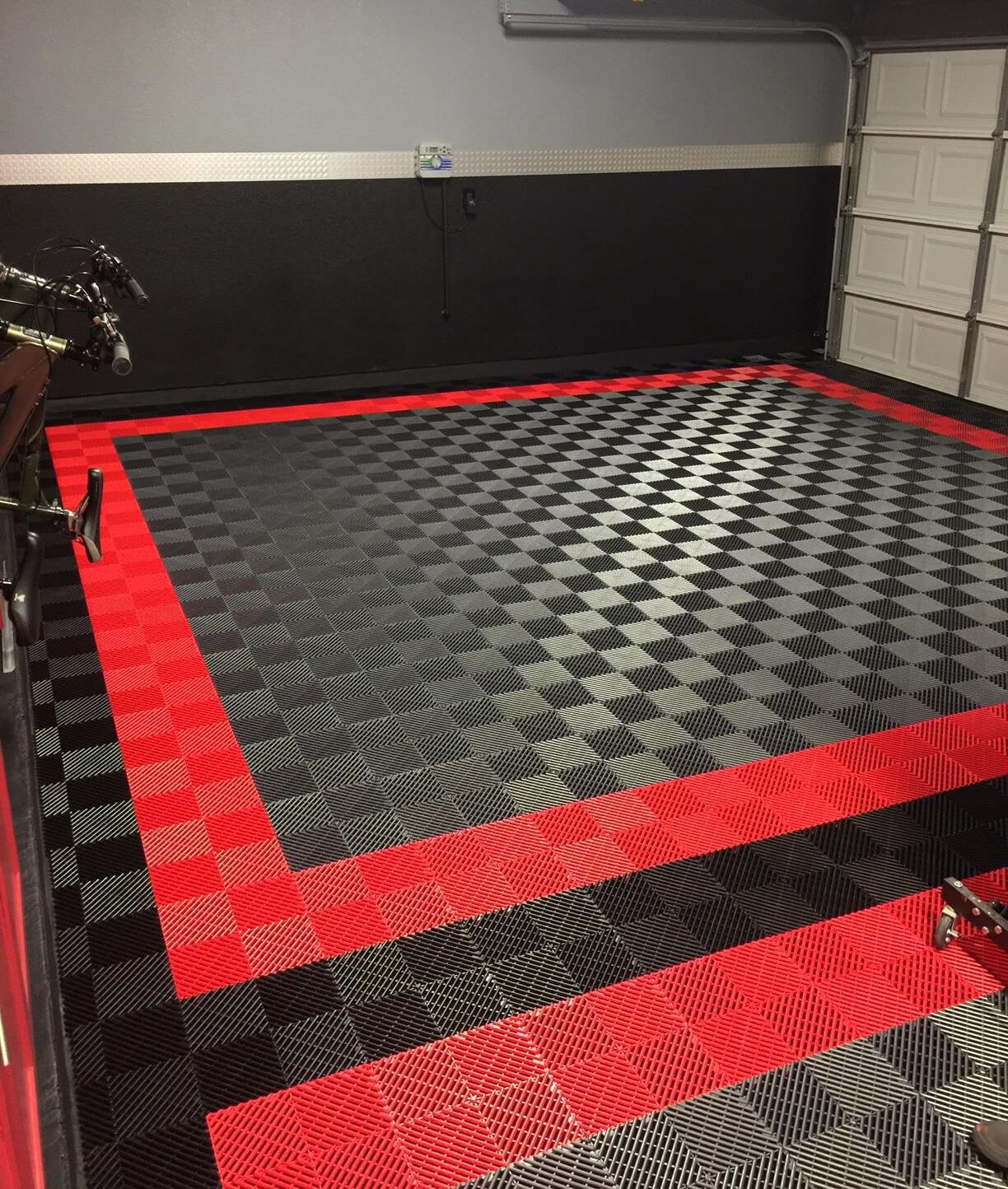
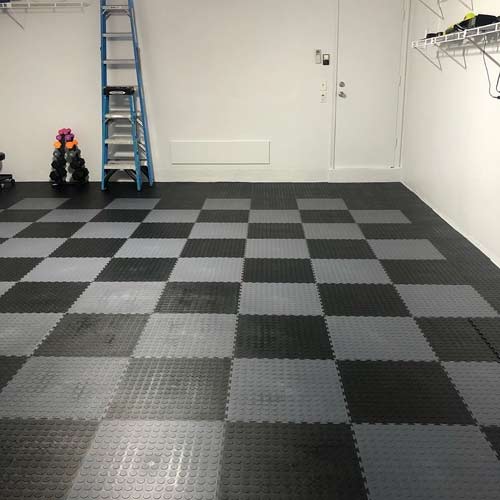
If you’re working with a tight budget, interlocking foam mats might be your best bet. I picked up a set designed for gyms and playrooms for under $150. They came in bright colors, but I managed to find a neutral gray set that blended well with the rest of the garage. Each mat clicked together effortlessly, no tools required.
These mats were perfect for areas where I needed extra padding, like my makeshift workout corner. They insulated against the cold concrete and absorbed impact from dropped weights. I placed them in sections rather than covering the entire floor, which kept costs down while still giving me the benefits where I needed them most.
While they aren’t ideal for full garage coverage due to seams and limited durability against constant vehicle traffic, they worked great in designated zones. Plus, they’re lightweight and easy to move if I ever reorganize the space. For a flexible, inexpensive, and portable flooring solution, foam mats delivered more than I expected.

Grind and Seal: Enhancing Bare Concrete
Last but not least, I tried the grind-and-seal method. This approach skips coatings and focuses on polishing the existing concrete to bring out its natural texture. I rented a concrete grinder for a day and used a diamond pad attachment to remove surface imperfections and open up the pores. After grinding, I applied a penetrating sealer that soaked into the concrete, strengthening it and making it easier to clean.
This technique gave the floor a smoother, more refined appearance without adding color or texture. I liked how minimalist it looked, almost like a showroom floor. The total cost was minimal, mainly the rental fee and sealer, making it one of the cheapest options I explored.
It wasn’t the flashiest upgrade, but it improved functionality significantly. Water beaded up instead of soaking in, and dust accumulation decreased. If you prefer a clean, industrial aesthetic and don’t mind the original concrete tone, grinding and sealing is a smart, affordable alternative.

Are budget-friendly garage flooring options durable enough for regular use?
Yes, many affordable flooring solutions are built to withstand regular wear and tear. From epoxy paints to rubber tiles, each option offers varying levels of durability depending on the material and installation. My experience showed that proper preparation and sealing play a big role in longevity. Even the cheapest options lasted years when maintained correctly. Choosing the right product for your usage level ensures your floor stays functional and attractive without breaking the bank.
Can I install these flooring types myself without professional help?
Most of the budget options I tried were DIY-friendly. Whether it was laying down rubber tiles, applying epoxy paint, or installing vinyl rolls, each project only required basic tools and patience. I handled every step alone except for mixing the epoxy, which I had a friend assist with. Reading instructions carefully and watching tutorial videos helped me avoid mistakes. With a little planning, anyone can tackle these projects solo.
How much do these flooring options typically cost per square foot?
Costs vary widely based on material and brand. For example, concrete stain ran me about $0.50 per square foot, including sealer. Epoxy kits averaged $1 to $2 per square foot. Rubber tiles were around $3 per square foot, while vinyl flooring came in at $2 to $4. Foam mats were the cheapest at under $1 per square foot. Grinding and sealing cost the least since they mostly involve labor and a small amount of sealer. All in all, each option offered value depending on needs and budget.
Do these floors require special maintenance?
Maintenance varies, but none are overly demanding. Epoxy floors need occasional mopping and spot cleaning. Rubber tiles and vinyl can be swept or wiped with a damp cloth. Foam mats should be vacuumed regularly to prevent dust buildup. Sealed concrete floors benefit from periodic sweeping and the occasional rinse. Avoiding harsh chemicals helps preserve finishes. Overall, keeping these floors clean is simple and doesn’t require specialized products or equipment.
Which option works best for garages with vehicles and heavy tools?
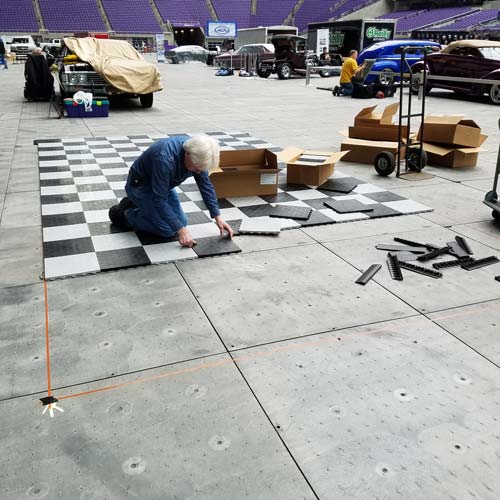
For high-traffic areas with frequent vehicle movement, epoxy coatings and rubber tiles performed best in my setup. Epoxy created a hard, protective layer that resisted oil leaks and tire marks. Rubber tiles absorbed impact and protected the concrete underneath. Both options stood up to dropped tools, dragging equipment, and constant foot traffic without showing significant wear. If durability is your main concern, these two provide reliable protection without expensive price tags.
Can I combine multiple flooring types in one garage?
Absolutely. I mixed several options to suit different zones in my garage. I used epoxy in the main driving area, rubber tiles in my workshop zone, and foam mats near my fitness gear. This allowed me to customize both comfort and function throughout the space. Combining materials also helped control costs by using cheaper options in less critical areas. Planning and measuring each section makes it easy to blend styles seamlessly.

Garage Flooring Ideas to Match Your Style
Rubber Garage Flooring Ideas Garage tile, Rubber floor tiles

Garage Flooring Options (DIY) Family Handyman
Budget Garage Flooring Ideas: Interlocking PVC & Foam Tiles
Budget Garage Flooring Ideas
Related Posts: