My fascination with basement transformations began when I inherited a damp, uninviting basement that seemed destined for storage duty. After years of designing finished basements for clients, I’ve discovered that vinyl flooring offers unmatched versatility for these challenging spaces. The combination of moisture resistance, design flexibility, and budget-friendly installation makes vinyl the perfect foundation for creating stunning underground living areas. Through countless basement renovations, I’ve learned that the right vinyl flooring choice can completely transform a dreary space into a welcoming extension of your home.
Modern Wood-Look Vinyl for Cozy Living Spaces
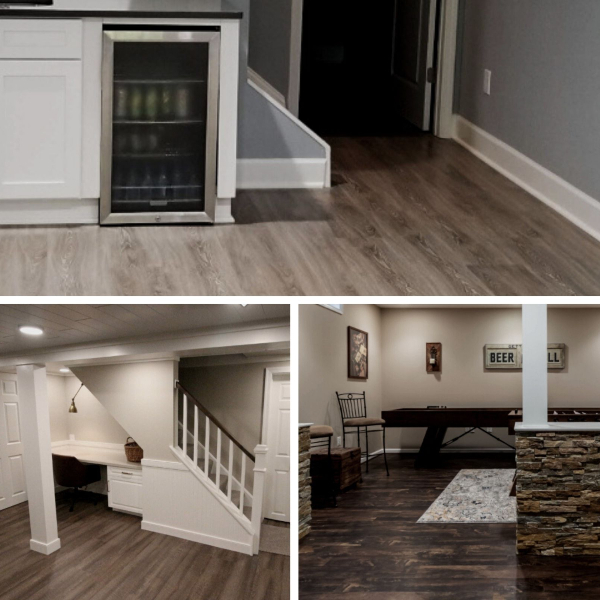
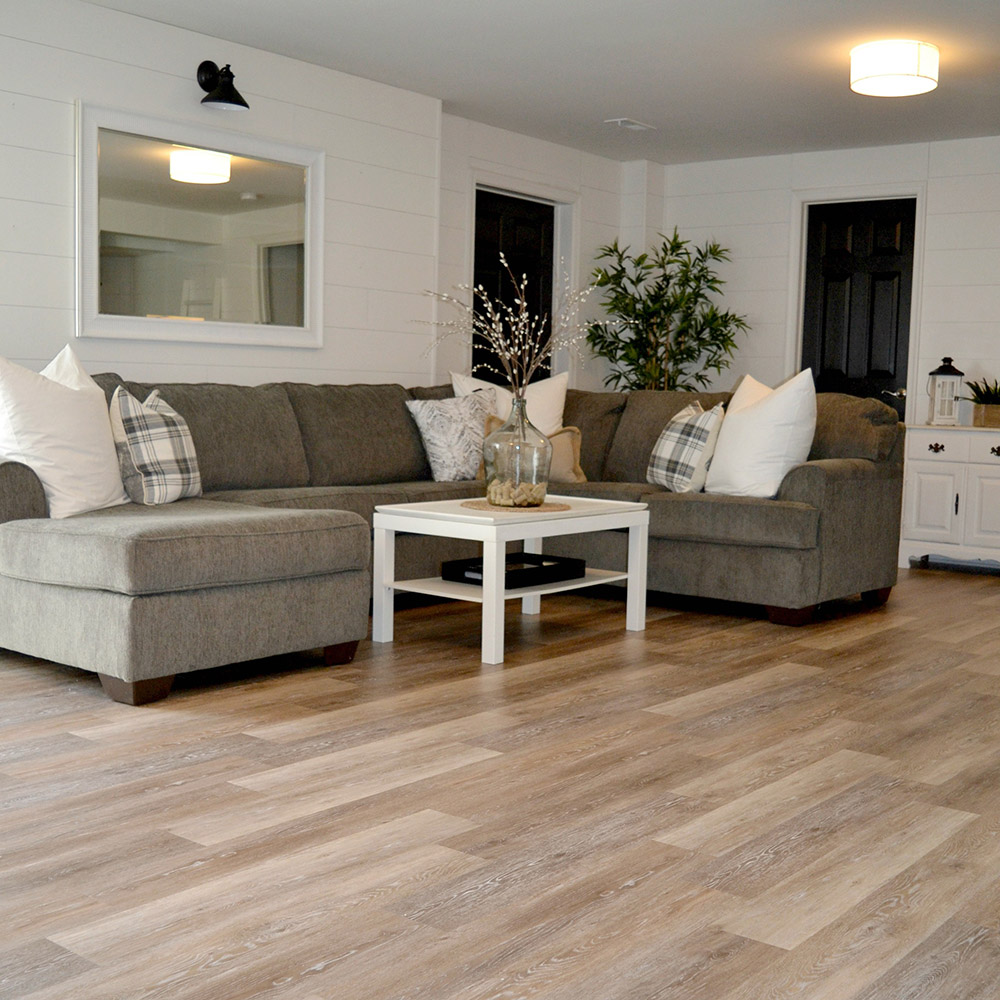
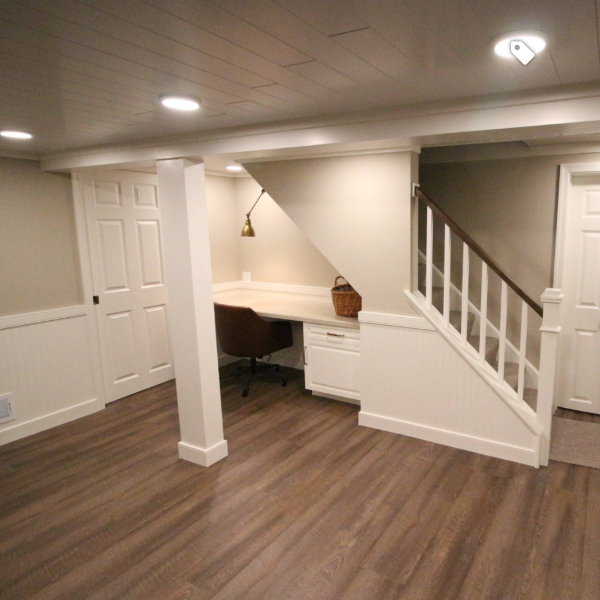
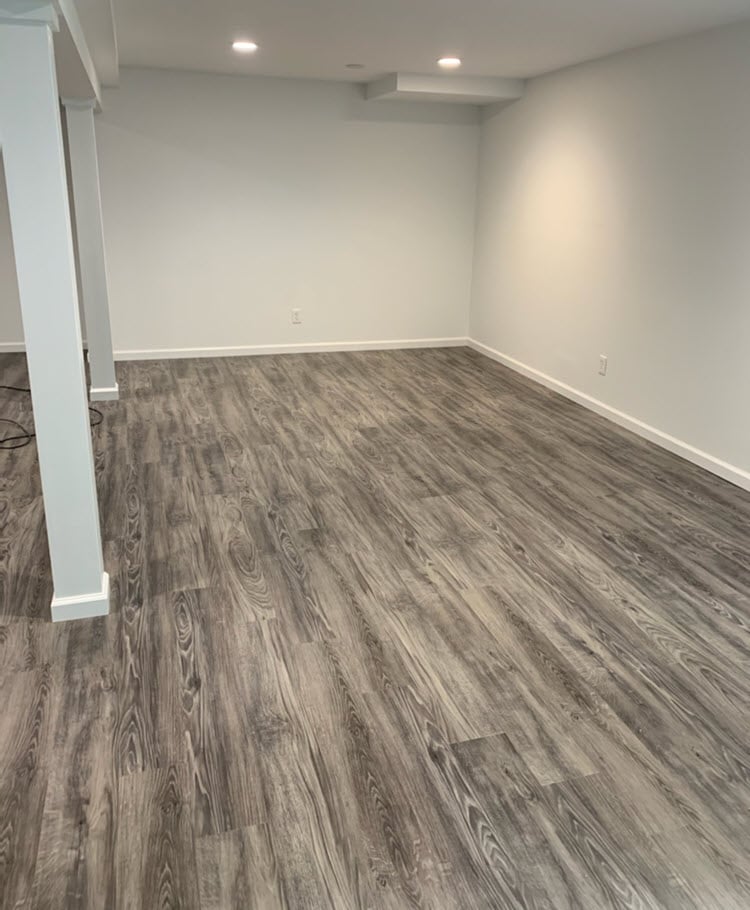
Wood-look vinyl planks have revolutionized basement flooring by bringing natural warmth to traditionally cold underground spaces. I’ve installed countless wood-grain patterns that create the illusion of expensive hardwood while providing superior moisture protection. The realistic textures and colors available today fool even experienced contractors, making basements feel like genuine living spaces rather than utilitarian storage areas. My clients consistently express amazement at how authentic these products appear.
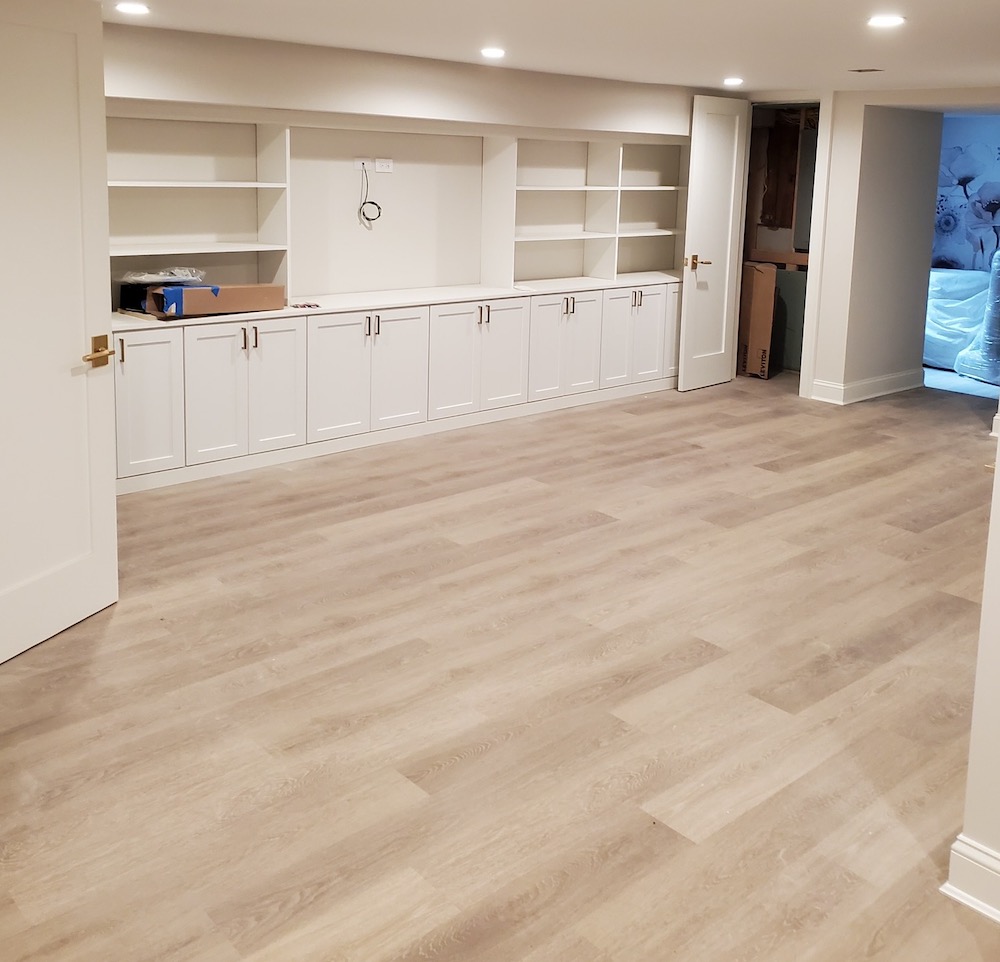
Pattern selection significantly impacts the overall ambiance and perceived size of basement spaces. I prefer longer, wider planks that create fewer seams and make rooms appear larger and more open. Diagonal installation patterns add visual interest while disguising irregular wall angles common in basement construction. The key is choosing patterns that complement the intended use, whether creating a cozy family room or a sophisticated home office environment.
Color choices in wood-look vinyl can dramatically alter the basement’s atmosphere and lighting conditions. Lighter oak and maple tones brighten dark spaces while creating airy, welcoming environments. Medium walnut and cherry colors provide warmth without overwhelming smaller spaces. I’ve found that matching the vinyl color to existing trim and furniture creates cohesive designs that feel intentional rather than afterthoughts. The goal is creating spaces that feel connected to the home’s overall aesthetic.
Stone and Tile Patterns for Sophisticated Aesthetics
Stone-look vinyl tiles offer elegance and durability that transform basements into sophisticated entertainment spaces. I’ve created stunning installations using marble, slate, and travertine patterns that provide luxury aesthetics at affordable prices. The dimensional textures and realistic coloring fool guests into believing they’re walking on genuine stone. These patterns work particularly well in basement bars, wine cellars, and formal recreation rooms where ambiance matters most.
Large format tiles create seamless appearances that enhance the feeling of spaciousness in confined basement areas. I prefer 18×18 inch or larger tiles that minimize grout lines and create contemporary, high-end appearances. The reduced seams also improve moisture resistance, crucial in basement environments where humidity can be challenging. Proper installation techniques ensure these large tiles lay flat and maintain their sophisticated appearance over time.
Mixing different stone patterns creates visual interest while defining separate functional areas within open basement layouts. I combine complementary patterns to delineate dining areas from entertainment zones or create accent walls that draw attention to specific features. The variety available in stone-look vinyl allows creative combinations that would be cost-prohibitive with natural materials. This flexibility enables unique designs tailored to individual preferences and functional requirements.

Creative Pattern Combinations and Layout Designs
Herringbone patterns have become my signature approach for creating dynamic visual interest in basement spaces. This timeless layout works beautifully with both wood-look and stone-look vinyl, adding sophistication and movement that transforms ordinary floors into design statements. The angular pattern draws the eye throughout the space, making basements appear larger and more engaging. Installation requires precision, but the results justify the additional effort and expertise required.
Chevron layouts offer another striking option that creates bold, contemporary appearances perfect for modern basement designs. I’ve used chevron patterns to create focal points in entertainment areas and home theaters where dramatic impact is desired. The V-shaped pattern adds energy and excitement that complements modern furnishings and lighting. Proper planning ensures pattern alignment at doorways and transitions, and maintains visual continuity throughout the space.
Border designs using contrasting colors or patterns create defined spaces within open basement layouts. I install decorative borders to separate gaming areas from seating zones or create elegant transitions between different functional areas. These design elements add custom, high-end appearances that elevate the entire basement aesthetic. The ability to mix different vinyl products allows creativity that would be expensive and difficult with traditional materials.

Moisture-Resistant Solutions for Problem Areas
Waterproof vinyl flooring has become essential for basement applications where moisture concerns are paramount. I exclusively specify waterproof products for below-grade installations, ensuring complete protection against occasional flooding or persistent humidity issues. The peace of mind provided by genuine waterproof protection allows homeowners to finish basements confidently, knowing their investment is protected. This technology has revolutionized basement finishing by eliminating moisture-related flooring failures.
Subfloor preparation becomes crucial when installing vinyl in moisture-prone basement environments. I always test for moisture levels and install appropriate vapor barriers when necessary to prevent problems. Proper drainage around the foundation and adequate dehumidification complement the vinyl’s moisture resistance. These preparatory steps ensure long-term success and prevent the mold and mildew issues that plagued older basement flooring installations.
Perimeter sealing techniques prevent water intrusion at walls and transitions where flooding might occur. I use waterproof sealants and transitions that maintain the floor’s protective barrier while allowing normal expansion and contraction. These details often determine the difference between successful installations and costly failures. Professional installation ensures these critical elements are properly addressed for optimal long-term performance.
Budget-Friendly DIY Installation Approaches
Click-lock vinyl systems have simplified basement flooring installation, making it accessible for confident DIY enthusiasts. I’ve guided numerous homeowners through successful installations using these user-friendly products that don’t require adhesives or special tools. The floating installation method works particularly well in basements where concrete slabs might have minor imperfections. Proper preparation and patience produce professional-looking results at a fraction of professional installation costs.
Tool requirements remain minimal for most DIY vinyl installations, making this an attractive option for budget-conscious homeowners. Basic cutting tools, spacers, and measuring equipment handle most installation challenges. I recommend investing in quality knee pads and a good utility knife for efficient, comfortable work. Renting a few specialized tools like pull bars costs less than professional installation while ensuring proper technique.
Planning and layout strategies determine DIY success more than installation skills in my experience. I always create detailed floor plans showing plank placement, starting points, and transition locations before beginning work. Proper planning prevents waste and ensures professional-looking results. Taking time for accurate measurements and layout prevents costly mistakes that could require starting over or purchasing additional materials.
Lighting and Color Coordination Strategies
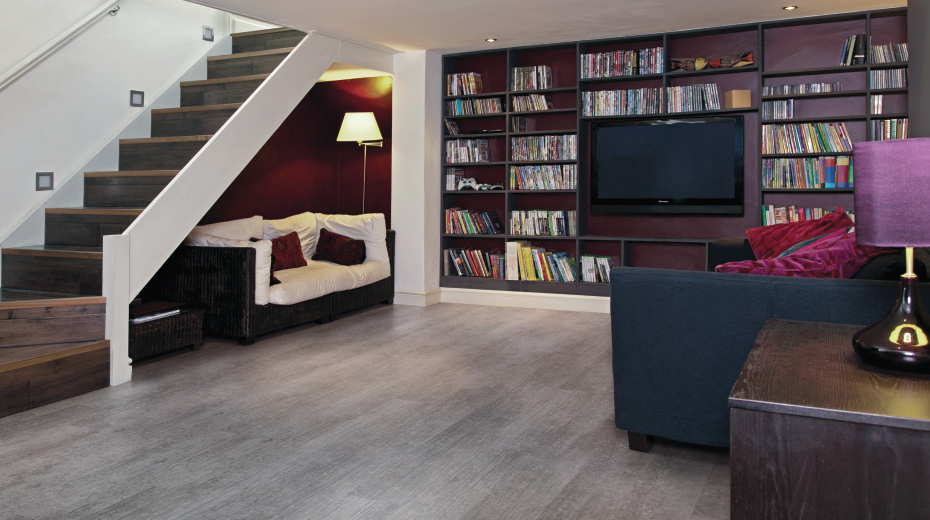
Basement lighting significantly impacts vinyl flooring color perception and overall space ambiance. I coordinate flooring choices with planned lighting schemes to optimize color accuracy and create desired moods. Warm LED lighting complements wood-look vinyl beautifully, while cool lighting enhances stone and tile patterns. The interplay between lighting and flooring colors can make basements feel welcoming or dramatic, depending on the desired effect.
Color temperature considerations become crucial when selecting vinyl colors for basement applications. Cooler colors work well with abundant natural light, while warmer tones suit spaces with primarily artificial illumination. I’ve learned that basement lighting conditions often differ significantly from showroom environments where flooring selections are made. Testing samples in actual basement lighting prevents disappointing results after installation.
Accent lighting strategies can highlight vinyl flooring patterns and create focal points that enhance the overall design. I incorporate LED strip lighting under stairs, around built-in features, and in toe-kick areas that illuminate flooring patterns beautifully. These lighting elements transform ordinary installations into dramatic design features that impress guests and family members. The combination of quality vinyl and strategic lighting creates basement spaces that rival main floor living areas.
What type of vinyl flooring works best in basements prone to occasional flooding or high humidity?
Waterproof luxury vinyl plank or tile is essential for flood-prone basements, offering complete protection against moisture damage. I recommend rigid core products with waterproof construction that can handle submersion without damage. These products feature sealed edges and waterproof cores that prevent water penetration. Avoid water-resistant options that may not withstand flooding. Proper installation with waterproof transitions and perimeter sealing ensures maximum protection for your basement investment.
Can I install vinyl flooring directly over concrete basement floors, or do I need a subfloor?
Quality vinyl flooring can be installed directly over clean, level concrete with proper preparation. I test for moisture levels and install vapor barriers when necessary to prevent problems. Minor concrete imperfections can be addressed with self-leveling compound before installation. Subfloors aren’t always necessary, but can provide additional insulation and comfort. The key is ensuring the concrete is structurally sound, clean, and properly prepared for successful vinyl installation.

How do I choose vinyl colors that will make my basement feel larger and brighter?
Lighter colors reflect more light and create illusions of spaciousness in confined basement areas. I recommend light oak, maple, or pale stone patterns that brighten dark spaces effectively. Avoid dark colors that absorb light and make spaces feel smaller. Large format planks or tiles reduce visual seams and enhance spaciousness. Strategic use of accent colors can add interest without overwhelming the space. The goal is to create bright, welcoming environments that feel connected to upper living areas.
What’s the average cost difference between DIY installation versus professional installation for basement vinyl flooring?
DIY installation typically costs 40-60% less than professional installation, depending on project complexity and local labor rates. Professional installation ranges from $3-8 per square foot, while DIY costs include only materials and tool rental. However, professional installation includes warranty coverage and expertise that prevents costly mistakes. Complex patterns or problem subfloors may justify professional installation costs. I recommend evaluating your skill level and available time before deciding on the installation approach.
How do I handle transitions between vinyl flooring and stairs or other flooring types in my basement?
Transition strips provide a clean, professional appearance between different flooring materials and elevation changes. I use matching or complementary transition pieces that coordinate with the vinyl flooring color and pattern. Stair nosing requires precise measurement and installation to ensure safety and appearance. T-moldings work well between vinyl and other flooring types on the same level. Proper transition installation prevents trip hazards while maintaining the flooring’s aesthetic appeal throughout the basement space.
What maintenance routine should I follow to keep basement vinyl flooring looking its best long-term?
Regular sweeping and occasional damp mopping with pH-neutral cleaners maintain the vinyl flooring’s appearance and performance. I recommend addressing spills immediately and using entrance mats to reduce tracked dirt. Monthly deep cleaning with vinyl-specific products removes accumulated grime effectively. Maintain proper basement humidity levels between 30-50% to prevent expansion and contraction issues. Annual inspection for loose edges or damage allows early problem detection and correction, ensuring long-term satisfaction with your investment.

Vinyl Basement Flooring Ideas

Go All Out in Your Basement Design With Luxury Vinyl Tile
LVT vs. Carpet: What’s Better for a Basement?
Best Basement Flooring Options

Related Posts: