When I converted my spare bedroom into a home office three years ago, choosing bamboo flooring was one of the smartest decisions I made for both functionality and aesthetics. I’d been working from a cramped corner of my living room with worn carpet that made my rolling office chair difficult to move and harbored dust that aggravated my allergies.
After researching various flooring options, bamboo emerged as the perfect solution, combining durability for heavy office use, easy maintenance, and an eco-friendly profile that aligned with my values. The installation process was straightforward enough for a DIY weekend project, and the results exceeded my expectations. My office now feels professional, clean, and inspiring, a space where I genuinely enjoy spending eight hours a day. Let me share what I learned about using bamboo flooring in office spaces.
Why Bamboo Flooring Works Perfectly for Office Spaces
Office environments demand flooring that can withstand unique challenges, and bamboo delivers on every front. The constant rolling of my office chair creates concentrated wear patterns that would destroy carpet or damage softer flooring materials. I chose strand-woven bamboo specifically because it’s harder than oak or maple, with a Janka rating over 3000. After three years of daily use with my heavy executive chair rolling back and forth constantly, my bamboo shows virtually no wear in the high-traffic paths.
The acoustic properties of bamboo flooring surprised me in the best way. My office is directly above my family’s living room, and I worried about noise transmission during video calls or when moving around my workspace.
Quality bamboo with proper underlayment actually absorbs sound better than I expected. My family rarely hears me walking around upstairs, and the floor doesn’t create the hollow, echoing sound that laminate or some engineered woods produce.
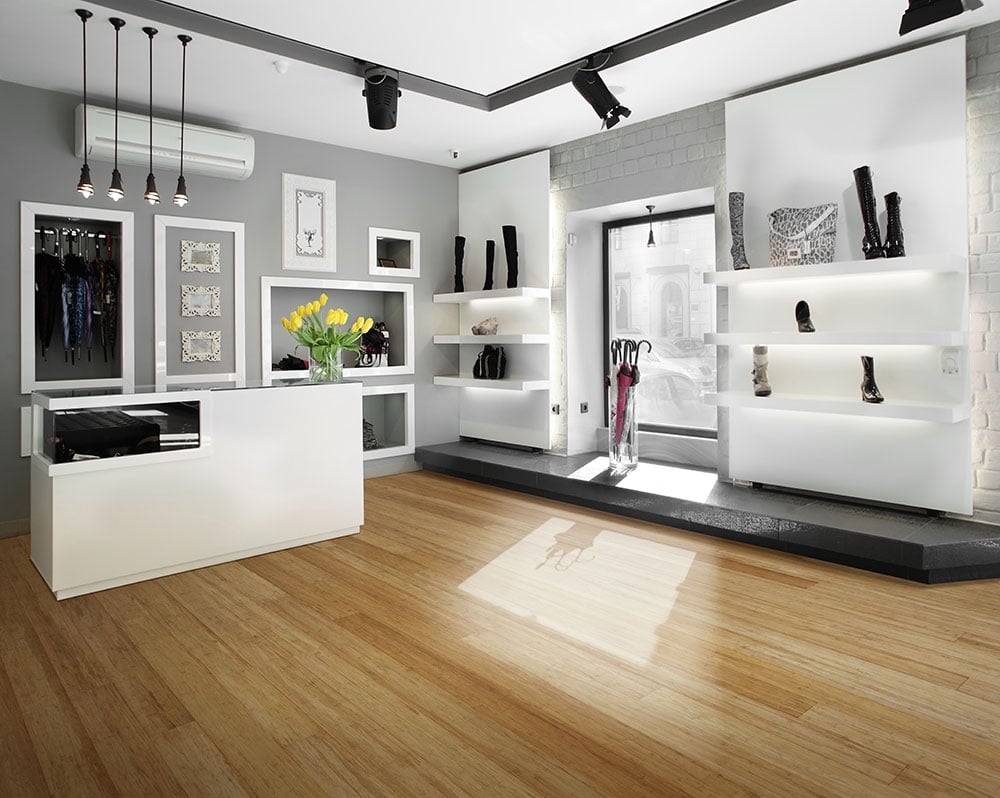
Bamboo’s natural warmth and organic aesthetic create a professional yet inviting atmosphere that influences my productivity and mood. The honey-toned natural bamboo I selected provides visual interest without being distracting, and the subtle grain patterns add character to what could have been a sterile office environment.
Clients who visit for meetings always comment on the flooring, and it sets a tone of professionalism and environmental consciousness that reflects well on my business.
Selecting the Right Bamboo Type and Finish for Office Use
I chose strand-woven bamboo over horizontal or vertical construction because my office sees intensive daily use. The compressed fiber construction creates exceptional hardness and density that handles rolling chairs, dropped objects, and constant foot traffic without denting or scratching easily. Horizontal and vertical bamboo are beautiful but softer, better suited for offices with lighter use or areas where aesthetics outweigh maximum durability requirements.
The finish I selected made a huge difference in long-term maintenance and appearance. I went with a matte aluminum oxide finish rather than glossy polyurethane because matte hides minor scratches and doesn’t show every footprint or dust particle. The low-sheen finish also reduces glare from my office’s large windows, important when I’m working on my computer for hours. I tested several finish samples under my office lighting before deciding, ensuring the matte finish wouldn’t make the space feel flat or lifeless.
Color choice was more complex than I anticipated. I initially wanted dark carbonized bamboo for a sophisticated, executive look, but samples revealed that darker colors show dust, scratches, and chair wheel marks more readily. I ultimately chose natural blonde bamboo, which hides daily wear beautifully and keeps my office feeling bright and spacious. The lighter color also reduces eye strain by reflecting natural light, an unexpected benefit that I truly appreciate during long work sessions.
Preparing Your Office Space for Installation
Removing my old carpet revealed a plywood subfloor in decent condition, though I had to make several repairs before installing bamboo. I filled low spots with floor leveling compound and replaced one damaged section near the window where water damage had occurred years ago. Bamboo flooring requires a perfectly level, stable subfloor because any imperfections telegraph through and can cause squeaking or premature wear. I spent a full day on subfloor prep, and it was time well invested.
I had to remove my office’s original baseboards carefully, labeling each piece so I could reinstall them after the flooring was down. This was more tedious than I expected, requiring a flat pry bar and patience to avoid breaking the baseboards. In hindsight, I wish I’d planned to replace the baseboards with new ones, which would have saved time and looked even better. I also had to remove the door and cut a half-inch from the bottom to accommodate the new floor height.
Climate control during acclimation was crucial for my office project. I brought the bamboo planks into my office space and let them acclimate for a full week with boxes opened and planks stacked loosely. I maintained the room temperature between 65-75 degrees and monitored humidity with a hygrometer, keeping it around 45%. My office has variable temperatures since I adjust the thermostat based on my schedule, so I ran the heat and AC normally during acclimation to expose the bamboo to real-world conditions.

Installing Bamboo Flooring in Your Office Layout
I planned my installation direction to run perpendicular to my office’s longest wall, which creates visual lines that make the rectangular room feel wider. This decision also meant the planks ran parallel to my desk, creating clean sight lines when I’m sitting at my workspace. I’ve seen offices where flooring runs in less intentional directions, and the difference in how the space feels is noticeable. Taking time to consider visual flow and room proportions pays dividends.
The actual installation went smoothly thanks to my bamboo’s click-lock floating system. I started along the wall opposite my door, working toward the entrance so I wouldn’t trap myself. I used spacers to maintain a half-inch expansion gap around all perimeters, essential for allowing the bamboo to expand and contract with seasonal humidity changes. I learned to stagger end joints randomly, creating a natural appearance while maximizing structural integrity across the floor.
Working around my office’s built-in features required problem-solving and precision. I had to cut planks to fit around heating vents, carefully measuring and using a jigsaw for the curves. I undercut my door frame using a jamb saw so planks could slide underneath for a seamless, professional appearance. The most challenging aspect was fitting around my office closet’s unusual angles, which required creating cardboard templates before cutting expensive bamboo planks. These details separate amateur from professional-looking installations.
Optimizing Your Office Layout Over Bamboo Floors
After installation, I had to reconsider furniture placement to protect my new bamboo floors. I invested in a large, thick chair mat specifically rated for hard flooring and rolling chairs. This mat sits under my desk area, protecting the bamboo from constant chair movement while making rolling effortless. I chose a mat with a smooth bottom that won’t scratch the bamboo and a textured top that grips my chair wheels, preventing the mat itself from sliding around.
I attached felt pads to every piece of office furniture, from my desk legs to my filing cabinets to my bookshelf. These inexpensive pads prevent scratches when I move furniture during cleaning or rearranging. I replace the pads every six months when they compress or fall off. I also added furniture coasters under my heavy filing cabinet, distributing its considerable weight over a larger surface area to prevent indentations in the bamboo.
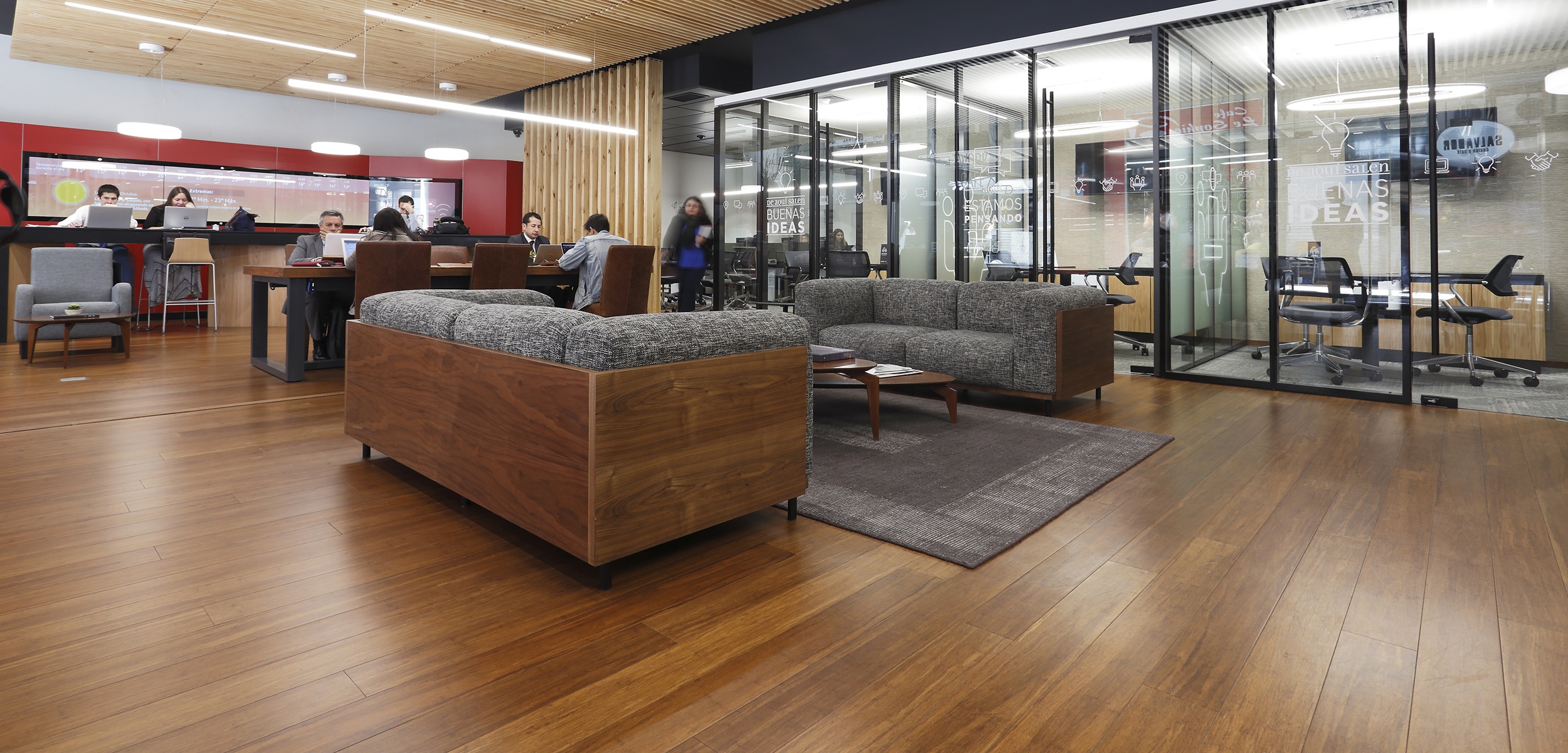
Area rugs became both decorative and protective elements in my office design. I placed a large wool rug under my desk and seating area, defining the workspace while protecting high-traffic bamboo. The rug also adds warmth and acoustic dampening, making my office feel more comfortable and less echo-prone during video calls. I chose a rug with a natural fiber backing that won’t damage bamboo, avoiding rubber-backed rugs that can cause discoloration over time.

Maintaining Bamboo Floors in High-Use Office Settings
My daily office maintenance routine is simple but essential. Each morning before starting work, I sweep or use a microfiber dust mop to remove any debris, dust, or particles that accumulated overnight. This prevents abrasive particles from scratching the bamboo as I roll my chair around throughout the day. The entire cleaning process takes about three minutes but makes a noticeable difference in keeping my floors looking pristine.
Weekly, I vacuum using a hardwood floor attachment without a beater bar, reaching under my desk and around furniture legs where dust accumulates. I follow this with damp mopping using a bamboo floor cleaner diluted according to instructions. I wring my mop nearly dry because excess water can damage bamboo flooring. I’ve found that consistent weekly cleaning prevents the buildup that would require more aggressive cleaning methods that could potentially harm the finish.
I address spills and accidents immediately, which is crucial in an office where I occasionally have coffee or water near my workspace. I keep a roll of paper towels in my desk specifically for quick cleanups. For stubborn marks from pens or other office supplies, I use a slightly damp cloth with a tiny drop of dish soap, then dry the area immediately. I also reapply felt pads to furniture quarterly and inspect my chair mat for any damage that could allow chair wheels to contact the bamboo directly.

Related Posts: