When I converted my spare bedroom into a home gym last year, I researched flooring options obsessively. I needed something that could handle dropped weights, absorb impact from jumping exercises, resist sweat and moisture, and still look good in a multipurpose space. After considering rubber mats, foam tiles, and various other options, I landed on cork flooring.
It seemed like an unconventional choice at first, but eighteen months later, my cork gym floor has exceeded every expectation. The cushioning protects my joints, the durability handles my equipment, and the natural aesthetic makes my workout space feel welcoming rather than industrial. Let me walk you through why cork became my ideal gym flooring solution.
Understanding Cork’s Natural Properties for Fitness Spaces
Cork’s cellular structure is what makes it perfect for home gyms. I learned that cork contains millions of tiny air-filled cells that act like natural shock absorbers. When I jump during burpees or box jumps, the cork compresses slightly and then bounces back.
This resilience reduces impact on my knees and ankles dramatically compared to working out on concrete or hardwood. After years of joint pain from running on hard surfaces, the difference has been life-changing.
The antimicrobial properties of cork surprised me during my research. Cork naturally resists mold, mildew, and bacteria growth, which is crucial in a sweaty gym environment. I don’t worry about odors or hygiene issues that plague some gym flooring materials.
Even after intense cardio sessions, my floor doesn’t retain that musty gym smell. A quick wipe-down with a damp cloth is all it needs to stay fresh and clean.
Cork’s thermal properties keep my basement gym comfortable year-round. Unlike cold concrete or tile, cork feels warm underfoot even in winter. I often do yoga and stretching exercises barefoot, and the slight warmth and cushioning make floor work much more comfortable. The insulation also helps regulate the room’s temperature, reducing heating and cooling costs. These natural properties made cork an obvious choice once I understood them fully.
Selecting the Right Cork Thickness and Density
Thickness became my primary consideration when comparing cork products. I chose 12mm cork flooring rather than standard 6mm residential cork. The extra thickness provides superior cushioning and sound dampening, essential for a gym space. When I drop dumbbells, even from waist height, the thicker cork absorbs impact better and protects both the floor and my downstairs neighbors. This investment in thickness has prevented damage that thinner cork couldn’t withstand.
Density ratings confused me initially until my flooring specialist explained their importance. High-density cork resists compression better under heavy equipment. My power rack and weight bench sit on the cork without creating permanent indentations. I did place equipment pads under the heaviest items as extra protection, but the dense cork handles the weight distribution impressively. Lower-density cork would have compressed and failed under this constant pressure.
I tested samples before committing, literally jumping on them and dropping weights to evaluate their performance. One sample felt too soft and bottomed out easily, another felt too hard and offered minimal cushioning. The 12mm high-density cork I ultimately chose struck the perfect balance. It cushions impacts without feeling unstable or mushy underfoot. Testing samples in your intended use case is absolutely worth the effort before making a final decision.
Installing Cork Flooring Over Various Subfloors
My basement concrete subfloor required careful preparation before cork installation. I spent two days ensuring the concrete was completely level and dry. Cork is more forgiving than some flooring types, but major irregularities will telegraph through. I used self-leveling compound in a few low spots and ground down one high area. Moisture testing confirmed my concrete was dry enough, critical because moisture will destroy cork from beneath.
I chose the floating installation method with click-lock cork planks. This approach allows the floor to expand and contract naturally with humidity changes while providing the cushioning I needed. The planks clicked together easily, though I rented a professional pull bar and tapping block for tight spaces along walls. The entire 200-square-foot gym took me one long weekend to install, saving substantial money compared to hiring professionals.
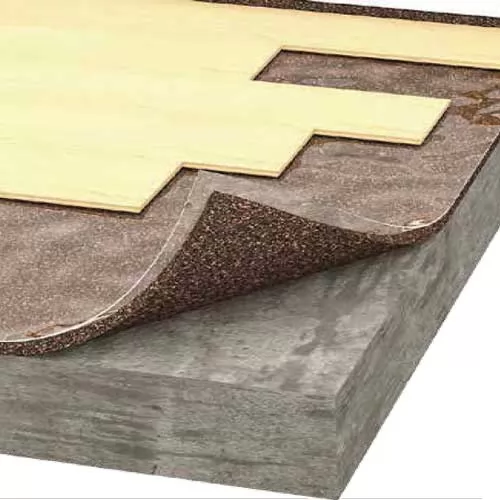
Underlayment choice mattered more than I expected. I used a dense rubber underlayment designed for high-impact applications rather than standard foam padding. This extra layer adds cushioning and sound dampening while protecting the cork from subfloor irregularities. My installer friend recommended this upgrade, and I’m glad I listened. The combination of rubber underlayment and thick cork creates a professional-grade fitness surface that rivals commercial gym flooring.

Protecting Cork from Heavy Equipment and Weights
Equipment pads became essential accessories I didn’t anticipate needing. Under my power rack’s four posts, I placed heavy-duty rubber pads that distribute weight across larger areas. These prevent point-loading that could compress the cork permanently. Similar pads under my weight bench and heavy dumbbell rack protect high-pressure zones. These inexpensive additions have preserved my floor’s integrity perfectly over eighteen months of heavy use.
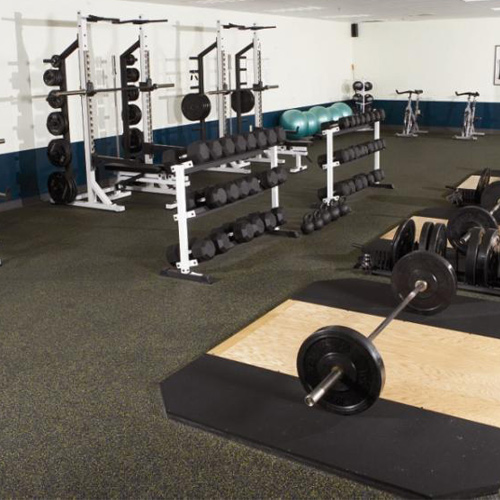
I created a dedicated lifting platform for my heaviest barbell work. Using three-quarter-inch plywood topped with rubber horse stall mats, I built an 8×8 foot platform where I do Olympic lifts and deadlifts. This protects the cork from the most extreme impacts while maintaining the cork’s benefits for the rest of my gym. The platform sits on top of the cork without attachment, allowing me to remove it if I ever repurpose the space.
Strategic placement of equipment mats in high-traffic areas extends the floor’s life. I have interlocking rubber tiles under my cardio equipment and in the stretching zone where I frequently place yoga blocks and foam rollers. These removable mats protect the cork while adding extra cushioning for specific activities. The mats are easy to clean and can be replaced individually if they wear out, a practical layered approach to floor protection.
Maintaining Cork Gym Floors Through Intense Workouts
My cleaning routine is surprisingly simple for a gym floor. I sweep or vacuum after each workout to remove dust and debris that could act like sandpaper underfoot. Twice weekly, I mop with a cork floor cleaner diluted in water, using a barely damp microfiber mop. The key is minimal water, excess moisture can damage cork even though mine is sealed. This quick maintenance keeps the floor looking and smelling fresh despite daily intense workouts.
Sweat management required developing good habits. I keep microfiber towels strategically placed and wipe up sweat immediately during workouts. Allowing sweat to sit on cork can dull the finish over time. After particularly intense sessions, I do a quick spot-clean of areas where sweat dripped. These small efforts prevent staining and finish degradation. My floor still looks nearly new because I treat sweat spills as urgently as I would on hardwood.
I reseal my cork floor annually to maintain its protective barrier. This involves light cleaning, allowing the floor to dry completely, and applying a thin coat of water-based polyurethane specifically formulated for cork. The process takes a few hours and makes the floor look refreshed and new. This annual maintenance is far easier than replacing worn flooring and extends the life significantly. I consider it preventive maintenance that’s absolutely worth the time investment.

Addressing Common Concerns About Cork in Active Spaces
Durability skepticism was my biggest initial concern. Could cork really handle what I’d throw at it? After eighteen months including dropped weights, jumping exercises, and heavy equipment, my cork floor shows minimal wear. I have one small dent where I accidentally dropped a 45-pound plate from shoulder height, but that’s user error, not a cork failure. The floor’s overall condition has silenced my durability doubts completely.
The cost made me hesitate initially. Quality cork flooring with appropriate thickness isn’t cheap, I spent about $8 per square foot for materials. However, compared to installing commercial gym flooring or repeatedly replacing cheaper options, cork represented good value. The comfort, noise reduction, and aesthetic appeal justify the investment. I view it as buying quality once rather than cheap twice, a philosophy that’s served me well.
Moisture concerns proved manageable with proper installation and maintenance. My sealed cork handles sweat without issues as long as I wipe it promptly. I wouldn’t install cork in an outdoor gym or extremely humid environment without climate control. In my temperature-controlled basement with normal humidity, cork performs perfectly. Understanding cork’s limitations and working within them ensures success. It’s not bulletproof, but with reasonable care, it’s incredibly durable.
Can cork flooring handle dropped weights?
Yes, with proper thickness and density. My 12mm high-density cork handles moderate weight drops without damage. I use equipment pads under heavy items and a lifting platform for Olympic lifts and deadlifts. For typical home gym use with dumbbells up to 50 pounds, cork works great. Commercial powerlifting gyms need different solutions, but home gyms benefit enormously from cork.
Does cork flooring absorb odors from sweat?
Not in my experience. Cork’s natural antimicrobial properties resist odor-causing bacteria. I wipe up sweat promptly and clean regularly, which prevents any smell from developing. My gym smells fresher than friends’ gyms with rubber flooring, which can retain odors. The sealed surface prevents sweat from penetrating deep into the material where bacteria could grow.
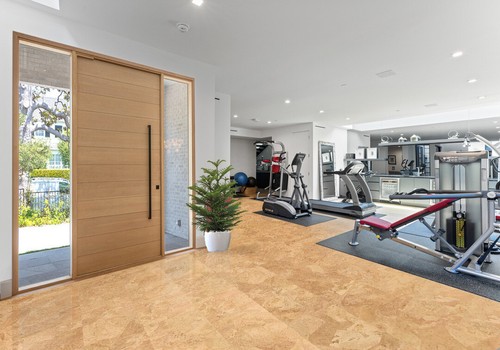
How does cork compare to rubber gym flooring?
Cork is more comfortable, attractive, and warmer underfoot. Rubber is more durable for extreme impacts and cheaper for large areas. I chose cork because my gym doubles as a yoga and stretching space where aesthetics matter. For a dedicated heavy lifting room, rubber might be better. Cork wins on comfort and appearance, rubber wins on pure toughness.
Is cork flooring suitable for cardio equipment?
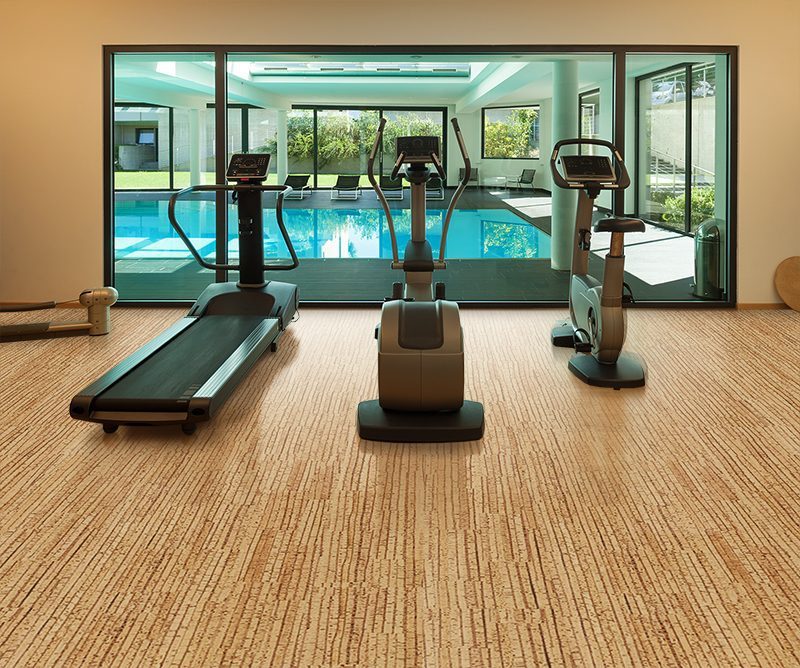
Absolutely. My treadmill and rowing machine sit on the cork without issues. The cushioning reduces vibration and noise compared to hard surfaces. I use an equipment mat under the treadmill for extra protection, but the cork handles the weight and movement fine. The shock absorption makes running on my treadmill more joint-friendly than concrete gym floors.
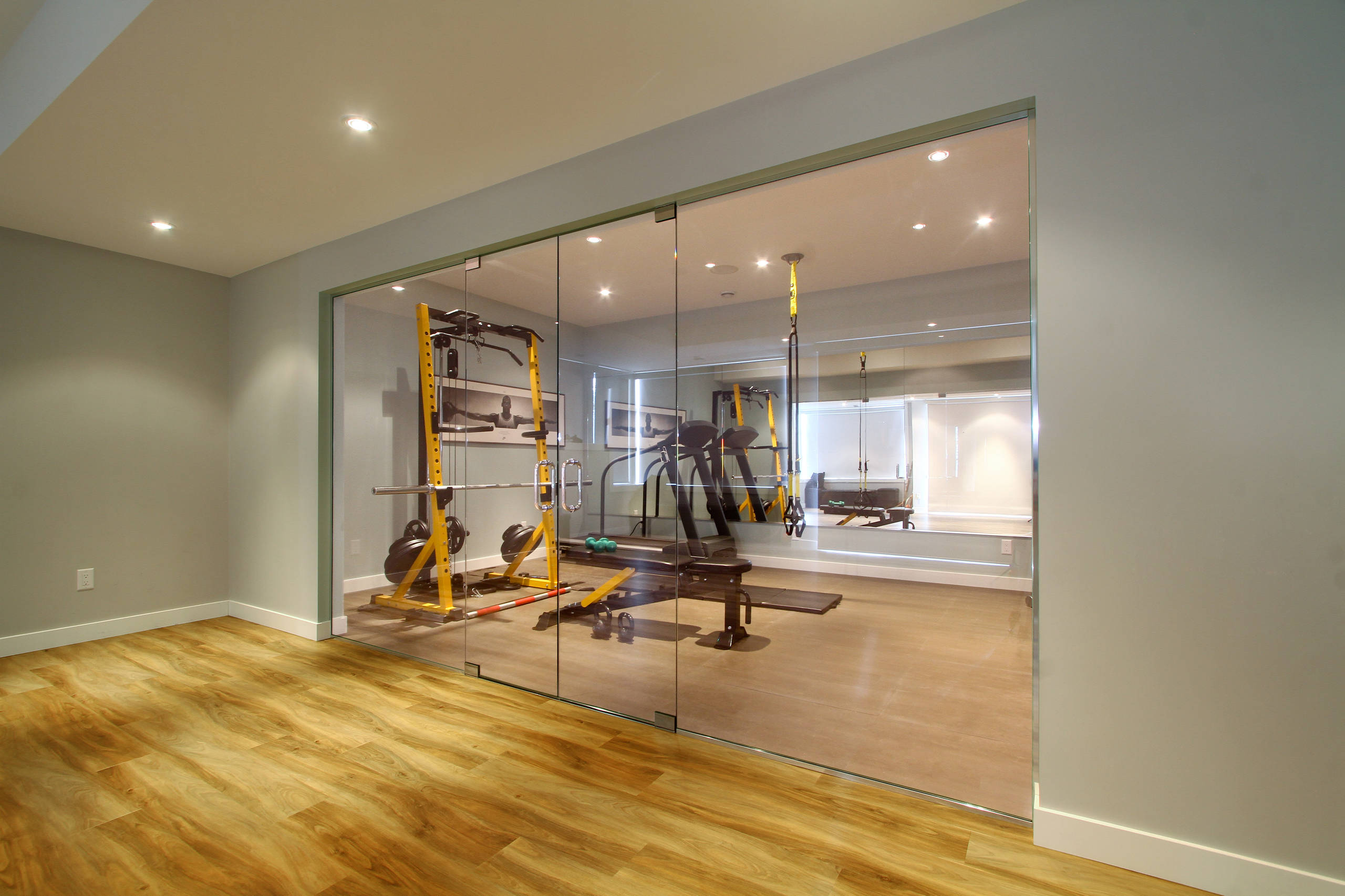
Can you install cork flooring over existing gym flooring?
Possibly, if the existing floor is smooth, level, and stable. I installed over concrete, which was ideal. Installing over old vinyl or worn carpet might work if they’re in good condition. The key is having a solid, flat substrate. Uneven or spongy underlayers will compromise cork’s performance. I’d remove old flooring for best results.
Does cork flooring work for jumping exercises?
Yes, and it’s fantastic for plyometrics. The cushioning protects joints while remaining stable enough for jumping movements. I do box jumps, jump rope, and burpees on my cork floor comfortably. The resilience prevents fatigue better than hard surfaces. It’s softer than concrete but firmer than thick rubber, ideal for explosive movements requiring stability and comfort simultaneously.

Advantages of Cork Gym Flooring: Why Install This Floor?
How to choose the best gym flooring for the home fitness?
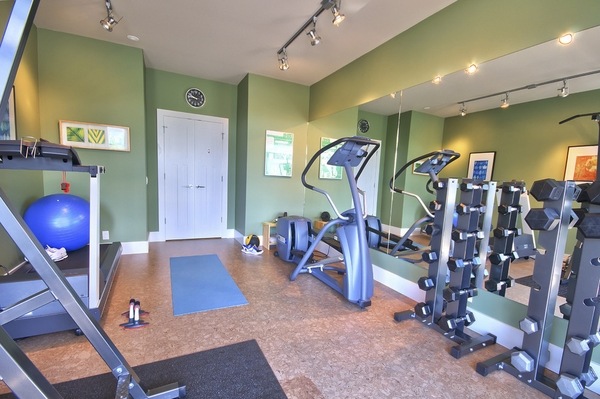
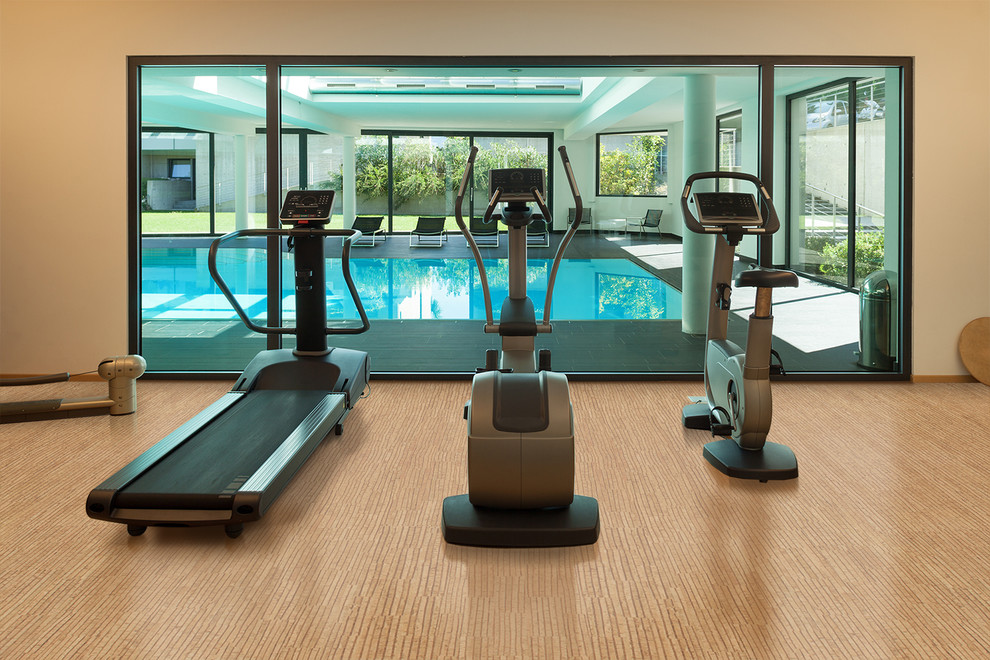
US Floors Natural Cork Flooring – Contemporary – Home Gym
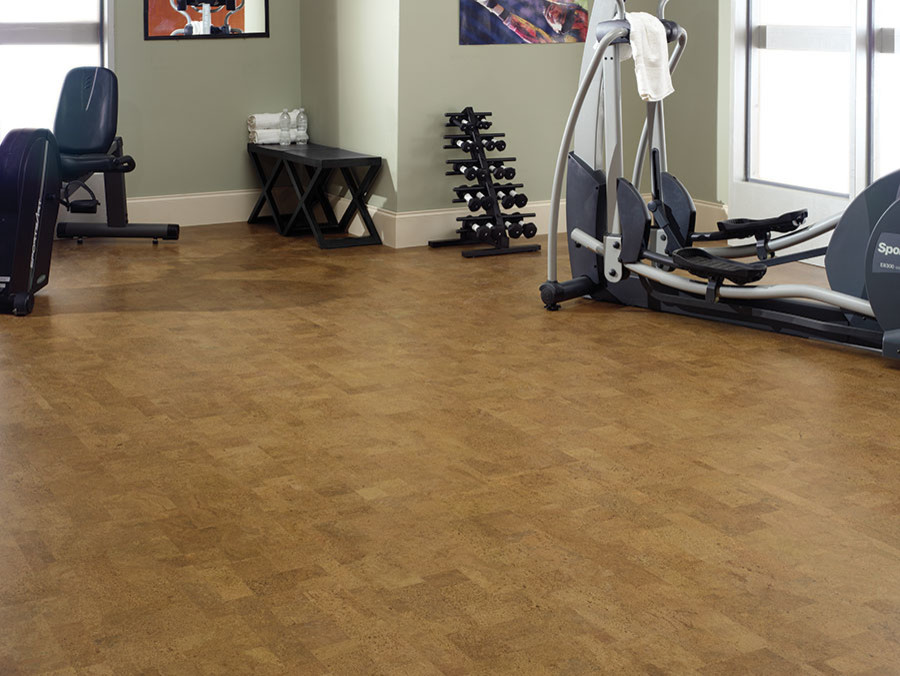
Home Gym Flooring Ideas for Best Results LivingHours
Related Posts: