When I first started researching flooring options for my living room renovation, bamboo kept showing up on every list I came across. I was skeptical at first, honestly. It sounded trendy, maybe a little gimmicky, like one of those choices you make and regret two years later when the style fades. But the more I looked into it, the more I realized bamboo flooring is one of those decisions that genuinely rewards you the longer you live with it. Here’s everything I wish someone had told me before I started tearing up my old carpet and committing to something new.
Why I Chose Bamboo Over Hardwood
I love the look of hardwood floors. Always have. But when I got quotes from a few contractors, the prices made my stomach drop in a way I wasn’t prepared for. Bamboo gave me that same warm, natural look at a fraction of the cost, and that alone was enough to get my full attention and push me to research further.
What surprised me most was learning that bamboo is actually harder than many traditional hardwoods. Strand-woven bamboo, the type I ended up choosing after a lot of back and forth, is incredibly dense and holds up beautifully to everyday foot traffic. My dog runs laps through the living room on a daily basis, and after years of use, I’ve seen barely a scratch on the surface.
The natural grain patterns in bamboo also have this quiet, sophisticated look that I find even more interesting than oak or maple. Every plank has its own character, its own subtle variation in tone and texture that makes the floor feel alive rather than uniform. I get compliments on my floors regularly, and people are genuinely surprised and a little impressed when I tell them it’s bamboo.
Understanding the Different Types of Bamboo Flooring
Before buying, I had absolutely no idea there were so many types of bamboo flooring to choose from. The main ones are solid bamboo, engineered bamboo, and strand-woven bamboo. Each has its own strengths and ideal use cases, and picking the right one for your specific situation matters a lot more than most people realize going in.
Solid bamboo is made from compressed bamboo strips and looks the most traditional and natural of the three. Engineered bamboo has a bamboo top layer bonded to a plywood core, which makes it significantly more stable in humid or temperature-variable environments. I went with strand-woven because it’s the densest and most durable option on the market, and durability was my top priority with a busy household.
If you’re installing in a basement or a room that tends to experience temperature swings throughout the year, engineered bamboo is probably your best bet by a wide margin. It handles moisture and humidity changes much better than solid bamboo, which can warp and buckle if conditions aren’t consistently stable. Taking the time to understand your space before you shop saves a lot of headaches, returns, and costly mistakes down the line.

The Installation Experience
I hired a professional installer for this project, and I’m genuinely glad I made that call rather than going the DIY route. Bamboo flooring needs to acclimate to your home’s humidity levels for at least 72 hours before installation begins. My installer explained this upfront, and I later learned it’s a step many enthusiastic DIYers skip entirely, which leads to warping and gapping problems not long after the floor goes down.
The actual installation process went more smoothly than I expected. We used a floating floor method, where the planks click together without being nailed or glued directly to the subfloor. This made the whole process faster and cleaner, and it also means the floor can expand and contract naturally with seasonal humidity and temperature changes without buckling or cracking.
One thing I really wasn’t expecting was how critical the subfloor condition turns out to be. Any bumps, dips, or moisture issues lurking in your subfloor will eventually show up through bamboo flooring and make themselves known. My installer took extra time leveling and thoroughly prepping the surface before a single plank went down, and that careful prep work made a very real difference in the smoothness and quality of the final result.
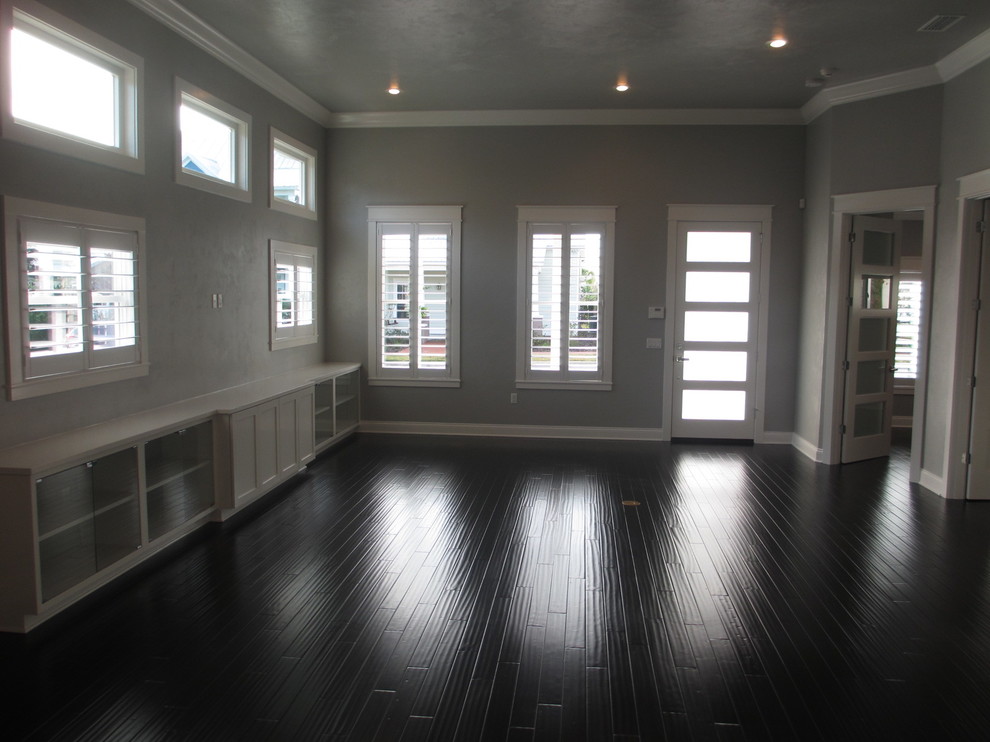
How Bamboo Flooring Holds Up to Real Life
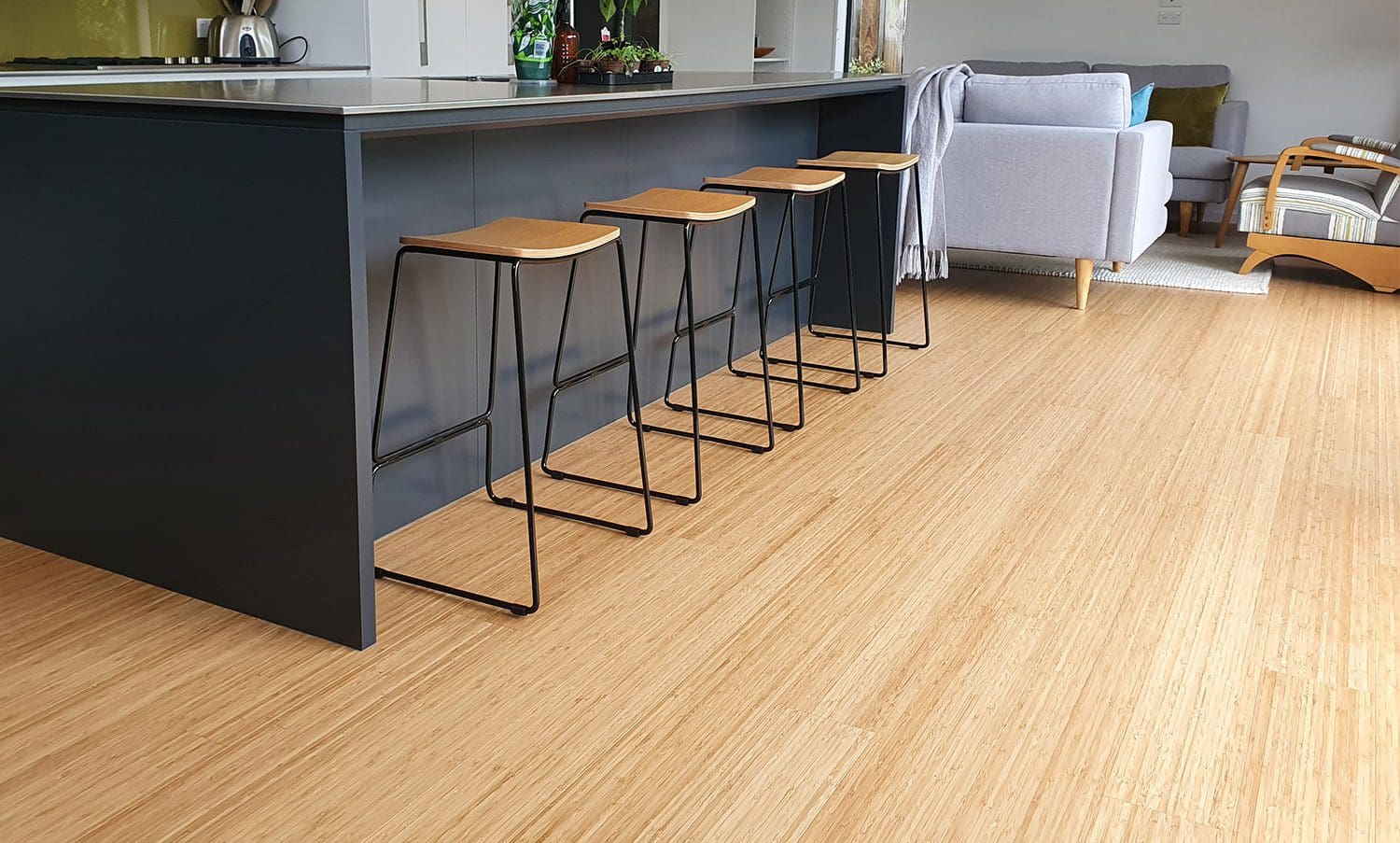
I’ve had my bamboo floors for three years now, and they honestly still look fantastic. The finish has stayed intact, the color hasn’t faded or shifted in any noticeable way, and the demands of daily life with a pet and regular entertaining haven’t left any visible damage. That kind of lasting durability provides a real sense of peace of mind that I didn’t fully appreciate until I’d lived with these floors for a while.
Spills are easy to handle as long as you wipe them up quickly and don’t let them sit. I’ve had juice, coffee, muddy paw prints, and the occasional dropped plate tracked across these floors, and a damp cloth handles all of it without any drama. What bamboo genuinely does not love is standing water or prolonged moisture exposure, so I stay careful and attentive around the edges near my kitchen sink and any areas prone to splashing.
Sunlight was one concern I had going in that I took seriously before installation. Bamboo can amber or lighten noticeably over time with heavy UV exposure, which can create uneven color across a room if some areas get more sun than others. I added UV-filtering window film to the sunniest windows in the room as a precaution, and so far, the color has stayed beautifully consistent and even across the entire floor.

The Sustainability Angle (And Why It Matters to Me)
I care about making choices that are better for the environment wherever I reasonably can, and bamboo flooring genuinely earns its reputation as one of the more sustainable options available today. Bamboo is a grass that grows at a remarkable pace, with some species reaching up to three feet per day under the right conditions, and it regenerates from its own root system without needing to be replanted after harvest.
Compared to hardwood trees that can take anywhere from 40 to 100 years to reach maturity, bamboo gets to harvest-ready size in just three to five years. Choosing bamboo for my renovation felt like a small but meaningful way to reduce my project’s environmental footprint without having to sacrifice any of the beauty, warmth, or quality I was looking for in a floor.
That said, I did my homework carefully on certifications before making a final purchase. I looked specifically for products carrying Floorscore or FSC certification to make sure the manufacturing process itself was held to responsible environmental standards. Not all bamboo flooring is created equal, and where and how it’s processed matters just as much as the raw material itself when you’re trying to make a genuinely green choice.
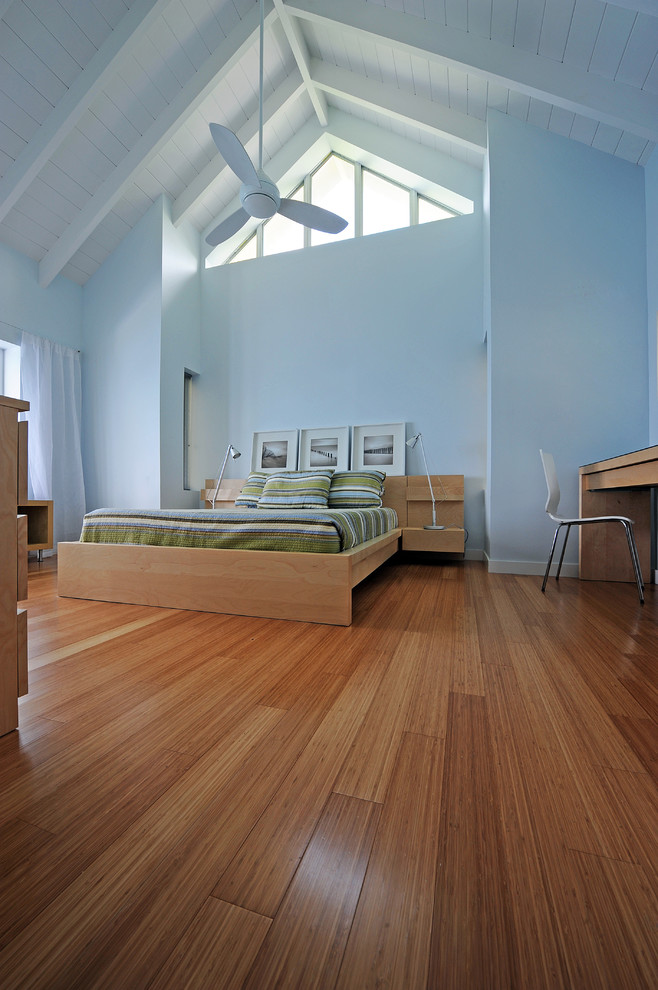
Maintenance Tips I’ve Picked Up Along the Way
Keeping bamboo floors looking their best is pretty straightforward once you understand the basics and build a simple routine around them. I sweep or use a microfiber dust mop every couple of days to keep grit and debris from building up on the surface. Fine grit tracked in from outside is honestly the biggest enemy of any hardwood-style floor, and staying on top of it makes a noticeable difference over time.
For deeper cleaning sessions, I use a cleaner specifically formulated for bamboo or hardwood floors, and I steer completely clear of anything containing wax, ammonia, or harsh chemicals. Steam mops are a mistake I see recommended surprisingly often online, but they can seriously damage both the finish and the bamboo itself over time, so I avoid them entirely no matter how convenient they seem.
I also made a point of putting felt pads under all my furniture legs before the floors were even fully installed and settled. It takes about five minutes total and saves an enormous amount of surface wear over the years. Area rugs in the highest-traffic spots help too, and they add a nice layered, lived-in look to the room without covering up the beautiful floor underneath that I worked so hard to choose and install correctly.
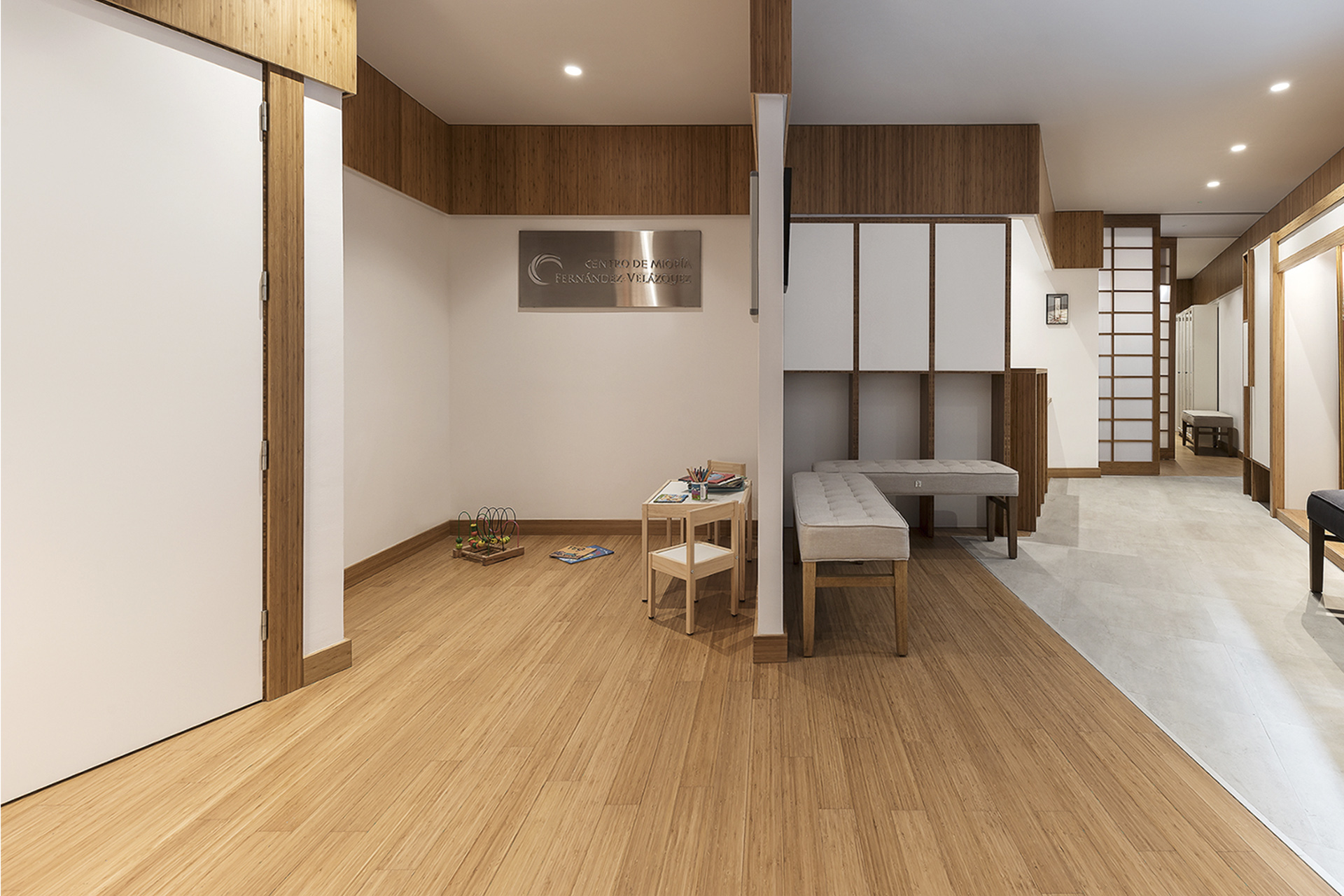
Is bamboo flooring good for homes with pets and kids?
Yes, in my experience it holds up really well to the chaos of a busy household. Strand-woven bamboo especially is hard enough to resist most scratches from pet nails and energetic kids running around. Just keep pet nails trimmed regularly and place mats at all entryways to catch dirt and debris before it reaches the floor. It’s honestly one of the more practical and family-friendly natural flooring options I’ve come across.
Can bamboo flooring be installed in a bathroom or kitchen?
I personally wouldn’t put it in a full bathroom where moisture is constant and unavoidable. Bamboo doesn’t handle prolonged moisture exposure particularly well, and it can warp or swell over time in those conditions. A kitchen is manageable as long as spills are wiped up quickly and consistently. For bathrooms, engineered bamboo is a safer choice at minimum, but luxury vinyl or tile might honestly be the smarter, more stress-free option for those wetter spaces.
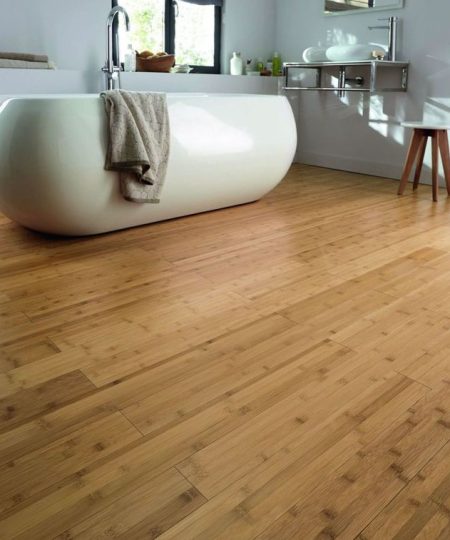
How long does bamboo flooring last?
With proper care and maintenance, bamboo floors can last 20 to 25 years or more, which is comparable to many hardwood options. Mine are three years old and still look nearly new with regular upkeep. The key factors are consistent cleaning habits, avoiding excess moisture, protecting the surface from grit, and not dragging heavy furniture across it. Buying a quality product from a reputable brand also makes a significant difference in longevity.
Is bamboo flooring expensive compared to hardwood?
It’s generally more affordable, which was a major factor in my decision. I paid noticeably less per square foot than I would have for comparable hardwood options, and the installation cost came out roughly similar. You do get what you pay for with bamboo though, so investing in mid-range or higher quality products is absolutely worth it over grabbing the cheapest option available, which can disappoint quickly.
Does bamboo flooring work with radiant heat systems?
Engineered bamboo tends to work best with radiant heat systems because of its more stable construction. Solid bamboo can be more sensitive to the temperature changes that come with in-floor heating and may not be recommended by all manufacturers for that application. Always check the specific manufacturer’s guidelines before installing over radiant heat, and keep your heat settings within their recommended temperature range to avoid any issues.
How do I know if the bamboo flooring I’m buying is good quality?
Look for recognized certifications like FSC, FloorScore, or CARB compliance, which signals low VOC emissions and responsible sourcing. Check the Janka hardness rating on the product, especially if you’re leaning toward strand-woven options. Read reviews from real homeowners who’ve lived with the product for a few years, buy from established brands with a track record, and take the warranty seriously. A solid 25-year warranty is usually a reliable indicator of a quality, well-made product.
Related Posts: