When I started shopping for bamboo flooring planks last year, I felt completely overwhelmed by the options available. Different construction types, varying widths and lengths, multiple finish options, and a huge range in quality and pricing made the decision feel impossible. After visiting six showrooms, consulting with three installers, and spending countless hours researching online, I finally understood what makes some bamboo planks superior to others.
The planks I ultimately chose transformed my home, providing beautiful, durable flooring that I’m proud to show off. The installation taught me valuable lessons about acclimation, handling, and working with this unique material. Let me walk you through everything I wish someone had told me before I started this journey.
Understanding Different Bamboo Plank Construction Types
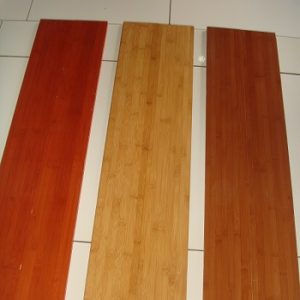
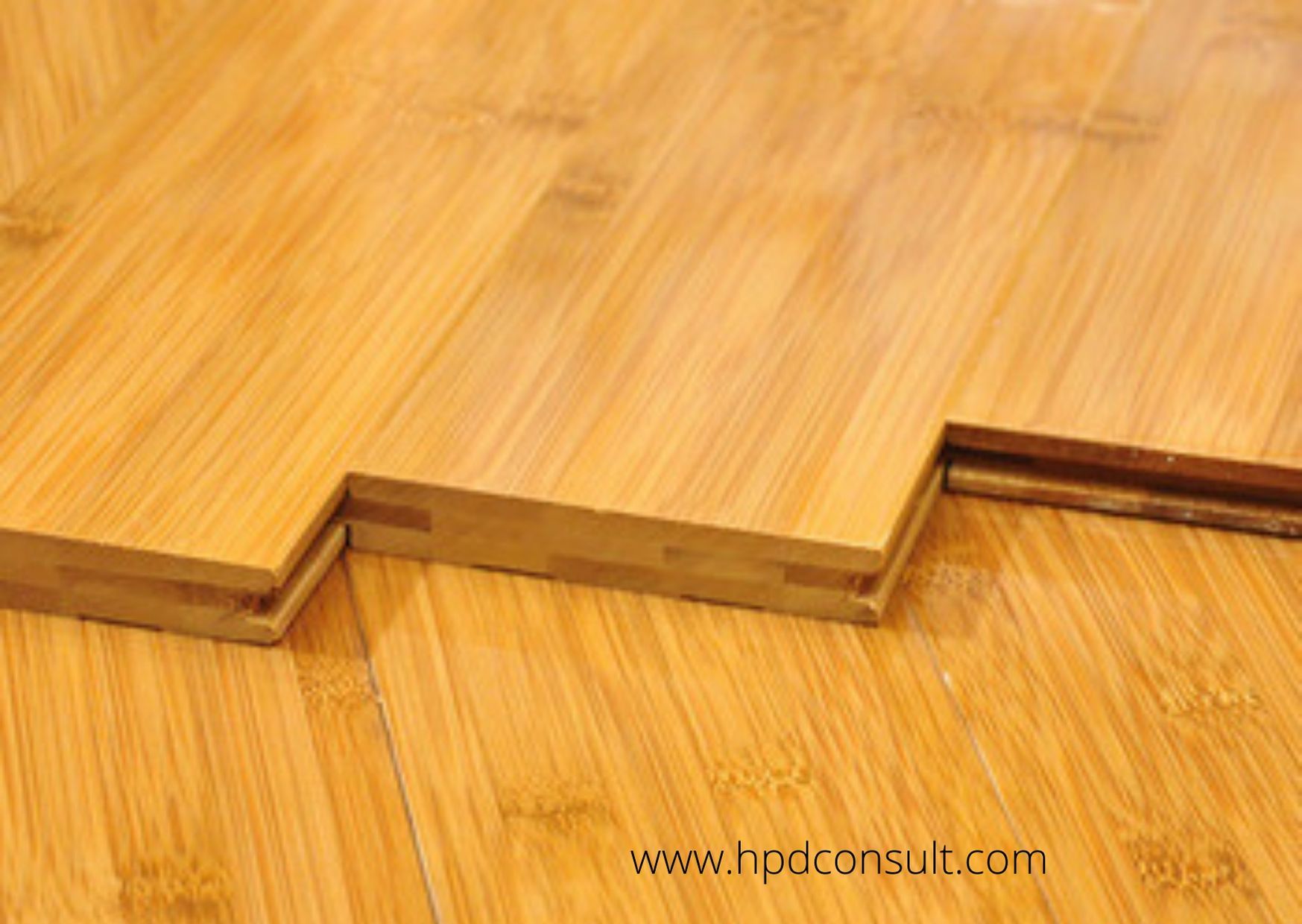
The first major decision I faced was choosing between horizontal, vertical, and strand-woven bamboo plank construction. Horizontal bamboo planks show the characteristic wide bamboo nodes and grain patterns that create a distinctive, recognizable bamboo appearance.
I loved this traditional look initially, but I learned that horizontal construction is the softest of the three types, making it more susceptible to dents and scratches. It works beautifully in low-traffic areas like bedrooms but concerned me for my busy living spaces.
Vertical bamboo planks feature tighter, more uniform grain patterns because the bamboo strips are stood on edge during manufacturing. This construction creates a look that more closely resembles traditional hardwood flooring, which appealed to me since I wanted bamboo’s sustainability without an overtly exotic appearance.
Vertical bamboo is harder than horizontal but still softer than strand-woven. I considered it seriously for my dining room where moderate traffic wouldn’t stress the material excessively.
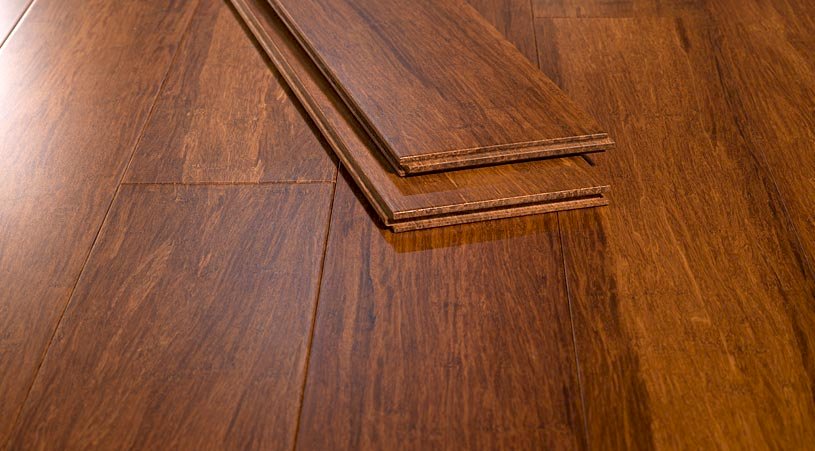
I ultimately chose strand-woven bamboo planks for most of my home because they’re incredibly hard and durable, often rating above 3000 on the Janka hardness scale. This construction compresses shredded bamboo fibers under extreme pressure with adhesives, creating a dense, incredibly tough material. The grain pattern is less obviously bamboo and more varied, almost resembling exotic hardwoods. The extra durability was worth it for my high-traffic areas, active kids, and large dog who had destroyed our previous floors.

Selecting Plank Dimensions for Your Space
Bamboo plank width significantly impacts a room’s visual proportions and installation complexity. I tested samples ranging from three to seven inches wide, laying them in my rooms to visualize the effect. Narrow planks around three inches create a traditional, busy appearance with many seams that can make small rooms feel cluttered. However, they work beautifully in spaces where you want a classic hardwood aesthetic, and I ultimately used them in my home office.
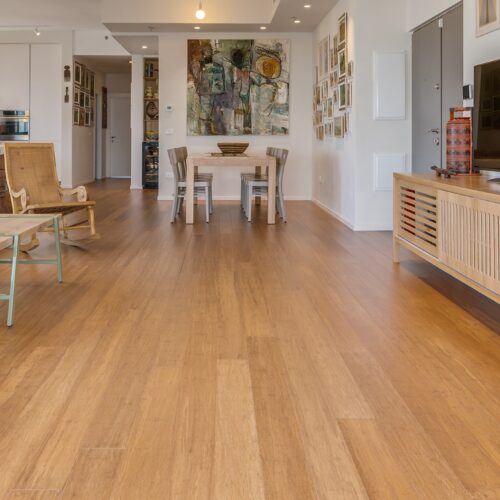
Wide planks measuring five to seven inches were perfect for my open-concept living and dining area. The wider planks create fewer seams, producing a cleaner, more contemporary look that makes spaces feel larger and less fragmented. I chose six-inch planks for these main areas, which struck the perfect balance between modern aesthetics and practical installation. The wider planks did generate more waste during cutting, but the visual impact justified the additional material cost.
Plank length was equally important to consider. Standard lengths run 36 to 48 inches, but I found planks up to 72 inches available from specialty suppliers. I chose longer planks, mostly 60 inches, for my living room because they create fewer end joints and more continuous grain flow. The longer planks were more challenging to handle during installation, requiring two people for proper positioning, but they created the seamless appearance I envisioned. Shorter planks work better in smaller rooms and are easier for solo DIY installation.

Evaluating Surface Finishes and Textures
The finish on bamboo planks dramatically affects both appearance and maintenance requirements. I examined smooth, hand-scraped, wire-brushed, and distressed finishes before making my decision. Smooth finishes create a sleek, contemporary look that showcases bamboo’s natural grain beautifully. However, I worried that every scratch and scuff would be obvious on the perfectly smooth surface, especially with my active household. Smooth finishes work best in formal, low-traffic spaces or homes without pets and children.
Hand-scraped bamboo planks became my choice for most areas because the textured surface hides minor imperfections and wear incredibly well. Each plank has subtle irregularities and tool marks that add character and dimension. The hand-scraped texture creates visual interest while providing practical benefits, making daily wear and tear less noticeable. I found that this finish also provides slight slip resistance, which I appreciated in my kitchen where spills occasionally happen.
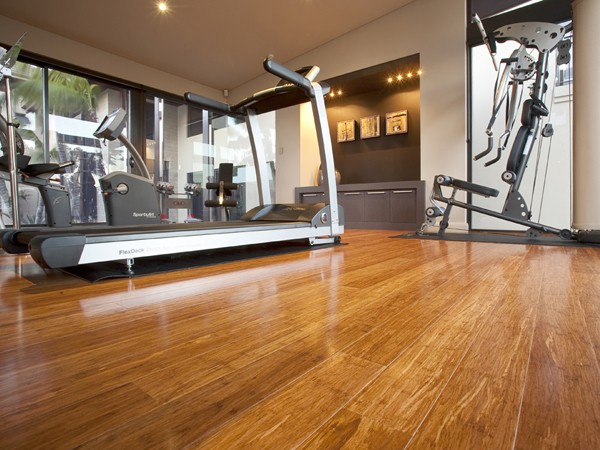
For the finish coating itself, I chose matte aluminum oxide rather than glossy polyurethane. The matte finish maintains bamboo’s natural, organic appearance without the plastic-like sheen of high-gloss finishes. Aluminum oxide provides superior scratch and wear resistance compared to standard polyurethane, essential for protecting my investment. Some manufacturers offer low-VOC or natural oil finishes, which I considered for indoor air quality but ultimately decided the durability of aluminum oxide better suited my needs.
Assessing Quality Grades and Certifications
Learning to identify quality bamboo planks saved me from purchasing inferior products. I examined how planks were manufactured, looking specifically at the adhesives used to bind bamboo fibers together. Low-quality planks often use formaldehyde-based adhesives that off-gas harmful chemicals into your home for years. I insisted on planks certified as formaldehyde-free or using low-VOC adhesives, protecting my family’s health. FloorScore and GreenGuard certifications indicate products meet strict indoor air quality standards.
Moisture content proved crucial for long-term performance. Quality bamboo planks should have moisture content between 6-9%, appropriate for most indoor environments. I asked suppliers for documentation showing their moisture content testing. Planks with excessive moisture will shrink and gap after installation, while overly dry planks may expand and buckle. Reputable manufacturers test and document this specification, while budget suppliers often skip this critical quality control step.
I also learned about bamboo sourcing and sustainability certifications. Not all bamboo is harvested sustainably or processed responsibly. I looked for FSC certification indicating the bamboo came from managed forests with responsible harvesting practices. Some manufacturers could provide detailed information about their bamboo sources and processing facilities, while others couldn’t or wouldn’t share this information. Transparency about sourcing was, for me, an indicator of overall quality and business integrity.

Comparing Installation Methods and Systems
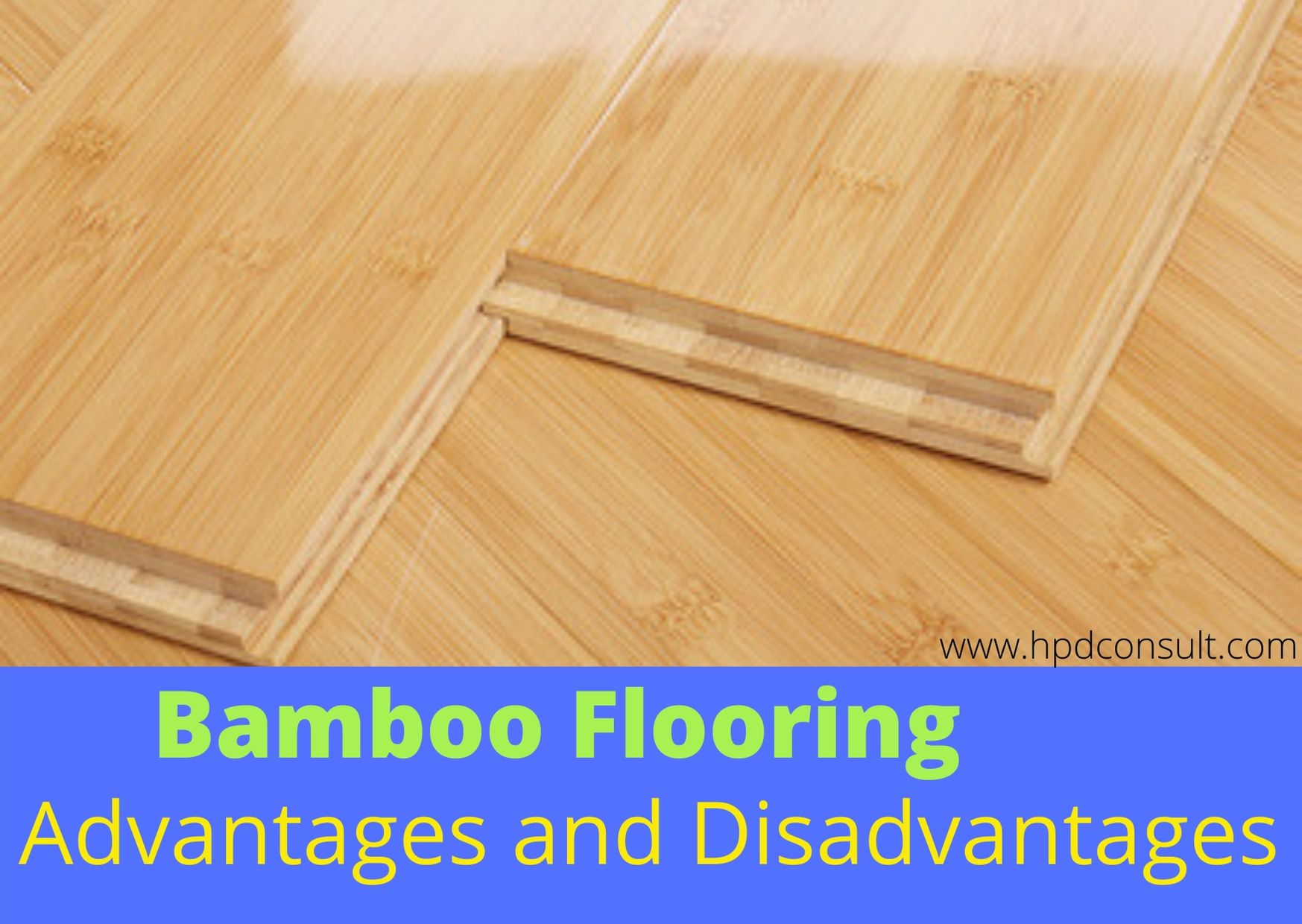
Bamboo planks are available with several installation systems, each with advantages and considerations. My planks feature a click-lock tongue-and-groove system designed for floating floor installation. This method doesn’t require glue or nails, making it perfect for DIY installation. The planks simply click together and float over underlayment, allowing for natural expansion and contraction. I completed my living room installation in a weekend, something that wouldn’t have been possible with glue-down or nail-down systems.
I considered glue-down installation for my kitchen because it creates an extremely stable floor without any possibility of movement or noise. However, my installer explained that glue-down systems are permanent and make future plank replacement difficult if damage occurs. The process also requires more skill and specialized tools, adding significantly to professional installation costs. I ultimately stayed with floating installation throughout my home, using quality underlayment to minimize any potential movement or noise.
Nail-down installation was recommended for my specific bamboo planks by one contractor, but I learned this method only works with certain plank thicknesses and solid bamboo types. My strand-woven planks weren’t suitable for nailing because the extreme density makes them difficult to nail without splitting. Additionally, nail-down installation requires a wooden subfloor, while my home has concrete slabs in several areas. The floating click-lock system provided maximum flexibility for my various subfloor types throughout the house.
Preparing for Acclimation and Storage
Proper acclimation was the most critical step I learned about before installation. My bamboo planks arrived in sealed boxes that I had to open and stack loosely in the rooms where they’d be installed. This acclimation period allows the bamboo to adjust to my home’s specific temperature and humidity levels, preventing future warping, cupping, or gapping. I followed the manufacturer’s requirement of seven days acclimation, though I know some installers cut this short at their own risk.
During acclimation, I maintained consistent environmental conditions. I kept my home’s temperature between 60-80 degrees Fahrenheit and ran my HVAC system normally to establish the humidity levels the floors would experience long-term. I invested in a hygrometer to monitor humidity, ensuring it stayed between 35-55%. These conditions needed to remain stable not just during acclimation but permanently to protect my bamboo floors from damage caused by excessive moisture or dryness.
I stored the planks carefully during acclimation, stacking them flat with spacers between layers for air circulation. I learned that standing planks on edge or stacking them too high can cause warping before installation even begins. I kept the planks away from direct sunlight, heating vents, and exterior walls where temperature and humidity fluctuations are most extreme. This careful attention to acclimation requirements set my installation up for success and has prevented problems I’ve seen in friends’ homes where acclimation was rushed or skipped entirely.

How do I know if bamboo planks are high quality or cheap imitations?
I evaluate several factors including hardness rating, formaldehyde-free certification, moisture content documentation, and warranty terms. Quality planks feel dense and heavy, have consistent color and grain, and come from manufacturers who provide detailed specifications. I avoid planks that seem unusually cheap, lack certifications, or come from suppliers who can’t answer specific questions about construction and sourcing. Expect to pay $3-8 per square foot for quality bamboo planks.
Can bamboo planks be installed over concrete, or do they need wooden subfloors?
I successfully installed floating bamboo planks over concrete slabs in several rooms of my home. The key is using proper moisture barriers and underlayment designed for concrete applications. I tested my concrete for moisture using a calcium chloride test kit before installation, ensuring levels were below the manufacturer’s maximum threshold. Glue-down and nail-down systems have different subfloor requirements, but floating systems work beautifully over properly prepared concrete.
How wide should the expansion gaps be around the perimeter when installing bamboo planks?
I maintained half-inch expansion gaps around all room perimeters, doorways, and any fixed objects like cabinets or posts. Bamboo expands and contracts with humidity changes, and insufficient gaps can cause buckling or cupping. I used spacers during installation to maintain consistent gaps, then covered them with baseboards and quarter-round molding after installation. This spacing is critical for floating installations and should never be compromised even if it seems excessive.
Are longer bamboo planks better than shorter ones, or does it not matter?
Longer planks create fewer end joints and more continuous grain flow, which I find more aesthetically pleasing. They also provide slightly more structural stability in floating installations. However, longer planks are harder to handle during installation, generate more waste due to their size, and cost more per square foot. For DIY installation, I found 48-60 inch planks offer a good balance between appearance and manageability.
Do bamboo planks need special underlayment, or can I use standard foam padding?
I used underlayment specifically rated for bamboo and engineered wood flooring. Quality underlayment provides moisture protection, minor subfloor imperfection compensation, and sound dampening. I chose a product with both a moisture barrier and antimicrobial properties. Standard foam carpet padding isn’t appropriate for bamboo flooring. I spent about $0.50 per square foot on quality underlayment, which was worth it for the protection and performance benefits.
How do bamboo plank colors change over time with sun exposure?
My natural blonde bamboo has darkened slightly in areas receiving direct sunlight, developing warmer honey tones after one year. Carbonized bamboo can fade somewhat with UV exposure. I minimize color changes by using window treatments during peak sunlight hours and area rugs in sunny spots. Most quality bamboo planks include UV-resistant finishes that slow this process. Some color evolution is natural and many people, myself included, find it adds character and patina.
Carbonized Wide Plank Bamboo
Related Posts: