When I started planning my home renovation, I knew the stairs needed attention. After years of worn carpet and creaky treads, I wanted something fresh, sustainable, and striking. That’s when I discovered bamboo flooring for stairs. I’ll be honest, I was skeptical at first. Could bamboo really handle the constant foot traffic? Would it look as good in person as it did online? After installing bamboo on my staircase two years ago, I can confidently say it was one of the best decisions I made during my renovation.
Understanding Bamboo’s Natural Strength for High-Traffic Areas
I spent weeks researching before committing to bamboo, and what I learned surprised me. Bamboo isn’t actually wood, it’s a grass, but it’s incredibly strong. The strand-woven variety I chose has a Janka hardness rating higher than oak or maple. For stairs that get pounded daily by my family of four, plus our golden retriever, this durability was essential. I needed something that could take a beating and still look beautiful.
The density of strand-woven bamboo comes from its manufacturing process. Bamboo fibers are compressed under extreme pressure with adhesives, creating an incredibly hard surface. When I compared samples, I could immediately feel the difference. The bamboo felt solid and substantial, unlike some softer woods I’d considered. This gave me confidence it would hold up on stairs where every step concentrates force on a small area.
What really sold me was talking to a neighbor who’d installed bamboo stairs five years earlier. Her staircase still looked pristine, with minimal wear even in the center of each tread where traffic is heaviest. She told me she’d only needed to clean and occasionally refinish the surface. Seeing her real-world results made my decision much easier.
Choosing Between Solid and Engineered Bamboo for Your Staircase
This was my first major decision point, and I agonized over it for days. Solid bamboo is exactly what it sounds like: planks made entirely from bamboo. Engineered bamboo has a bamboo veneer over a plywood or HDF core. I initially thought solid was automatically better, but my contractor helped me understand the nuances. For stairs, engineered bamboo often performs better because it’s more stable and less prone to expansion and contraction.
My house has varying humidity levels throughout the year, typical for my climate. Solid bamboo can expand or contract with these changes, potentially creating gaps or warping on stairs where precision is critical. Engineered bamboo’s layered construction resists these movements. I went with engineered bamboo with a thick wear layer, giving me durability without the dimensional instability concerns.
The cost difference was negligible for my project. Solid bamboo was slightly cheaper per square foot, but when I factored in the reduced risk of future issues and easier installation, engineered made more financial sense. I also liked knowing I could refinish the surface if needed years down the line, since my wear layer was substantial enough to handle sanding.

Installation Techniques I Learned the Hard Way
I considered DIY installation to save money, but after watching a few YouTube videos, I quickly realized stairs are a different beast than flat floors. The precision required for nosings, risers, and treads was beyond my skill level. I hired a professional installer who specialized in hardwood stairs, and watching him work taught me why this expertise matters. Every measurement had to be exact to avoid gaps or overhangs.
My installer used a combination of adhesive and finish nails for the treads. He explained that stairs need extra holding power because of the constant stress and potential for movement. The adhesive created a permanent bond, while the nails provided immediate hold during installation. For the risers, he used just adhesive since they don’t bear weight. This approach has kept everything rock-solid for two years.
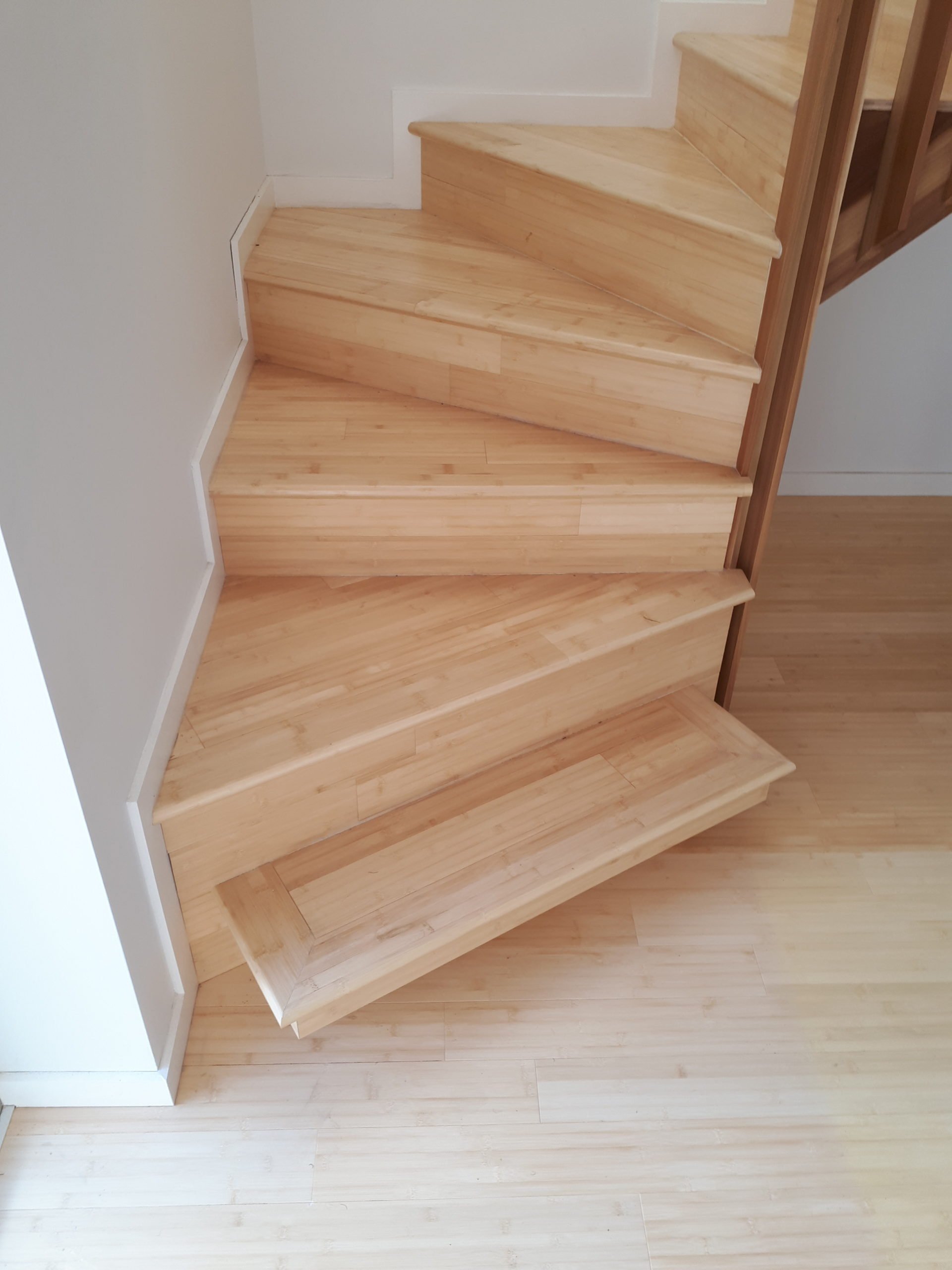
One thing I didn’t anticipate was the stair nose pieces. These rounded edges that extend slightly beyond each tread required special bamboo nosing that matched my flooring. My installer had to carefully route and fit each piece to create that professional, finished look. If I’d attempted this myself, I would have ruined several expensive pieces learning the technique. The professional installation was worth every penny.
Finishing and Protecting High-Traffic Stair Surfaces
After installation, the finishing process was crucial. My installer recommended a high-quality polyurethane specifically designed for floors, applied in multiple coats. I chose a semi-gloss finish because I wanted some sheen without the slipperiness of high-gloss. On stairs, traction is a safety issue I couldn’t ignore. The semi-gloss gave me a beautiful appearance while maintaining grip underfoot.
We applied four coats of finish, sanding lightly between each coat. This might seem excessive, but my installer insisted that stairs need extra protection. He was right. High-traffic areas wear through finish faster than regular floors, and those extra coats have kept my stairs looking new. I touch up the finish annually with a light screening and one fresh coat, which takes just an afternoon.
I also added non-slip stair treads to a few steps where my kids tend to run. These transparent adhesive strips are barely visible but provide extra grip, especially important since bamboo can be slightly slippery in socks. It’s a small addition that gives me peace of mind, particularly with young children in the house. Safety and beauty can absolutely coexist.

Maintaining Bamboo Stairs Through Daily Wear
My maintenance routine is simpler than I expected. I sweep or vacuum the stairs every few days to remove dirt and grit that can scratch the finish. This takes maybe five minutes but makes a huge difference in preventing surface damage. I learned early on that small particles act like sandpaper when stepped on repeatedly, so staying on top of cleaning protects my investment.
For deeper cleaning, I use a slightly damp microfiber mop with a pH-neutral bamboo floor cleaner once a week. I avoid soaking the stairs, too much water can seep into seams and cause problems. A lightly dampened mop is perfect for removing sticky spots and refreshing the surface. I dry the stairs immediately with a clean cloth to prevent any moisture from sitting.
The biggest maintenance challenge has been dealing with scratches from my dog’s nails. Despite keeping them trimmed, occasional surface scratches appear. I keep a small container of touch-up finish on hand and can usually buff out minor scratches with a soft cloth. For deeper gouges, I use a bamboo repair marker that matches my floor color. These simple fixes keep the stairs looking great between professional refinishing sessions.

Addressing Common Concerns About Bamboo on Stairs
When friends visit, they often express surprise that my stairs are bamboo. Many assume bamboo is only for modern or Asian-inspired homes, but it complements my traditional colonial surprisingly well. The natural variation in color and grain gives bamboo a warmth similar to oak or hickory. I chose a carbonized finish that has rich, caramel tones, fitting perfectly with my existing trim and doors.
The environmental aspect was important to me, though I’ll admit it wasn’t my primary motivation. Bamboo grows incredibly fast, reaching maturity in three to five years compared to decades for hardwood trees. Knowing my stairs came from a renewable resource felt good, but I mainly chose bamboo for its performance and appearance. The sustainability was a bonus that aligned with my values without compromising on quality.
Cost was my biggest concern initially. Quality bamboo flooring isn’t cheap, and stairs require precise cuts that create more waste. My total project, including materials and professional installation, cost about 30% more than carpet would have, but less than exotic hardwoods. Considering the longevity and timeless appearance, I view it as a long-term investment that’s already paid dividends in home value and daily enjoyment.
Is bamboo flooring slippery on stairs?
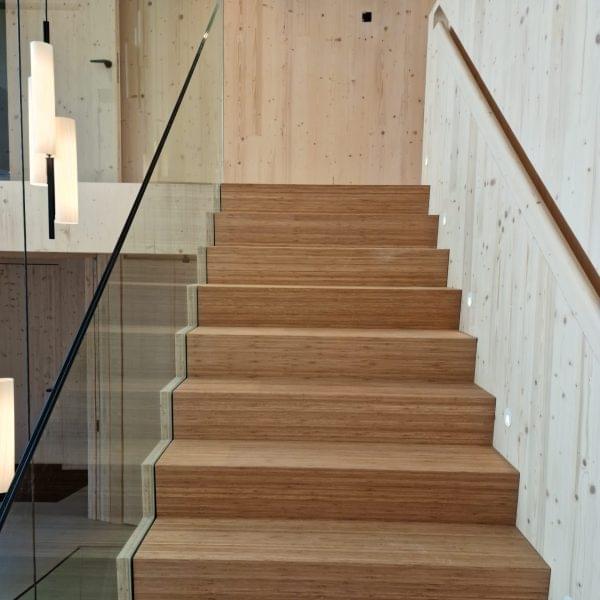
In my experience, properly finished bamboo stairs have adequate traction, especially with semi-gloss or satin finishes. I avoid high-gloss finishes on stairs for safety reasons. Adding subtle non-slip treads in high-traffic areas provides extra security without detracting from the bamboo’s appearance. My family navigates them safely daily.
How does bamboo hold up to kids and pets on stairs?
My bamboo stairs handle my two kids and large dog remarkably well. Strand-woven bamboo is harder than most hardwoods, resisting dents and scratches better than I expected. Surface scratches from dog nails do occur but are easily touched up. The durability has exceeded my expectations, and the stairs still look nearly new after constant use.
Can I install bamboo flooring on stairs myself?
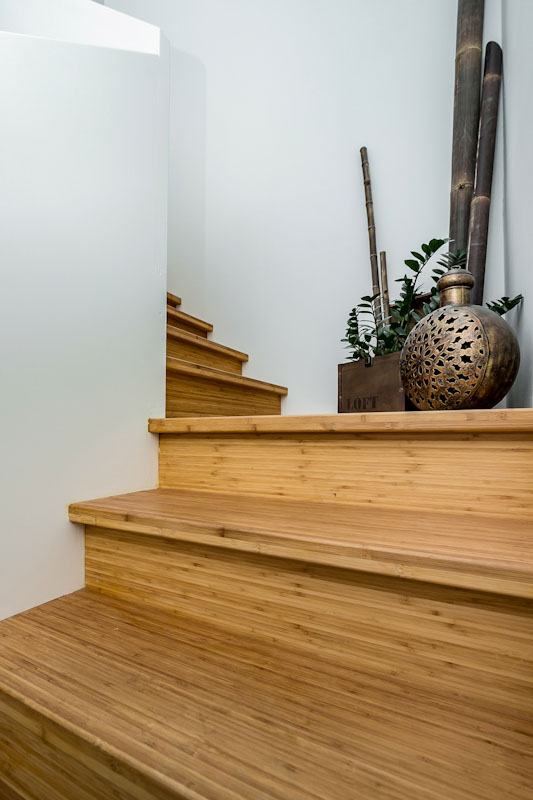
While I’m fairly handy, I hired a professional for my stairs. The precision required for nosings, risers, and treads is significantly more challenging than flat floor installation. Mistakes are costly and visible. Unless you have experience with stair carpentry, professional installation ensures proper fit, safety, and appearance. It’s worth the investment.
How often do bamboo stairs need refinishing?
I do a light maintenance coat annually, which takes just a few hours. Full refinishing depends on traffic levels, but most bamboo stairs can go five to ten years before needing complete sanding and refinishing. The thick wear layer on my engineered bamboo allows for multiple refinishing cycles over the stairs’ lifetime, making it very cost-effective long-term.
Does bamboo flooring work in humid climates?
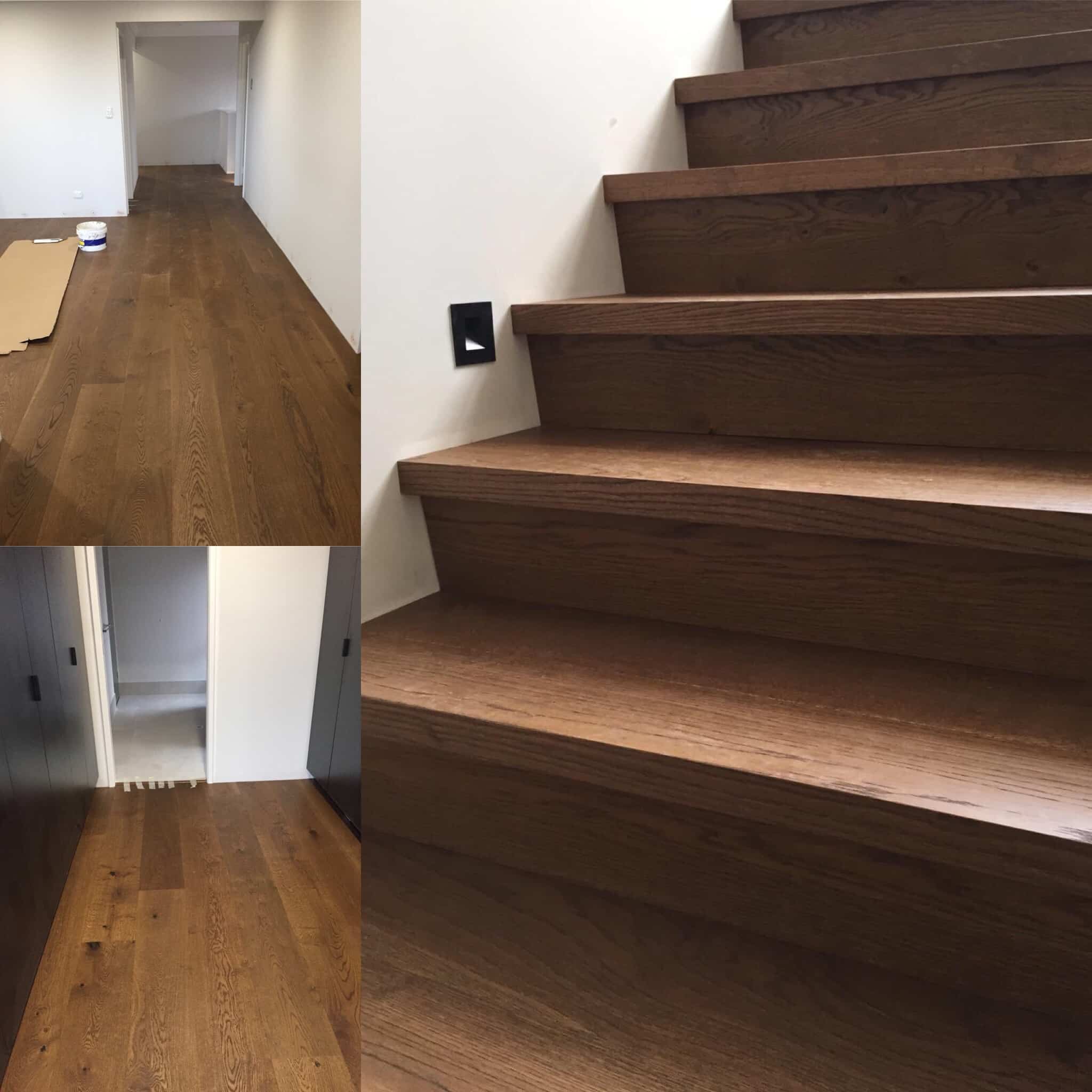
I live in an area with significant seasonal humidity changes, and my engineered bamboo stairs have performed perfectly. Engineered bamboo is more stable than solid in fluctuating conditions. Proper acclimation before installation and maintaining consistent indoor humidity levels prevented any warping or gapping issues. Climate-appropriate product selection is key to success.
What’s the biggest mistake people make with bamboo stairs?
From my research and installer’s advice, the biggest mistake is choosing low-quality bamboo to save money. Cheap bamboo won’t hold up on stairs and creates safety concerns. Investing in strand-woven, high-quality bamboo with professional installation prevents problems. I also learned that proper finishing with multiple coats is non-negotiable for stair durability and longevity.

Related Posts: