Designing a basement floor plan has always felt like unlocking hidden potential in my home. The basement, often overlooked or used for storage, can become anything from a cozy family retreat to a productive workspace. With careful planning and some creativity, I’ve discovered that this space can truly reflect my lifestyle and add real value to my property. Let me walk you through my approach and favorite tips for creating a functional, beautiful basement floor plan.
Assessing Space and Purpose
When I start planning, I always take time to measure every wall, ceiling height, and note where windows, doors, and utilities are. Understanding the exact dimensions helps me avoid surprises later. I think about what I need most: a guest suite, a home gym, or maybe a playroom for the kids. The intended use shapes every design choice, from the number of rooms to the kind of lighting I’ll need. It’s amazing how a clear purpose can transform the planning process.
I also pay close attention to any structural elements that can’t be moved, like support columns or HVAC units. These features might seem like obstacles, but I’ve found ways to incorporate them into the design, sometimes turning them into clever storage or room dividers. By sketching a rough layout on paper or using design software, I can visualize how each area will function and flow together. This step always saves me time and stress down the line.
Before finalizing any plans, I consider local building codes, especially for ceiling height and emergency exits. Safety is just as important as style. Ensuring the basement meets all requirements not only keeps my family safe but also adds to the long-term value of my home. Once I’m confident in the purpose and measurements, I feel ready to move on to the creative part.
Zoning for Functionality
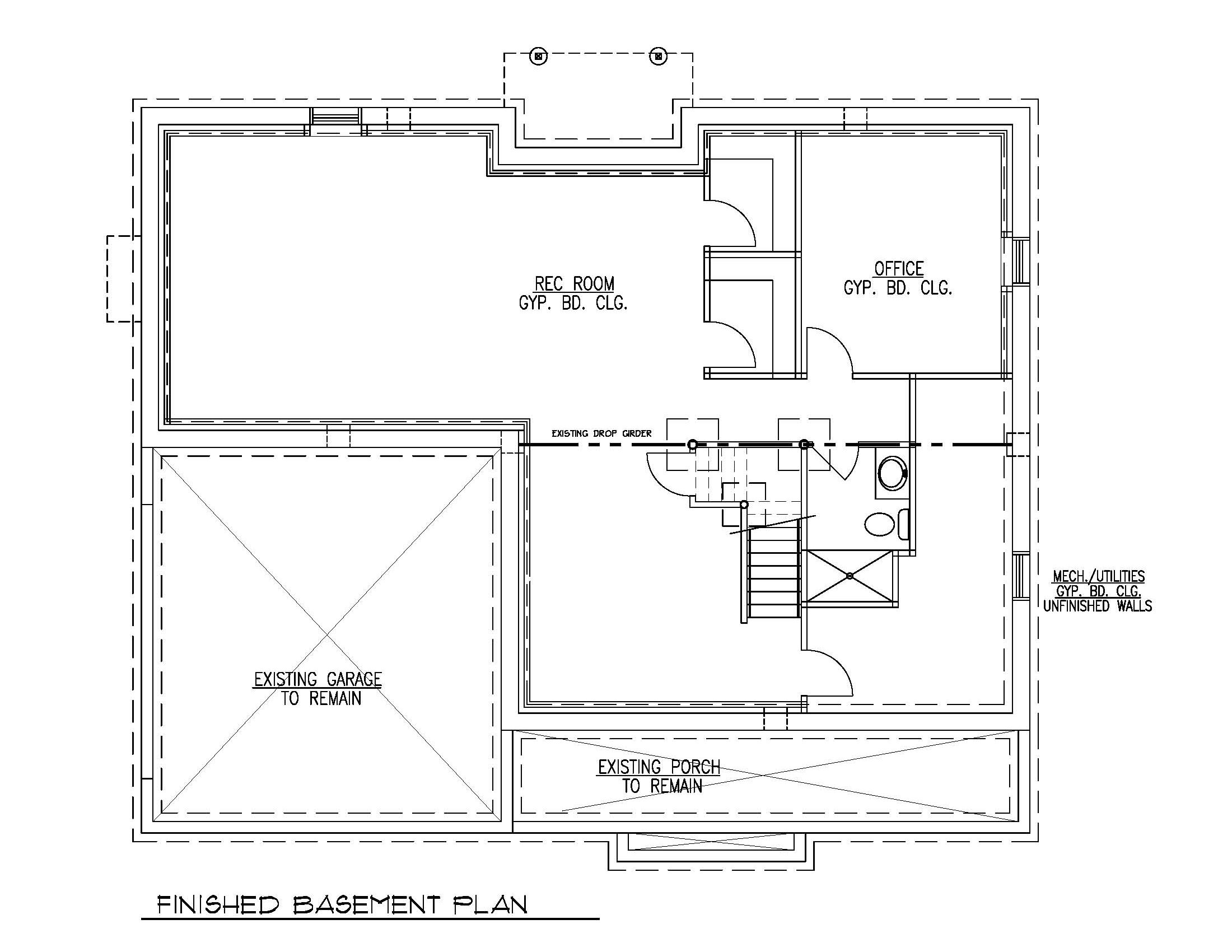
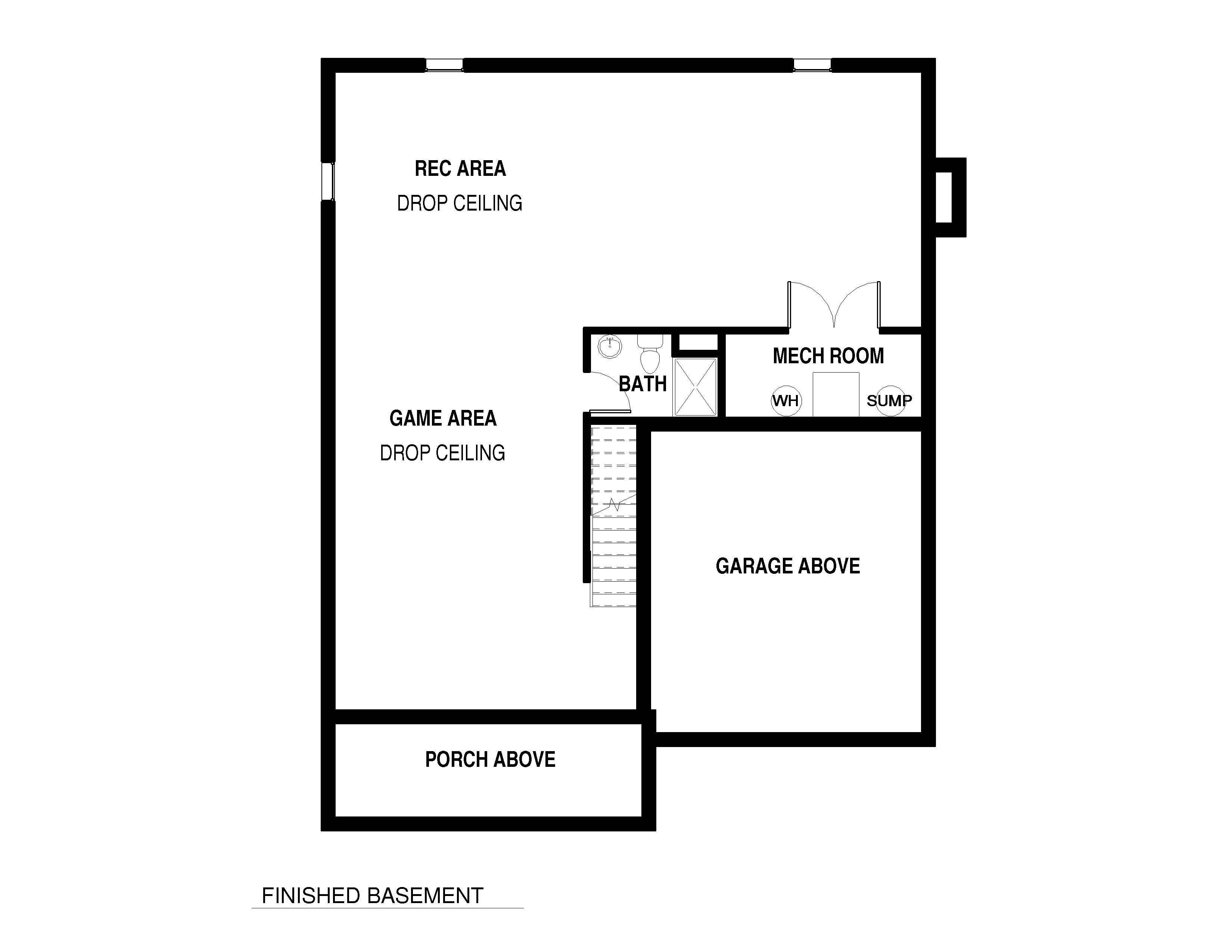
One thing I’ve learned is that dividing the basement into zones makes the space more functional. For example, I might group a home theater and game area, while keeping a laundry or utility zone tucked away. Using furniture, rugs, or even changes in flooring helps define these areas without building extra walls, which keeps the basement feeling open and spacious.
If I’m adding a bedroom or office, I make sure it’s separated from noisier zones. Privacy is important, especially if guests or teenagers will use the space. Sometimes I use sliding doors or room dividers to create flexible boundaries. This way, the basement can adapt as my family’s needs change over time.
I also like to plan for future upgrades. Even if I’m not installing a kitchenette or bathroom right away, I leave space and access for plumbing and electrical. This makes it much easier (and cheaper) to add features later. Thinking ahead has saved me from expensive renovations in the past.
Lighting and Color Choices
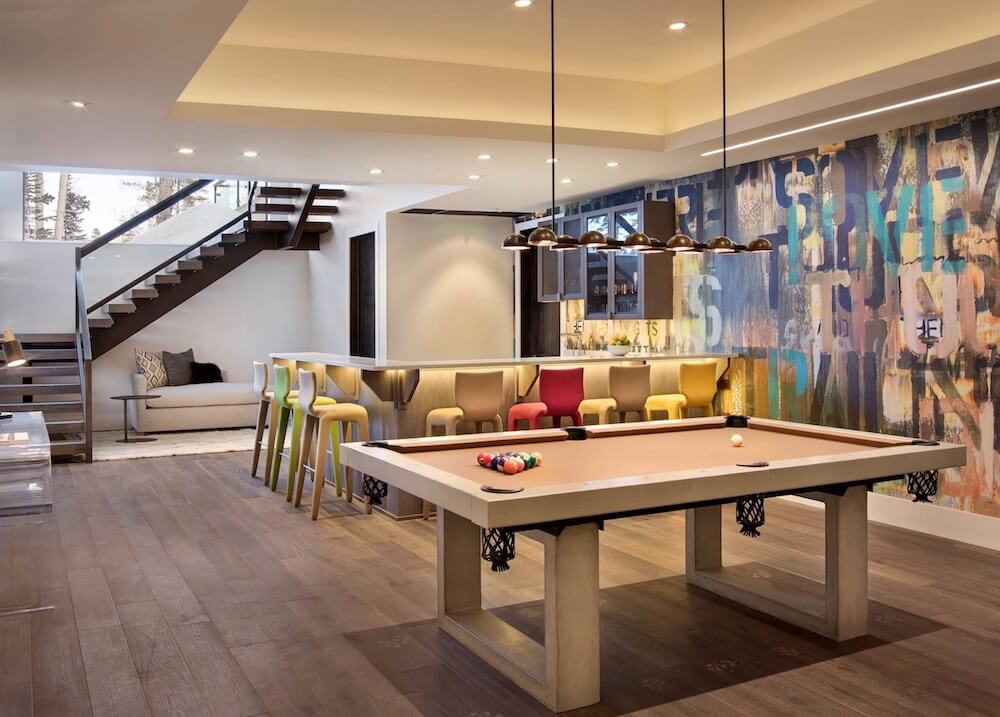
Basements usually lack natural light, so I focus on creating a bright, inviting atmosphere. I use a mix of recessed ceiling lights, floor lamps, and wall sconces to eliminate shadows and make the space feel larger. Light-colored walls and ceilings help reflect what little natural light there is, making everything feel airy and open.
For flooring, I choose materials that can handle moisture, like vinyl planks or tiles. These options are durable and come in styles that mimic wood or stone, adding warmth without the risk of water damage. Area rugs add comfort in living zones and help define spaces visually.
Color schemes play a big role in setting the mood. I stick to soft neutrals for main surfaces but add pops of color with furniture, pillows, or artwork. This approach keeps the basement from feeling dull or cave-like, and it’s easy to update as trends or tastes change.

Storage Solutions
Maximizing storage is essential in any basement design. I love using built-in shelves and cabinets along walls or under stairs to keep clutter out of sight. Storage benches and ottomans double as seating and stash spots for toys, games, or seasonal items. These solutions help maintain a clean, organized look.
I also consider vertical storage, using tall shelving units or wall-mounted racks. This keeps floor space open and makes the most of every inch. In utility zones, I add cabinets or pegboards to organize tools, cleaning supplies, or laundry essentials. Good storage planning makes the basement more enjoyable and easier to maintain.
Hidden storage is another trick I use. For example, I’ve installed drawers in stair risers and created closets behind sliding panels. These features add functionality without sacrificing style. The key is to plan storage from the beginning, not as an afterthought.
Comfort and Energy Efficiency
Comfort is always at the top of my list. I make sure the basement is well-insulated and ventilated to prevent dampness and musty odors. Installing a dehumidifier and using mold-resistant materials keeps the air fresh and the environment healthy. I also check that heating and cooling systems reach every corner, so the space is comfortable year-round.
Energy-efficient lighting and appliances help lower utility bills and reduce environmental impact. I opt for LED bulbs and smart thermostats, and I seal any gaps around windows and doors to keep drafts out. These upgrades may cost more upfront but pay off in savings and comfort over time.
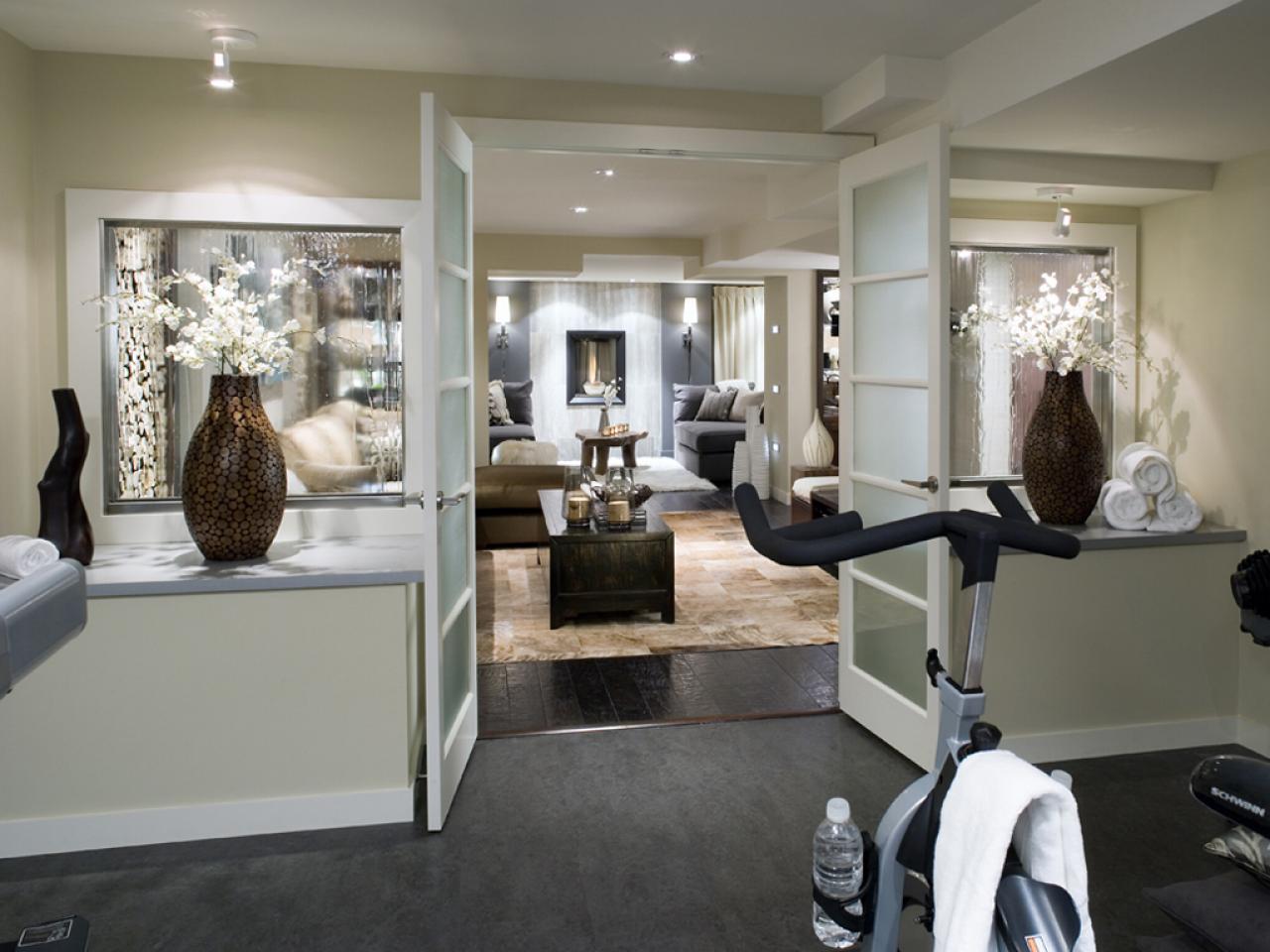
Adding cozy touches like plush rugs, soft throws, and comfortable seating makes the basement feel like a true extension of my home. I want every guest to feel welcome, whether they’re watching a movie, working out, or spending the night.

Personalizing the Space
Finally, I bring in personal touches that reflect my family’s style. Artwork, family photos, and unique furniture pieces make the basement feel special. I’m not afraid to experiment with themes, like a vintage game room or a modern home theater, as long as the overall design stays cohesive.
Flexible furniture is a favorite of mine. Sleeper sofas, fold-out tables, and modular seating allow the basement to change with our needs. Whether hosting a party or enjoying a quiet night in, the space adapts easily.
I always keep an eye out for inspiration, whether from design magazines, online galleries, or friends’ homes. Borrowing ideas and making them my own is part of the fun. In the end, my goal is a basement that’s not just practical but a place my family loves to spend time in.

How do I start planning my basement floor plan?
I always begin by measuring the entire space, including ceiling height and the location of windows, doors, and utilities. Then, I decide on the main purpose for the basement, whether it’s a living area, a guest suite, or a workspace. Sketching a rough layout helps me visualize zones and flow, making it easier to plan furniture and features that fit my needs.
What are the best flooring options for basements?
From my experience, vinyl planks and tiles are excellent because they resist moisture and are easy to clean. Tile is another durable choice, especially in laundry or bathroom zones. I sometimes use area rugs for added comfort in living spaces, but I avoid wall-to-wall carpeting to prevent mold and odors.

How can I make my basement feel brighter and more inviting?
I use a combination of recessed ceiling lights, wall sconces, and floor lamps to eliminate dark corners. Painting walls and ceilings in light colors helps reflect light, making the space feel open. I also add mirrors and glossy finishes to bounce light around the room, creating a welcoming atmosphere.
What should I consider when creating different zones in the basement?
I think about how each zone will be used and who will use it. For example, I keep noisy areas like game rooms away from bedrooms or offices. Using furniture, rugs, or partial walls helps define spaces without closing them off. Planning for privacy and easy access makes the basement more functional for everyone.
How do I handle moisture and ventilation issues?
Proper insulation and a good vapor barrier are essential. I always install a dehumidifier to control humidity and use mold-resistant paint and materials. Ensuring there’s adequate airflow, either through windows or a ventilation system, keeps the basement fresh and comfortable all year round.
Can I design my basement floor plan myself, or should I hire a professional?
I’ve found that with careful planning and the right design tools, I can handle most of the process myself. Online floor plan creators make it easy to experiment with layouts. However, for complex projects involving plumbing, electrical, or structural changes, I consult a professional to ensure safety and compliance with local codes.
Home Designs Basement floor plans, Contemporary basement

Basement Design Software How to Design Your Basement

Basement Floor Plan – An Interior Design Perspective on Building a
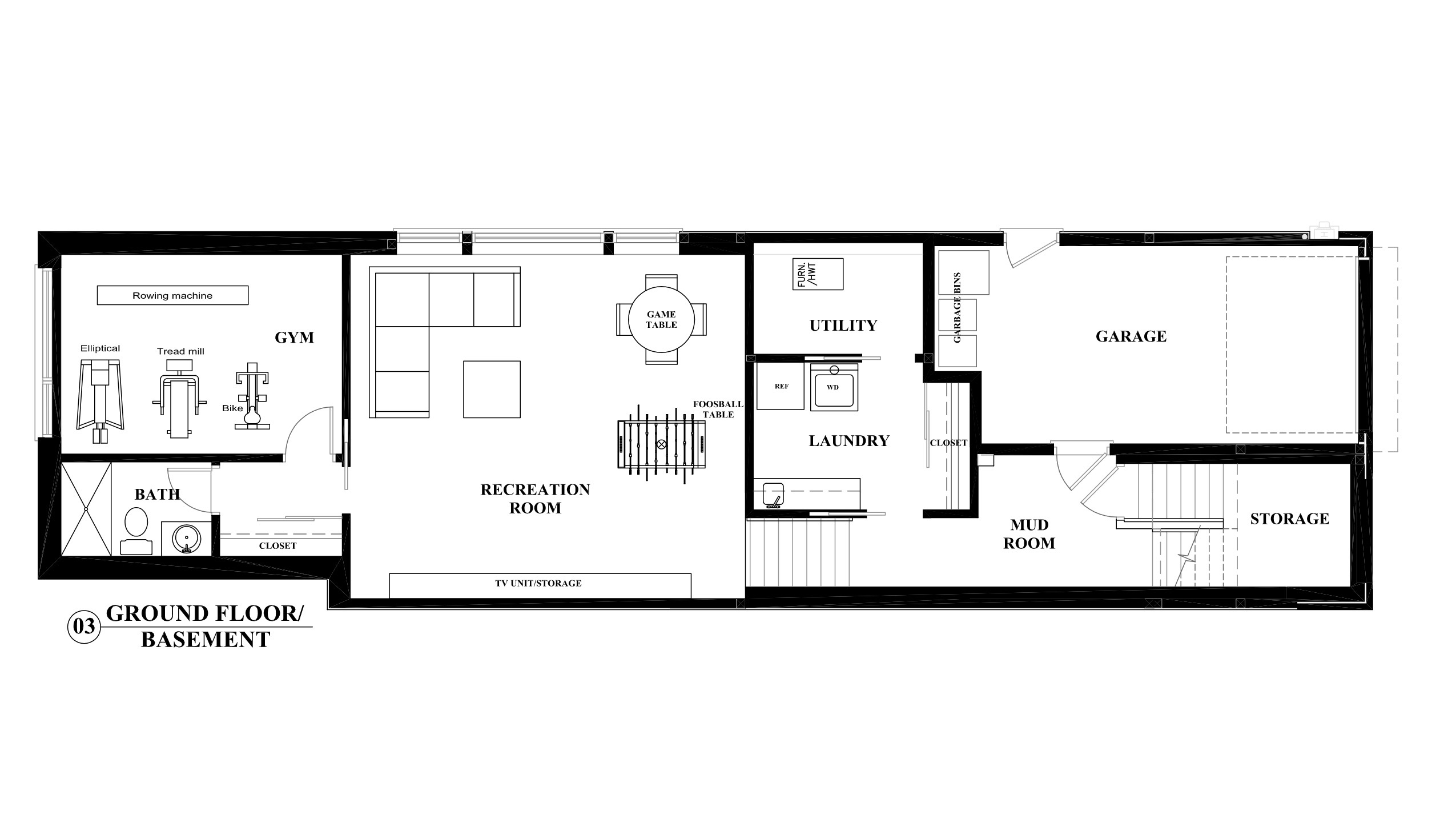
Basement floor plan.jpg Design Academy

Related Posts: