My basement was a typical concrete dungeon, complete with gray floors that seemed to absorb every bit of light and hope from the space. The bare concrete had accumulated years of stains, scuffs, and that perpetual musty appearance that made me avoid the area entirely. When I finally decided to reclaim this valuable square footage, choosing black floor paint seemed counterintuitive at first, but it became the foundation of an incredible transformation. The decision to go dark revolutionized not just the appearance of my basement, but how my entire family uses and enjoys this previously neglected space. This journey taught me that sometimes the boldest choices yield the most surprising and satisfying results.
The Psychology Behind Choosing Dark Colors Underground
Initially, painting my basement floor black felt like making a dim space even darker, going against every design principle I thought I understood. However, researching color psychology revealed that dark floors actually create dramatic contrast with lighter walls and ceilings, making those surfaces appear brighter and more prominent. Black floors provide a sophisticated backdrop that allows other design elements to pop, creating visual depth rather than absorbing light as I had feared.
The psychological impact of a sleek black floor exceeded my expectations in creating a sense of intentional design rather than utilitarian necessity. Visitors consistently comment on how modern and purposeful the space feels, transforming their perception from unfinished basement to stylish lower level. The dark surface creates a grounding effect that makes the room feel more intimate and cozy rather than cold and industrial.
Black flooring also provides practical psychological benefits by hiding dust, pet hair, and minor imperfections that would be glaringly obvious on lighter surfaces. This invisible maintenance advantage reduces my stress about keeping the space pristine while allowing me to focus on enjoying the area rather than constantly cleaning. The sophisticated appearance boosts my confidence when entertaining guests in what was once my home’s most embarrassing space.
Surface Preparation That Made All the Difference
Preparing my concrete basement floor for paint proved more intensive than anticipated, requiring thorough cleaning, crack repair, and etching for proper adhesion. I spent an entire weekend removing oil stains, filling cracks with hydraulic cement, and scrubbing away years of accumulated grime using degreasing agents. The concrete needed complete drying time before proceeding, which meant waiting two weeks after addressing moisture issues and improving ventilation.
Etching the concrete surface with muriatic acid created the rough texture necessary for paint adhesion, though this step required careful safety precautions, including protective equipment and adequate ventilation. I rented a floor buffer with diamond pads as an alternative to acid etching, which provided better results while eliminating hazardous chemical exposure. This mechanical preparation opened the concrete pores more effectively than acid treatment alone.
The primer application became crucial for achieving lasting results, as untreated concrete would absorb paint unevenly and compromise durability. I applied two coats of high-quality concrete primer, allowing complete curing between applications despite my eagerness to see progress. This patient approach to surface preparation ultimately determined the success of my entire flooring project, creating a foundation that has remained perfect after two years of heavy use.
Paint Selection and Quality Considerations
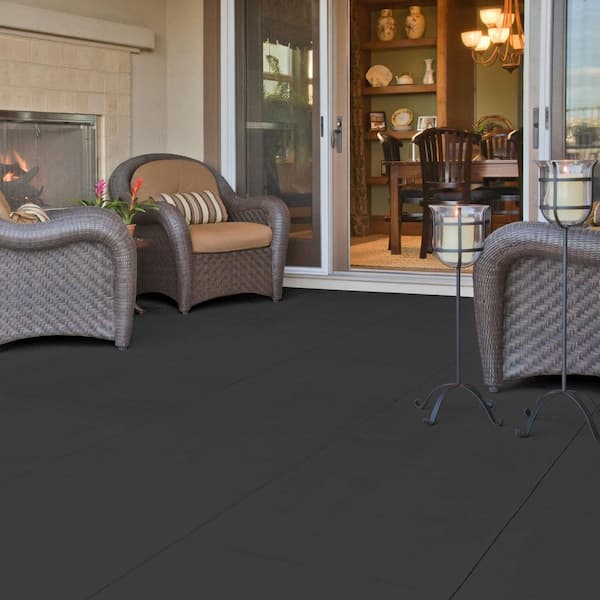
Choosing the right black paint required extensive research into products specifically formulated for concrete floors and basement environments. I learned that standard wall paint would fail quickly under foot traffic and moisture exposure common in basement conditions. Epoxy-based paints offered superior durability and moisture resistance, though they required more careful application and longer curing times than latex alternatives.
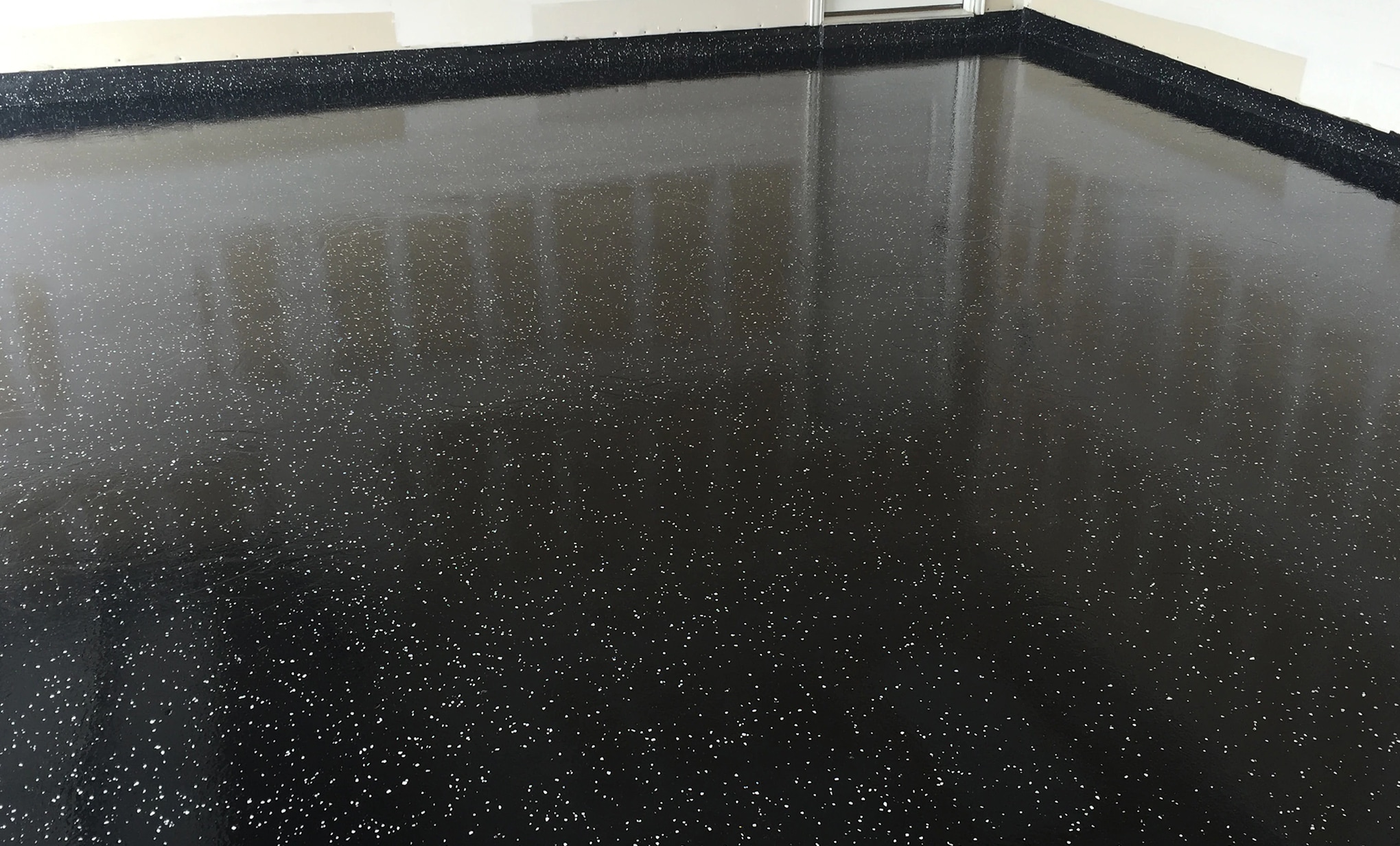
The specific shade of black significantly impacted the final appearance, with some formulations appearing flat and chalky while others provided rich, glossy finishes that enhanced the space’s sophistication. I selected a satin-finish epoxy paint that balanced durability with visual appeal, avoiding high-gloss options that would show every footprint and dust particle. The mid-range sheen level provided easy cleaning while maintaining an attractive appearance under various lighting conditions.
Quality paint costs initially concerned me, but investing in premium products proved economical through superior coverage, durability, and professional appearance. Cheap basement floor paints required multiple coats and showed wear patterns within months, while quality epoxy formulations provided single-coat coverage and maintained their appearance through daily use. The price difference became negligible when calculated over the expected lifespan of each product option.

Application Techniques That Ensured Professional Results
Applying black basement floor paint required specific techniques different from wall painting, starting with proper temperature and humidity control for optimal curing conditions. I monitored basement conditions for several days before painting, ensuring temperatures remained between 60-80°F with humidity below 50% throughout the application and curing process. These environmental factors proved crucial for achieving the smooth, durable finish I desired.
The rolling technique became critical for achieving uniform coverage without streaks or lap marks that would be especially visible on dark surfaces. I used high-quality rollers with appropriate nap length for the concrete texture, maintaining wet edges and working in manageable sections to prevent overlap marks. Back-rolling each section ensured complete coverage while eliminating air bubbles that could compromise the final appearance.
The curing process required patience and careful protection from foot traffic, dust, and moisture during the critical first 72 hours. I sealed off the basement and maintained consistent temperature and ventilation throughout this period, resisting the temptation to test the surface before full cure completion. This discipline resulted in a flawless finish that has withstood two years of family use without showing wear or requiring touch-ups.
Maintenance Routines and Long-Term Care
Maintaining my black basement floor requires different approaches than I expected, with dust and pet hair being more visible than anticipated despite choosing dark colors specifically to hide debris. Regular sweeping or dust mopping became essential for maintaining the sophisticated appearance, though the smooth surface makes this quick and easy. I vacuum weekly using soft brush attachments to avoid scratching the painted surface.
Cleaning spills and stains from black epoxy paint proves remarkably simple, with most substances wiping away easily without penetrating the surface or leaving permanent marks. I use pH-neutral cleaners for routine mopping, avoiding harsh chemicals that could damage the paint finish or create cloudy areas. The non-porous surface resists moisture absorption that previously caused mold and mildew issues on bare concrete.
Annual inspection and touch-up maintenance keeps the floor looking fresh and professional, though minimal repairs have been necessary after proper initial application. I keep leftover paint for addressing any chips or scratches that might occur from furniture movement or dropped objects. The durability of quality epoxy paint means major repainting won’t be necessary for many years with proper care and maintenance routines.

The Complete Transformation and Unexpected Benefits
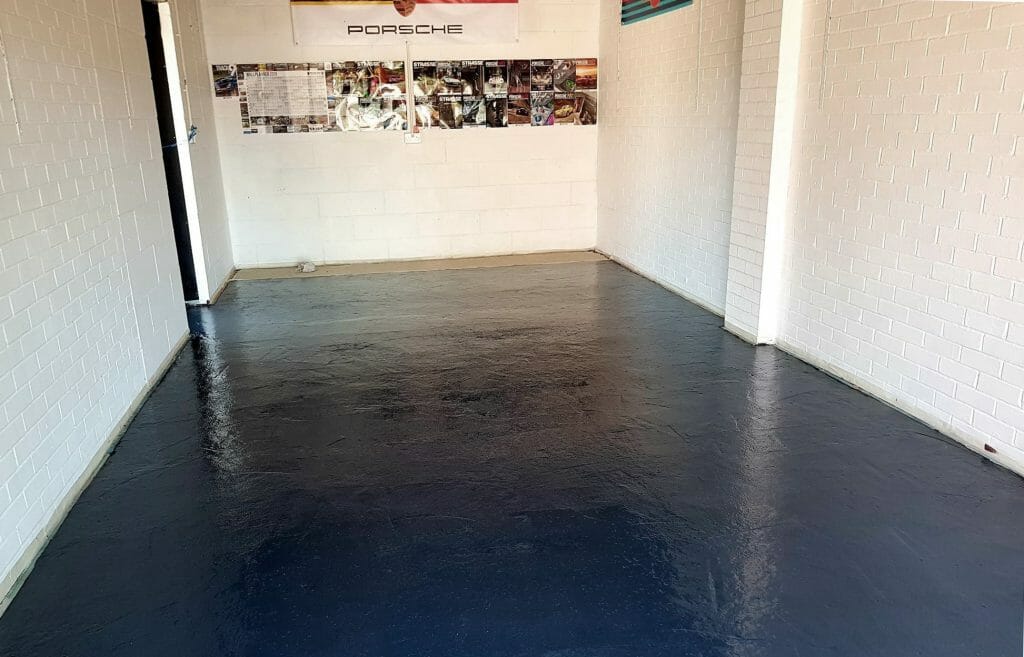
The visual transformation achieved through black floor paint exceeded every expectation I had when starting this project, converting my basement from an avoided storage area into a functional living space that rivals upstairs rooms. The sophisticated dark floor provides a perfect foundation for game room furniture, exercise equipment, and entertainment systems that now make this space the family’s preferred gathering area during evenings and weekends.
Property value considerations initially worried me about choosing such a bold color, but real estate professionals confirm that well-executed basement improvements add significant value regardless of color choices. The professional appearance and obvious quality of the painted floor demonstrate attention to detail that buyers appreciate. Several neighbors have requested my contractor recommendations after seeing the transformation results.
Unexpected benefits include improved air quality from sealing the concrete surface, which previously contributed dust and potential moisture issues to the basement environment. The painted surface is easier to heat efficiently, reducing energy costs during winter months when we use the space regularly. Most importantly, my family now enjoys 800 additional square feet of comfortable living space that was previously wasted due to its uninviting appearance and functionality.

Will black basement floor paint make my already dark basement feel too gloomy or cave-like?
Black floors actually create dramatic contrast that makes walls and ceilings appear brighter and more prominent than gray concrete ever did. I was initially concerned about this same issue, but the sophisticated darkness provides an elegant backdrop that allows lighting and decor to shine more effectively. Proper lighting design becomes crucial with dark floors, but the result feels intentional and modern rather than gloomy. The key is balancing the dark floor with lighter walls and adequate ambient lighting throughout the space.
How long does black basement floor paint typically last before needing reapplication or touch-ups?
Quality epoxy-based basement floor paint should last 5-7 years with normal residential use when properly applied over well-prepared surfaces. My black floor has maintained its appearance perfectly after two years of heavy family use including children, pets, and exercise equipment. Cheaper latex paints may show wear within 2-3 years, making premium products more economical long-term. High-traffic areas like stair landings might need touch-ups sooner, but overall maintenance requirements remain minimal with quality materials and proper application techniques.
What are the best lighting strategies to complement black basement floor paint?
Bright, warm LED lighting works best with black floors, creating contrast that enhances both the floor’s sophistication and room’s overall brightness. I installed recessed ceiling lights, under-stair lighting, and floor lamps to eliminate shadows and create inviting ambiance. Avoid cool-toned lighting that can make black floors appear harsh or industrial. Multiple light sources at different heights prevent the flat appearance that single overhead fixtures can create. Consider accent lighting to highlight architectural features and create visual interest against the dark floor backdrop.
Can I apply black basement floor paint over existing painted concrete or do I need to strip everything?
Existing paint compatibility depends on the current coating’s condition and adhesion to the concrete substrate. I had to remove loose, peeling areas and sand glossy surfaces to ensure proper bonding of the new black paint. Well-adhered latex paint can often be painted over with appropriate primer, while failing coatings require complete removal. Test adhesion by attempting to peel existing paint with tape. Professional assessment may be worthwhile for large areas or uncertain coating conditions to avoid premature failure.
How do I handle moisture issues before painting my basement floor black?
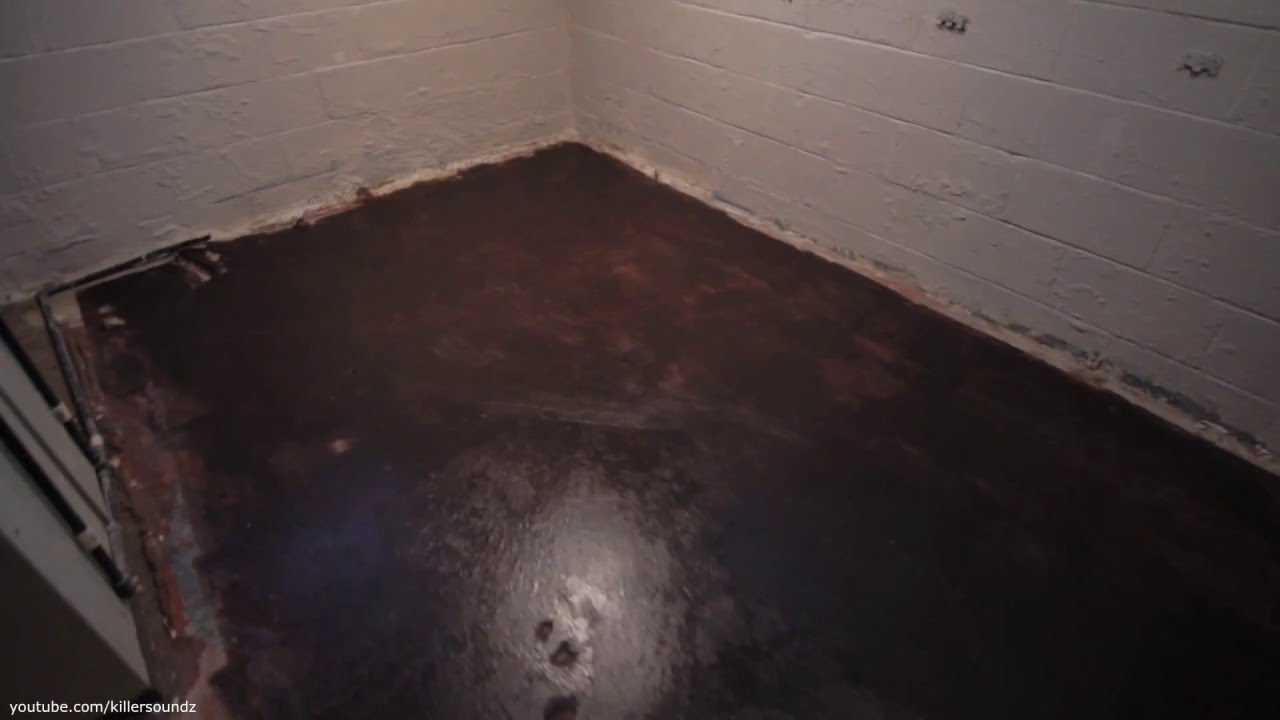
Address all moisture problems before painting, as trapped moisture will cause any floor paint to fail regardless of quality or color. I installed proper drainage, sealed foundation cracks, and improved ventilation before beginning my paint project. Test for moisture by taping plastic squares to different floor areas for 24 hours, checking for condensation underneath. Use moisture meters to verify concrete dryness below 12% before painting. Waterproofing treatments may be necessary before paint application in problem areas with persistent moisture issues.
What tools and supplies do I need for a successful black basement floor paint project?
Essential supplies include concrete cleaner, crack filler, primer, quality epoxy paint, rollers with appropriate nap, extension poles, and protective equipment. I used a floor buffer for surface preparation, though hand sanders work for smaller areas. Proper ventilation equipment and temperature monitoring tools ensure optimal application conditions. Budget for primer, paint, and clear topcoat if desired for extra durability. Professional-grade tools produce better results than bargain alternatives, making the investment worthwhile for achieving smooth, durable finishes that maintain their appearance long-term.
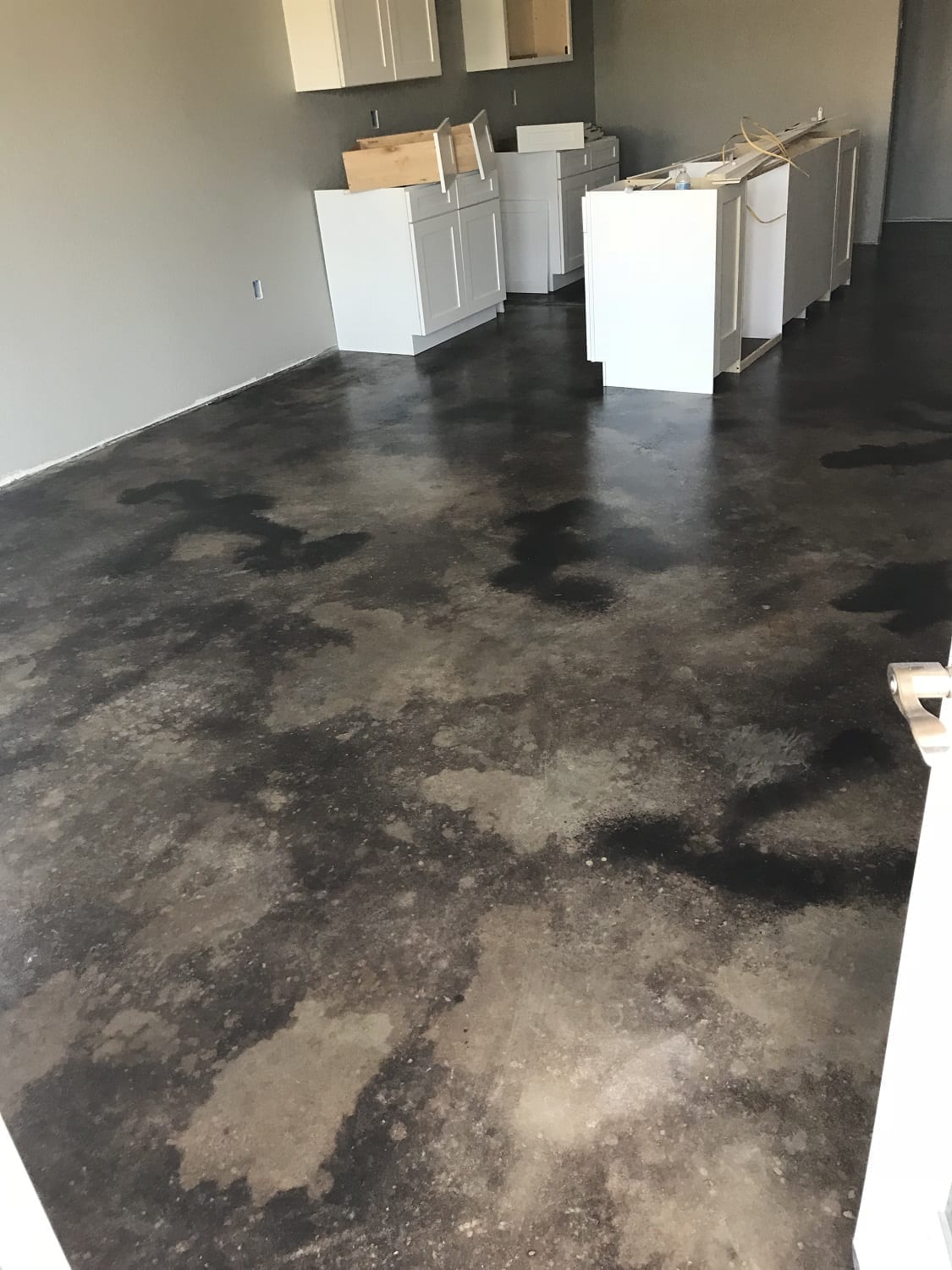
Black Epoxy Basement Floor

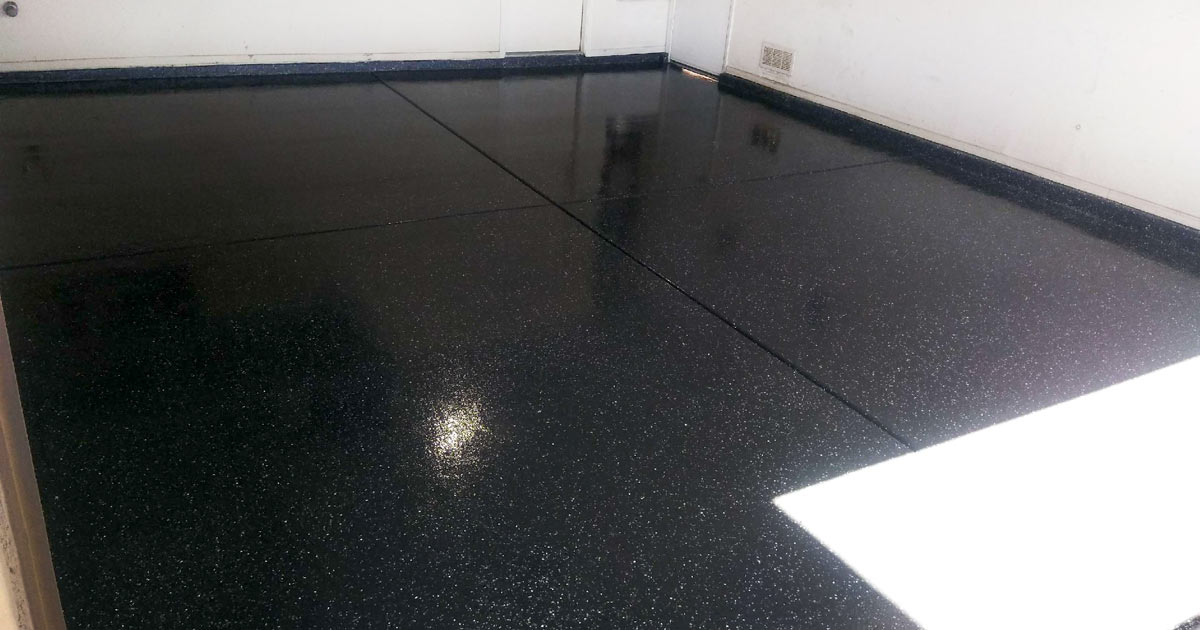
Residential and Commercial Floor Coatings Phoenix, AZ Slide-Lok
Related Posts: