When I was renovating my home office, I wanted something that felt warm underfoot, looked beautiful, and wasn’t going to destroy my budget or my back during installation. A friend suggested light cork flooring, and I’ll admit I was skeptical at first. Cork felt like something from the 1970s to me. But after doing my research and living with it for over two years now, I can honestly say it’s one of the best flooring decisions I’ve ever made, and I want to share everything I wish I had known from the start.
What Makes Light Cork Flooring So Special
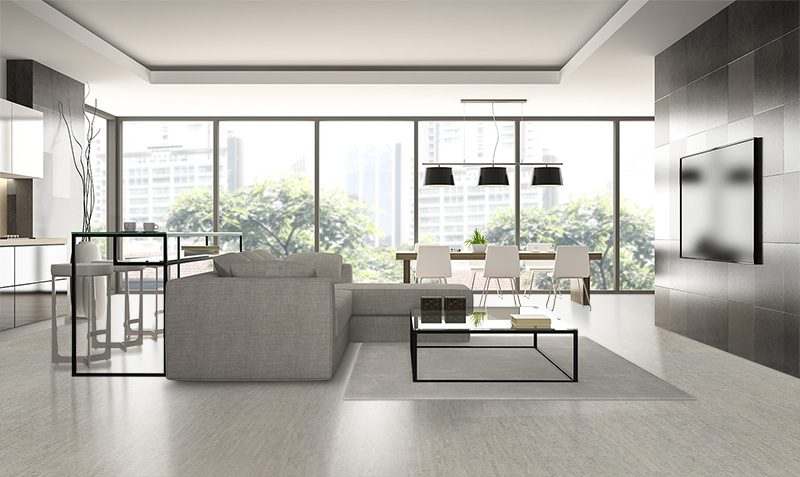
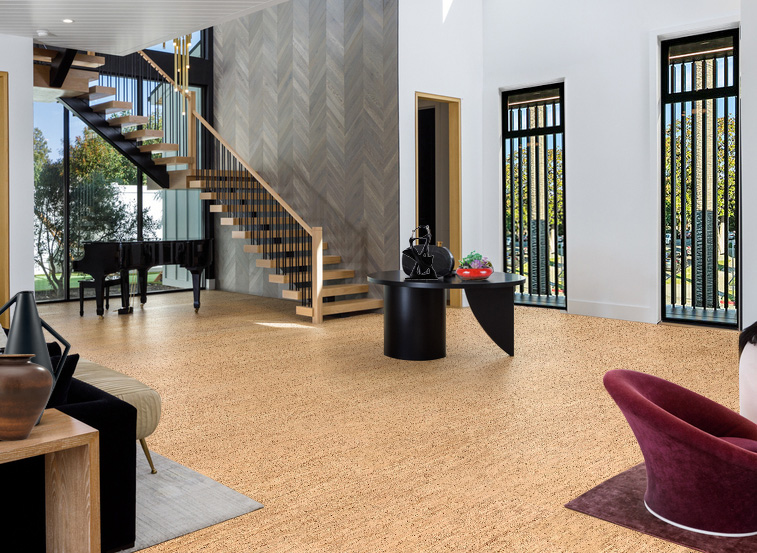
Light cork flooring has this natural, airy look that brightens up a room without you having to do much else. The pale, honey-toned finish reflects light beautifully, making smaller spaces feel bigger and more open. When I first laid it in my office, I was genuinely surprised by how much the room transformed just from the floor choice alone.
Cork comes from the bark of cork oak trees, which means it’s a renewable and sustainable material. The bark is harvested without cutting the tree down, and it grows back over time. For someone who thinks about environmental impact when making home decisions, that was a big selling point for me. It felt good to choose something that wasn’t harming a forest.
What I didn’t expect was how comfortable cork would feel to stand on for long periods. I work from home and spend a lot of time on my feet. The natural cushioning in cork reduces fatigue in a way that tile or hardwood simply doesn’t. My legs felt noticeably less tired at the end of the day, and that alone made me a permanent convert.
Understanding the Light Tones and Color Variations
Light cork flooring isn’t just one look. There’s actually a nice range within the lighter spectrum, from pale champagne tones to warm sandy beiges to soft natural creams. When I was shopping, I ordered several samples and laid them out on my floor in different lighting conditions before committing. The color shifts a lot depending on the time of day and how much natural light your room gets.
One thing I noticed is that lighter cork tends to make imperfections less visible than darker stains do. Dust and light debris blend in rather than standing out. That’s been a practical bonus in my office where things get busy and I’m not always vacuuming every single day. It just looks cleaner for longer between cleanings.
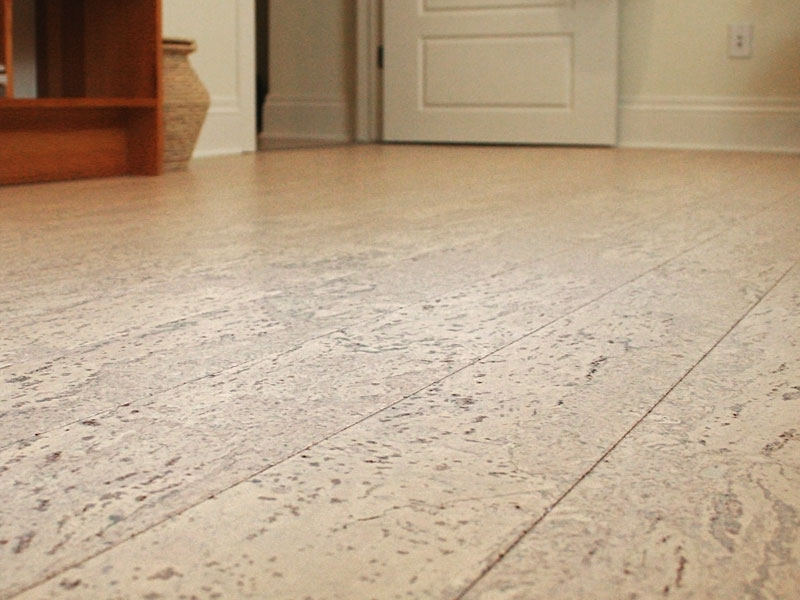
The natural variation in cork’s texture and grain also means no two planks look exactly alike. That organic quality is something I really love because it keeps the floor from looking too uniform or artificial. It has a handcrafted feel that more manufactured flooring options just can’t replicate, and in a light tone, that texture really catches the light in a lovely way.
Is Light Cork Flooring Durable Enough for Everyday Life
This was my biggest worry going in. Cork sounds soft and delicate, and I have a dog and two kids who show no mercy to floors. I’m happy to report that a properly sealed light cork floor holds up better than I expected. The key word there is sealed. Unsealed cork is vulnerable, but with the right finish it becomes much more resilient.
I did notice that heavy furniture can leave small indentations in cork if left in one spot for too long. I put felt pads under everything and rearrange occasionally. It’s a minor adjustment to your habits, but it’s worth knowing upfront so you’re not caught off guard. The good news is that cork has some natural resilience and minor dents often bounce back over time.
Scratches are a real consideration too, especially with pets. My dog’s nails have left a few faint marks over time, but nothing that jumps out at you from a normal standing height. I’ve touched up a couple of spots with a compatible sealant, and they blended right back in. It’s not a floor that demands perfection, which is honestly what I needed in a house full of activity.
Installing Light Cork Flooring Yourself
One of the reasons I originally got excited about cork was that it’s genuinely DIY-friendly. I installed my office floor over a weekend with no professional help, and it was my first time installing any kind of floating floor. The click-lock plank system snaps together intuitively, and the planks are light enough to handle on your own without a helper.
The most important prep step is acclimating the cork. I left the boxes open in the room for about seventy-two hours before installing. Cork expands and contracts with temperature and humidity, so letting it adjust to your home’s environment first prevents buckling later. I read that advice online and almost skipped it to save time. Glad I didn’t.
You’ll also want to make sure your subfloor is clean, dry, and level. Cork flooring is forgiving with minor imperfections, but significant dips or bumps will telegraph through over time. I used a self-leveling compound to smooth out one low spot in my subfloor before laying the cork, and it made the whole installation look more professional. Take your time with prep and the rest goes smoothly.

Caring for Light Cork Floors Without Ruining Them
Maintenance for light cork is pretty simple once you know the rules. The biggest one is to keep water off it as much as possible. Cork and standing water are not friends. I always wipe up spills immediately and use a barely-damp mop for routine cleaning rather than a soaking wet one. A dry microfiber mop handles most daily dust and debris just fine.
Avoid harsh chemical cleaners and anything with a high pH. I learned that the hard way when I used a general-purpose floor cleaner that slightly dulled the finish in one area. Now I stick to pH-neutral cleaners specifically labeled safe for cork or hardwood. They’re easy to find and not expensive, so there’s no reason to cut corners here.
Every few years, you may want to reapply a topcoat sealant to refresh the surface and restore its protection. This is especially true in high-traffic areas. It’s not a complicated process, you clean the floor well, let it dry fully, then roll on the sealant with a foam applicator. It’s a Saturday afternoon project that adds years of life to your floor and keeps that light tone looking fresh.
Where Light Cork Flooring Works Best in Your Home
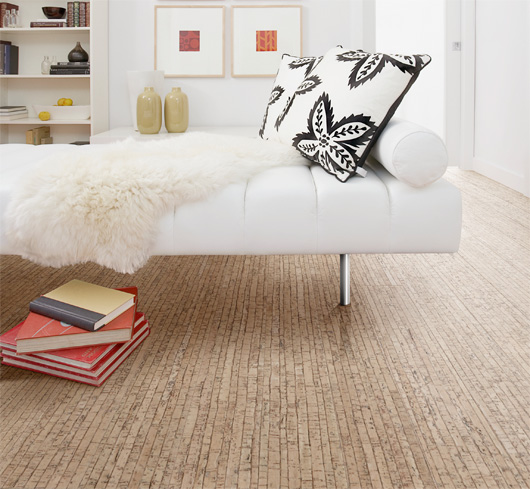
I started with my office, but after seeing how well it performed, I put light cork in my bedroom too. The warmth and softness underfoot when you get out of bed in the morning is genuinely lovely. It’s quiet, it’s cushioned, and in a light tone it makes the room feel calm and bright. For bedrooms, it’s hard to beat.
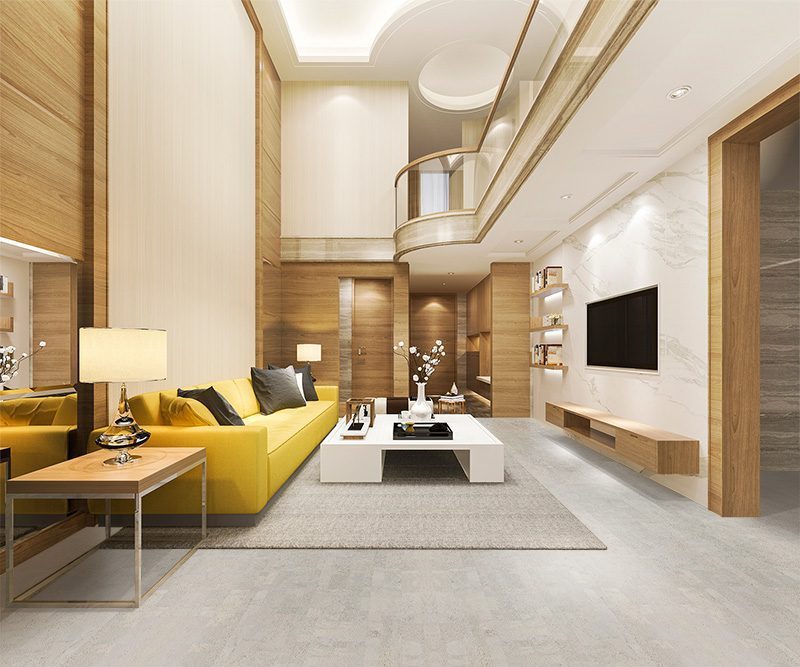
Living rooms and playrooms are also great candidates. The sound-absorbing properties of cork are a real bonus when you have kids playing or when you’re watching TV and don’t want every footstep echoing. My living room feels noticeably quieter since the cork went in, and that’s not something I anticipated when I was just focused on aesthetics.
I’d be cautious about using light cork in bathrooms or laundry rooms unless you’re committed to very careful moisture management. It can work in a powder room with low traffic and good ventilation, but around showers or washing machines the moisture risk is higher than I’d personally want to deal with. For kitchens, it works well as long as you seal it properly and stay on top of spills. Know your room before you commit.

Does light cork flooring show scratches and stains easily?
Light tones are actually pretty forgiving with everyday dirt and dust. Scratches from pets or furniture are the main concern. I keep felt pads under all my furniture legs and trim my dog’s nails regularly. Minor scratches can be touched up with a compatible sealant. The natural texture of cork also helps disguise small surface marks better than a smooth tile or hardwood floor would.
How long does light cork flooring last?
With proper sealing and care, cork flooring can last twenty to thirty years. I’ve had mine for two years and it still looks great. The key is resealing every few years and avoiding standing water. High-traffic areas may show wear sooner, but spot repairs and resealing can extend the life significantly. It’s a long-term investment that pays off when you maintain it consistently.
Is cork flooring good for people with allergies?
Yes, cork is naturally resistant to mold, mildew, and dust mites, which makes it a great choice for allergy sufferers. I noticed my office felt less stuffy after installing cork compared to the carpet that was there before. It doesn’t trap allergens the way carpet does. Just keep it clean with regular dry mopping and you’ll enjoy a healthier indoor environment.
Can I install light cork flooring over radiant heat?
Yes, cork works well with radiant floor heating, which surprised me. Its natural insulating properties actually help retain the heat and distribute it evenly. You just need to make sure the temperature doesn’t exceed around eighty degrees Fahrenheit, as excessive heat can dry out and damage the cork over time. Check your specific product’s guidelines before installation to be sure.
Is light cork flooring expensive compared to other options?
Cork falls in the mid-range for flooring costs, roughly two to six dollars per square foot depending on the product. It’s more than basic vinyl but less than solid hardwood. When you factor in DIY installation savings and its long lifespan, the overall value is excellent. I felt like I got a premium-looking floor at a reasonable price, especially considering all the comfort and acoustic benefits included.
Is cork flooring safe for kids and pets?
Absolutely, it’s one of the reasons I chose it. Cork is non-toxic, naturally antimicrobial, and soft enough to cushion falls. My kids play on it constantly with no issues. For pets, keep nails trimmed to reduce scratching. The one thing to watch is that cork can be damaged by a dog that chews, so keep an eye on curious puppies. Overall it’s a family-friendly floor that I feel good about having in my home.

Related Posts: