I stumbled into basement floor staining seven years ago when my unfinished basement desperately needed transformation on a tight budget, and it opened up a creative passion I never knew existed. What began as a practical solution to cover unsightly concrete has evolved into my specialty, helping homeowners create stunning basement spaces that rival any main floor room. Through countless projects ranging from cozy family rooms to sophisticated home offices, I’ve discovered that stained concrete floors offer unlimited design possibilities while providing durable, low-maintenance surfaces that can withstand basement challenges.
Choosing the Perfect Stain Colors for Your Space
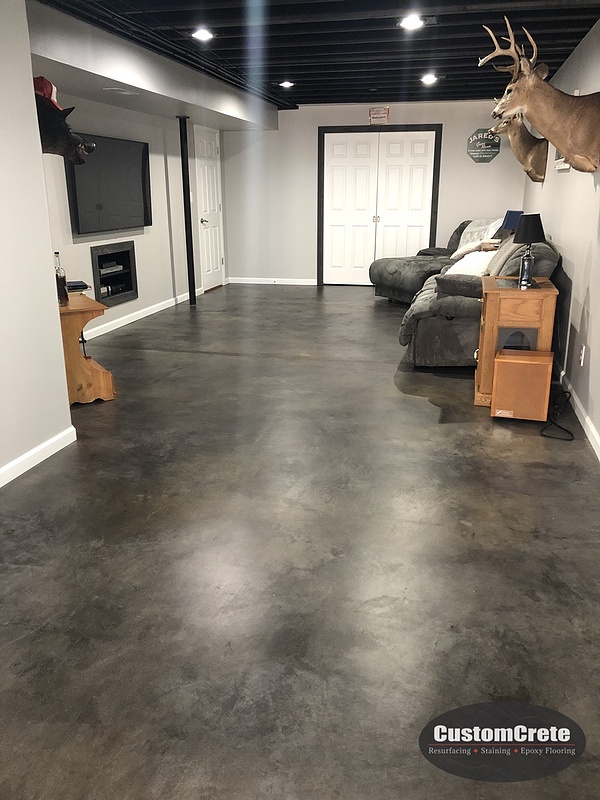
I always start my color selection process by examining the existing lighting conditions and intended use of each basement space. Dark stains like espresso and charcoal create sophisticated, cozy atmospheres that work beautifully in entertainment areas and home theaters. These deeper colors hide imperfections well while adding richness that makes basement spaces feel intentional rather than forgotten.
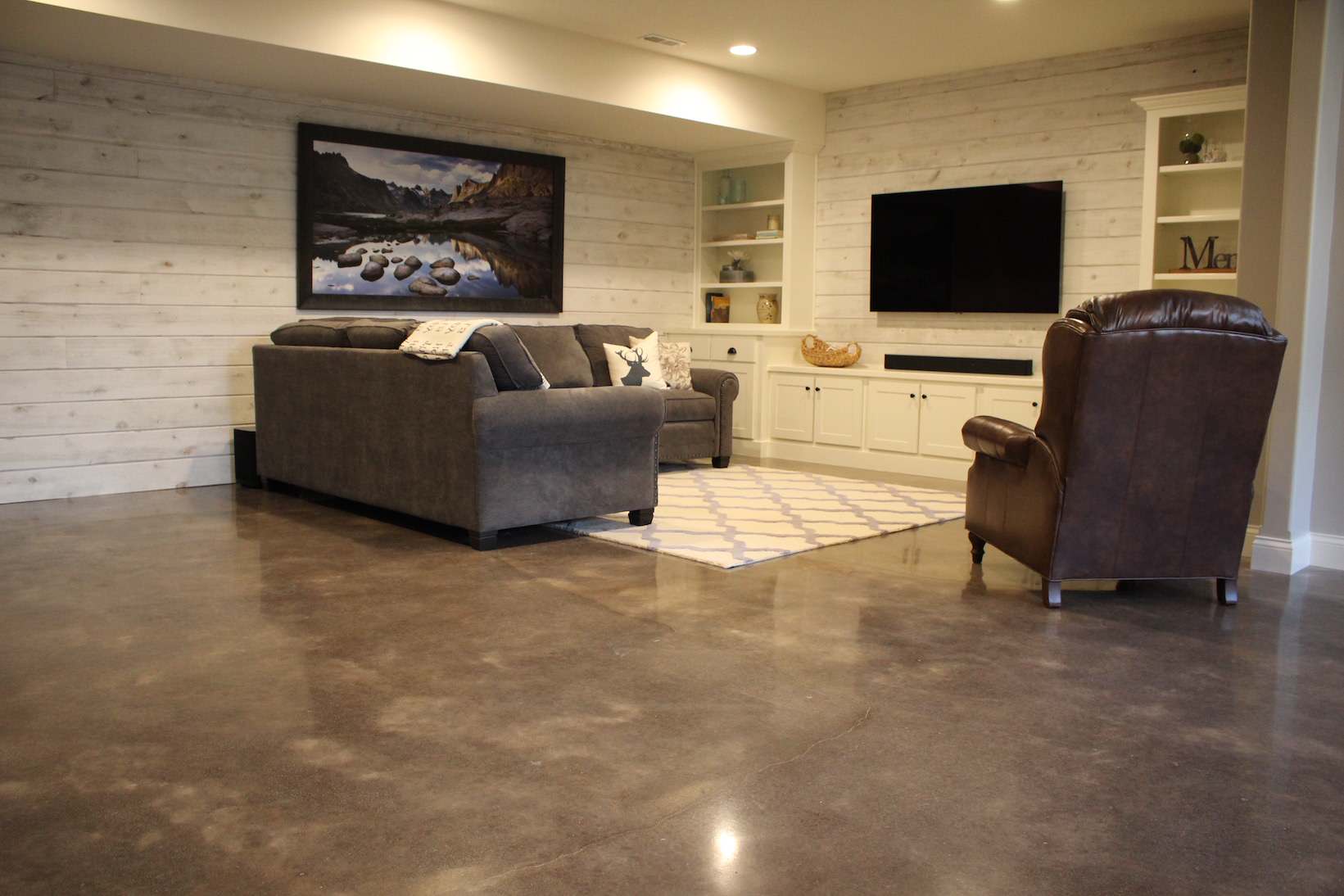
Medium brown stains have become my go-to recommendation for multipurpose basement areas because they provide warmth without overwhelming smaller spaces. These versatile colors complement both traditional and contemporary design styles while hiding dirt and wear patterns that occur in high-traffic family areas. The earthy tones create welcoming environments perfect for children’s play areas.
Lighter stains and custom color blends allow me to brighten naturally dark basement spaces while maintaining the authentic concrete aesthetic. Gray washes, sage greens, and warm beiges reflect available light while creating modern, industrial-chic appearances. I often combine multiple colors to create subtle variations that add visual interest without creating busy patterns.
Surface Preparation Techniques for Professional Results
Concrete preparation determines staining success more than any other factor I’ve encountered in my basement projects. I begin every job with thorough cleaning using degreasing agents and pressure washing to remove oil stains, efflorescence, and construction residue. Even minor contamination can prevent proper stain penetration, creating blotchy, uneven results that ruin the entire project.
Etching becomes necessary when working with smooth, troweled concrete surfaces that resist stain penetration. I use muriatic acid solutions to open concrete pores, allowing stains to absorb evenly throughout the surface. This process requires proper ventilation and safety equipment, but the improved stain absorption justifies the extra effort and expense involved.
Crack repair and surface leveling must be completed before staining begins because these imperfections become more noticeable after treatment. I use concrete crack fillers and self-leveling compounds to create smooth, uniform surfaces. While some clients embrace the rustic character of imperfect concrete, most prefer the polished appearance that proper preparation provides.

Application Methods That Create Stunning Effects
I prefer spray application techniques for achieving even, consistent color coverage across large basement areas. Pump sprayers allow precise control over stain distribution while creating the smooth gradations that make professional installations look effortless. This method works especially well when creating subtle color transitions or blending multiple stain colors.
Brush and rag techniques create unique textures and patterns that I use to add character and visual interest to basement floors. These hand-applied methods allow artistic expression while accommodating irregular surfaces and tight spaces around basement obstacles. The organic variations created through manual application add authenticity that mechanical methods cannot replicate.
Layering different stain colors creates depth and complexity that transforms ordinary concrete into stunning focal points. I often apply base colors first, followed by accent tones that highlight texture and create visual movement. This technique requires patience and skill but produces remarkable results that rival expensive flooring materials.
Creative Pattern Ideas and Design Techniques
Border patterns have become one of my signature techniques for defining spaces and adding architectural interest to open basement areas. I create these decorative elements using contrasting stain colors or masking techniques that produce clean, professional lines. Borders help separate different functional zones while adding sophisticated design details that make basements feel finished.
Geometric patterns using stencils or tape allow me to create complex designs that transform basement floors into stunning focal points. Diamond patterns, hexagons, and custom shapes add visual interest while accommodating basement irregularities. These techniques require careful planning and execution but produce remarkable results that impress visitors and increase home value.
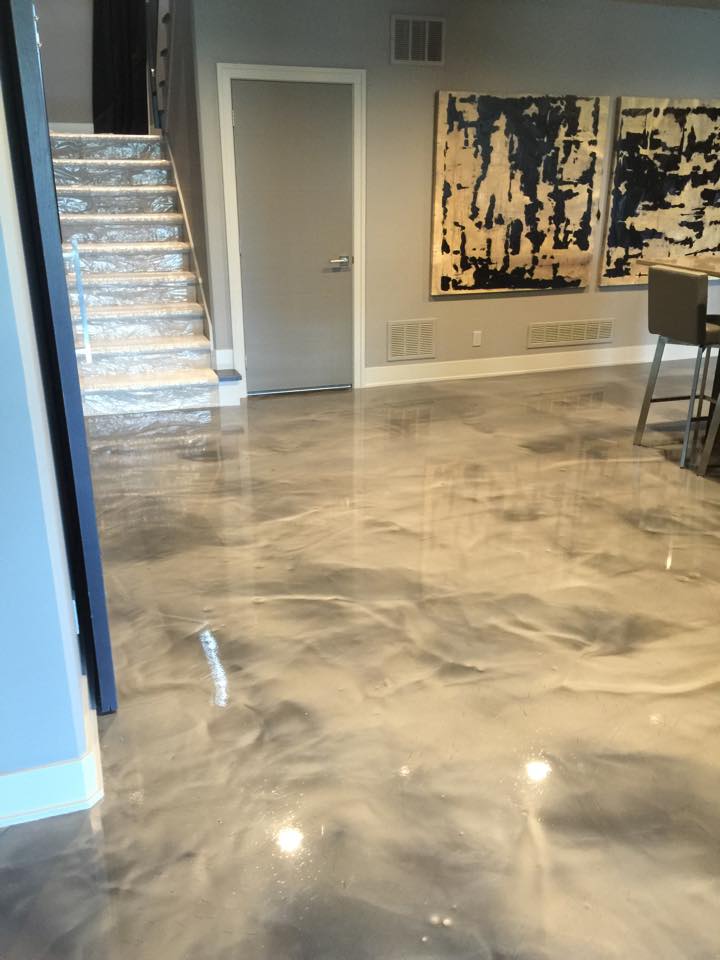
Faux finishes that mimic natural materials have gained popularity among my clients seeking luxury appearances on a budget. I create marble effects, wood grain patterns, and stone textures using specialized staining techniques and artistic skills. These sophisticated finishes provide expensive looks while maintaining concrete’s practical benefits.
Sealing and Protection for Long-term Beauty
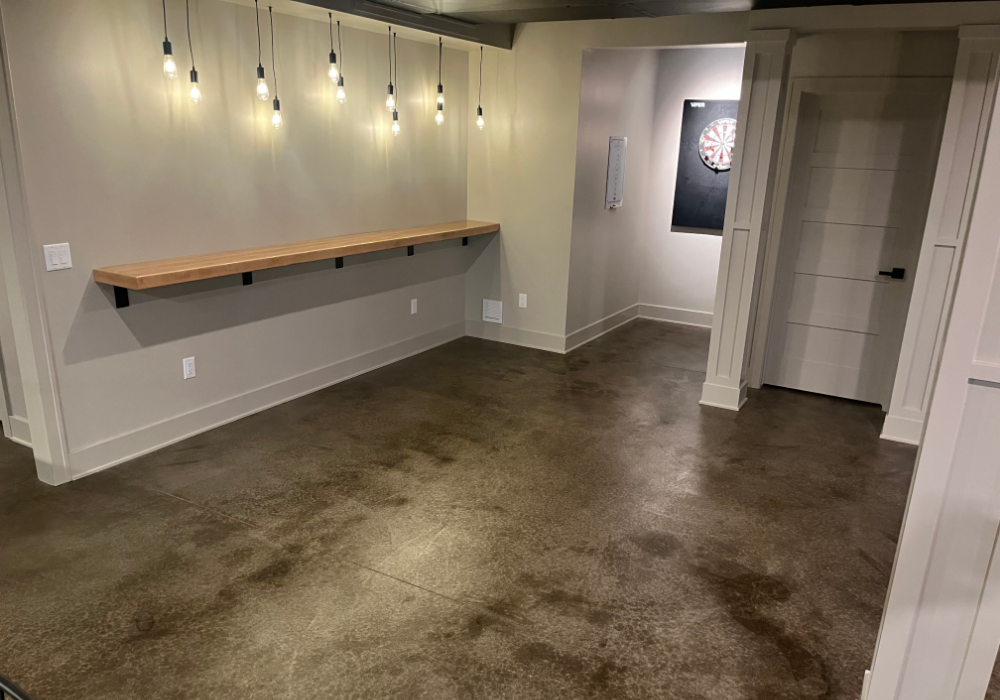
I consider proper sealing the most critical step in basement floor staining because moisture presents constant challenges in below-grade environments. Penetrating sealers work best because they protect from within while allowing concrete to breathe naturally. Surface sealers can trap moisture and cause adhesion failures that require complete refinishing to correct properly.
Multiple sealer coats provide superior protection against moisture, stains, and wear that basement floors endure regularly. I apply thin, even coats using high-quality applicators, allowing complete curing between applications. This systematic approach creates durable barriers that preserve stained concrete beauty while simplifying long-term maintenance requirements.
Maintenance schedules help preserve sealer effectiveness and extend the life of stained basement floors significantly. I recommend annual inspections and resealing high-traffic areas as needed. This proactive approach prevents moisture penetration and staining that can permanently damage concrete surfaces and require expensive restoration work.
Budget-Friendly Tips and Cost-Saving Strategies
DIY preparation saves significant money on basement staining projects when homeowners have the time and willingness to tackle labor-intensive cleaning and repair work. I provide detailed instructions and material lists that allow capable individuals to handle surface preparation while leaving staining application to professionals. This hybrid approach reduces costs while ensuring quality results.
Material selection affects project costs dramatically, and I help clients balance quality with budget constraints through careful product recommendations. Basic stains cost substantially less than premium options while still providing beautiful results. I explain the differences clearly so clients can make informed decisions based on their specific needs and financial situations.
Timing projects during slow seasons often yields better pricing from contractors and suppliers who offer discounts to maintain a steady work flow. I typically see the best pricing during late fall and winter months when outdoor construction slows down. Planning allows homeowners to take advantage of these seasonal opportunities for significant savings.
How long does basement floor staining take to cure completely?
Stained basement floors typically require 24-48 hours for initial curing and 7-14 days for complete cure in my experience. Basement humidity and temperature affect curing times significantly, with cooler, more humid conditions extending the process. I recommend avoiding heavy traffic and moisture exposure during this period to ensure proper bonding and prevent damage to newly stained surfaces.
Can I stain over existing basement floor coatings or paint?
Staining over existing coatings rarely produces satisfactory results because stains require direct concrete contact for proper penetration and adhesion. I typically recommend removing old coatings through grinding or chemical stripping before staining. However, some decorative techniques can work over existing coatings if properly prepared and appropriate products are selected for the specific situation.

Will basement moisture affect stained concrete floors?
Basement moisture can affect stained concrete if not properly managed through adequate drainage, ventilation, and sealing. I always test for moisture issues before staining and address any problems found. Properly sealed stained concrete handles moisture better than many flooring materials, but chronic water problems require resolution before any flooring installation proceeds.
How do I maintain and clean stained basement floors?
I recommend regular sweeping or vacuuming to remove dirt and debris, followed by damp mopping with pH-neutral cleaners designed for sealed concrete. Avoid harsh chemicals, acidic cleaners, and excessive moisture that can damage sealers. Annual resealing of high-traffic areas maintains protection while preserving the stained concrete’s appearance and extending its service life significantly.

Can basement floor staining cover up oil stains and other discoloration?
Minor oil stains and discoloration often blend into darker stained finishes, but significant contamination requires proper cleaning and preparation before staining. I use specialized degreasers and sometimes acid etching to remove stubborn stains. In some cases, the existing stains become part of the floor’s character, creating unique patterns that add authenticity to the finished surface.
What’s the cost difference between staining and other basement flooring options?
Stained concrete typically costs 50-70% less than ceramic tile, luxury vinyl, or carpet installation in my experience. Material costs remain low while labor varies based on preparation requirements and design complexity. The long-term value proposition improves further when considering maintenance costs and durability, making stained concrete an excellent investment for basement spaces.
Related Posts: