When I first started researching kitchen flooring options, cork wasn’t even on my radar. I figured it was something you’d find in a yoga studio or a home office, not a busy kitchen where grease splatters and water spills are just part of daily life. But after talking to a neighbor who had cork floors for over a decade and still raved about them, I got genuinely curious.
I started reading, comparing, and eventually visiting showrooms. Now, a couple of years after making the switch myself, I can honestly say it’s one of the best decisions I made during my entire kitchen renovation, and I wish someone had told me about it sooner.
Why I Chose Cork Over Other Kitchen Flooring Options
I spent weeks comparing hardwood, tile, vinyl, and laminate before cork even entered the picture. Each option had its pros and cons, and I kept running into trade-offs I wasn’t happy with. Tile felt cold and hard. Hardwood seemed risky near water. Laminate looked a little cheap in the samples I saw. Cork, once I started looking into it seriously, seemed to check boxes I didn’t even know I had.
What really sold me initially was the sustainability angle. Cork comes from the bark of cork oak trees, which means the trees themselves aren’t cut down during harvesting.
The bark regrows naturally, making it one of the more eco-friendly flooring choices available. For someone who tries to make thoughtful choices about materials in my home, that mattered quite a bit.
Once I started reading reviews and visiting showrooms, I realized cork had a loyal following of homeowners who were genuinely enthusiastic about it. People who had it swore by it.
That kind of organic, word-of-mouth reputation was hard to ignore, especially coming from people who had been living with their cork floors for five, ten, even fifteen years without regrets. That gave me the confidence to move forward.
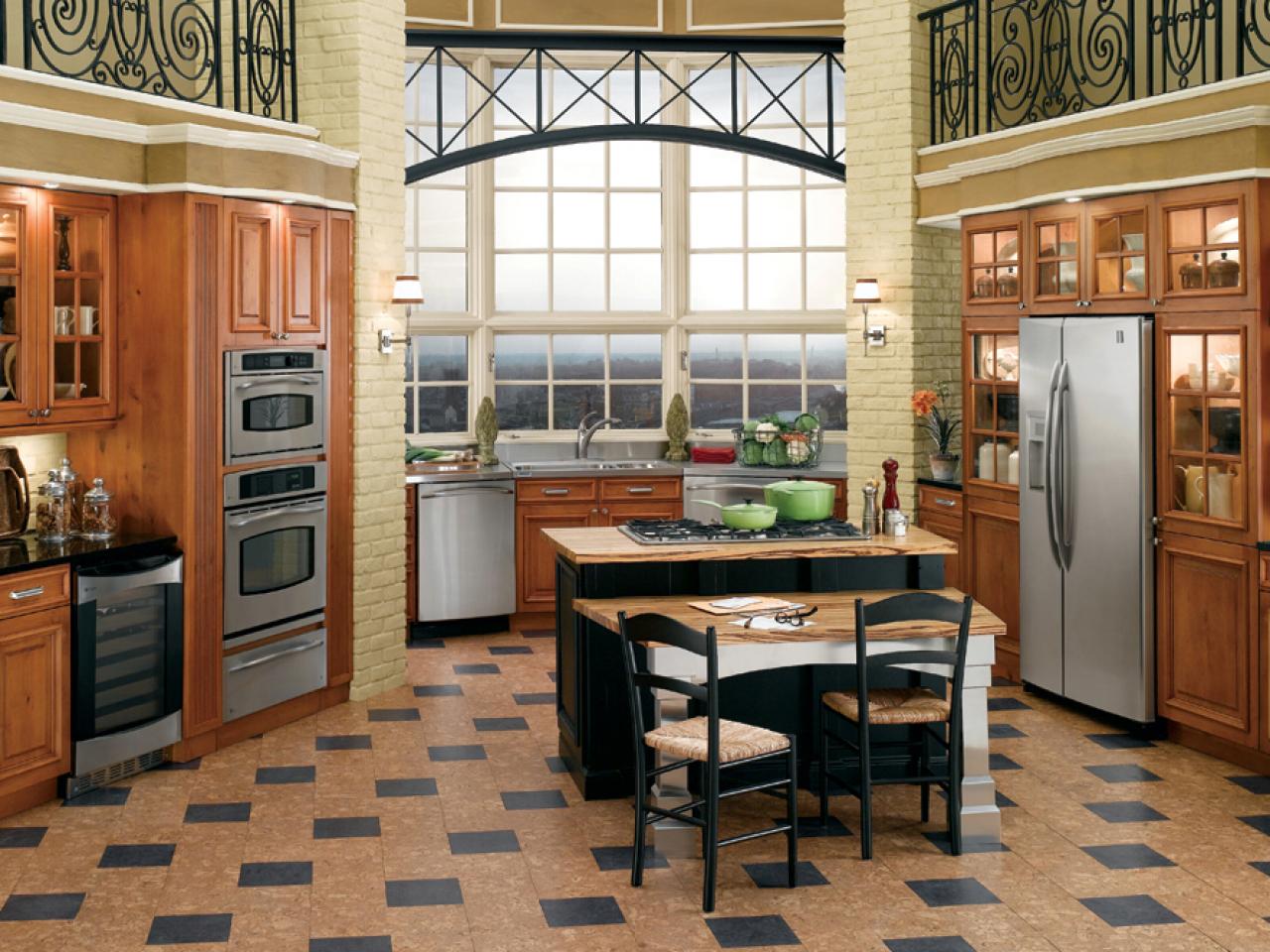
The Comfort Factor Is Real, and It Changes Everything
Standing at the stove for long stretches used to leave my feet aching and my lower back stiff by the end of a cooking session. I’d tried anti-fatigue mats, but they shifted around constantly and collected crumbs underneath them no matter how often I cleaned. Cork flooring solved that problem at the source, because the material itself has a natural cushion built right into it.
Cork has millions of tiny air pockets within its cellular structure, which gives it that soft, springy feel underfoot. Walking on it barefoot is genuinely pleasant in a way that tile or hardwood simply isn’t. I noticed the difference within the first week, especially on days when I was making big meals, holiday cooking, or just spending several hours in the kitchen at a stretch.
My mom visited about a month after the installation and without me saying anything at all, she commented on how comfortable the kitchen floor felt. That unprompted reaction told me everything I needed to hear. The cushion is noticeable and real, not something you have to convince yourself you’re feeling. If you spend a lot of time on your feet in the kitchen, this benefit alone might be worth the switch.
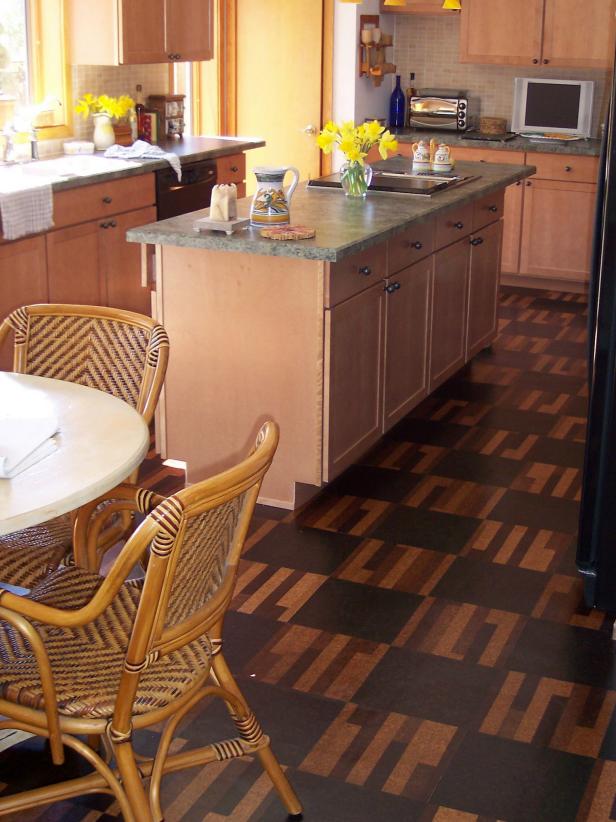
Handling Moisture and Spills in a Kitchen Environment
One of my biggest concerns going into this was whether cork could realistically handle a kitchen’s moisture levels. Kitchens see spills, steam from boiling pots, the occasional dropped glass, and daily humidity fluctuations. I wasn’t about to invest in a beautiful new floor only to watch it warp or grow mold within a year or two.
The key, I learned through research and conversations with my installer, is proper sealing. Cork flooring needs a quality polyurethane or wax sealant applied correctly and then reapplied every few years depending on the level of traffic. As long as that seal is well maintained, the floor handles everyday kitchen spills without any drama. I keep a dish towel nearby the sink and make a habit of wiping up water quickly, but I’m not panicking every time something splashes.
I will say that standing water left sitting for too long can cause problems, so I wouldn’t recommend cork in a kitchen with chronic leaking issues or one that tends to flood. But for normal everyday kitchen life, cooking splashes, a knocked-over cup, or steam from the dishwasher, my cork floors have held up beautifully without any swelling, warping, or discoloration. Maintenance is straightforward and manageable for any homeowner.
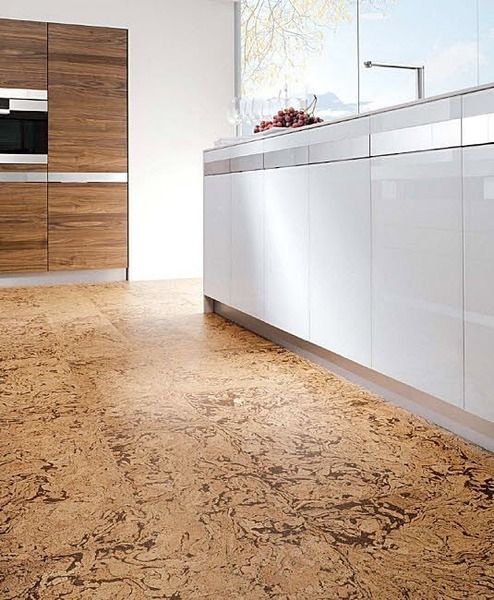
Style and Aesthetic: Cork Looks Better Than You’d Expect
Before I saw cork flooring in person, I pictured that classic bulletin-board brown, a bit dull and monotone. I assumed it would look out of place in a kitchen and immediately read as a health-food-store aesthetic. What I found at the showroom completely changed my perspective and honestly surprised me.
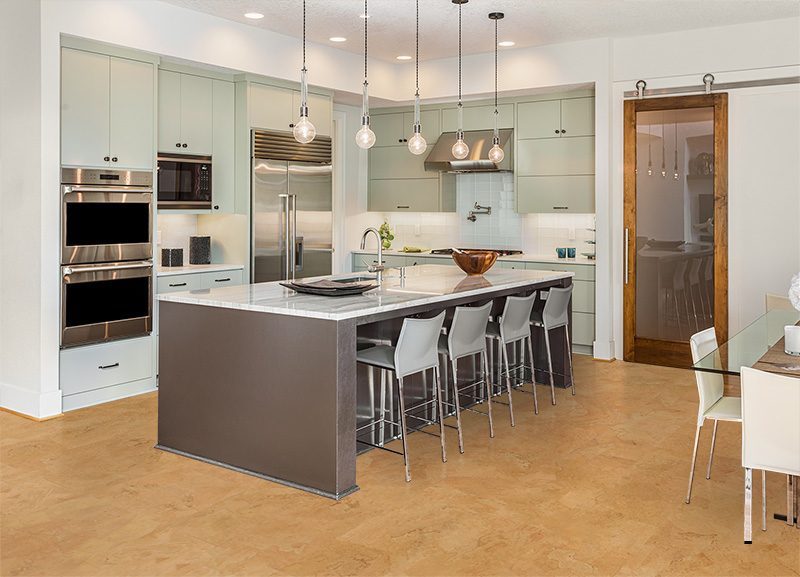
Cork now comes in a wide range of colors, patterns, and textures that can genuinely complement almost any kitchen style. I ended up choosing a medium-toned cork with a subtle grain texture that almost looked like natural stone from a distance. It paired beautifully with my white shaker cabinets and warm wood butcher-block countertops. A few guests have actually asked what kind of floor it is because they simply didn’t recognize it as cork.
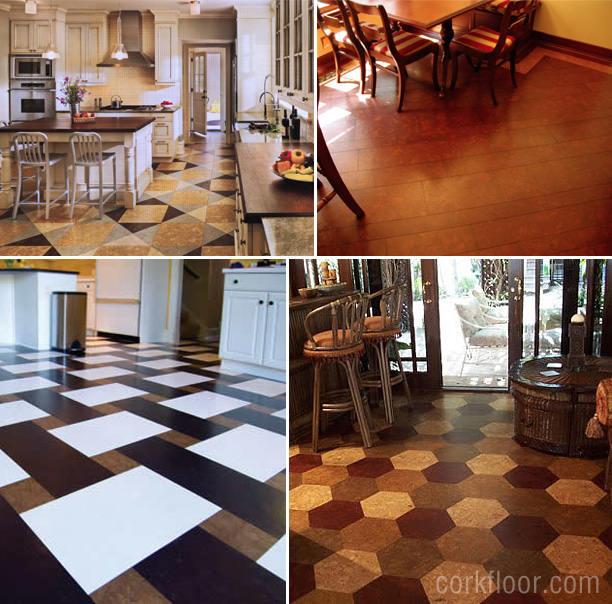
If you want something bolder, there are darker stained options, lighter bleached tones, and even tiles with geometric or mosaic-style patterns. Whether your kitchen leans rustic farmhouse, clean modern, or somewhere warmly in between, there’s likely a cork style that fits your vision. I appreciated having real aesthetic choices and feeling like I wasn’t just settling for “the natural look” out of necessity.

Installation: What I Wish I’d Known Beforehand
I went back and forth for a while on whether to DIY the installation or hire a professional. Cork flooring comes in both floating click-lock planks and glue-down tiles, and the click-lock version looked manageable based on the tutorials I watched. In the end, I decided to hire someone because my kitchen subfloor had some uneven spots that I didn’t feel fully confident addressing myself.
That decision turned out to be exactly right. The installer leveled the subfloor before laying anything down, which is genuinely critical for cork because the material can telegraph imperfections from beneath it over time. Had I skipped that prep work or rushed through it, I likely would have ended up with squeaks, soft spots, and visible dips within a year. The extra preparation added time and some cost, but it was absolutely worth it for the finished result.
One practical tip I picked up that I wish someone had told me earlier: cork needs to acclimate to your home’s temperature and humidity for at least 48 to 72 hours before installation. I had the boxes sitting unsealed in my kitchen before the installer arrived, which gave the material time to adjust. That simple step helps prevent expansion or contraction after the floor is laid down, and skipping it is one of the most common mistakes people make with cork installations.
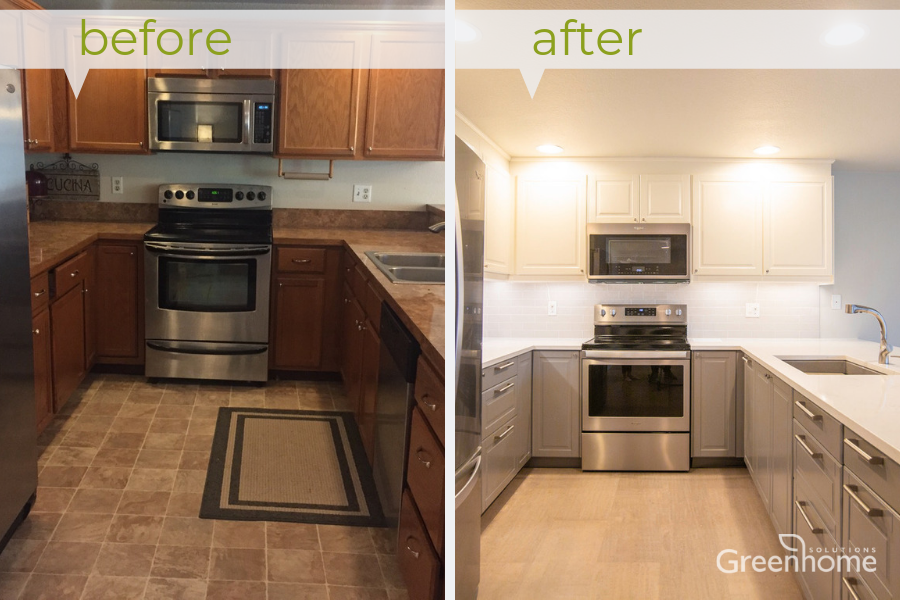
Long-Term Care and How Cork Has Held Up for Me
Maintaining cork flooring has turned out to be simpler than I expected going in. I sweep or vacuum regularly to keep grit and debris off the surface, since small particles can act like sandpaper and cause scratching over time. For deeper cleaning, I use a lightly damp mop with a pH-neutral cleaner and make sure I’m not soaking the floor with excess water.
Every two to three years I reseal the floor, and it’s honestly not a complicated process. It involves a light sanding to scuff the surface, a thorough cleaning, and then a fresh coat of sealant rolled on evenly. I did it myself the first time following a few online guides, and it took a weekend afternoon with time left over. The floor looked refreshed and protected when I was done, almost like the day it was installed.
The only real wear I’ve noticed is a small scuff near the back door where my dog tends to scramble in from outside. It’s minor and not very visible unless you’re looking for it, but it reminded me to put down a low-profile rug in that spot to protect the traffic area. For a kitchen floor that sees daily use from two adults, one enthusiastic dog, and fairly frequent dinner parties, I’d call that durability genuinely impressive.
Is cork flooring waterproof enough for a kitchen?
Cork itself isn’t fully waterproof, but a quality sealant makes it highly water-resistant and very practical for kitchen use. I’ve had no issues with everyday spills as long as I wipe them up within a reasonable amount of time. The main thing is to avoid leaving standing water sitting for extended periods, and to reseal the floor every two to three years to keep that protective layer doing its job properly.
How long does cork flooring last in a kitchen?
With proper sealing and regular care, cork flooring can last 20 to 30 years or more. Mine is a few years in and still looks great with no signs of deterioration. The real key is staying on top of maintenance. Keep it sealed, clean it gently with appropriate products, and use felt pads under furniture legs to avoid gouging the surface over time.
Is cork flooring good for homes with pets or kids?
I have a dog and cork has held up well for us overall. The natural cushion actually makes it comfortable for pets to walk and rest on, which is a nice bonus. It can scratch from pet nails, so keeping them trimmed helps noticeably. For kids, the soft and forgiving surface is actually a real advantage since tumbles are a bit less harsh than they would be on tile or hardwood.
Does cork flooring smell after installation?
New cork has a mild, earthy scent that fades within a few weeks of installation. I noticed it briefly after my floor went in but found it not unpleasant at all, more natural than anything chemical. Once the sealant fully cured and the floor settled in over the first month, the smell was completely gone and my kitchen just smelled like my kitchen again.

How expensive is cork flooring compared to other options?
Cork flooring typically runs between $3 and $12 per square foot depending on the quality, style, and thickness you choose. That puts it in a similar price range to mid-grade hardwood or quality luxury vinyl. When you factor in installation and long-term durability, it’s a reasonable investment. The added comfort and sustainability make it feel like good value to me personally.
Can I install cork flooring over existing tile or concrete?
Yes, in many cases you absolutely can. I had mine installed over a concrete subfloor after the installer leveled it properly. The surface needs to be flat, clean, and completely dry before anything goes down. Floating click-lock cork works especially well over existing hard floors. I’d strongly recommend consulting a professional first if your subfloor has any significant damage, moisture issues, or height variation that could cause problems later.
Related Posts: