When I decided to finally do something about my tired, cracked concrete patio, I went through what felt like every outdoor flooring option available before landing on cork. Pavers felt too formal, composite decking was outside my budget, and plain concrete resurfacing seemed like a temporary fix at best.
Cork kept coming up in my research in unexpected places, and the more I read about it, the more intrigued I became. It seemed almost too good to be true, a natural, cushioned, eco-friendly surface that could handle outdoor conditions. Here’s what I actually discovered after taking the leap and living with outdoor cork flooring through two full seasons.
Understanding What Outdoor Cork Flooring Actually Is
Before I committed to anything, I needed to understand what outdoor cork flooring actually means as a product category, because it’s not simply the same cork tiles you’d put in a bathroom moved outside. Outdoor cork products are specifically engineered to handle UV exposure, temperature fluctuation, rain, and foot traffic in ways that standard indoor cork simply isn’t designed for, and that distinction matters enormously.
Outdoor cork tiles and pavers are typically made from granulated cork that’s been compressed and bound with natural or synthetic resins under high pressure. This creates a denser, more resilient product than the softer cork tiles used indoors.
Many outdoor cork products also incorporate rubber or other stabilizing materials into the composition to improve weather resistance and structural integrity under exposure to the elements over time.
The surface treatment is what separates outdoor cork from indoor cork most significantly. Properly manufactured outdoor cork comes with UV-resistant sealers or coatings already applied, and maintaining those coatings through reapplication is what keeps the material performing well season after season.
Going in with a clear understanding of that ongoing maintenance commitment helped me set realistic expectations rather than being caught off guard when my first resealing cycle came around.
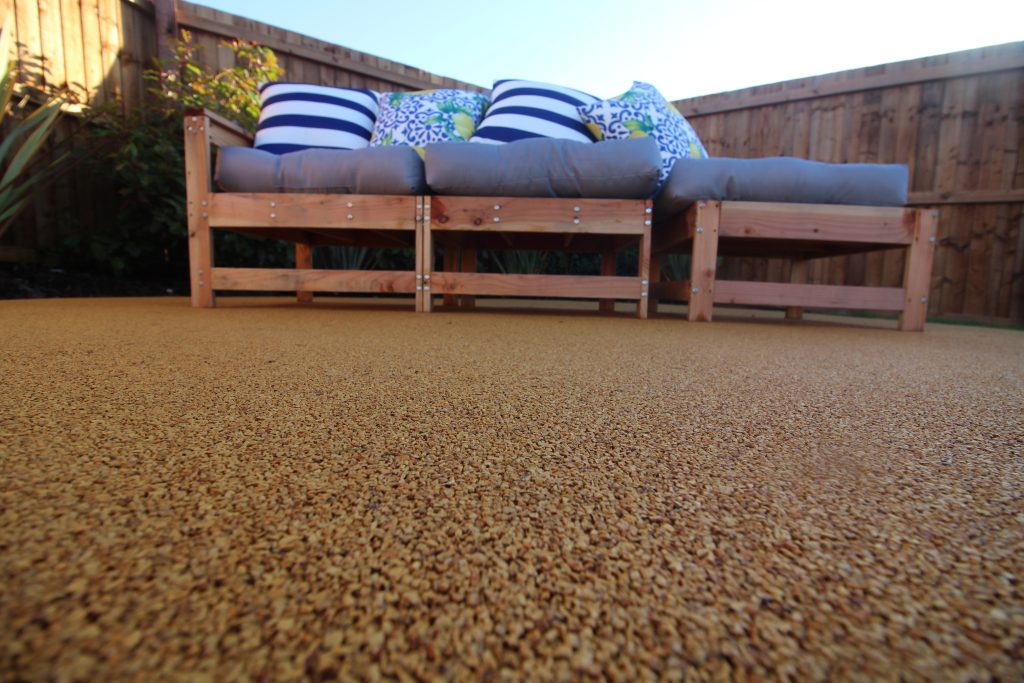
The Benefits That Made Me Choose Cork Over Other Outdoor Options
The cushioned feel of cork underfoot was honestly what first caught my attention when I started reading about it as an outdoor surface. I spend a lot of time on my patio, cooking at an outdoor kitchen, doing yoga in the morning, and generally using the space as an extension of my living area. After years of standing on hard concrete, the idea of a surface with natural give and warmth genuinely appealed to me in a way that tile or stone couldn’t.
Cork is also a natural thermal insulator, which turned out to matter more than I expected in outdoor use. On hot summer afternoons, my patio surface stays noticeably cooler underfoot than concrete or stone would in the same conditions. I can walk barefoot on it even after hours of direct sun exposure without the burning sensation I’d get from tile or composite decking, which has made the space dramatically more comfortable and usable during the warmest months of the year.
The sustainability aspect of cork resonated with me as well, and I don’t say that just as a box-checking exercise. Cork is harvested from the bark of cork oak trees without cutting them down, and the trees continue to grow and regenerate bark for decades after harvest. Choosing a material with that kind of environmental story felt meaningful for a patio renovation where I was already trying to make thoughtful choices about materials and their long-term impact.

Choosing the Right Outdoor Cork Product for Your Space
Not all outdoor cork products are created equal, and figuring out which type suits your specific situation requires asking the right questions before you buy. The main formats available for outdoor use are interlocking cork tiles, adhesive-set cork pavers, and cork composite tiles that blend cork with rubber or other materials for enhanced durability. Each has different installation requirements and performance characteristics worth understanding.
Interlocking cork tiles appealed to me most because they can be installed without adhesive directly over a flat, clean surface, which made the project accessible as a DIY undertaking. They’re also easier to replace if individual tiles become damaged, which felt like an important advantage for an outdoor application where weather-related wear is an unavoidable reality. I installed them over my cleaned and leveled concrete patio surface over a single weekend without needing a contractor.
Cork composite tiles that incorporate rubber in their composition tend to offer better compression recovery and impact resistance than pure cork options, which makes them worth considering for areas with heavy furniture, frequent foot traffic, or use by kids and pets. They’re often slightly firmer underfoot than pure cork, sacrificing a little of that cushioned feeling in exchange for improved durability and a longer service life under demanding outdoor conditions. Knowing your priorities before shopping helps narrow the options quickly.

Installation Tips From My Own Patio Project
Getting the installation right with outdoor cork starts well before you open the first box of tiles, and the preparation stage is what I found most critical to the project’s overall success. My concrete patio had a few low spots where water pooled after rain, and I knew those areas would cause problems for any surface I installed on top of them. I used a concrete leveling compound to address those dips before doing anything else, which added a day to the project but was absolutely the right call.
I also cleaned the concrete thoroughly with a degreaser and pressure washer and let it dry completely for 48 hours before laying any tiles. Outdoor cork sitting on a dirty or damp base will underperform and potentially fail at the adhesive layer or develop mold underneath if conditions aren’t right from the start. Taking that time felt tedious in the moment but gave me confidence in the foundation I was working with.
The interlocking tiles I used went down quickly once the surface was ready, clicking together with a satisfying firmness that told me the connection was solid. I cut edge pieces with a utility knife and straightedge, which worked cleanly on the cork material without needing power tools for most cuts. Leaving a small expansion gap around the perimeter where the tiles met the house wall and fence posts was something my product instructions specified, and it’s important for allowing the material to move slightly with temperature changes without buckling or lifting at the edges.

Managing Moisture, Weather, and Seasonal Changes
Moisture management is the central challenge of any outdoor flooring material, and cork is no exception. My climate includes significant rainfall in spring, hot and dry summers, and cool wet falls, which covers a pretty wide range of conditions that the floor needed to handle without failing. Understanding how outdoor cork responds to each of those conditions helped me develop a maintenance approach that has kept the surface in good shape through everything the weather has delivered.
Rain is something outdoor cork handles reasonably well when properly sealed, but I was careful not to let water pool on the surface for extended periods after heavy storms. I sweep standing water off with a soft broom after significant rainfall and make sure the patio drains properly so water doesn’t sit and soak in at the seams between tiles. The slight texture of my cork tiles helps with grip when wet, which is a meaningful safety benefit on an outdoor surface that also functions as a space where people walk barefoot.
Temperature extremes require some awareness as well. Cork can expand slightly in high heat and contract in cold conditions, which is normal behavior for a natural material. I leave my expansion gaps clear of debris and don’t push furniture right up against the perimeter edges so the material has room to move without stress. In my climate, the floor has stayed flat and stable through two seasonal cycles, which tells me the installation details and maintenance habits I’ve committed to are working as intended.

Resealing and Long-Term Maintenance of Outdoor Cork
The maintenance reality of outdoor cork is something I want to be completely transparent about because it’s the factor that most determines whether this material is right for you. Outdoor cork needs to be resealed regularly to maintain its weather resistance, and skipping that step is the fastest way to shorten the floor’s lifespan significantly. For me, resealing once a year has kept the surface looking great and performing well, and I’ve built it into my annual spring routine alongside other outdoor home maintenance tasks.
The resealing process itself isn’t difficult, but it does require the surface to be clean and dry before you start, which means planning around the weather and giving yourself a window of dry days to work within. I clean the entire surface with a cork-safe cleaner, let it dry fully for at least 24 hours, and then apply a UV-resistant outdoor sealer in two thin coats with a roller, letting each coat cure completely before adding the next. The whole process takes a weekend and makes a very visible difference in how vibrant and protected the surface looks going into the next season.
Beyond resealing, the day-to-day maintenance of outdoor cork is genuinely simple. I sweep regularly to keep debris from accumulating in the tile seams, hose it down when it needs a more thorough clean, and use furniture pads under the legs of chairs and tables to prevent compression dents in the cork surface over time. Keeping potted plants on saucers rather than directly on the cork prevents the moisture buildup underneath that can lead to mold or discoloration. Those small habits add up to a surface that continues to look and feel like a worthwhile investment every time I step outside.
Is outdoor cork flooring durable enough to handle real weather conditions?
With proper sealing and maintenance, yes. I’ve had mine through two seasons of rain, heat, and cold, and it’s held up well. The key is not skipping resealing cycles and managing standing water after heavy rain. Outdoor cork won’t last like stone or concrete, but with consistent care it performs far better than most people expect from a natural material exposed to the elements year-round.
How often does outdoor cork flooring need to be resealed?
I reseal mine once a year in early spring, which works well for my climate. In areas with more intense sun or rainfall, twice a year may be worth considering. The signs that resealing is needed are a surface that looks dull, feels rougher than usual, or absorbs water rather than beading it. Staying on top of the sealing cycle is the single most impactful thing you can do for the long-term performance of outdoor cork.
Can outdoor cork flooring handle furniture and heavy foot traffic?
Yes, though it does compress under sustained pressure from heavy furniture legs without pads underneath. I use rubber furniture pads on all my outdoor chairs and table legs, which distributes the weight and prevents permanent indentations in the cork surface. Foot traffic hasn’t been an issue at all. The material has good compression recovery for normal use, and the texture holds up well in zones where people walk regularly throughout the day.

Is outdoor cork flooring safe and comfortable for kids and bare feet?
It’s one of the most comfortable outdoor surfaces I’ve stood on barefoot, and the slight grip texture makes it safe when wet. Kids love the cushioned feel, and it’s forgiving on falls in a way that concrete or stone simply isn’t. I’d call it one of its biggest practical advantages for a family patio space. Just make sure the sealer you use is rated non-toxic once cured, which most quality outdoor cork sealers are, so bare skin contact isn’t a concern.
How does outdoor cork flooring compare in cost to other patio options?
Outdoor cork sits in a mid-range price point, generally more affordable than quality composite decking or natural stone pavers, but more than basic concrete resurfacing or rubber tiles. The DIY installation option helps keep total project costs down meaningfully. When I factored in the comfort, sustainability, and aesthetic value alongside the price, cork felt like strong value for what it delivered compared to the alternatives I had seriously considered for my patio.
What happens to outdoor cork flooring if I miss a resealing cycle?
Missing one cycle won’t ruin the floor immediately, but you’ll notice the surface starting to look weathered and dull, and water absorption will increase at the surface and seams. Prolonged neglect can lead to cracking, fading, or mold growth in the tile joints. If you do miss a cycle, clean the surface thoroughly, let it dry completely, and reseal as soon as conditions allow. Catching up early prevents most of the long-term damage that comes from extended periods without adequate sealer protection.

Related Posts: