I never thought I’d get excited about flooring until I stumbled across herringbone cork during a home renovation and completely changed my plans. I had originally budgeted for tile in my home office, but once I saw herringbone cork laid out in a showroom, I was sold on the spot. It had this warmth and visual depth that felt different from anything else I’d looked at, and the more I learned about cork as a material, the more it made sense for my space. If you’re curious about this flooring option, let me walk you through everything I’ve picked up along the way.
What Herringbone Cork Flooring Actually Is
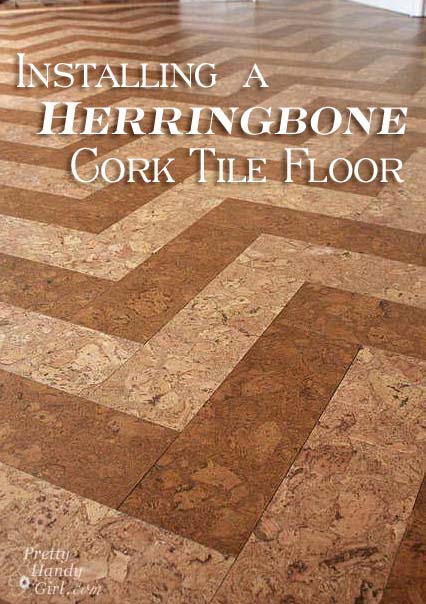
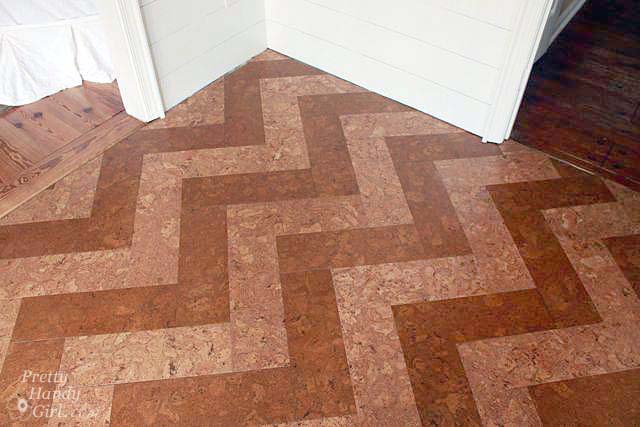
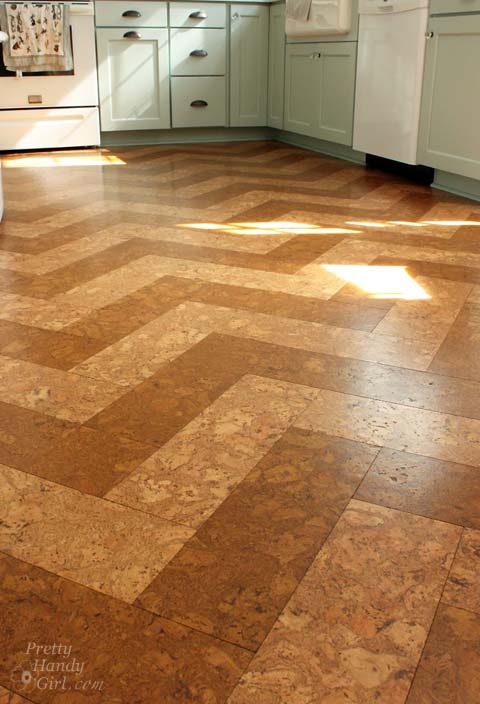
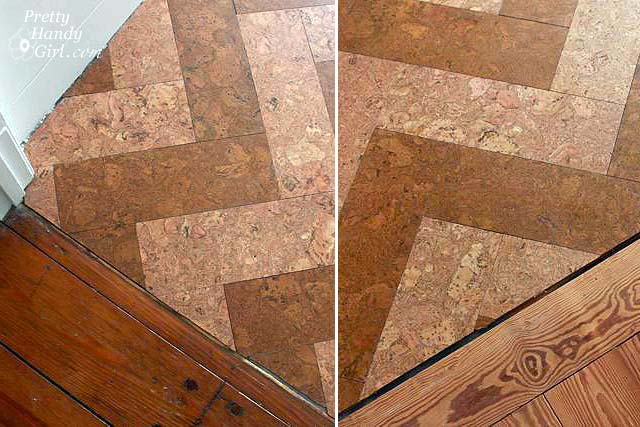
When I first heard “herringbone cork,” I assumed it was just a trendy pattern stamped onto regular cork tiles. But it’s actually more interesting than that. Herringbone refers to the installation pattern, where rectangular cork planks or tiles are laid at alternating angles to create that classic zigzag look. The result is a floor with serious visual personality.
Cork itself comes from the bark of cork oak trees, which are harvested without cutting the tree down. I found this genuinely fascinating when I researched it. The bark regenerates over time, making cork one of the more renewable flooring materials out there. It felt good knowing my floor choice wasn’t costing a tree its life.
The combination of the herringbone pattern with cork’s natural texture creates something that looks both classic and organic. In my office, it reads as sophisticated without feeling cold or formal. Guests always comment on it, and when I tell them it’s cork, most of them are surprised. They expect cork to look plain and utilitarian, not like this.
The Comfort and Acoustic Benefits I Didn’t Expect
One of the first things I noticed after installation was how different it felt underfoot. Cork has a natural cellular structure that gives it a slight cushion, and after years of standing on tile and hardwood, this was a genuine upgrade. My legs and lower back felt noticeably less fatigued after long work sessions at my standing desk.
The sound dampening caught me off guard too. My home office shares a wall with the living room, and after the cork went in, the noise transfer dropped significantly. Cork naturally absorbs sound rather than reflecting it, which makes a real difference in busy households. I didn’t install any extra underlayment and still got impressive results.
It also stays warmer than tile or stone underfoot, which matters a lot in cooler months. I used to dread stepping onto my old tile floor first thing in the morning. With the cork, there’s no shock, just a comfortable, consistent temperature. For anyone working from home or spending long hours in a space, this comfort factor is honestly hard to overstate.
Understanding the Installation Process
I went back and forth on whether to DIY the herringbone installation or hire someone, and I’m glad I hired a professional for this one. Herringbone is more complex than a standard straight lay because every piece needs to be cut and aligned at precise angles. One mistake early on can throw off the entire pattern across the room.
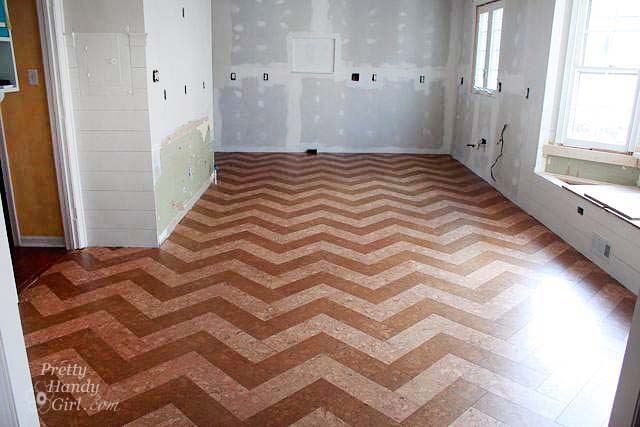
The subfloor preparation matters enormously with cork. My installer spent almost as much time leveling and prepping the subfloor as he did laying the actual tiles. Cork is forgiving in some ways, but it will telegraph any bumps or dips beneath it over time. Getting that base perfectly flat made a big difference in the finished result.
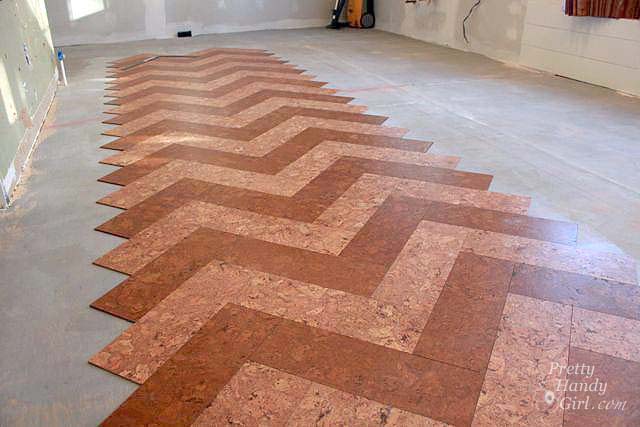
Depending on the cork product you choose, installation might use adhesive, a floating click-lock system, or a glue-down method. I went with a glue-down approach for the herringbone pattern because it gives a more stable result, especially at all those angled joints. Your installer will likely recommend the same for a complex pattern like this one.

How Herringbone Cork Holds Up Over Time
I’ve had my herringbone cork floor for about three years now, and it still looks great with minimal effort. Cork is naturally resistant to mold and mildew because of a waxy substance called suberin found in its cells. I appreciated this especially since my office gets some humidity fluctuation through the seasons.
That said, cork does need protection from heavy furniture and sharp objects. I learned this after a chair leg left a small dent near my desk. I now use felt pads on everything and a chair mat under my rolling desk chair. With those precautions in place, wear has been minimal and the floor has held its shape well.
The finish on cork floors does need occasional attention. Mine came pre-finished from the manufacturer, but I’ve applied a fresh coat of water-based polyurethane once in three years to keep it protected and looking its best. It’s not a huge maintenance commitment, just something to plan for every few years depending on traffic levels in your space.

Choosing the Right Cork Product for a Herringbone Layout
Not all cork flooring works well in a herringbone pattern. When I was shopping, I learned quickly that rectangular tiles or planks work best because the pattern depends on consistent dimensions and clean edges. I ended up choosing a 12-by-24-inch cork tile that gave the herringbone a bold, modern scale rather than a tight, busy look.
Color and finish also vary a lot between products. Natural cork ranges from pale honey tones to deeper caramel shades, and many manufacturers offer stained or printed options that mimic wood or stone. I went with a mid-tone natural finish because I wanted the texture and warmth of real cork to show through rather than hiding it under a heavy stain.
Thickness matters too, especially if you care about sound and cushion. Thicker tiles give you more of those comfort benefits. I chose a 6mm tile, which struck the right balance between durability and underfoot feel. If you’re installing over concrete or in a space that runs cold, going thicker is worth the extra cost.
The Cost Breakdown and Whether It’s Worth It
Cork flooring sits in a mid-range price point, which surprised me because I expected it to be either cheaper or more expensive. Material costs for quality cork tiles typically run between three and eight dollars per square foot, depending on thickness and finish. The herringbone installation adds labor costs because of the extra cutting and precision involved.
My total project cost, including materials, professional installation, and subfloor prep, came out to about twelve dollars per square foot. For my 200-square-foot office, that felt very reasonable compared to the hardwood quotes I had received. If you’re working with a tighter budget, some cork click-lock products are DIY-friendly and can bring that labor cost down considerably.
In terms of value over time, I think cork is genuinely worth it. It’s durable when properly maintained, comfortable to live with daily, and the herringbone pattern gives the space a custom, designed look that feels far more expensive than it is. Three years in, I have zero regrets and would absolutely choose it again for another room in my home.
Is herringbone cork flooring good for kitchens or bathrooms?
Cork can handle light moisture, but I wouldn’t put it in a bathroom or high-splash kitchen zone without serious sealing. I’ve seen it work well in kitchens when properly finished and maintained, but standing water is always a risk. Wipe up spills fast and apply a quality sealant regularly. For full bathrooms, I’d consider a more water-resistant option.
How do I clean herringbone cork floors without damaging them?
I use a slightly damp microfiber mop and a pH-neutral cleaner. Avoid soaking the floor or using harsh chemicals, as these can break down the finish over time. A dry dust mop a few times a week handles everyday debris beautifully. I also stay away from steam mops entirely since the heat and moisture can damage cork’s natural structure.
Can cork flooring handle pets and kids?
In my experience, yes, with some caveats. Dog nails can scratch cork if they’re not kept trimmed, and heavy play can cause dents over time. I’d recommend a harder finish and keeping felt pads on furniture. The good news is that cork’s cushion is actually great for kids playing on the floor, and its natural properties resist mold and odors pretty well.
How long does herringbone cork flooring last?
With proper care, cork floors can last 20 to 30 years. Mine is going strong at three years with just one refinishing. The key is protecting the surface finish and avoiding excess moisture. If the finish wears down, you can sand and reseal cork rather than replacing it entirely, which makes it a surprisingly long-term investment compared to other options.
Does the herringbone pattern make cork harder to repair?
Honestly, yes. Because each piece is cut at an angle, replacing a single damaged tile is trickier than with a straight-lay floor. I always buy extra tiles during installation and store them for future repairs. If a tile gets badly damaged, a flooring pro can usually replace it without disturbing the surrounding pieces, but matching older cork can be a challenge as products change.
Is cork flooring eco-friendly?
This was a big reason I chose it. Cork is harvested from living trees without cutting them down, and the bark regrows naturally over years. It’s biodegradable and the production process is relatively low-impact compared to vinyl or tile. If sustainability matters to you the way it does to me, cork is one of the more genuinely green flooring choices available today.
wedded whittaker: Cork It Cork flooring, Flooring, Home

Jelinek Cork Flooring Types u2014 Jelinek Cork Group®
Photo Gallery – NATURA Cork Flooring
 Related Posts:
- Cork Flooring Colors
- Cork Flooring Dining Room
- Light Cork Flooring
- Engineered Cork Flooring
- Cork Flooring In Kitchen
- Cork Flooring Modern
- Cork Flooring White
- Herringbone Cork Flooring
- Outdoor Cork Flooring
- Cork Flooring Bathroom
Cork Flooring: The Timeless Charm of Herringbone Pattern
Cork flooring has been a popular flooring option for many years due to its natural warmth, durability, and comfort. One of the latest trends in cork flooring is the herringbone pattern, which adds an extra layer of sophistication and elegance to your home decor. In this article, we’ll explore the advantages of cork flooring, why herringbone is a popular pattern choice, and how to install cork flooring in a herringbone pattern.Why Cork Flooring is the Perfect Choice for Your Home
Cork flooring has several advantages over other flooring options. Firstly, it is an eco-friendly flooring choice as it is made from the bark of cork oak trees, which can be harvested without harming the tree. Secondly, cork flooring is naturally warm and comfortable underfoot, making it a great option for homes in colder climates. Thirdly, cork is a durable flooring option, resistant to wear and tear, staining, and water damage. Lastly, cork flooring is easy to maintain and can last for several decades with proper care.Herringbone Pattern: A Classic Design with a Modern Twist
The herringbone pattern is a timeless design that has been popular for centuries. This pattern is created by arranging rectangular cork tiles in a V-shaped pattern, creating a stunning visual effect. The herringbone pattern is a popular choice for flooring as it adds depth and interest to any space, making it a great option for high-traffic areas like the living room or hallway.Installing Cork Flooring in a Herringbone Pattern
Installing cork flooring in a herringbone pattern is a straightforward process that can be done by a DIY enthusiast or professional flooring installer. Here are the steps to follow:- Measure the room: Measure the length and width of the room to determine the number of cork tiles you will need.
- Prepare the subfloor: Clean the subfloor and make sure it is level. If necessary, use self-leveling compound to level out any bumps or unevenness.
- Lay out the tiles: Lay out the cork tiles in a herringbone pattern to ensure that you have the desired look before starting the installation process.
- Cut the tiles: Cut any tiles that need to be trimmed to fit around the edges of the room or around obstacles like fireplaces or cabinets.
- Glue down the tiles: Apply a cork adhesive to the back of the cork tiles and place them in the desired pattern. Make sure to use a notched trowel to spread the adhesive evenly.
- Finish the installation: Once all the tiles are in place, let the adhesive dry completely. You can then apply a sealant or finish to protect the cork and enhance its natural beauty.