When I was renovating my dining room, everyone assumed I’d go with hardwood or tile like most people do. I almost did. But after spending an afternoon on my feet at a flooring showroom, standing on sample after sample, something about the cork kept pulling me back.
It was warm, quiet, and surprisingly beautiful in ways I hadn’t expected from a material I’d mostly associated with bulletin boards and wine bottles. Two years of family dinners, holiday gatherings, and everyday chaos later, I can tell you that cork flooring in a dining room is one of the more underrated choices you can make, and here is everything I’ve learned from living with it.
What Makes Cork a Surprisingly Smart Dining Room Choice
The dining room is one of the more demanding spaces in a home when it comes to flooring. Chairs scrape across the surface multiple times a day, food and drink get dropped, and people stand on it for long stretches while cooking or entertaining. Cork handles all of those challenges better than I expected when I first installed it, and a lot of that comes down to its natural physical properties.
Cork is made from the bark of cork oak trees, harvested without cutting the tree down. The bark regenerates over time, making cork one of the most genuinely sustainable flooring materials available.
That environmental story was meaningful to me when I was making the decision, but the performance has been what really kept me a committed advocate. Cork earns its place in a dining room on practical merits, not just its sustainability credentials.
The natural cellular structure of cork is what makes it perform so well underfoot. Those millions of tiny air-filled cells act as a cushion that absorbs impact, reduces fatigue, and softens the sound of footsteps and chair movement.
Standing at my dining table during long holiday dinners used to leave my legs tired by dessert. After the cork went in, that fatigue disappeared almost entirely, which sounds minor until you experience the difference yourself.
The Visual Appeal of Cork in a Dining Room Setting
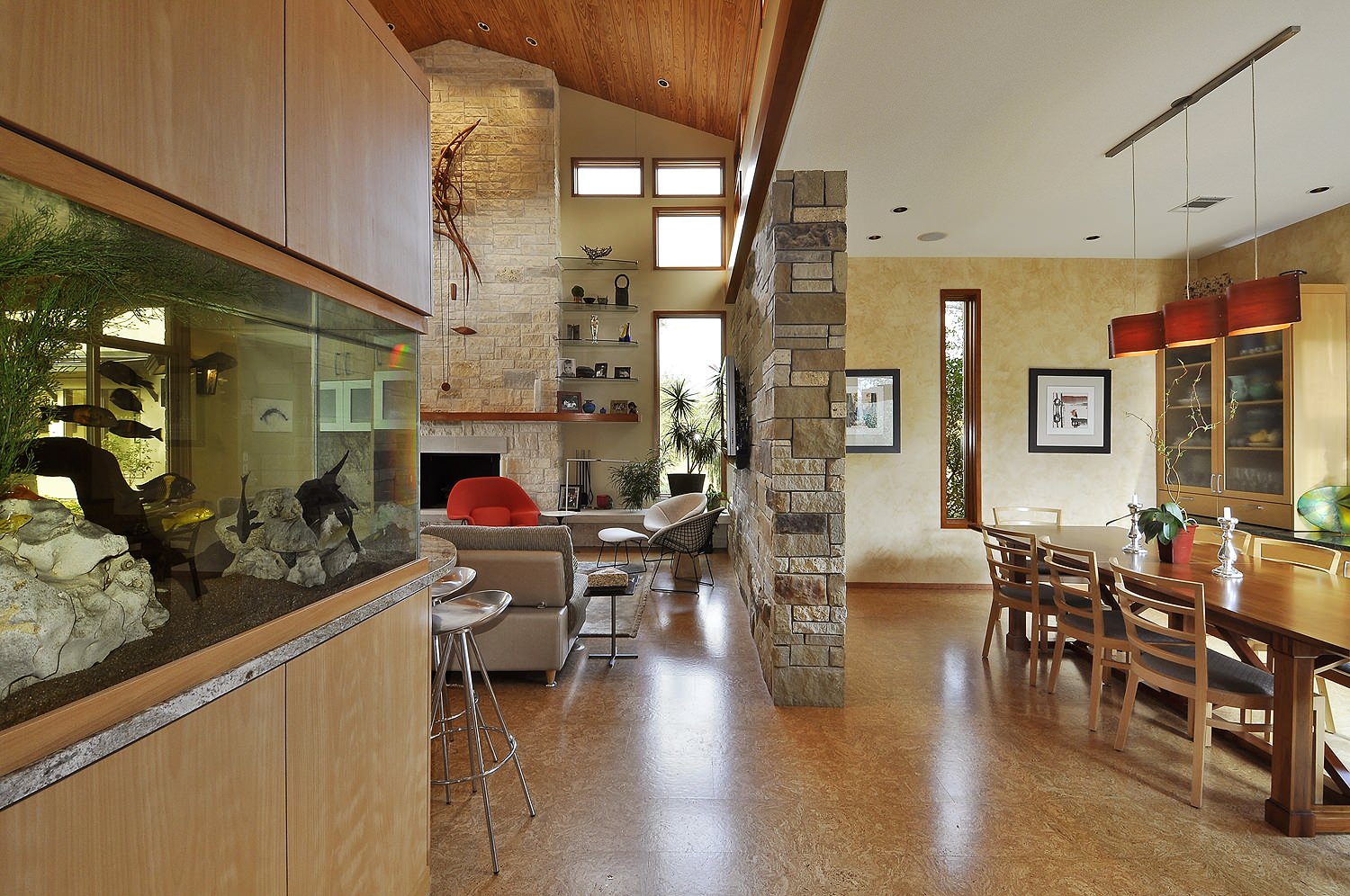
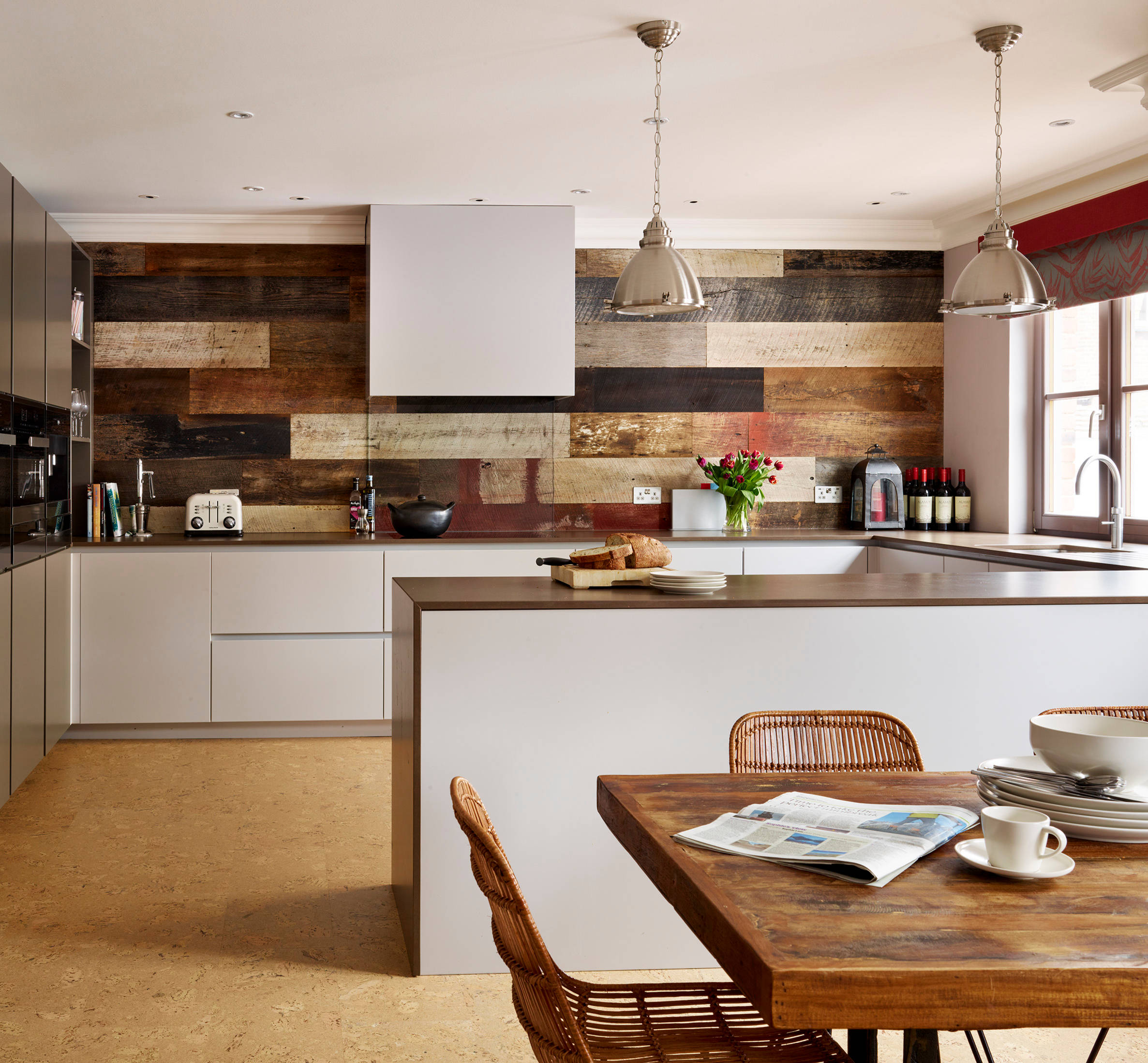
I’ll admit that my first mental image of cork flooring was not particularly inspiring. I pictured something that looked like a giant wine stopper spread across my floor. What I actually found when I started looking at cork flooring products was a genuinely attractive range of tiles and planks with warm, nuanced tones and interesting natural textures that complemented my dining room beautifully.
Cork comes in a range of colors from pale champagne and honey tones to deeper amber and even dark espresso shades. The natural grain pattern within the cork adds visual depth and an organic quality that manufactured flooring simply can’t replicate. My dining room has a lot of natural wood furniture, and the cork floor ties everything together in a way that feels cohesive and considered rather than accidental.
Tile formats in cork give you the option to create patterns, which I found exciting during the planning phase. Alternating light and dark cork tiles in a checkerboard or herringbone layout creates a dramatic visual effect that looks custom and deliberate. I went with a uniform honey-tone plank format for a cleaner look, but if you love pattern, cork gives you real creative flexibility that most other flooring materials at a similar price point simply don’t offer.

How Cork Handles the Dining Room’s Daily Demands
Before I committed to cork, I had real concerns about how it would hold up to dining room life. Chair legs were my biggest worry. In my previous home with hardwood floors, chair legs had left permanent scratches and gouges over years of daily movement. With cork being a softer material, I imagined it would be even more vulnerable. The reality has been more nuanced and more positive than I feared.
Cork does show indentations from heavy furniture placed in one spot for extended periods. I put felt pads under every chair leg before my first dinner and have kept them there consistently. With those pads in place, I’ve seen minimal marking from daily chair movement. The cork’s natural resilience means minor compressions often partially bounce back over time, which is a quality hardwood and tile simply don’t share.
Dropped utensils and dishes are another dining room reality, and cork absorbs impact in a way that has actually saved a few plates in my house. The cushioned surface softens falls enough that things that would shatter on tile sometimes survive a drop onto cork. That’s not its primary selling point, but it’s a genuine side benefit that comes up more often than you’d think in a busy family dining room.

Sealing Cork Floors Against Food and Drink Spills
Sealing is the most important thing you can do to make cork work in a dining room, and I want to spend real time on this because it’s where people sometimes go wrong. Unsealed cork is porous and will absorb spills immediately, leading to permanent staining. Properly sealed cork, on the other hand, handles spills very well as long as you wipe them up promptly rather than letting them sit.
My cork flooring came pre-finished with a factory UV-cured finish, which gave me a solid protective layer right from installation. I added an additional coat of water-based polyurethane after installation for extra protection in this high-risk room, and I reapply a maintenance coat every two to three years. This layered approach to sealing is what gives me confidence serving red wine and tomato sauce dishes directly above my cork floor.
The finish you choose also affects the look and feel of the floor significantly. A matte finish stays closer to the natural cork appearance and hides minor scratches and scuffs better than a glossy finish does. I went with satin, which splits the difference and gives a slight sheen without looking plasticky. If your dining room gets a lot of direct sunlight, a UV-resistant finish helps prevent the cork from fading or discoloring unevenly over time.
Installing Cork Flooring in a Dining Room Yourself
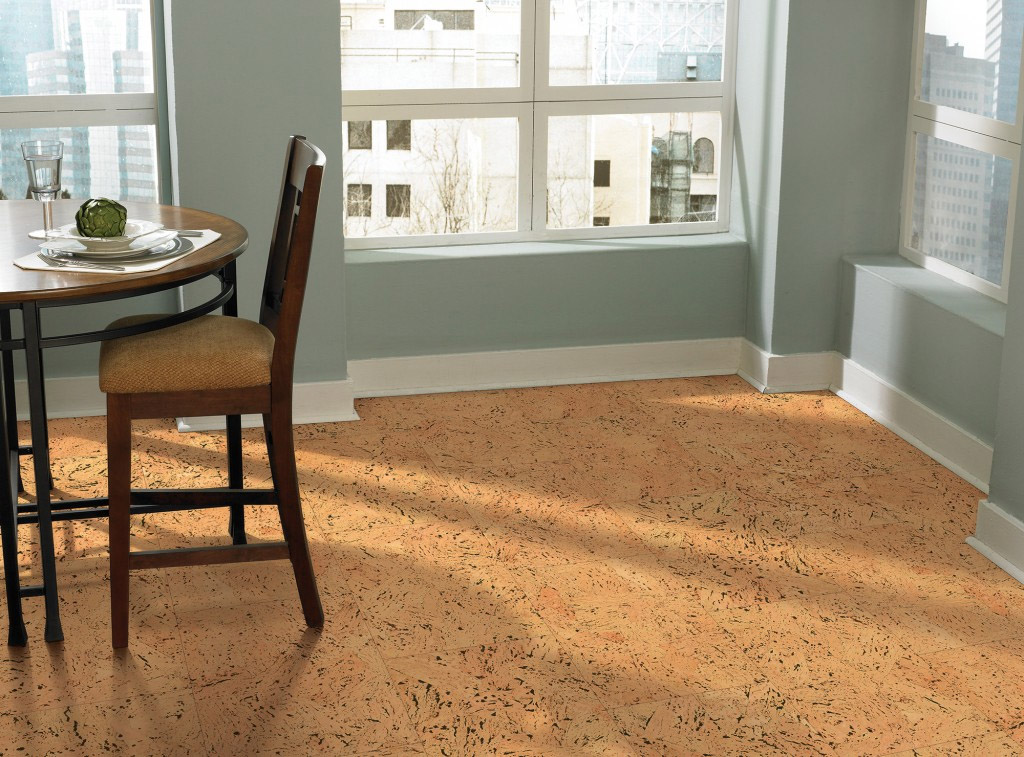
Cork flooring installation is genuinely one of the more DIY-friendly projects I’ve taken on in my home. The click-lock plank system I used snaps together intuitively, and the planks are light and easy to handle without a helper. I had my dining room, roughly one hundred and forty square feet, completed in a single Saturday with time left over in the afternoon. If you’re comfortable with basic home improvement tasks, cork is very approachable.
Acclimation is a step I always take seriously after learning from a flooring mistake in a previous home. I left the cork planks open in the dining room for seventy-two hours before installation to let them adjust to the room’s temperature and humidity. Cork responds to environmental conditions, and this step prevents buckling and gapping after installation. It requires no effort and just a little patience, and it makes a genuine difference in the long-term performance of the floor.
Subfloor prep is where I spent most of my actual labor time. I checked for level with a long straightedge and used leveling compound on a low spot near the doorway. Cork flooring over an uneven subfloor will flex and cause the click joints to stress and eventually fail over time. Getting the subfloor right before the first plank goes down is what makes the finished result feel solid, stable, and professionally done even when you’ve installed it yourself.

Caring for Cork Floors in a High-Traffic Dining Room
Daily care for my cork dining room floor is genuinely simple, which I appreciate as someone who doesn’t want to spend evenings maintaining floors. A dry microfiber mop or a vacuum with a soft brush attachment handles routine dust and crumb removal effectively. In a dining room where food particles land on the floor regularly, I make a habit of sweeping after dinner rather than letting debris accumulate and get ground into the surface underfoot.
For deeper cleaning, I use a pH-neutral floor cleaner diluted in water with a barely damp mop. I spray the solution directly onto the mop head rather than onto the floor to keep moisture minimal. Cork and standing water are not a good combination, and the dining room is a place where cleaning can get enthusiastic. Keeping the mop damp rather than wet is a habit that has kept my floor in excellent condition through two years of regular cleaning.
Spills are the real test in a dining room, and my rule is simple: wipe immediately. I keep a small stack of cloth napkins near the table specifically for floor spills, and any liquid that lands on the floor gets wiped within a minute or two. Red wine, pasta sauce, and salad dressing have all landed on my cork floor without leaving a mark because of that quick response habit. Cork rewards attentive owners generously, and the floor has looked consistently beautiful because of a few simple habits maintained consistently over time.
Is cork flooring durable enough for a busy dining room?
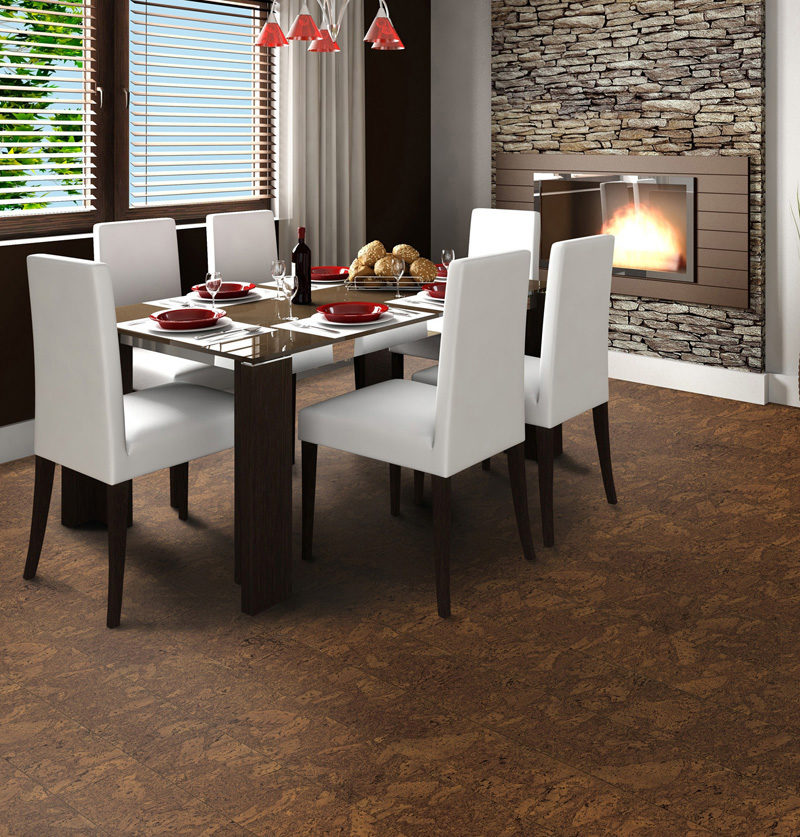
Yes, with proper sealing and felt pads under furniture legs. I’ve had cork in my dining room for two years through daily family meals and regular entertaining without significant wear. The key is sealing well, protecting chair legs, and cleaning spills immediately. Cork is softer than hardwood, so heavy dragged furniture can mark it, but consistent felt pad use prevents that almost entirely. It’s genuinely practical for everyday dining room life.
How does cork handle food and drink spills in a dining room?
Sealed cork handles spills well as long as you wipe them up promptly. I’ve had red wine, olive oil, and tomato sauce on my cork floor without staining because I cleaned them up within a minute or two. Letting liquid sit for extended periods is where problems develop. A quality finish coat applied at installation and refreshed every few years gives you a reliable barrier. Quick response to spills is the single most important maintenance habit for dining room cork.
Is cork flooring comfortable to stand on during long meals and cooking?
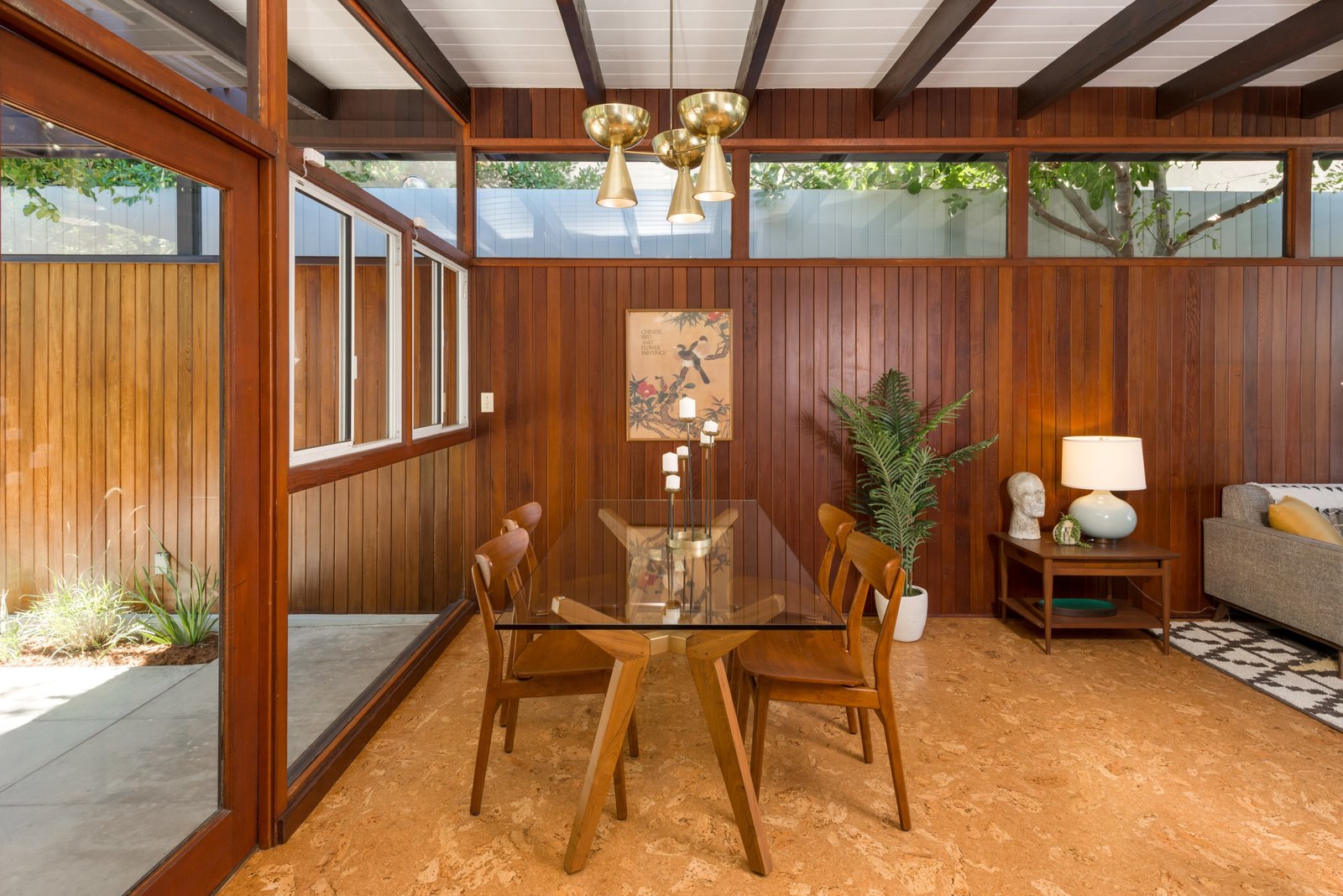
This is one of cork’s biggest advantages in a dining room. The natural cellular cushioning reduces foot and leg fatigue noticeably compared to tile or hardwood. I host long holiday dinners where people stand and move around for hours, and the cork floor makes a real difference in how everyone feels by the end of the evening. It’s particularly appreciated by older guests who often comment on how comfortable it is compared to the tile floors in their own homes.
How much does cork flooring cost for a dining room?
Cork flooring typically runs two to six dollars per square foot for materials, depending on quality and format. For an average dining room of one hundred to one hundred fifty square feet, materials run roughly two hundred to nine hundred dollars. If you install it yourself, that’s your total cost plus underlayment and finishing supplies. Professional installation adds one to three dollars per square foot. Compared to hardwood or stone tile, cork delivers a premium natural look at a significantly lower overall investment.

Can cork flooring be refinished if it gets damaged over time?
Yes, and this is one of cork’s underappreciated advantages. If the surface finish wears down or shows significant scratching after years of use, the floor can be lightly sanded and recoated to restore its appearance. This process is less involved than refinishing hardwood and extends the floor’s life considerably. I plan to do a light recoat in a few years as preventive maintenance rather than waiting for visible wear to accumulate. It’s a straightforward Saturday project that keeps the floor looking fresh.
Is cork flooring a good choice for a dining room with kids and pets?
It works very well for family life with a few simple precautions. Keep pet nails trimmed to reduce surface scratching, use felt pads under all chair and furniture legs, and establish a quick spill cleanup habit. Kids dropping food is a non-issue as long as the floor is sealed well. The cushioned surface is actually safer for young children who fall during meals than hard tile would be. I have two kids and a dog, and my cork dining room floor has handled everything they’ve thrown at it with minimal visible wear.
Related Posts: