When I found out I was expecting my first child, the nursery became my obsession. I wanted everything to be perfect, safe, and healthy for my little one. After researching countless flooring options, from hardwood to carpet to laminate, I kept coming back to cork. Initially, I was skeptical. Cork? Wasn’t that just for wine bottles and bulletin boards? But the more I learned about its natural properties, hypoallergenic qualities, and incredible comfort underfoot, the more convinced I became. Two years later, watching my toddler play happily on our cork floor, I can confidently say it was one of the best decisions I made during my pregnancy preparations.
Safety First: Why Cork Became My Top Choice
The moment I started researching nursery flooring, safety became my primary concern. I discovered that cork flooring is naturally antimicrobial and hypoallergenic, which meant fewer worries about bacteria, mold, or allergens affecting my baby’s developing respiratory system. Unlike carpet that can harbor dust mites and pet dander, cork actively repels these common allergens. The natural suberin in cork creates an inhospitable environment for microorganisms, giving me peace of mind that my baby would be crawling and playing on a clean surface.
Fire safety was another crucial factor in my decision. Cork flooring has excellent fire-resistant properties and doesn’t release toxic fumes when heated, unlike some synthetic flooring materials. When I imagined my curious toddler exploring every corner of the nursery, I wanted flooring that wouldn’t splinter, chip, or create sharp edges if damaged. Cork’s cellular structure makes it incredibly resilient, bouncing back from impacts rather than breaking or leaving dangerous fragments that could harm little hands and knees.
The slip-resistance of cork flooring impressed me during my research phase. Even when slightly damp from spilled milk or water from bath time, cork maintains its grip, reducing the risk of slips and falls as my child learned to walk. I tested samples in my own home, deliberately spilling water on them and walking across in socks. The natural texture provided consistent traction without being abrasive to delicate skin. This safety feature became even more important once my baby started pulling up on furniture and taking those first wobbly steps.
Comfort and Cushioning: The Perfect Play Surface
Standing in baby stores for hours while registering taught me how important comfortable flooring would be during those long nights of feeding and rocking. Cork’s natural cellular structure creates a cushioned surface that’s gentle on joints and backs, making those 3 AM feeding sessions more bearable. I found that standing barefoot on cork samples felt like standing on a firm yoga mat, supportive yet forgiving. This comfort factor influenced my decision as much as the safety benefits.
The temperature regulation properties of cork amazed me during my selection process. Unlike ceramic tile that stays cold or hardwood that can feel chilly in winter, cork maintains a comfortable temperature year-round. When my baby started spending tummy time on the floor, I didn’t need to worry about the surface being too cold against delicate skin. Even during winter months, the nursery floor felt warm and inviting, encouraging floor play and exploration without the need for multiple rugs or blankets.
Sound absorption became unexpectedly important once my baby arrived. Cork naturally dampens noise, which helped create a peaceful environment for sleeping and reduced the sound transmission to rooms below. When my toddler started dropping toys and running around, I appreciated how the cork absorbed impact sounds rather than amplifying them like hardwood or tile would. This acoustic benefit improved the nursery’s atmosphere and helped maintain better sleep schedules for everyone in the house.

Installation Experience: My DIY Success Story
I was initially intimidated by the idea of installing flooring myself, especially with a baby on the way and limited time. However, cork flooring tiles with adhesive backing made the project manageable for a determined DIYer like me. I chose 12-inch square tiles that clicked together, eliminating the need for messy glues or special tools. The installation process took me two weekends, working around my pregnancy fatigue and morning sickness, but the results were professional-looking and satisfying.
Preparation was key to my successful installation. I spent considerable time ensuring the subfloor was clean, level, and completely dry. Cork is more forgiving than some flooring materials when it comes to minor subfloor imperfections, but I wanted everything perfect for my baby’s room. I used a self-leveling compound in a few spots where the original floor had slight dips. The cork tiles were surprisingly lightweight, making them easy to handle even as my pregnancy progressed.
The cutting process was simpler than I expected. I used a sharp utility knife to score the tiles, then snapped them along the line. For more complex cuts around door frames and corners, I used a fine-tooth saw. The forgiving nature of cork meant small mistakes weren’t disasters, and the natural variation in cork patterns helped hide any less-than-perfect cuts. I completed the entire nursery floor in about 12 hours of actual work time, spread over two weekends, and felt proud every time I walked into the finished room.
Maintenance Reality: Living with Cork Flooring
The maintenance routine for cork flooring turned out to be much simpler than I feared during my research phase. Daily care consists of sweeping or vacuuming to remove dust and debris, which takes less than five minutes in a nursery-sized room. I use a soft-bristle vacuum attachment to avoid scratching the surface, though cork is quite durable and forgiving. Weekly damp mopping with a pH-neutral cleaner keeps the floor looking fresh and removes any sticky spots from spilled formula or baby food.
Spill cleanup became a regular part of life with a baby, and Cork handled every accident gracefully. The sealed surface prevents liquids from penetrating into the material, making cleanup as simple as wiping with a damp cloth. I learned to address spills promptly to prevent any potential staining, though cork’s natural color variation helps camouflage minor imperfections. Even explosive diaper incidents and spit-up accidents were cleaned up completely without leaving permanent marks or odors.
The refinishing process initially worried me, but I discovered that cork flooring can be sanded and resealed if it ever shows significant wear. After two years of heavy use, including a toddler dragging toys across it and occasional furniture rearrangement, my cork floor still looks nearly new. The polyurethane finish I applied during installation continues to protect the cork while maintaining its natural appearance. I anticipate this floor lasting well into my child’s teenage years with minimal maintenance.
Environmental Impact: Teaching Values from Birth
Choosing cork flooring aligned with my desire to create an environmentally responsible home for my family. Cork is harvested from the bark of cork oak trees without harming the tree, making it one of the most renewable flooring materials available. The trees continue growing and regenerating bark for decades, and harvesting actually improves the tree’s health and longevity. I felt good knowing my nursery flooring choice supported sustainable forestry practices rather than contributing to deforestation.
The manufacturing process for cork flooring has a relatively low environmental impact compared to other flooring options I researched. Most cork comes from Portugal and Spain, where sustainable harvesting has been practiced for centuries. The energy required to process cork into flooring is minimal, and many manufacturers use eco-friendly binders and finishes. I chose a product certified by environmental organizations to ensure my purchase supported responsible manufacturing practices.
Indoor air quality became a priority once I started thinking about my baby’s developing lungs. Cork flooring doesn’t off-gas harmful chemicals like some synthetic materials, contributing to better indoor air quality. The natural properties of cork actually help regulate humidity in the room, creating a healthier environment for sleep and play. I used low-VOC sealers and finishes to maintain the flooring’s natural benefits while providing necessary protection against moisture and wear.

Long-Term Value: Investment in Family Future
The initial cost of cork flooring was higher than some alternatives I considered, but I viewed it as an investment in my family’s long-term comfort and health. Quality cork tiles cost about $4-8 per square foot, which positions them between laminate and hardwood in price range. When I factored in the durability, comfort benefits, and potential for refinishing, the cost per year over the floor’s expected lifespan made economic sense for my growing family.
Resale value considerations influenced my decision, as cork flooring appeals to environmentally conscious buyers and families with young children. The unique properties and sustainable story of cork create selling points that distinguish homes in competitive markets. Real estate agents I consulted confirmed that quality flooring improvements typically return 70-80% of their cost at resale, and cork’s growing popularity suggests strong future appeal to potential buyers.
The versatility of cork flooring means it can transition with my child’s changing needs. The same floor that provides a safe crawling surface for an infant works perfectly for active toddler play, elementary school projects, and eventually, teenage room activities. Unlike carpet that might need replacement as children grow, or hardwood that might get damaged by active play, cork adapts to changing family needs while maintaining its appearance and performance. This longevity makes the initial investment worthwhile for growing families.

How does cork flooring hold up to potty training accidents and spills?
In my experience, sealed cork handles accidents beautifully. The surface prevents liquids from penetrating, so cleanup is immediate and complete. I’ve dealt with everything from formula spills to potty accidents, and proper sealing prevents odors or stains. The key is addressing spills quickly and using appropriate cleaning products that won’t damage the finish.
Is cork flooring comfortable enough for a baby to sleep on during floor naps?
Absolutely! The natural cushioning makes cork comfortable for extended floor contact. My baby often fell asleep during tummy time, and I never worried about discomfort from the flooring. The temperature regulation keeps it from feeling cold, and the soft surface doesn’t leave marks on delicate skin like harder flooring might.

Can cork flooring be installed over existing flooring in a nursery?
This depends on the existing surface and cork product type. I installed mine over well-adhered vinyl flooring after ensuring it was completely flat and clean. Floating cork systems work over most existing floors, while adhesive tiles need stable, smooth surfaces. Always check manufacturer recommendations for your specific situation.
How long does cork flooring last in a high-use nursery environment?
With proper care, quality cork flooring should last 15-25 years in residential settings. My floor still looks excellent after two years of intensive toddler use. The ability to sand and refinish cork means even heavily worn areas can be restored, potentially extending the floor’s life to 30+ years with maintenance.
What’s the best way to childproof cork flooring for curious toddlers?
Cork’s natural properties make it inherently child-friendly, but I secured all furniture to prevent tipping and used furniture pads to prevent scratching. The antimicrobial surface doesn’t require toxic cleaning products, and the cushioned surface reduces injury risk from falls. Regular sealing maintains the protective finish that prevents moisture penetration.
Does cork flooring require special cleaning products that might be harmful to babies?
Not at all! I clean my cork floor with simple pH-neutral cleaners or even just warm water for daily maintenance. Avoid harsh chemicals, ammonia-based products, or wax-based cleaners that can damage the protective finish. The natural antimicrobial properties mean you don’t need antibacterial products, keeping the nursery free from chemical residues.
Cool Cork Flooring Ideas For Maximum Comfort
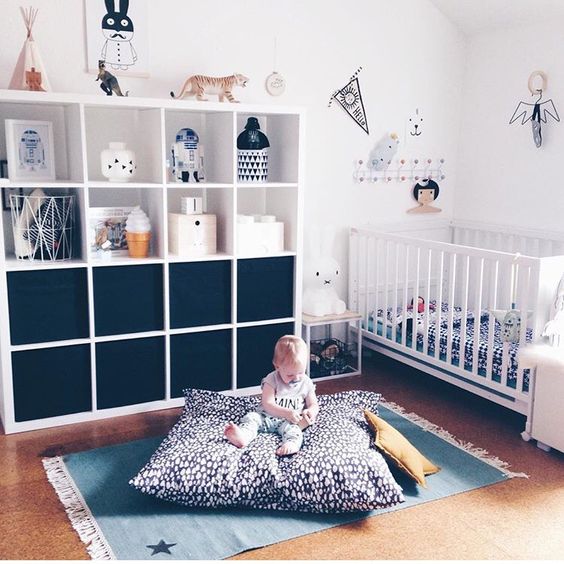
Play Room Safe Cork Floors – Forna Cork Flooring

Cork Flooring in Minneapolis from Galaxie Floor Stores
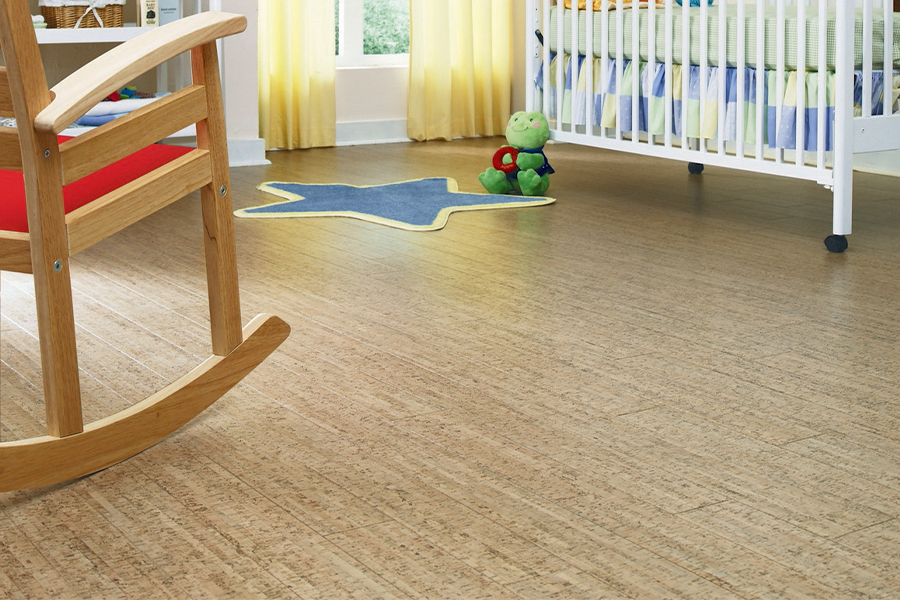
White Cork Flooring 4 Samples – Floating $ Cork Tile

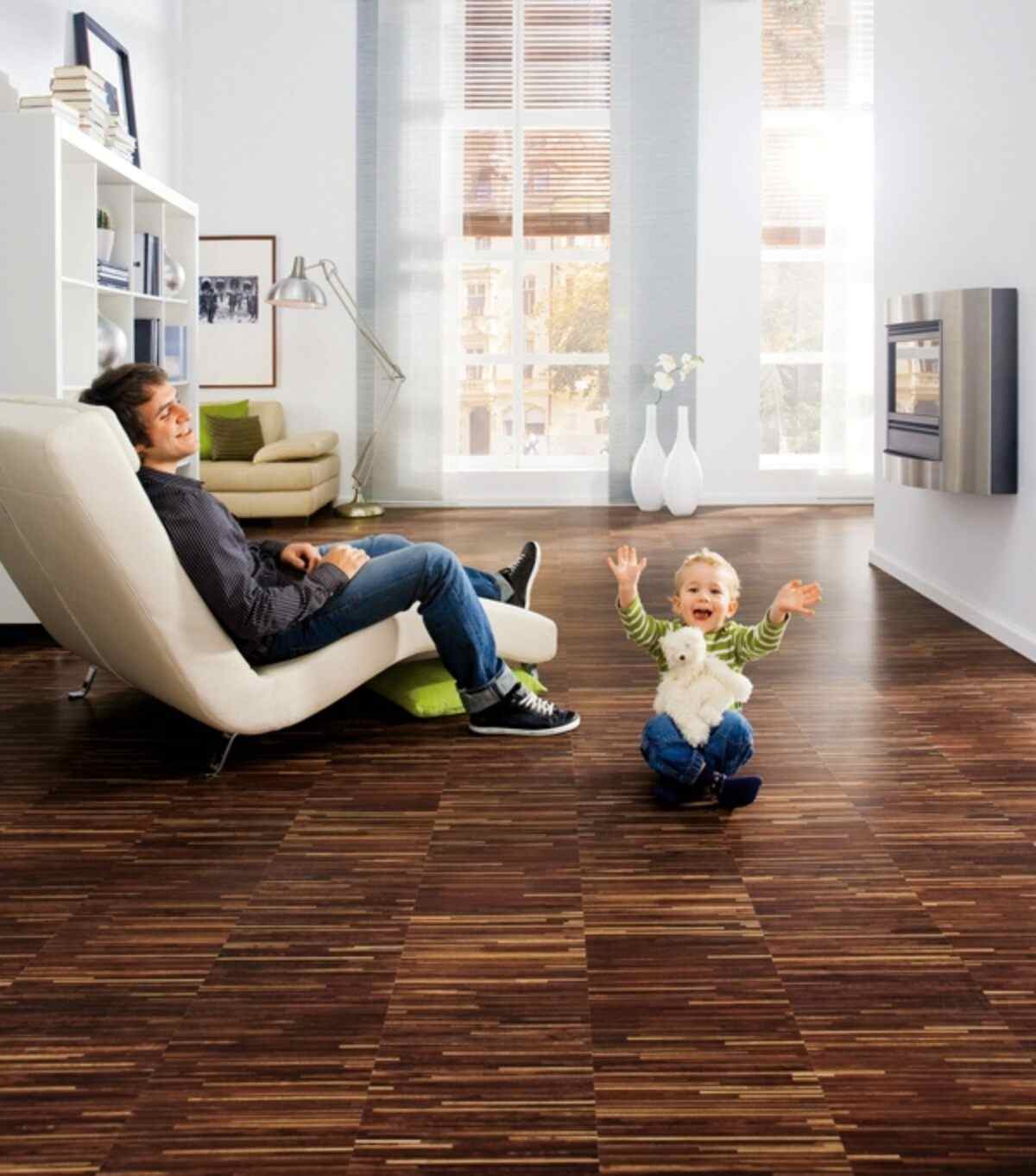
Cork floor – a practical alternative to wood floors
Related Posts: