I never imagined that transforming my garage floor would become one of my most rewarding home improvement projects. What started as a simple desire to cover up oil stains and concrete imperfections turned into a complete makeover that not only enhanced the appearance of my workspace but also created a surface that’s incredibly easy to maintain. Through trial and error, research, and plenty of hands-on experience, I’ve learned that coating your garage floor yourself is entirely achievable with the right preparation, materials, and techniques.
Understanding Your Coating Options
When I first began exploring garage floor coatings, I was overwhelmed by the variety of options available. Epoxy coatings immediately caught my attention due to their exceptional durability and chemical resistance. These two-part systems create a hard, glossy surface that can withstand heavy foot traffic, vehicle weight, and most household chemicals. However, I quickly learned that not all epoxy coatings are created equal, and understanding the differences was crucial for the success of my project.
Polyurethane coatings presented another compelling option during my research phase. While they typically cost more than epoxy, they offer superior UV resistance, which means they won’t yellow over time like some epoxy formulations. I found that polyurethane also provides better flexibility, making it less prone to cracking in areas where the concrete might expand and contract. The application process is similar to epoxy, but the curing time is generally longer, requiring more patience during the installation process.
Acrylic sealers represented the most budget-friendly option I considered, though they don’t provide the same level of protection as epoxy or polyurethane. These water-based coatings are easier to apply and have minimal odor, making them appealing for DIY beginners. However, after weighing all factors, I decided that the superior durability and appearance of epoxy made it worth the extra investment and effort for my garage transformation project.
Preparing Your Concrete Surface
Surface preparation became the most critical aspect of my entire project, and I can’t stress enough how important this step is for long-term success. I started by thoroughly cleaning my garage floor, removing all oil stains, dirt, and debris. For stubborn oil stains, I used a degreasing solution and scrubbed vigorously with a stiff brush. Any loose paint or previous coatings had to be completely removed using a paint scraper and wire brush, as these would prevent proper adhesion of the new coating.
Etching the concrete surface was my next major task, and I chose to use muriatic acid diluted according to the manufacturer’s instructions. This process opens up the concrete pores, allowing the coating to bond mechanically with the surface. I wore protective gear, including gloves, goggles, and a respirator, and ensured proper ventilation throughout the process. The acid etching created a slightly rough texture that would help the epoxy grab onto the concrete and create a lasting bond.
After etching, I spent considerable time filling any cracks or holes in the concrete using a concrete crack filler. Even small imperfections can telegraph through the coating and create weak points that may fail over time. I allowed the filler to cure completely before proceeding, then used a concrete grinder to smooth out any high spots. The final step was thoroughly vacuuming the floor and wiping it down with a tack cloth to remove all dust and debris before coating application.

Selecting the Right Tools and Materials
Choosing quality tools proved essential for achieving professional-looking results in my garage floor coating project. I invested in high-quality rollers with the appropriate nap length for my chosen coating, as well as brushes for cutting in around edges and corners. A paint tray with disposable liners made cleanup easier, and I purchased extra roller covers since epoxy can set up quickly. Extension poles allowed me to work more efficiently and maintain better control while applying the coating.
The coating itself required careful selection based on my specific needs and garage conditions. I chose a 100% solids epoxy system because it provides maximum durability and doesn’t shrink during curing like water-based alternatives. The kit included both the resin and hardener components, along with detailed mixing instructions. I also purchased decorative flakes to broadcast into the wet coating, which would help hide minor imperfections and provide additional texture for better traction.
Safety equipment was non-negotiable for this project, and I made sure to have everything I needed before starting. A quality respirator with organic vapor cartridges protected me from fumes, while chemical-resistant gloves kept my hands safe during mixing and application. Safety glasses, knee pads, and old clothes rounded out my protective gear. I also set up fans for ventilation and had a fire extinguisher nearby, as some coating materials can be flammable during application.

Step-by-Step Application Process
My application process began early in the morning when temperatures were optimal and humidity was low. I started by mixing the epoxy components according to the manufacturer’s instructions, using a slow-speed drill with a paddle attachment to ensure thorough blending without introducing air bubbles. The mixed coating had a limited pot life, so I worked in manageable sections to avoid waste. I found that working in 4×4-foot sections allowed me to maintain a wet edge while applying the coating evenly.
Application technique made a significant difference in my final results, and I developed a systematic approach that worked well for my garage. I used a brush to cut in around the perimeter and any obstacles, then immediately followed with a roller to maintain consistent coverage. Rolling in a “W” pattern helped distribute the coating evenly, and I made sure to maintain light pressure to avoid creating bubbles or roller marks. The key was working quickly but methodically to ensure uniform thickness across the entire surface.
Broadcasting decorative flakes into the wet coating required careful timing and technique that I perfected through practice. I scattered the flakes by hand in a random pattern, working quickly to cover the entire wet section before the coating began to set. The flakes should be applied to rejection, meaning I continued adding them until no more would stick to the surface. This technique ensures maximum coverage and helps create the textured, slip-resistant surface I was looking for in my finished garage floor.

Curing and Maintenance Requirements
Understanding the curing process was crucial for achieving the best possible results from my garage floor coating project. Initial cure time varies depending on temperature and humidity, but I typically waited 24 hours before walking on the surface and 72 hours before allowing vehicle traffic. During this time, I kept the garage well-ventilated and maintained a consistent temperature to promote proper curing. I learned that rushing this process could compromise the coating’s durability and appearance, so patience was essential.
Full chemical cure takes much longer than the initial set time, often requiring 7-14 days, depending on the product and environmental conditions. During this extended curing period, I avoided exposing the floor to harsh chemicals or extreme temperature changes. I also resisted the urge to test the coating’s durability by dropping tools or dragging heavy items across the surface. This patience paid off with a harder, more durable finish that has held up beautifully over time.
Maintenance of my coated garage floor has been surprisingly simple and rewarding. Regular sweeping and occasional mopping with a pH-neutral cleaner keeps the surface looking pristine. I avoid using harsh chemicals or abrasive cleaners that could damage the coating. For stubborn stains, I use a degreaser specifically designed for coated floors. The non-porous surface makes cleanup incredibly easy, and oil stains that once penetrated the concrete now wipe away effortlessly with a damp cloth.

Troubleshooting Common Issues
During my coating project, I encountered several challenges that taught me valuable lessons about proper application techniques. Bubbles in the coating were my first major issue, caused by rolling too aggressively and trapping air in the thick epoxy. I learned to use lighter pressure and work more slowly, allowing the coating to self-level naturally. When bubbles did appear, I found that lightly dragging a brush over the surface could eliminate them if caught quickly enough before the coating began to set.
Color inconsistencies presented another challenge that required immediate attention during my application process. Uneven mixing of the two-part epoxy system can create streaks or patches of different colors that become permanent once cured. I solved this by ensuring thorough mixing and maintaining a consistent technique throughout the application. When I noticed color variations, I was able to correct them by re-rolling the affected area with properly mixed material before the coating set up completely.
Adhesion problems became apparent in a few small areas where I hadn’t properly prepared the concrete surface. These spots showed poor bonding and eventually began to peel or chip away from the substrate. I learned that cutting out the failed areas and spot-repairing them was the only effective solution. This experience reinforced the importance of thorough surface preparation and confirmed that shortcuts in this phase would lead to problems later. Proper preparation is the foundation of a successful coating project.

How long does a DIY garage floor coating typically last?
With proper surface preparation and application, a quality epoxy coating can last 5-10 years or more in residential garage applications. The longevity depends heavily on the amount of traffic, the quality of materials used, and how well the surface was prepared before coating. I’ve found that following manufacturer instructions precisely and taking time with surface prep significantly extends the coating’s lifespan. Regular maintenance and avoiding harsh chemicals also help preserve the finish for maximum durability.
Can I apply garage floor coating over existing paint or sealers?
Generally, I don’t recommend applying new coatings over existing paint or sealers without proper preparation. These previous coatings can prevent proper adhesion and lead to premature failure of your new coating system. I always remove old coatings completely using mechanical methods like grinding or chemical strippers. If the existing coating is in excellent condition and compatible with your new system, light sanding might be sufficient, but complete removal is the safest approach for long-term success.

What’s the best temperature and humidity for coating application?
I’ve found that temperatures between 60-80°F with relative humidity below 50% provide optimal conditions for most garage floor coatings. High humidity can cause problems with curing and may lead to a cloudy or blushed appearance in the finished coating. Temperature extremes can affect pot life and flow characteristics, making application more difficult. I always check the weather forecast and plan my coating projects during periods of stable, moderate conditions for the best results.
How do I handle cracks in my concrete before coating?
Concrete cracks must be properly repaired before coating application to prevent telegraph-through and potential coating failure. I use flexible crack fillers designed specifically for concrete, applying them slightly proud of the surface and then grinding smooth once cured. For moving cracks, I sometimes use a flexible sealant that can accommodate minor movement. The key is identifying whether cracks are dormant or active, as active cracks may require professional evaluation before coating.

Is it necessary to acid etch the concrete before coating?
Acid etching is typically necessary for achieving proper adhesion between the coating and the concrete substrate. This process opens up the concrete pores and creates a mechanical bond that’s essential for long-term durability. I use muriatic acid diluted according to the manufacturer’s instructions, always wearing proper protective equipment and ensuring adequate ventilation. Some newer coatings are formulated to bond without etching, but I still prefer this tried-and-true method for maximum adhesion strength.
What should I do if my coating doesn’t cure properly?
If your coating remains tacky or soft after the recommended cure time, temperature, and humidity issues are usually the culprit. I’ve learned to be patient and allow extra time for curing in less-than-ideal conditions. If the coating doesn’t cure after an extended time, complete removal and reapplication may be necessary. Mixing errors can also cause cure problems, so I always double-check ratios and mixing procedures. Prevention through proper environmental control and careful preparation is always better than trying to fix or cure issues after the fact.

Garage Floor Coatings in San Antonio
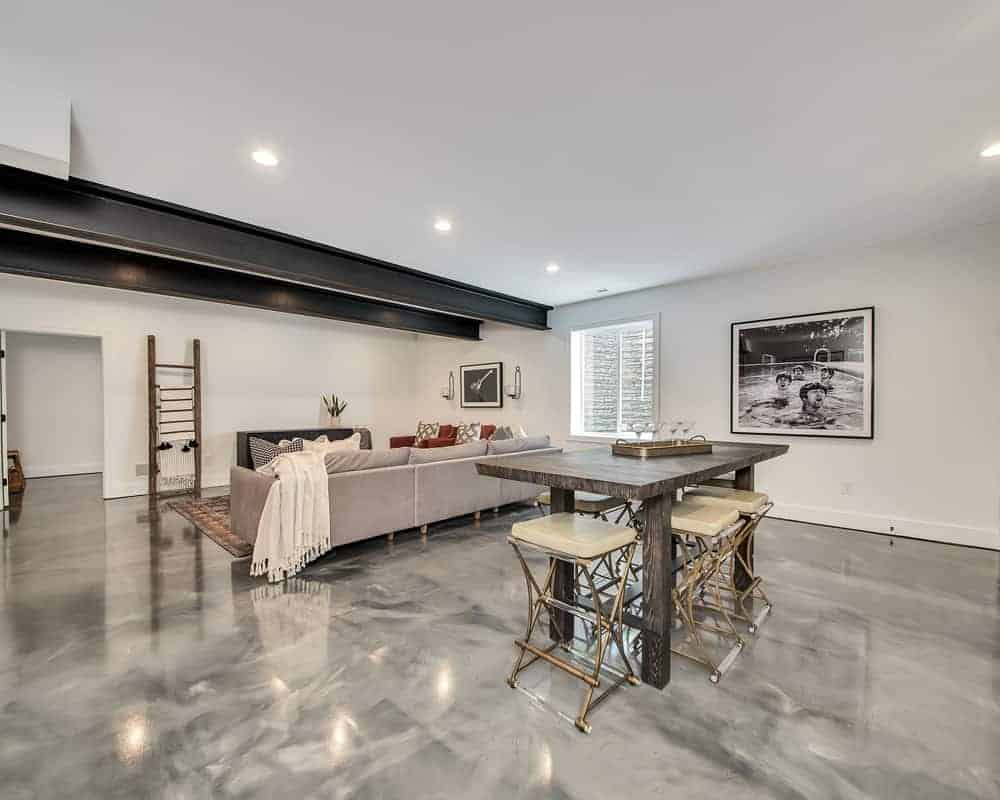
Garage Epoxy Floors – Flooring Specialists
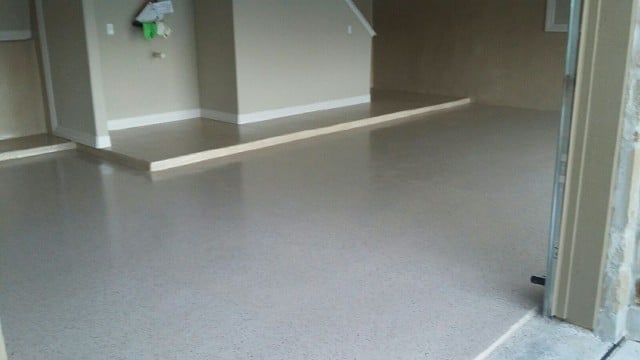
Epoxy Flooring San – Epoxy Floors Concrete Coatings
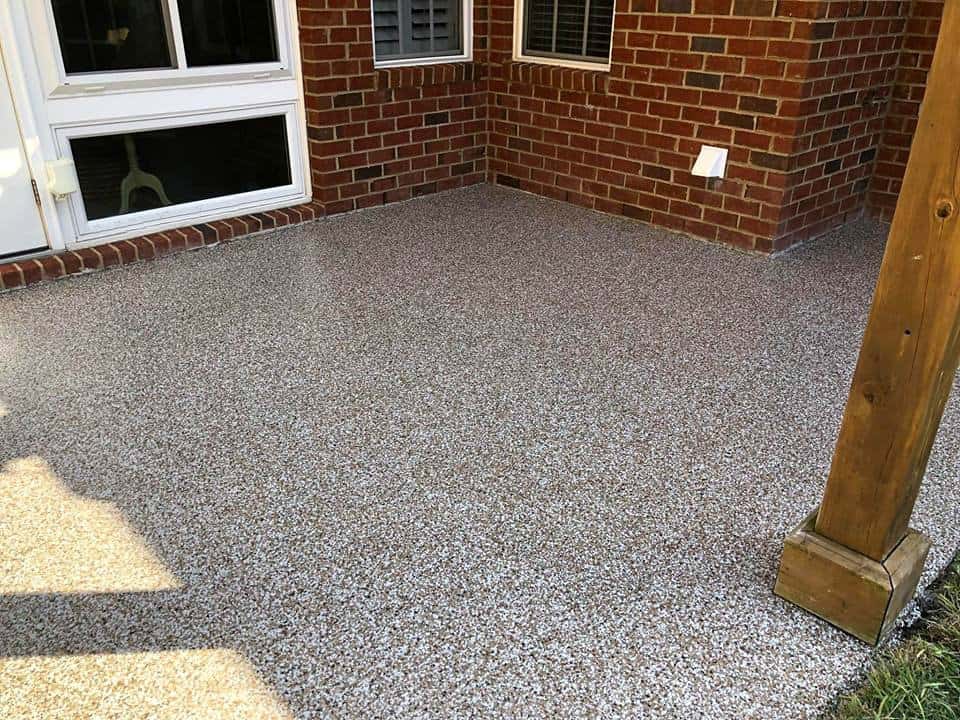
Epoxy Garage Floors
Related Posts: